
Tokyo: The Latest Architecture and News
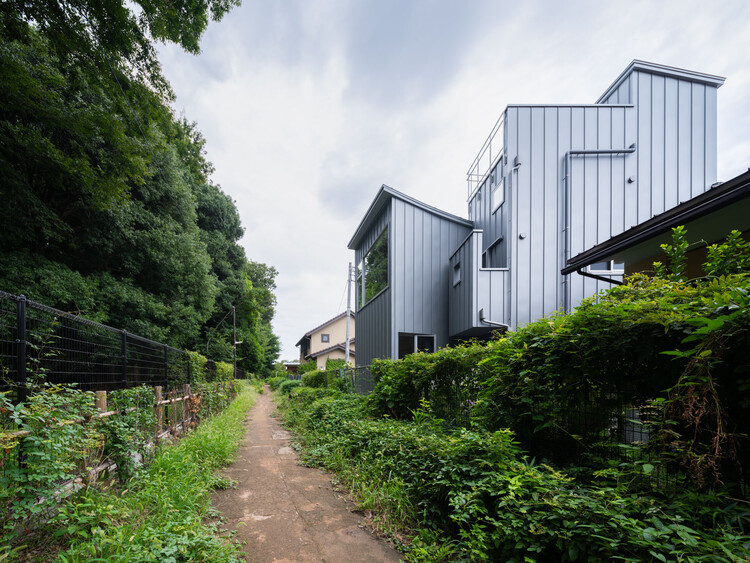
House in Koganei, SA House / OFA (OfficeForArchitects) Architectural Design Office
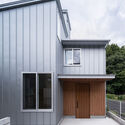
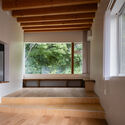
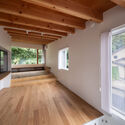
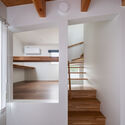
https://www.archdaily.com/1037252/house-in-koganei-sa-house-ofa-officeforarchitects-architectural-design-officeMiwa Negoro
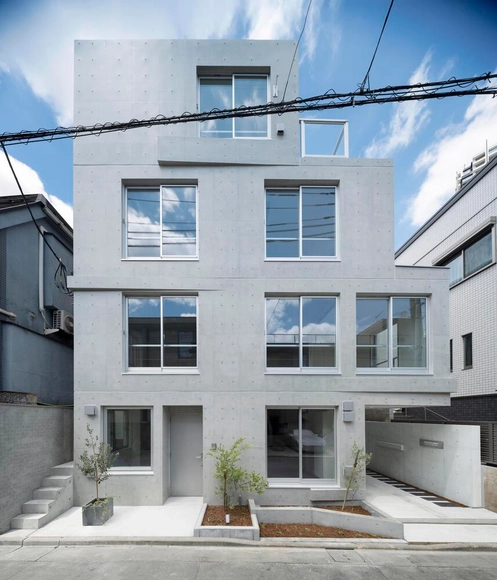
Escenario Hanabusayama / Ryuichi Sasaki + Sasaki Architecture


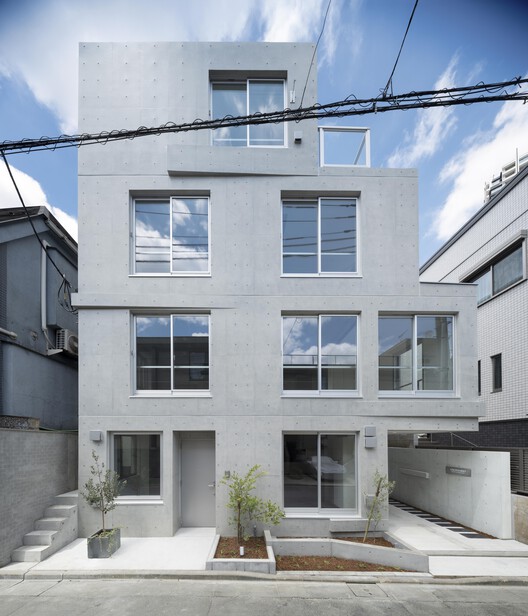
-
Architects: Ryuichi Sasaki Architecture
- Area: 496 m²
- Year: 2023
-
Professionals: Tatsumi Terado Structural Studio, Alpha Management & Partners
https://www.archdaily.com/1037101/escenario-hanabusayama-ryuichi-sasaki-plus-sasaki-architecturePilar Caballero
House 14° / Akaike Kazuhito Architect & Associates
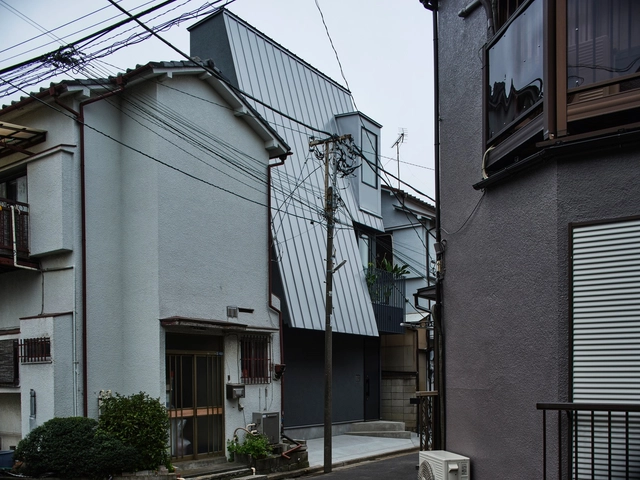



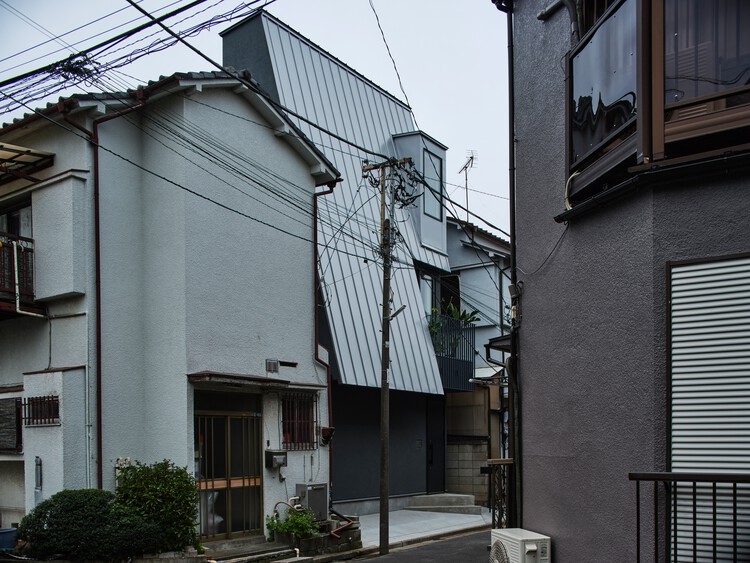
-
Architects: Akaike Kazuhito Architect & Associates
- Area: 49 m²
- Year: 2025
https://www.archdaily.com/1036976/house-14-degrees-akaike-kazuhito-architect-and-associatesMiwa Negoro
Casa Legato / Hugo Kohno Architect Associates



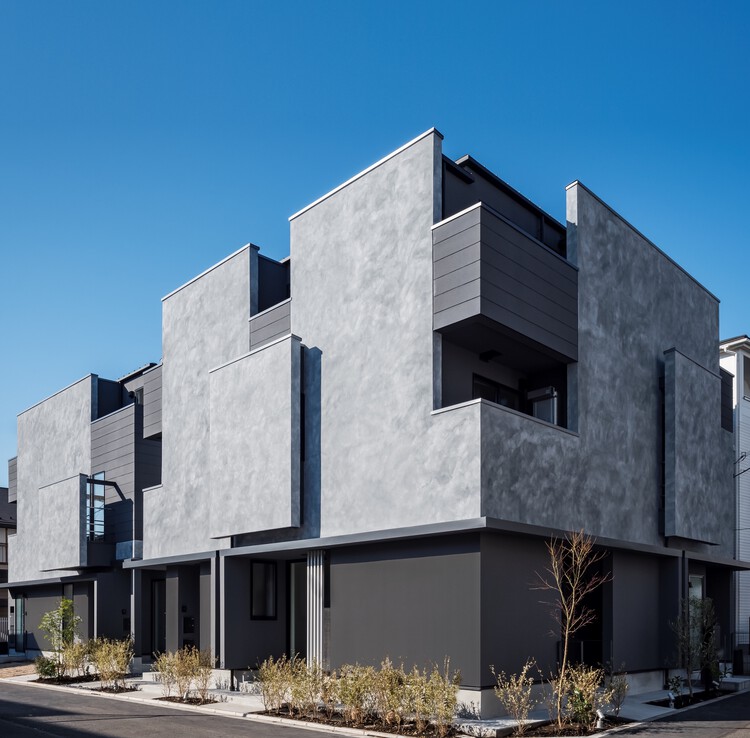
-
Architects: Hugo Kohno Architect Associates
- Area: 196 m²
- Year: 2025
https://www.archdaily.com/1036674/casa-legato-hugo-kohno-architect-associatesMiwa Negoro
Tent Cabin in Omori / HUNE ARCHITECTS


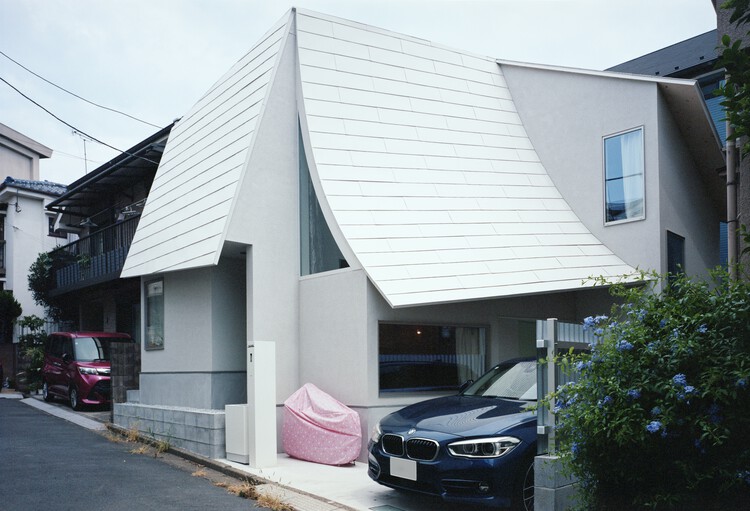
https://www.archdaily.com/1036525/tent-cabin-in-omori-hune-architectsMiwa Negoro
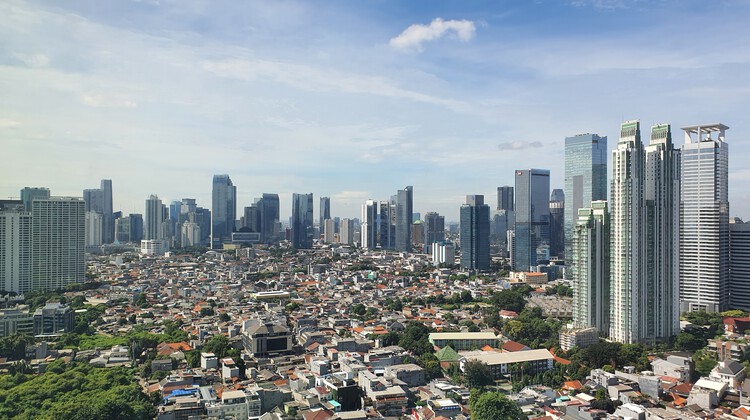
Jakarta Becomes the World’s Most Populous City, According to New UN Data
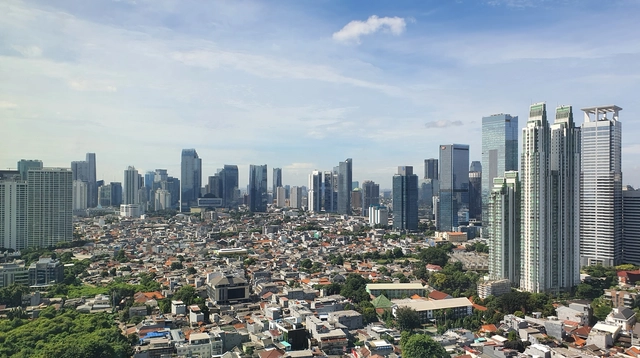
Jakarta has become the world's most populous city, according to the World Urbanization Prospects 2025 released by the United Nations Department of Economic and Social Affairs (UN DESA). Using an updated and harmonized method for defining urban areas, the report estimates Jakarta's population at nearly 42 million, placing it ahead of Dhaka, which is about 40 million, and Tokyo, 33 million. The revised ranking illustrates how updated measurement criteria and continued demographic growth are reshaping understandings of urban scale in Asia and globally.



https://www.archdaily.com/1036544/jakarta-becomes-the-worlds-most-populous-city-according-to-new-un-dataReyyan Dogan
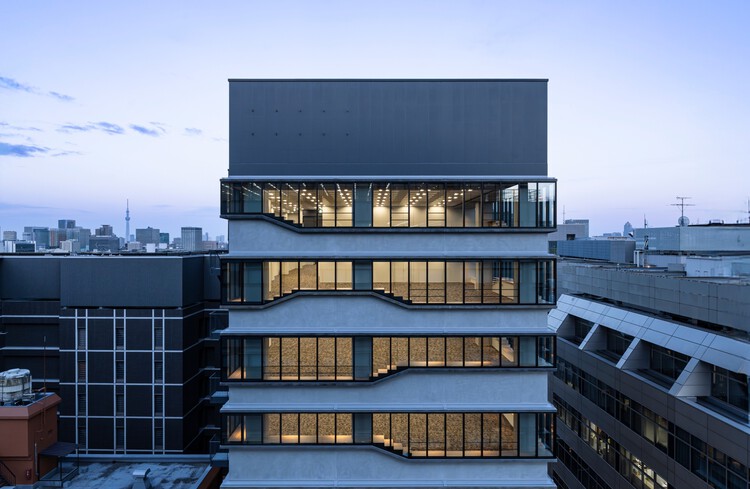
Front Place Chiyoda Ichibancho / Mitsubishi Jisho Design Inc.




-
Architects: Mitsubishi Jisho Design Inc.
- Area: 678 m²
- Year: 2024
https://www.archdaily.com/1036245/front-place-chiyoda-ichibancho-mitsubishi-jisho-design-incMiwa Negoro
Nishiogi Comichi Terrace / Naruse Inokuma Architects
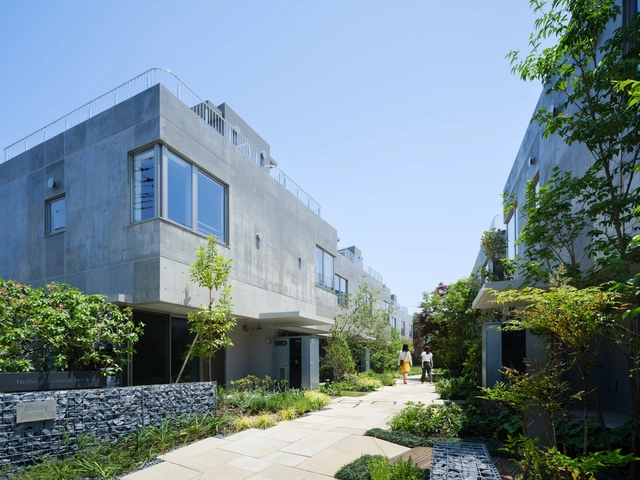



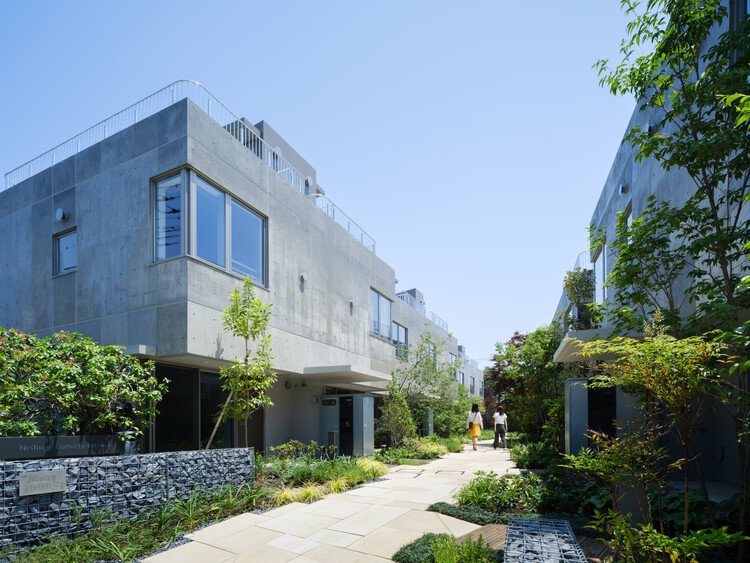
-
Architects: Naruse Inokuma Architects
- Area: 1640 m²
- Year: 2025
-
Manufacturers: Creative life, IOC, Miratap, Sangetsu, Taiheiyo Precast Concrete Industry
https://www.archdaily.com/1035719/nishiogi-comichi-terrace-naruse-inokuma-architectsPilar Caballero
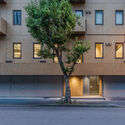
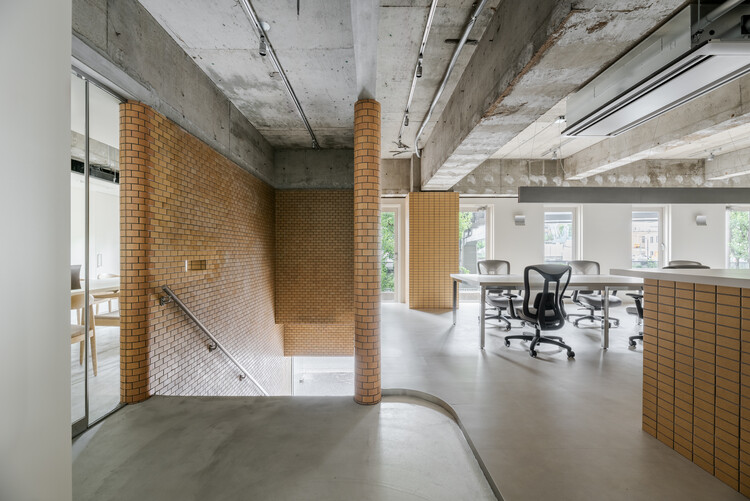
DA OSAKA Branch Tokyo / Reiichi Ikeda Design


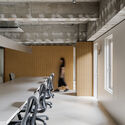

-
Interior Designers: Reiichi Ikeda Design
- Area: 165 m²
- Year: 2025
https://www.archdaily.com/1035454/da-osaka-branch-tokyo-reiichi-ikeda-designMiwa Negoro
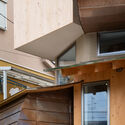
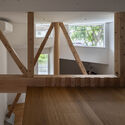
Green House / Shin Aoki and Partners

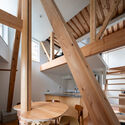
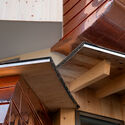
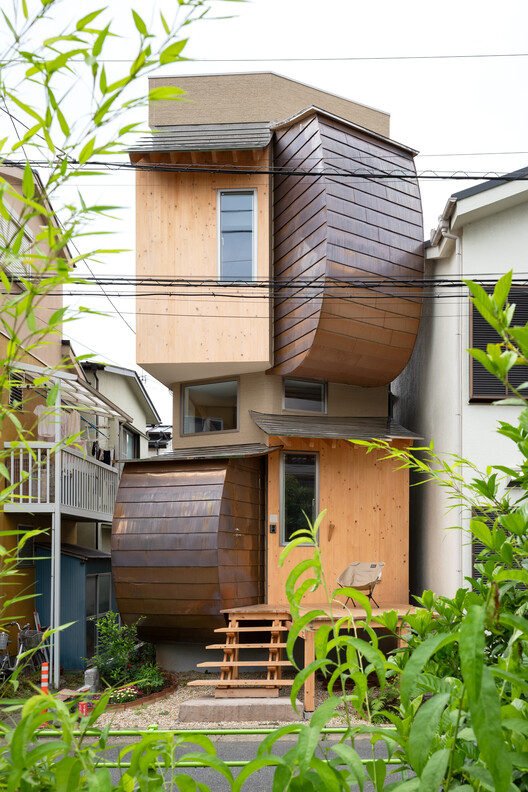
-
Architects: Shin Aoki and Partners
- Area: 69 m²
- Year: 2025
https://www.archdaily.com/1035267/green-house-shin-aoki-and-partnersMiwa Negoro
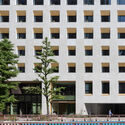
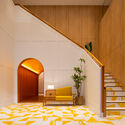
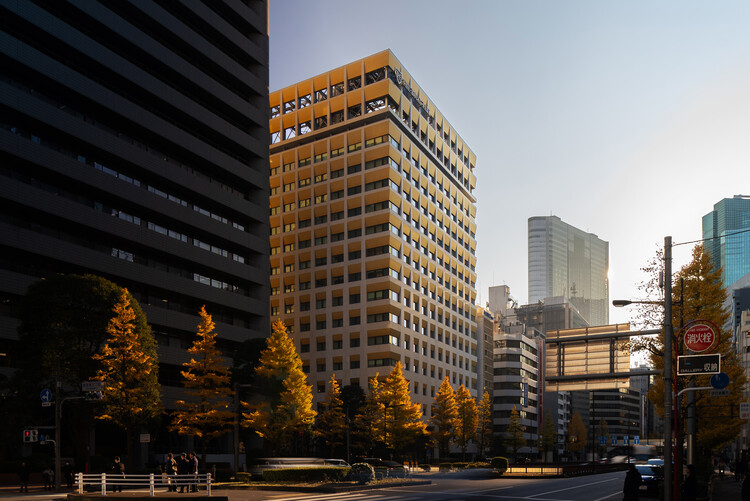
The Royal Park Hotel Ginza 6 chome / Mitsubishi Jisho Design

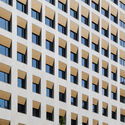
-
Architects: Mitsubishi Jisho Design
- Area: 13000 m²
- Year: 2024
https://www.archdaily.com/1035182/the-royal-park-hotel-ginza-6-chome-mitsubishi-jisho-designMiwa Negoro
Behind the Scenes, On Display: Self-Curated Journeys through the Museum Archive

The museum and gallery visit has long been a highly curated experience. Visitors are guided through a carefully orchestrated sequence of rooms, with hand-picked works arranged to tell a specific narrative, supported by signage, graphics, scenography, and calibrated lighting. Even the rarely changed exhibitions - the permanent collections, also typically rely on a strong curatorial voice— led by noted artists or curators—to set institutional stance and shape interpretation.
At the same time, storage areas for museums and galleries are typically kept separately—often within the same building but under tightly controlled access, and not infrequently off-site in dedicated facilities, such as the Louvre Conservation Centre. These zones have long been understood as highly controlled spaces not only in terms of access, but also in relation to climate, humidity, archival order, handling protocols, maintenance, and repair. For fear of thefts and that the spatial, environmental, and sequencing requirements of the archive could be disturbed, storage has traditionally been somewhat secretive and primarily serves academic researchers and art practitioners by request. Rarely does the general public gain a comprehensive picture of the works safeguarded by any given institution.


https://www.archdaily.com/1034544/behind-the-scenes-on-display-self-curated-journeys-through-the-museum-archiveJonathan Yeung
From Austin to Tokyo: Architecture Now Highlights Global Projects Shaping Airports, Cities, and Cultural Destinations
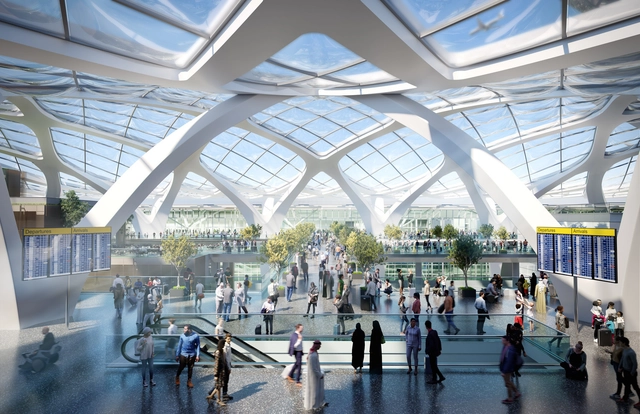
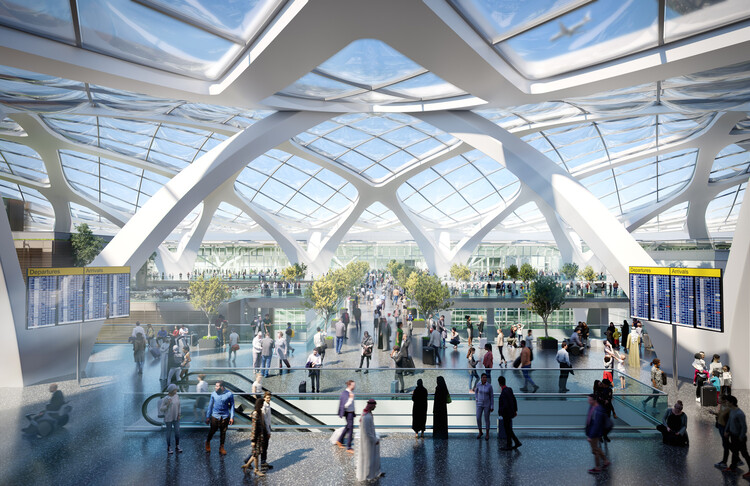
This edition of Architecture Now brings together projects that explore how architecture is reshaping global gateways, cultural destinations, and urban living. SOM's design for a new Arrivals and Departures Hall in Austin and Scott Brownrigg's Heathrow West proposal highlight the airport as a civic threshold, while Kerry Hill Architects' three-tower precinct in Brisbane emphasizes public space and subtropical landscapes in high-density housing. Zaha Hadid Architects' beachfront tower in Florida extends Miami's sculptural coastal tradition, and Pharrell Williams and NIGO's Japa Valley Tokyo introduces a temporary cultural district blending art, hospitality, and retail. Together, these initiatives reflect how infrastructure, lifestyle, and design intersect to define contemporary urban experience.


https://www.archdaily.com/1033364/from-austin-to-tokyo-architecture-now-highlights-global-projects-shaping-airports-cities-and-cultural-destinationsNour Fakharany
A Restored Module from Tokyo’s Nakagin Capsule Tower Goes on Year-Long Display at MoMA
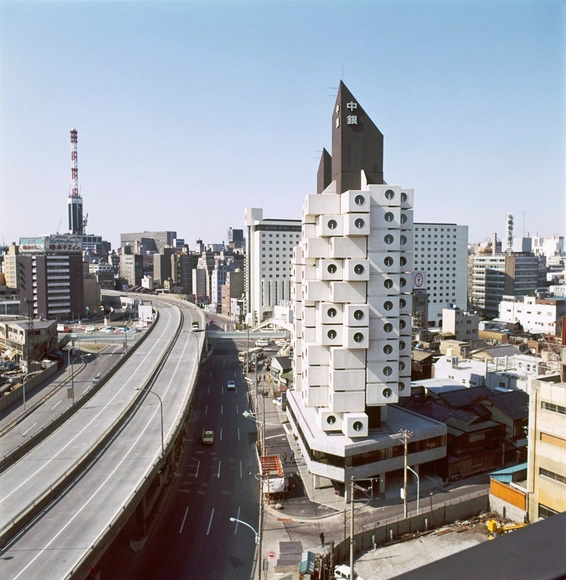
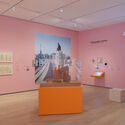
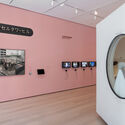
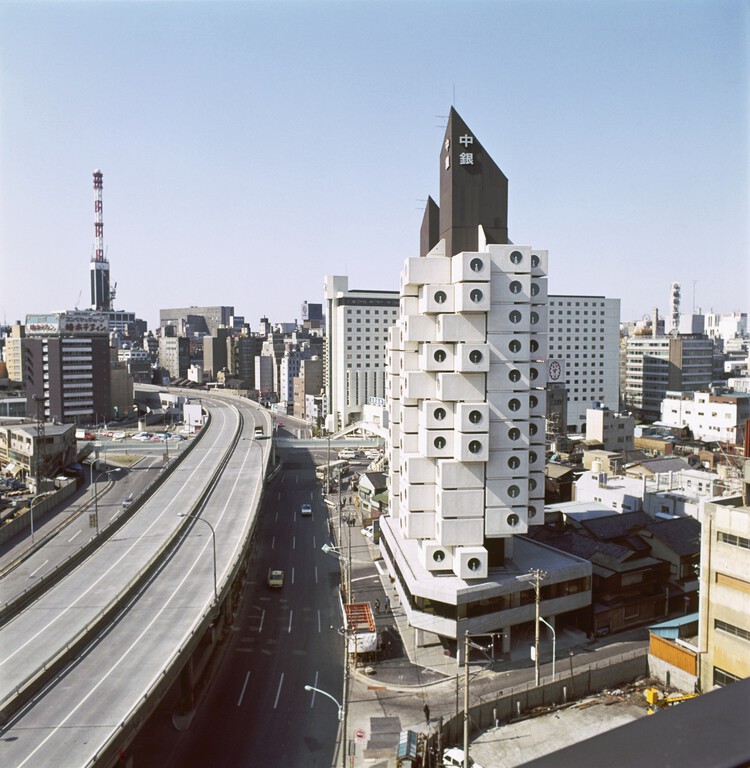
The Museum of Modern Art (MoMA) in New York is hosting an exhibition dedicated to Japanese architect Kisho Kurokawa's Nakagin Capsule Tower from July 10, 2025, through July 12, 2026. Titled The Many Lives of the Nakagin Capsule Tower, the exhibition offers a retrospective on the building's 50-year lifespan. Constructed in Tokyo's Ginza district in 1972 and dismantled in 2022, the tower is presented through contextual materials, original drawings, archival recordings, and a fully restored capsule. The exhibition invites reflection on how cities address aging buildings and the rapid transformation of urban areas. The diverse materials documenting the tower's continuous evolution over five decades encourage viewers to consider how architecture might endure by taking on new roles and functions beyond its original purpose.


https://www.archdaily.com/1032075/a-restored-module-from-tokyos-nakagin-capsule-tower-goes-on-year-long-display-at-momaAntonia Piñeiro
The World's Largest Cities in 2025 by Population
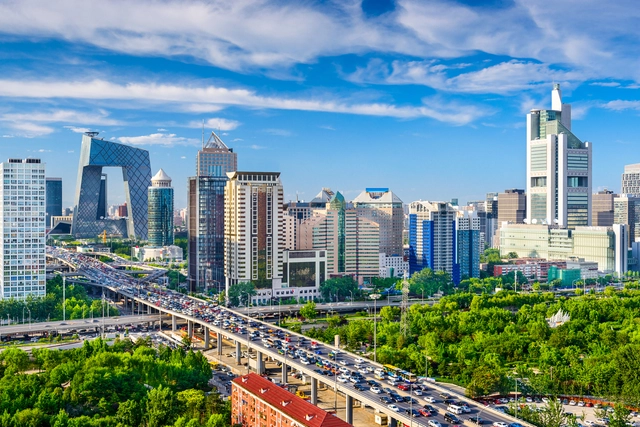
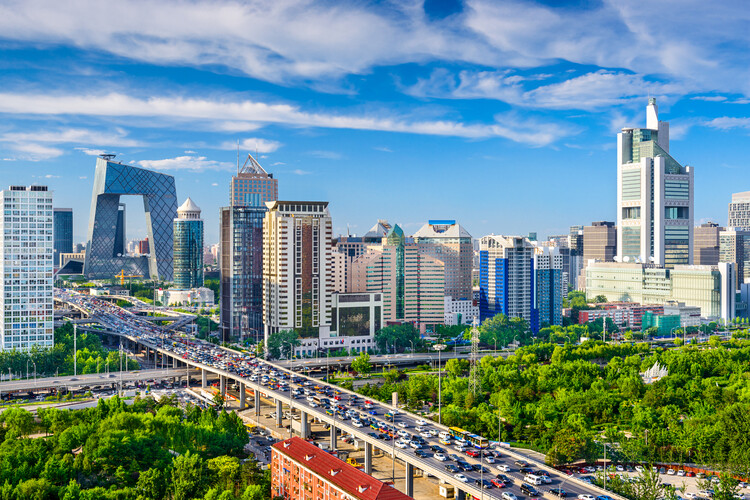
Every year, World Population Day is observed on July 11th, aiming to increase people's awareness of various population issues, such as the importance of urbanization, gender equality, poverty, health, and human rights. In 2025, under the theme "Empowering Youth to Build the Families They Want," the United Nations draws attention to the largest generation of young people in history, many of whom are coming of age in rapidly urbanizing contexts. Urban centers remain key to understanding these demographic patterns, as cities continue to attract populations seeking opportunity, stability, and access to essential services. Today, more than half of the global population resides in urban areas, a share projected to increase to 66% by 2050.


https://www.archdaily.com/1032049/the-worlds-largest-cities-in-2025-by-populationReyyan Dogan
Navigating Boundaries: The Architectural Legacy of Lighthouses
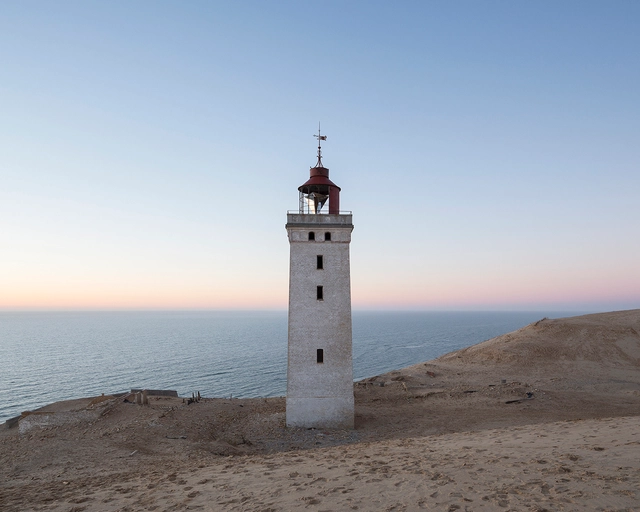
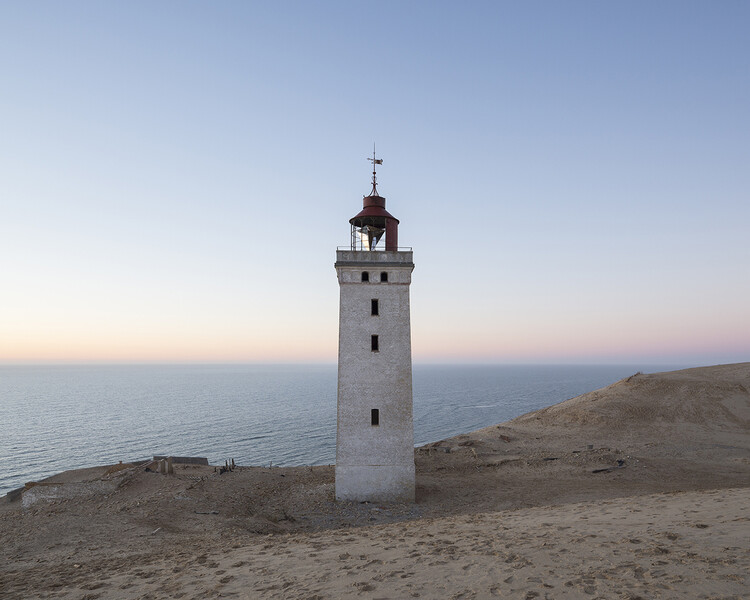
Lighthouses have stood along the margins of continents and islands for centuries as points of light in vast maritime territories. Rising in solitude from rocky cliffs, reefs, and headlands, these towers were tools for navigation and instruments of spatial clarity, shaping coastlines and marking the boundary between land and sea. Built to guide, warn, and locate, they constituted a global network of visibility long before the advent of digital mapping. Yet as maritime technologies evolved, many of these structures lost their original purpose. The typology, once essential, now stands at the edge of obsolescence. What remains is not merely an architectural relic, but a powerful spatial form — resilient, symbolic, and increasingly open to reinterpretation.


https://www.archdaily.com/1030303/navigating-boundaries-the-architectural-legacy-of-lighthousesDiogo Borges Ferreira
The New Ghibli Park in Japan: Redefining Theme Parks Through Adaptive Reuse and Sustainability
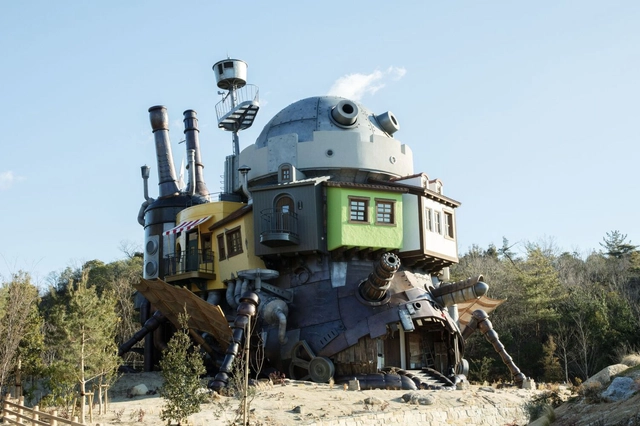
Studio Ghibli and its co-founder Hayao Miyazaki have become household names in the West, thanks to their impressive body of work, which includes over 10 feature films, 2 Oscars, and more than 100 awards worldwide. Films such as "Spirited Away" and "Howl's Moving Castle" showcase their mastery of world-building, story telling and compelling visuals which have earned them global acclaim. This has created a devoted fan base that previously only had the Studio Ghibli Museum in Tokyo to experience the films in real life. As the studio's popularity and movie portfolio grew, it became inevitable for them to expand into a larger space. That is why November 2022 marked the beginning of a new phase as the Ghibli Park opened its gates in Nagoya, Japan.


https://www.archdaily.com/1020464/the-new-ghibli-park-in-japan-redefining-theme-parks-through-adaptive-reuse-and-sustainabilityMoises Carrasco
The Kitchen in the New Spatial Economy: 5 Contemporary Design Approaches
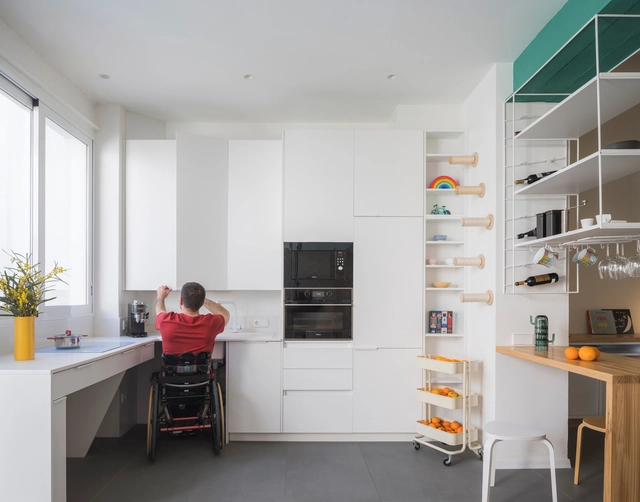
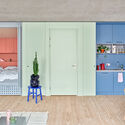
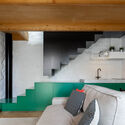
Space has become a luxury in many of the world's most densely populated cities—a growing reality that's hard to ignore. Megacities like Tokyo, Shanghai, Mumbai, Mexico City, and São Paulo already have populations exceeding 20 million, while other urban centers across Asia and Africa continue to expand rapidly. Among these, Delhi stands out: if current trends continue, it is projected to become the most populous city by 2028. As these cities expand, housing—especially new developments—follows a new logic: as square meters shrink, furniture adapts, and daily life learns to fit and thrive in high-density environments. This change isn't just about size; it reflects a new way of living. Where spaciousness once dominated, density now rules. Every corner gains spatial and commercial value, with the kitchen emerging as one of the biggest challenges in housing design today.



https://www.archdaily.com/1030485/the-kitchen-in-the-new-spatial-economy-5-contemporary-design-approachesEnrique Tovar