



-
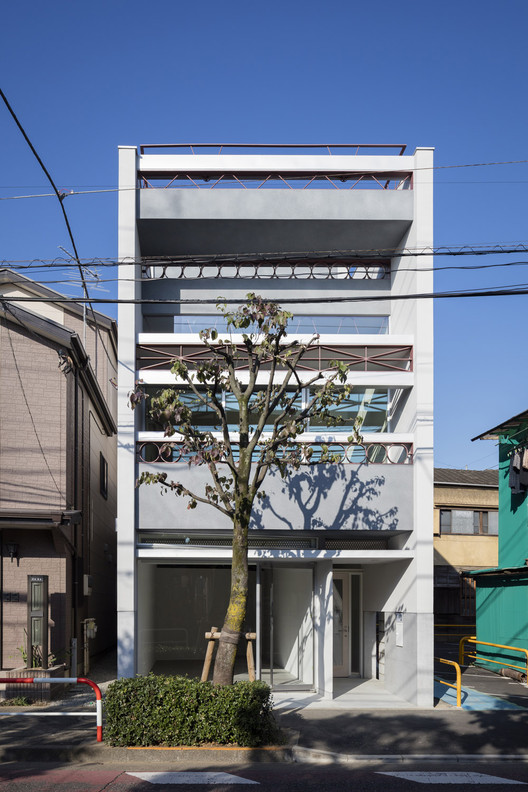
Architects: Hugo Kohno Architect Associates
- Area: 121 m²
- Year: 2017
-
Professionals: Kentaro Nagasaka Engineering Network Co.Ltd.
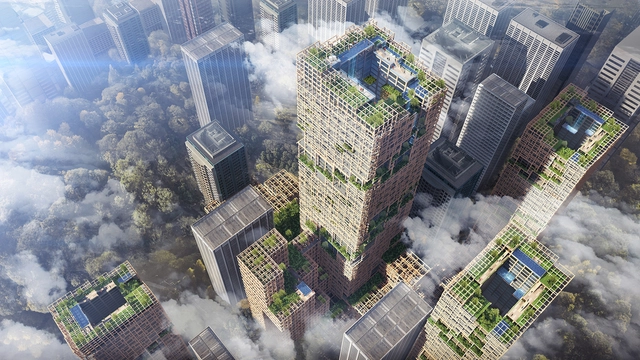
Timber tower construction is the current obsession of architects, with new projects claiming to be the world’s next tallest popping up all over the globe. But this latest proposal from Japanese company Sumitomo Forestry Co. and architects Nikken Sekkei would blow everything else out of the water, as they have announced plans for the world’s first supertall wood structured skyscraper in Tokyo.
At 1,148 feet tall, the proposal outpaces similar timber-structured highrise proposals including Perkins + Will’s River Beech Tower and PLP Architecture’s Oakwood Tower.
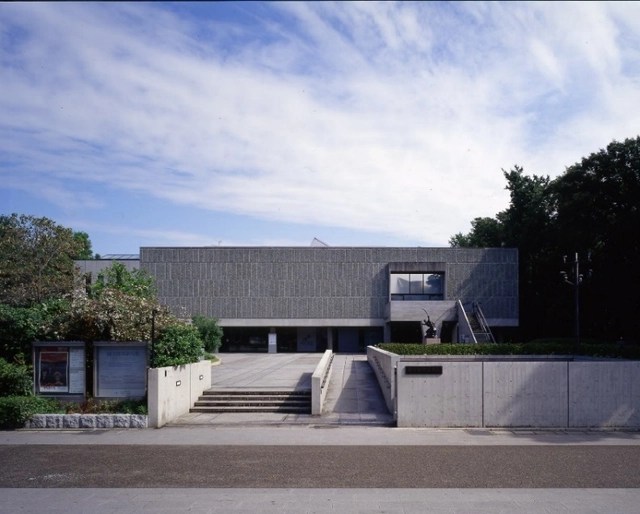
The Getty Conservation Institute has announced a workshop to address the care and conservation of three museums designed by Le Corbusier. The three museums are the only museums designed by the prolific architect. The workshop will be held in India, where two of the three museums are, with municipal corporations from Ahmedabad and Chandigarh serving as hosts for the event. The Foundation Le Corbusier, located in Paris, will also be assisting with the workshop.
Japan's renowned architect Kengo Kuma is the latest to feature in PLANE—SITE's video series Time-Space-Existence, exploring the inner workings of his Tokyo office and how the Japanese financial crisis of the early 1990s shaped his firm.
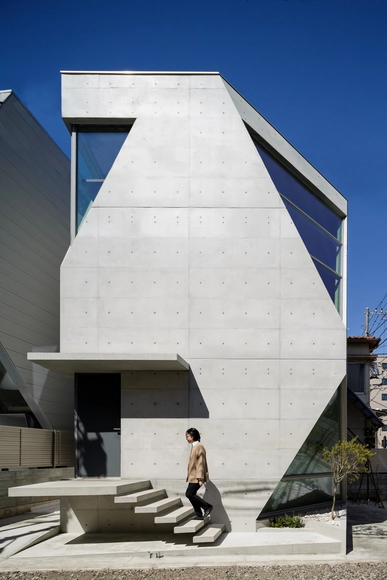
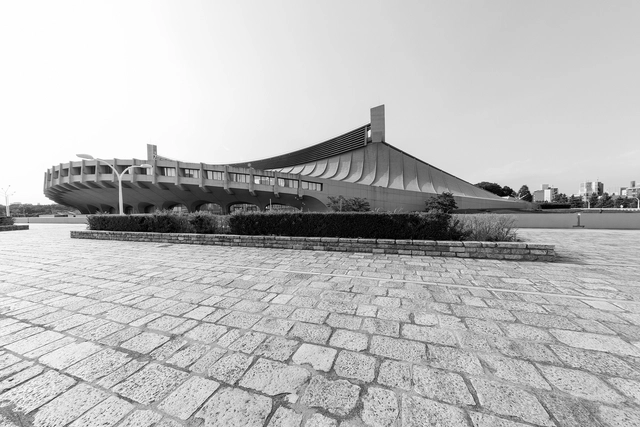
London-based publisher Blue Crow Media’s architectural guide series continues with Concrete Tokyo Map. A collaboration with design writer Naomi Pollock and photographer Jimmy Cohrssen, the map lays out 50 of Tokyo’s concrete wonders.
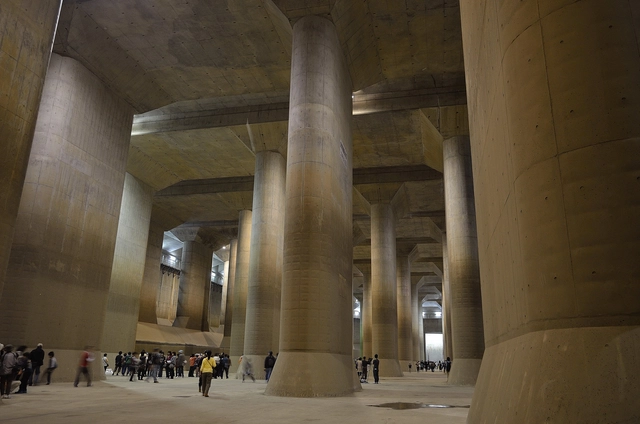
Rising sea levels, and the potential of extreme conditions globally, are threatening coastal cities around the world. While the Netherlands are often considered to be leading the engineering battle against the tides, Japan—with a renewed sense of urgency—are investing heavily in high-end systems and infrastructure to protect their largest metropoli.
In his latest video, filmmaker Vincent Hecht takes us inside Toyo Ito's Tama Art University Library. The project is notable for its effortless geometry, with the entire building comprising a series of simple concrete arches which, when combined, create a complex "emergent grid" which allowed for great flexibility in the building's plan. Hecht's video shows how this geometry works in practice, as the elements of the library snake through the building's light, open interior.

Theme: “The Reconstruction of Commons Today”
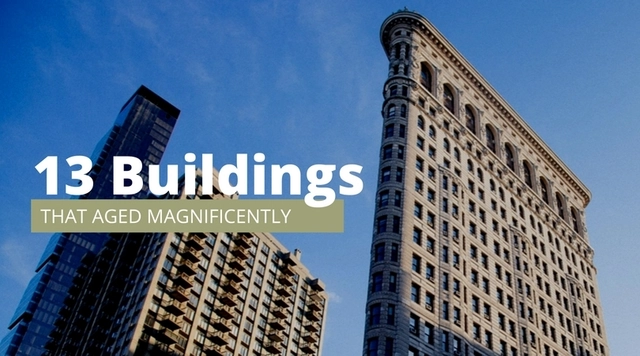
Humanity always cherishes great works of art that stand the test of time. This June, for example, marks the 50th anniversary of The Beatles’ psychedelic Sgt. Pepper's Lonely Hearts Club Band, and the 20th anniversary of Radiohead’s dystopian Ok Computer. These psychologically satisfying birthdays have generated serious appreciation and nostalgia. Similarly, we also love to praise the longevity of innovative architecture. The AIA bestows an annual “Twenty-five Year Award” to acknowledge projects that have "stood the test of time” and “exemplify design of enduring significance.” But one project a year seems stingy. Below are 15 modern classics which, though not always given the easiest start in life, we’ve come to adore:

Located in Tokyo's Sumida Ward, in which Sumida Hokusai (Katsushika Hokusai) was born and spent the majority of his life, this museum—completed in November 2016 to designs by Kazuyo Sejima—is a temple to the Japanese artist's work, including the likes of The Great Wave off Kanagawa and Red Fuji. Sejima, who was awarded the Pritzker Prize in 2010, is commonly known as one-half of SANAA (alongside Ryue Nishizawa). This project, while seeking to celebrate Hokusai's work, has also been designed as a cultural beacon. In this photoset, photographer Laurian Ghinitoiu has turned his lens to the new cultural landmark.
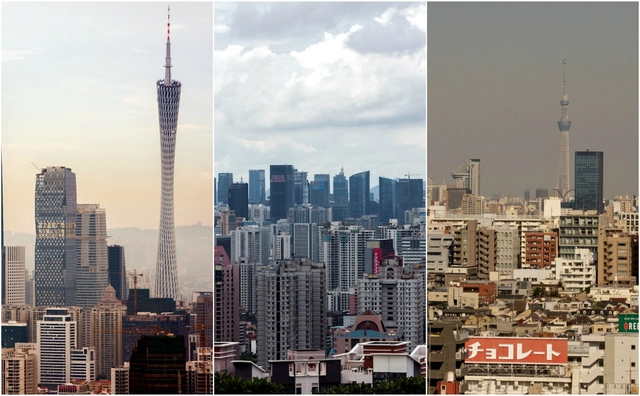
There’s a lot that the presence of skyscrapers can say about a city. They can be indicators of anything from wealth to modernization to density, or a combination of all three, depending on where you look. This potential to observe trends in a city through the height of its buildings makes data on those buildings valuable to a multitude of industries, so companies like Emporis conduct and distribute research on topics like the newest, tallest, and most expensive buildings in the world. Keep reading to find out about the ten tall cities that are home to the largest number of skyscrapers—as defined by Emporis' definition of a building that is 100 meters or more.
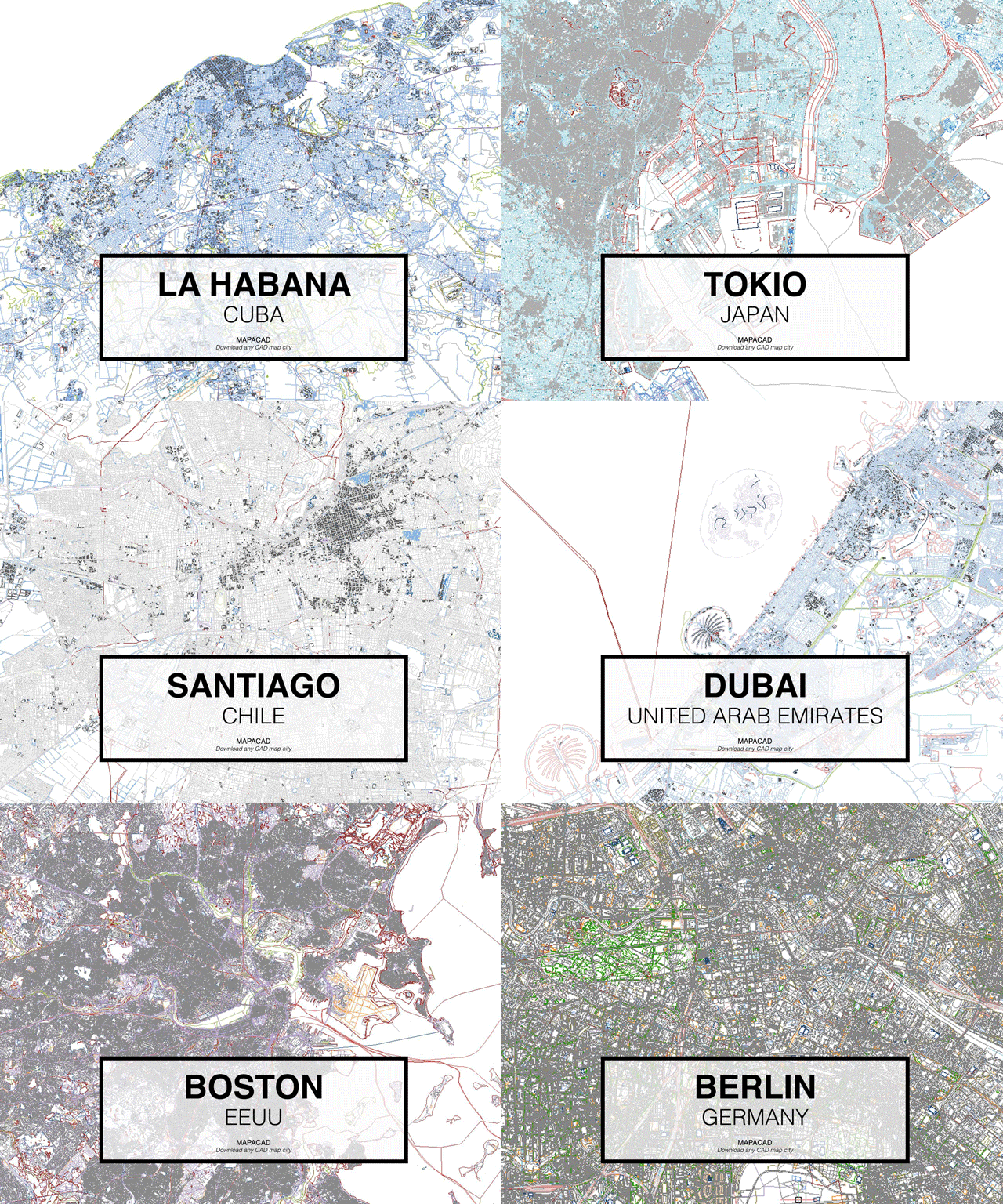
Mapacad is a website that offers downloads of .dwgs of dozens of cities. With 200 metropolises in their database, the founders have shared a set of their most-downloaded cities.
The files contain closed polyline layers for buildings, streets, highways, city limits, and geographical data--all ready for use in CAD programs like Autocad, Rhino, BricsCad and SketchUp.
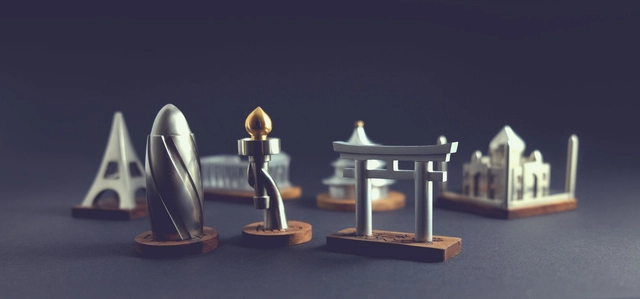
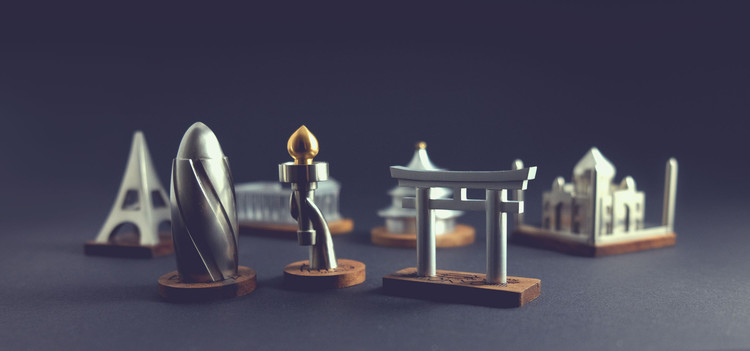
Russian designer Konstantin Kolesov has created a collection of finely-crafted souvenirs celebrating iconic architectural landmarks from around the globe. The Jsouv Collection consists of 15 pieces, depicting landmarks from New York, London, Tokyo, Dubai and more. Crafted from solid aluminum, the souvenirs are accompanied by a natural walnut base engraved with a 2D emblem of the city in question. With the souvenirs currently being crowdfunded on Indiegogo, Jsouv is also offering a t-shirt collection with unique prints of each city and landmark.