


-
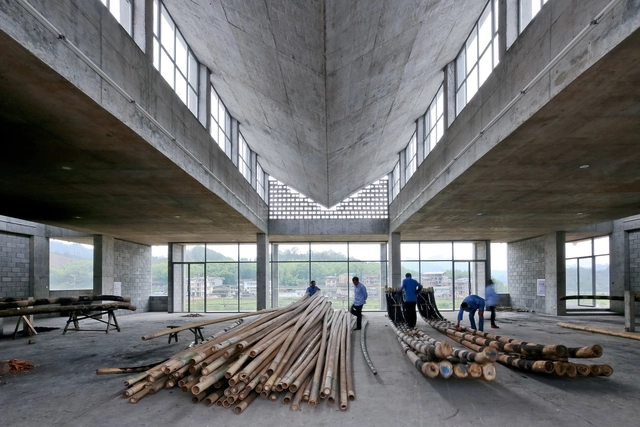
Architects: TAO - Trace Architecture Office
- Area: 14629 m²
- Year: 2013
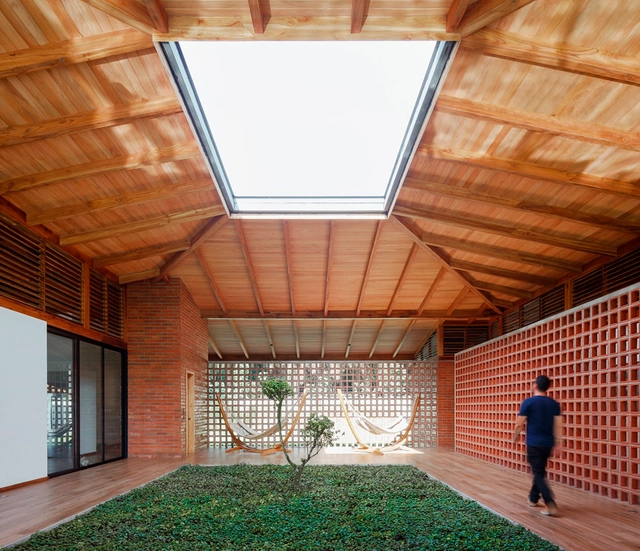
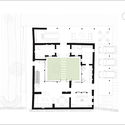
Inner courtyards and gardens can provide many benefits, such as natural light, better ventilation, and increased contact with nature without losing privacy.
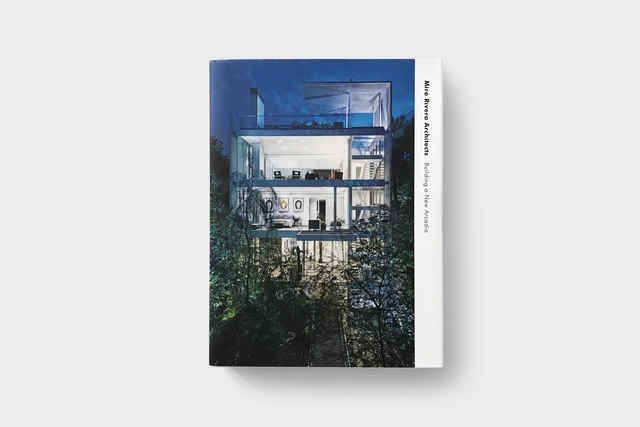
The acclaimed studio Miró Rivera Architects has published a 448-page monograph, entitled Miró Rivera Architects: Building a New Arcadia. Designed by the award-winning architects, the book features 20 of the firm’s most remarkable projects brought to life through 230 color photographs and 95 drawings. Featuring essays by notable thinkers and cutting-edge practitioners in the fields of architecture and urban design, Building a New Arcadia situates the firm’s diverse portfolio in a global context related to concepts of nature, sustainability, history, and urban design.

As a mid-career design-professional, what avenues exist for investigating questions and problems that arise from being embedded in practice? What opportunity is there for exploring or articulating an idea for a type of project or organizational structure that could improve professional practice?
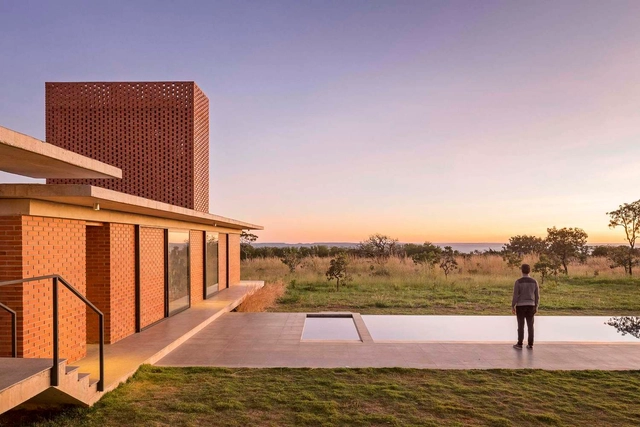
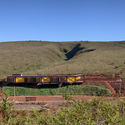
The Cerrado is a vast tropical savanna ecoregion of Brazil, a biome consisting of low trees, sparse shrubs, and grass, occupying an area of more than 2 million km² – about 23% of the national territory – covering most of the eastern, southern, and central portions of the country, particularly in the states of Mato Grosso, Mato Grosso do Sul, Goiás, Minas Gerais, Piauí, the Federal District, Tocantins and part of the states of Bahia, Ceará, Maranhão, São Paulo, Paraná, and Rondônia.
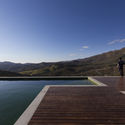
We invite you to discover the landscapes of the Cerrado through architecture. Check out the following 10 projects located in various areas of the second largest biome in South America.
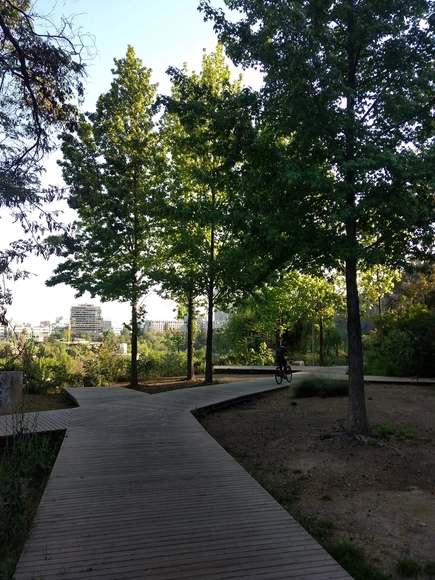
In the early modern period, Taoist monks cultivated Bonsai trees seeking to bring their beauty from the outside to the inside, considering them a link between the human and the divine. Likewise, in the 18th century, different tree-lined walks and avenues arose on the outskirts of some European cities, generating spaces for rest and socialization that were previously non-existent in cities at that time.
In cities today, trees are essential elements in the urbanization process and act as irreplaceable counterpoints to manmade constructions for spatial harmony. Choosing appropriate tree species and maintaining them correctly generates countless benefits, such as acoustic and visual insulation, temperature regulation, the generation of biological corridors, and control of wind speeds. The main mistake planners can make when choosing tree species is forgetting that they are living beings and have specific needs.
What should we consider to pick them correctly?
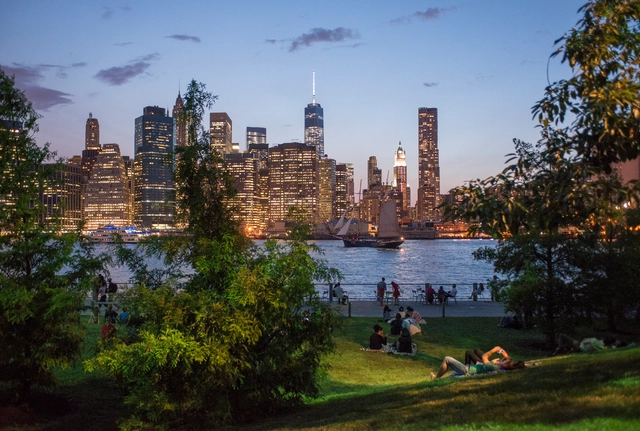
If you are in a place impacted by the COVID-19 pandemic, spending 20 minutes experiencing nature in a park, street, or even your backyard can significantly reduce your stress levels. Just be sure to follow federal, state, and local guidelines and maintain social distancing of 6 feet or 2 meters. But even if you cannot or are unable to go outside, taking a break by opening a window and looking at a tree or plant can also help de-stress.

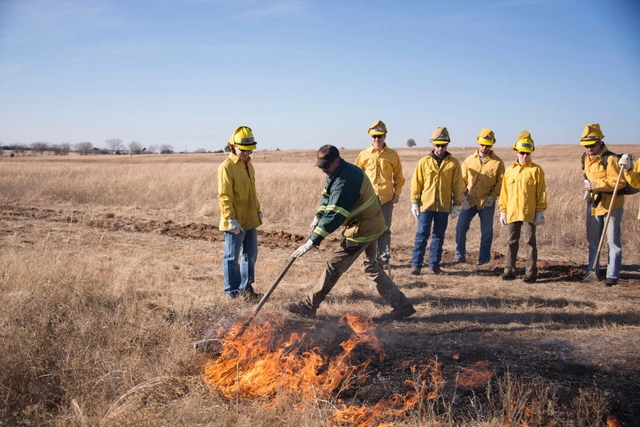
Spurred by disasters like Hurricane Katrina and Superstorm Sandy, cities across the United States have, over the past 15 years, learned to “live with water.” After more than a century of filling wetlands, damming rivers, and diverting streams and stormwater flows into concrete channels, public officials, influenced by a coterie of landscape architects and planners, have embraced the opposite strategy, investing in open space networks that use dynamic natural systems to slow, store, and absorb floodwaters.

.jpg?1603313837&format=webp&width=640&height=580)
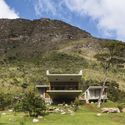
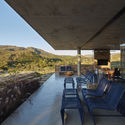
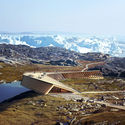
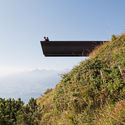
Building in nature constitutes a contradiction, as architecture enables immersive access to the landscape, while at the same time, natural landmarks are being slowly engulfed by tourists. The human presence in natural landscapes is an interplay of scales, a juxtaposition of archetypal shelters against the vast sceneries, as well as a negotiation between access to the landscape and environmental conservation. Exploring a variety of attitudes and formal strategies, the following takes a look at what could be learned from the experiences and design philosophies of several architects and practices that have perfected ways of addressing architecture in the landscape.
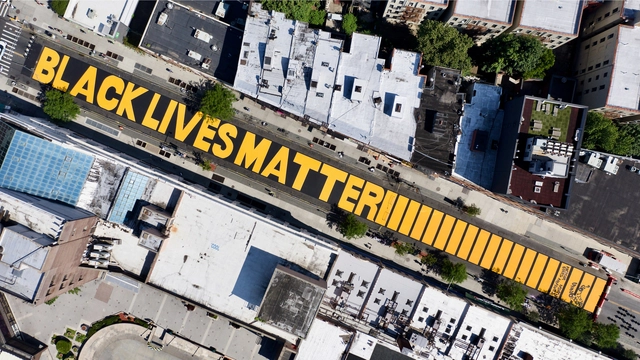
Over two days, approximately 500 online participants together set the agenda, formed and dissolved discussion groups, and shared knowledge and resources. With the assistance of an “open space” facilitator, this is how Cut|Fill, a virtual "unconference” on landscape architecture, unfolded.
Organized by the Urban Studio and Ink Landscape Architects, Cut|Fill was meant to “raise questions we all want to discuss,” explained Andrew Sargeant, ASLA, a founder of Urban Studio. One of those important questions: “how can landscape architects design with empathy and end dismissive behavior towards people of color?”
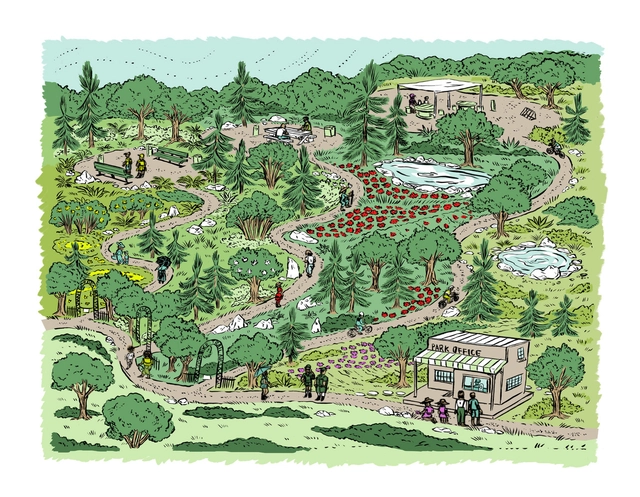
As the pandemic has worn on, the American public has adopted parks and neighborhood streets as safe spaces. This will not be a short-lived phenomenon –bikes have been repaired, running shoes purchased, and puppies adopted. People are growing accustomed to spending time in the outdoors to exercise, spend time with family, enjoy nature –and take that growing puppy for walks.
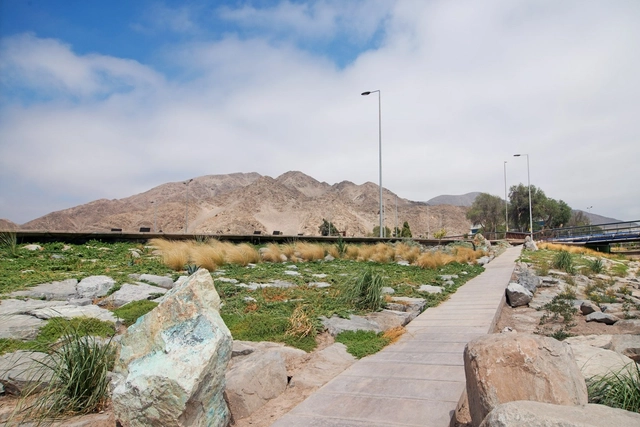
Does it make sense to design green parks in desert cities such as Casablanca, Dubai, or Lima? Ostensibly it does because they contribute freshness and greenness to the urban environment. In exchange, however, they disrupt native local ecosystems, incur high maintenance bills, and begin a constant struggle to ensure water availability.
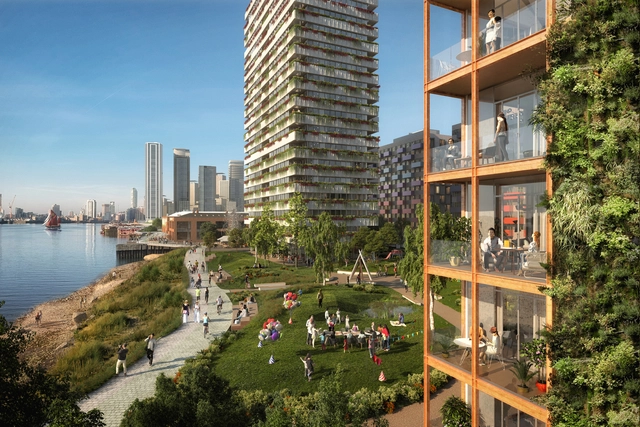
Regeneration specialist U+I submitted plans for Morden Wharf in June 2020, comprising 1,500 new homes, employment spaces, and a landscaped park along 275m of the River Thames. Located on Greenwich Peninsula in London, the mixed-use scheme designed by OMA includes more than six acres of the high-quality public realm, 12 high quality, and tenure-blind residential buildings, as well as commercial, retail, and community spaces.
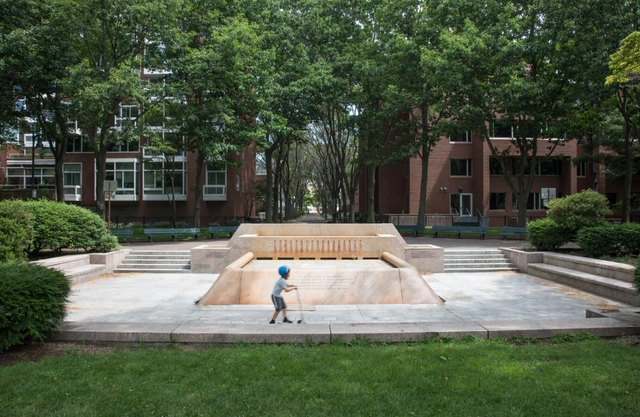
The Cultural Landscape Foundation (TCLF) has released its 2020 edition of Landslide, an annual in-depth report produced by the Washington, D.C.-based nonprofit that profiles—and raises awareness of—a geographically diverse number of at-risk American parks, gardens, horticultural features, working landscapes, and “and other places that collectively embody our shared landscape heritage.”
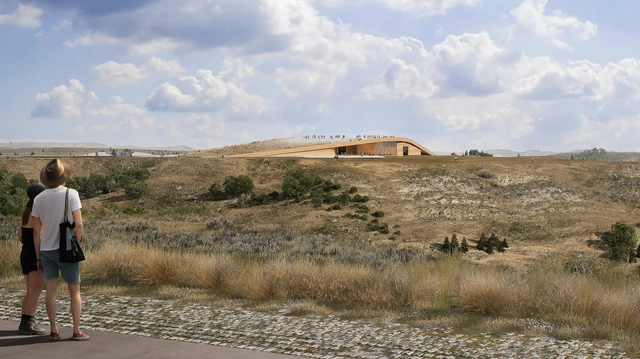
Snøhetta was selected as the winner of the Theodore Roosevelt Presidential Library Competition. Selected from three shortlisted proposals in the last step of the contest, including Studio Gang and Henning Larsen, the winning project “is informed by the President’s personal reflections on the landscape, his commitment to environmental stewardship, and the periods of quiet introspection and civic engagement that marked his life”.
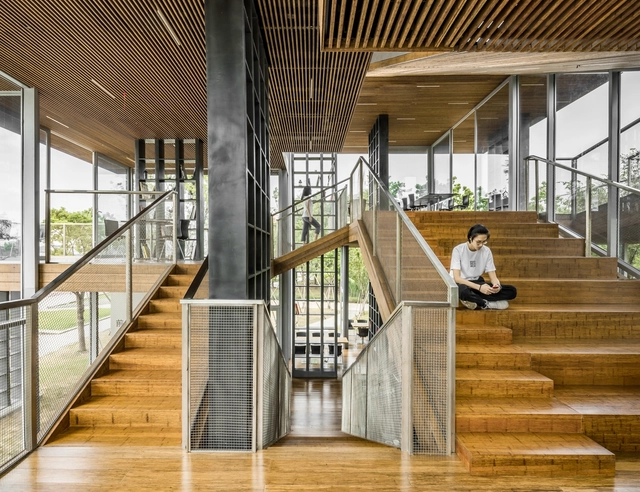
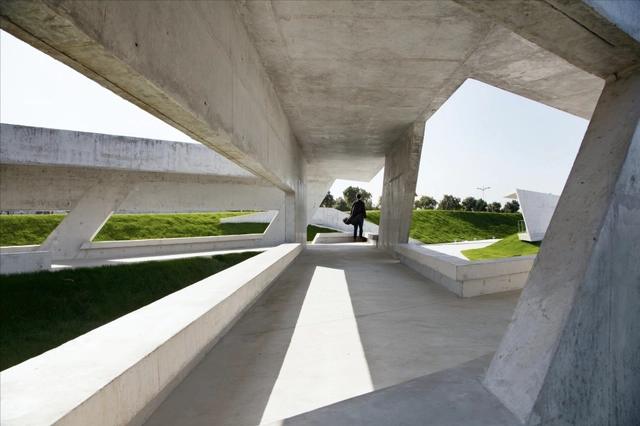
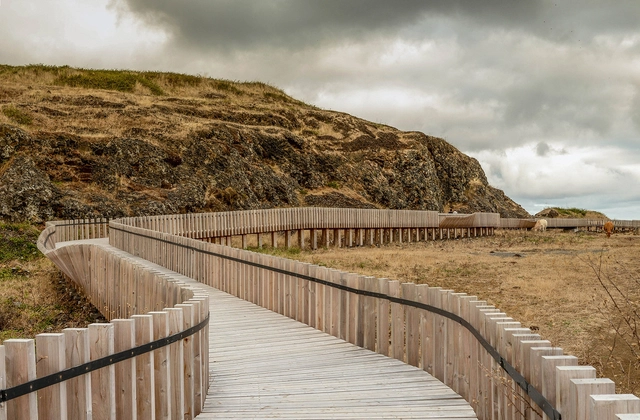
Modern Portuguese architecture has a renowned tradition of exploring the virtues of the landscape, either by integrating or emphasizing the natural elements to create new landscapes that result from the overlapping of culture and nature. Some fine examples are the Boa Nova Tea House and the Leça da Palmeira Tide Pools, both designed by Álvaro Siza, reacting to the rocky seascape where they lie, each in its own way.
However, it is not just Modern Architecture that is concerned with the landscape. In Portugal, contemporary works have been revealing exciting examples of the possibilities of approaching the natural environment, exploring its potential without compromising its integrity. To illustrate this, we have gathered 12 contemporary projects that use different resources to explore the relationship between natural and built.



.jpg?1603313837)