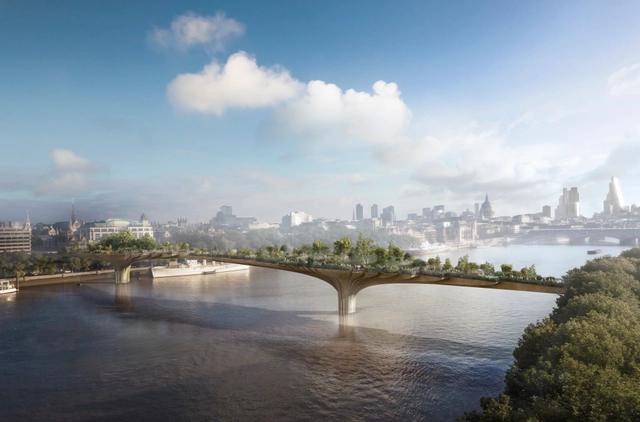
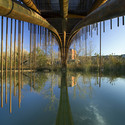
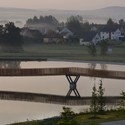
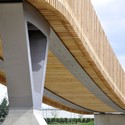
After winning a Transport for London (TfL) tender for ideas to improve pedestrian access across the River Thames, Thomas Heatherwick and Arup unveiled plans for a new, 367-meter long ‘Garden Bridge’ that will span the river from Temple to the Southbank. The lush pedestrian corridor, earmarked for opening in 2017, would be the first new crossing since the Millennium Bridge opened to the public in 2002.
More details and updated images after the break...
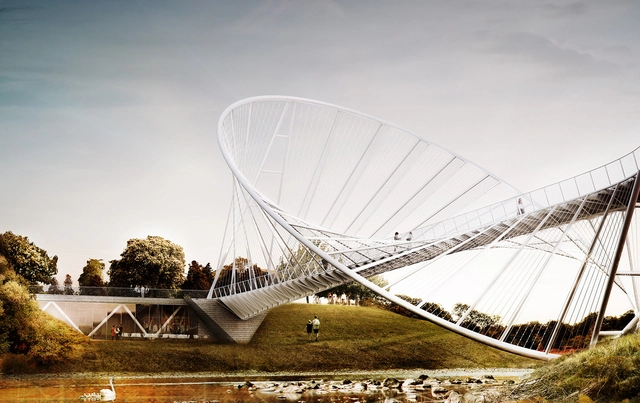
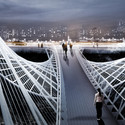
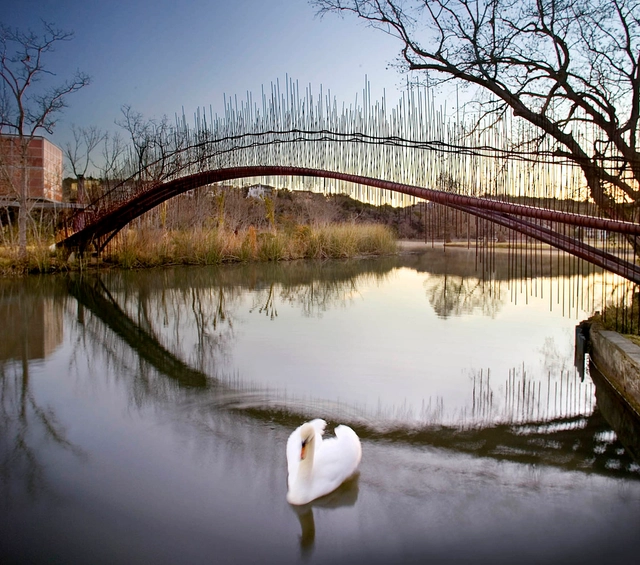
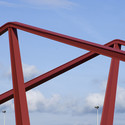
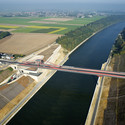
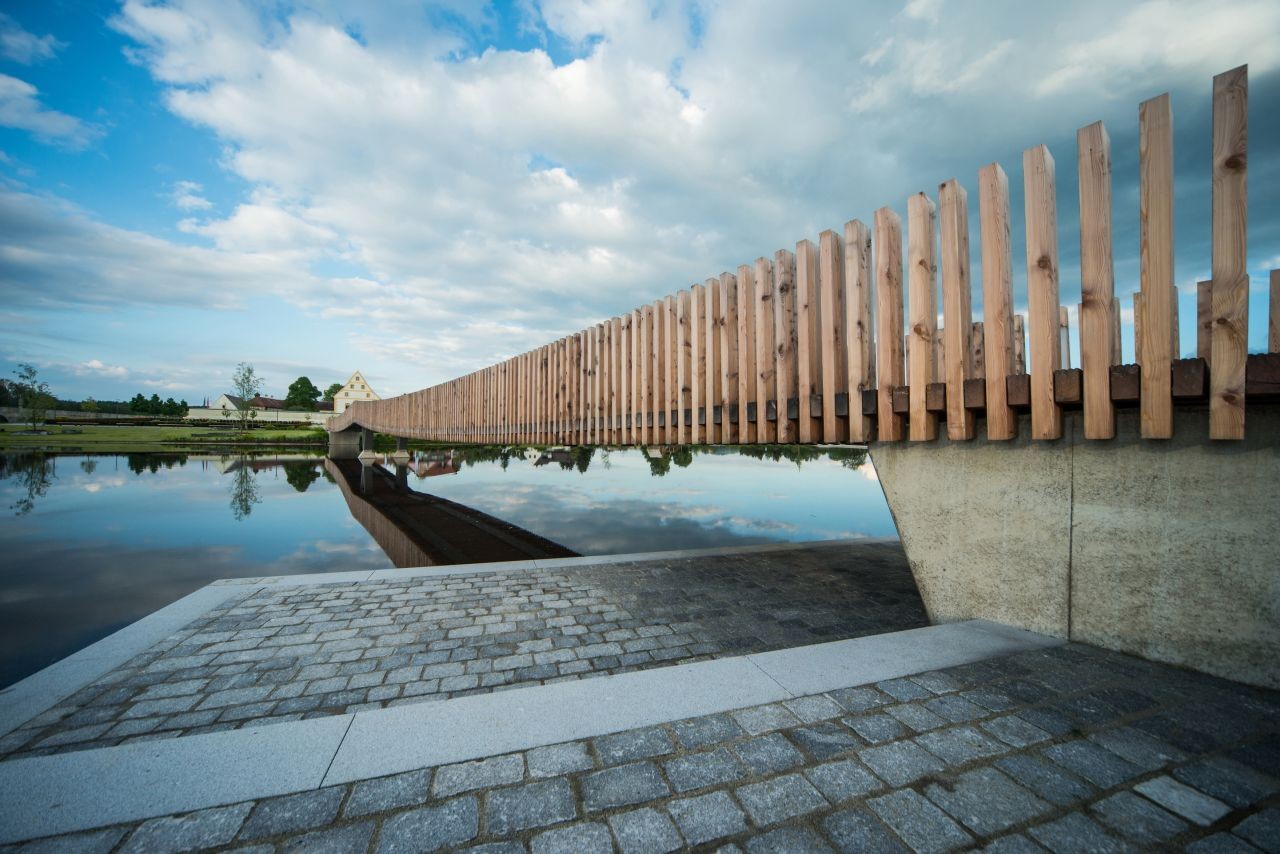
The "O" is an elegantly simple concept, manifesting itself as a striking reinterpretation of a traditional pedestrian bridge. The multifaceted bridge offers unique and evolving perspectives to approaching pedestrians, culminating in a mesmerizing ellipse that engulfs those crossing the Irwell River. "Creating an inviting gesture for the Salford meadows was a main goal," says Precht, we envisioned "a transition space, where the structure almost hugs you."
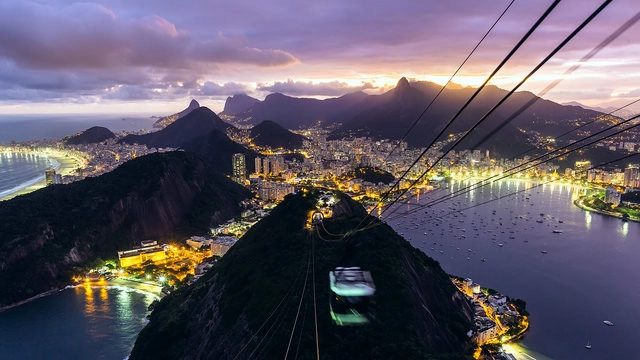
In this article, which originally appeared on the AIArchitect, Sara Fernández Cendón discusses the opportunities and challenges for US architects who are taking advantage of Brazil's infrastructure development boom, particularly in the wake of the 2014 FIFA World Cup and in preparation for the 2016 Summer Olympics.
Until Brazil was selected to host the FIFA World Cup in 2014 and the Summer Olympic Games in 2016, only three countries had hosted both events back-to-back. Successful bids for either event are usually equal parts proof that the country already has what it takes and a promise that it will do whatever else necessary to make things run smoothly.
In Brazil’s case, the “promise” part has generated a handful of projects for architectural firms around the world; Populous is responsible for conceptual design a stadium in the city of Natal, for example. And some observers believe that World Cup building delays could generate a rush of last-minute opportunities for foreign construction professionals. But even if these two headline-grabbing events haven’t been fully planned and designed by foreigners new to Brazil, the country is evolving into an emerging market for American architects, built on its intense thirst for upgraded commercial and transit infrastructure.
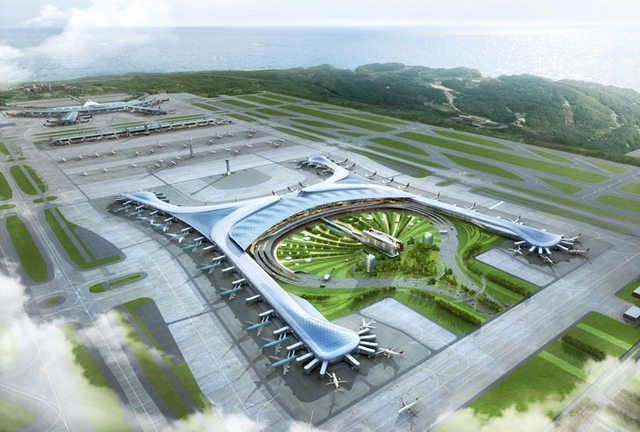
A few days ago, Korea's Incheon International Airport broke ground on its latest addition, Terminal 2. Gensler, in collaboration with the HGMY Consortium, designed the $2.5 billion project that will double the size of the country's busiest airport with its 72 gates and 7.4 million square feet of space. The project includes a second airport control tower, train station, parking facilities and an airside Intra Airport Transit (IAT).
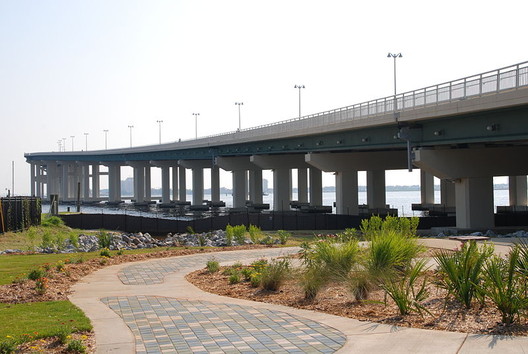
In the wake of Hurricane Katrina, design charettes involving the Gulf coast community led to many proposals, ranging from the large-scale (establishing Gulfport as a major harbor city) to the more personal (bike paths). Eight years after the fact, many of these projects are still in progress, or have yet to begin - but the outlook remains bright. The Sun-Herald's Michael Newsom explores the background behind these efforts, and explains the hurdles they’ve faced along the way. Read the full piece here.
https://www.archdaily.com/428866/eight-years-later-a-post-katrina-report-cardKatherine Allen