1. ArchDaily
  2. Europe

Europe: The Latest Architecture and News

Evolution of the House Plan in Europe: from the Industrial Revolution to the Interwar Period

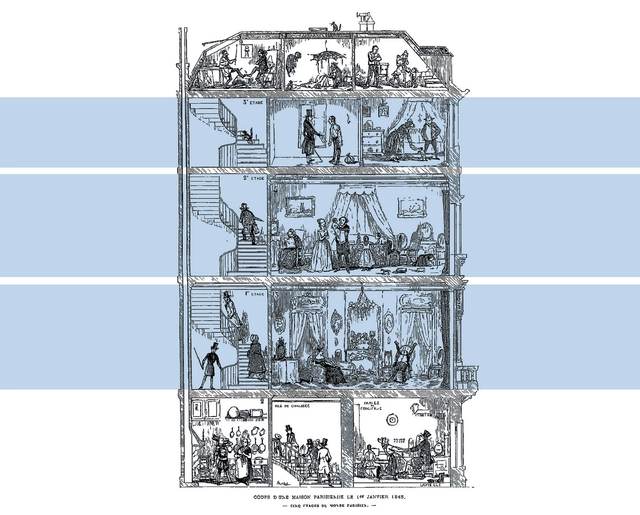
The introduction of new techniques and materials, along with innovations in indoor plumbing systems, resulting from the industrial revolution, paved the way for vertical living. Investigating specifically a period of time where a flux of population was driven to cities, and social class divisions were being questioned, this article looks back at the evolution of the house plan in Europe between 1760 and 1939.

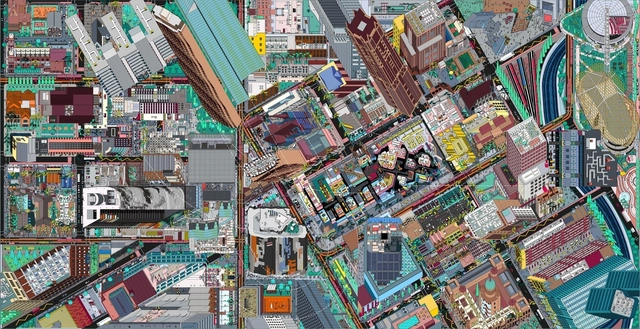
Tackling the transformation of the housing unit during the industrial revolution all the way to the interwar period, this feature highlights four prominent examples that rethought traditional layouts and responded to the challenges of their time. Still influential today, the mentioned models, restored for use, happen to be part of the 21st-century urban fabric. Located in London, Paris, Amsterdam, and Moscow, the plans showcase the ever-changing interior wellbeing standards, directly linked to a broader metamorphosis, equalizing and providing for growing urban populations. Discover the evolution of living units from the Back to Back Houses to the Garden Cities of England; the Haussmannien Block, a Vertical Living for a Modern Bourgeoisie; the Extension of Amsterdam, from Alcove Housing to Social Housing Blocks; and the Transition Type House in Russia.

Evolution of the House Plan in Europe: from the Industrial Revolution to the Interwar Period  - Image 1 of 4Evolution of the House Plan in Europe: from the Industrial Revolution to the Interwar Period  - Image 2 of 4Evolution of the House Plan in Europe: from the Industrial Revolution to the Interwar Period  - Image 3 of 4Evolution of the House Plan in Europe: from the Industrial Revolution to the Interwar Period  - Image 4 of 4Evolution of the House Plan in Europe: from the Industrial Revolution to the Interwar Period  - More Images+ 16

Uncovering The Hidden Gems Of Brutalism In Madrid

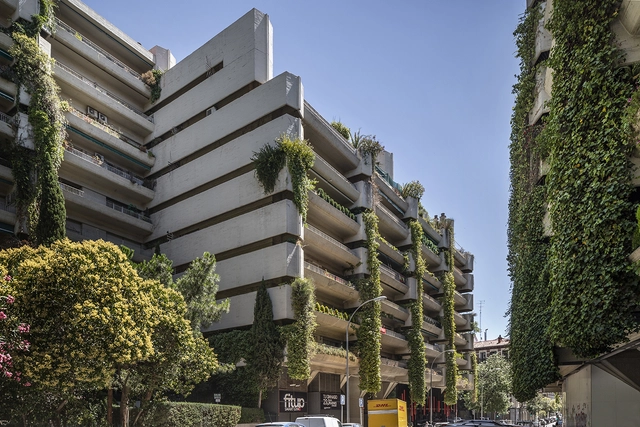
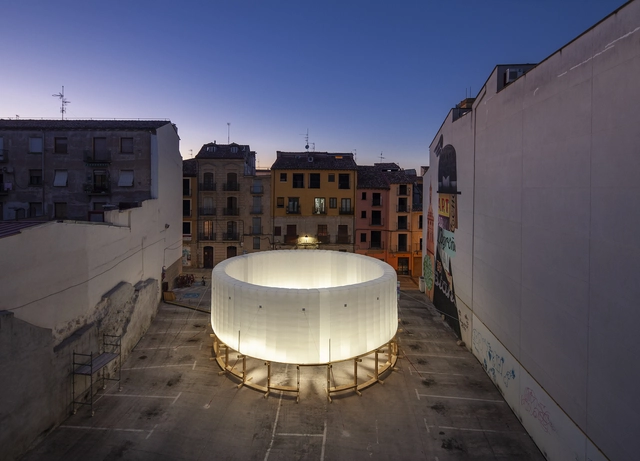
The city of Madrid can be viewed as a place that is representative of all the architectural styles found on the European continent. 16th-century Renaissance buildings and 18th-century Baroque buildings all co-exist in harmony with more modern architectural styles such as Art Deco or the expressive contemporary architecture of recent years. Iconic contemporary architecture firms such as Herzog & de Meuron and Rogers Stirk Harbour + Partners, with projects such as the BBVA Headquarters and Madrid-Barajas Airport Terminal, have all played a part in defining Madrid’s architectural character too, making for a city with highly varied and distinct streetscapes.

Uncovering The Hidden Gems Of Brutalism In Madrid - Image 1 of 4Uncovering The Hidden Gems Of Brutalism In Madrid - Image 2 of 4Uncovering The Hidden Gems Of Brutalism In Madrid - Image 3 of 4Uncovering The Hidden Gems Of Brutalism In Madrid - Image 4 of 4Uncovering The Hidden Gems Of Brutalism In Madrid - More Images+ 7

The 2022 Edition of the EU Mies van der Rohe Award Reveals First 449 Nominated Works

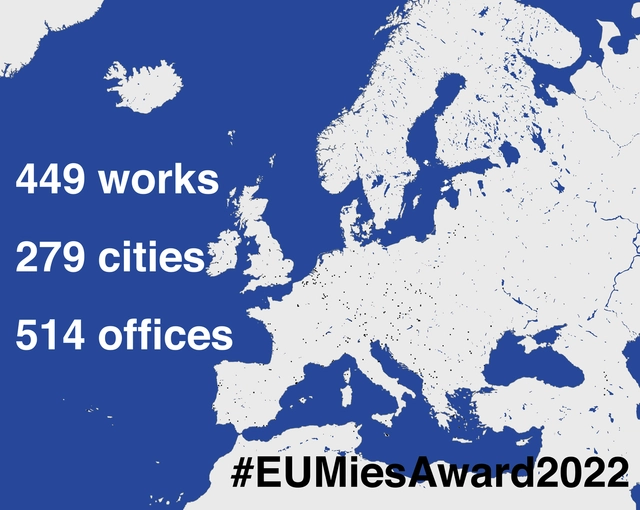
The European Union Prize for Contemporary Architecture, the Mies van der Rohe Award has just announced the first 449 works competing in its 2022 edition. Selected from 279 cities in 41 countries, the projects have been nominated by European independent experts, the national architecture associations, and the Prize Advisory Committee.

The 2022 Edition of the EU Mies van der Rohe Award Reveals First 449 Nominated Works - Image 1 of 4The 2022 Edition of the EU Mies van der Rohe Award Reveals First 449 Nominated Works - Image 2 of 4The 2022 Edition of the EU Mies van der Rohe Award Reveals First 449 Nominated Works - Image 3 of 4The 2022 Edition of the EU Mies van der Rohe Award Reveals First 449 Nominated Works - Image 4 of 4The 2022 Edition of the EU Mies van der Rohe Award Reveals First 449 Nominated Works - More Images+ 10

Cities on the Move: What the Experts Predict for the Future of Urban Mobility

In our increasingly urbanized world, everything and everyone has adopted a lifestyle of nomadism. New environmental and social constraints have forced people to have a constant "on-the-go" behavior, so much so that almost everything has acquired wheels, even the buildings. But with the rise of debates like "is humankind being replaced by robots?" and "is technology taking over?", urban mobility has helped give access to housing, healthcare, and education in places with extreme difficult conditions.

To shed the light on globally-thriving mobile activities, the France-based Institut pour Ville en Mouvement, or City on the Move Institute, is an organization that has been addressing the challenges posed by urban mobility and contributing to the emergence of innovative solutions. In a series of short Youtube clips, the organization invited experts in the fields of architecture, urban planning, and technology to share their insights on the future of urban mobility.

GRAFT Designs Modular Ultra-Charging Stations for E.ON Drive

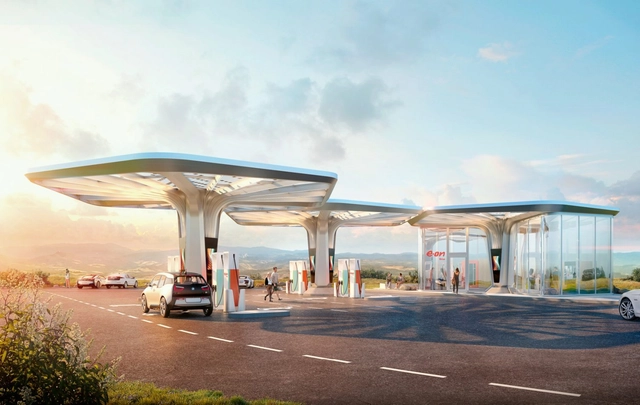
GRAFT and Brandlab have created a prototype for an ultra-fast charging station for E.ON Drive in Europe. The extendable system of modules was made to adapt to different sites and parking conditions. Reimagining the stopover for the future, the project focuses on user experience and integrated design as filling stations evolve over time. The design features a steel skeleton roof structure that can be customized with diverse panel materials, photovoltaics and responsive lighting.

GRAFT Designs Modular Ultra-Charging Stations for E.ON Drive - Imagem 1 de 4GRAFT Designs Modular Ultra-Charging Stations for E.ON Drive - Imagem 2 de 4GRAFT Designs Modular Ultra-Charging Stations for E.ON Drive - Imagem 3 de 4GRAFT Designs Modular Ultra-Charging Stations for E.ON Drive - Imagem 4 de 4GRAFT Designs Modular Ultra-Charging Stations for E.ON Drive - More Images+ 1

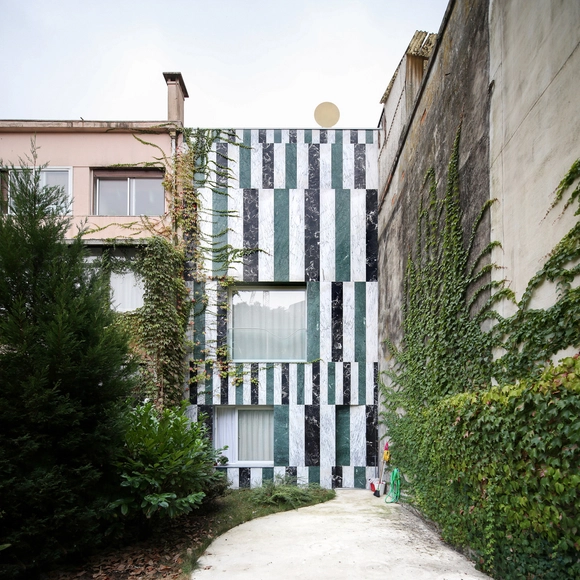
From Playful Methodologies to Fictional Possibilities: 5 Emerging Practices in Europe

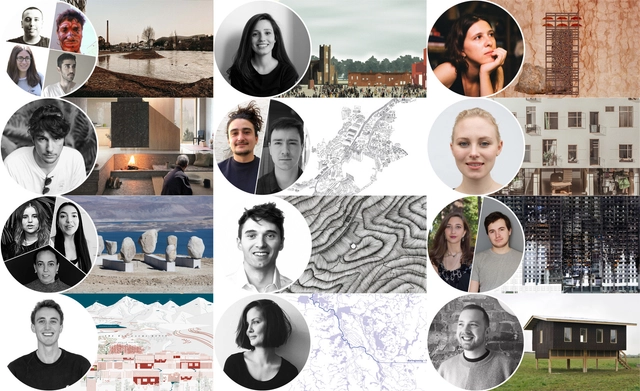
Five emerging architecture studio profiles from Portugal, Spain, France, and the Czech Republic have been chosen by New Generations, a European platform that analyses the most innovative emerging practices at the European level, providing a new space for the exchange of knowledge and confrontation, theory, and production. Since 2013, New Generations has involved more than 300 practices in a diverse program of cultural activities, such as festivals, exhibitions, open calls, video-interviews, workshops, and experimental formats.

Subscriber Access

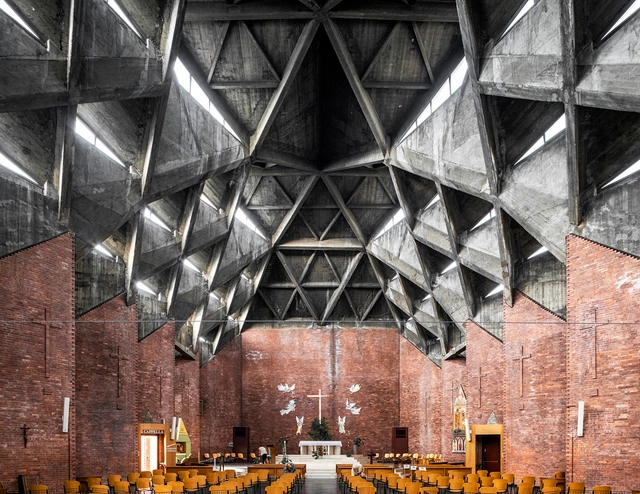
Europe's Brutalist Churches and Chapels, by Stefano Perego

Europe's Brutalist Churches and Chapels, by Stefano Perego - Image 1 of 4Europe's Brutalist Churches and Chapels, by Stefano Perego - Image 2 of 4Europe's Brutalist Churches and Chapels, by Stefano Perego - Image 3 of 4Europe's Brutalist Churches and Chapels, by Stefano Perego - Image 4 of 4Europe's Brutalist Churches and Chapels, by Stefano Perego - More Images+ 17

Rich in symbolism and tradition, religious architecture has always been marked by the grandiosity and extravagance of its interior spaces. For the architects and designers who created these spaces, everything from the scale, to the materials, to the lighting were tools to be used in optimizing their form and function and creating a place for users to connect with their faith.

Subscriber Access

Building History: Croatia's Secluded Homes Rethinking Tradition

Building History: Croatia's Secluded Homes Rethinking Tradition - Featured Image
© Bosnić+Dorotić

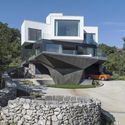
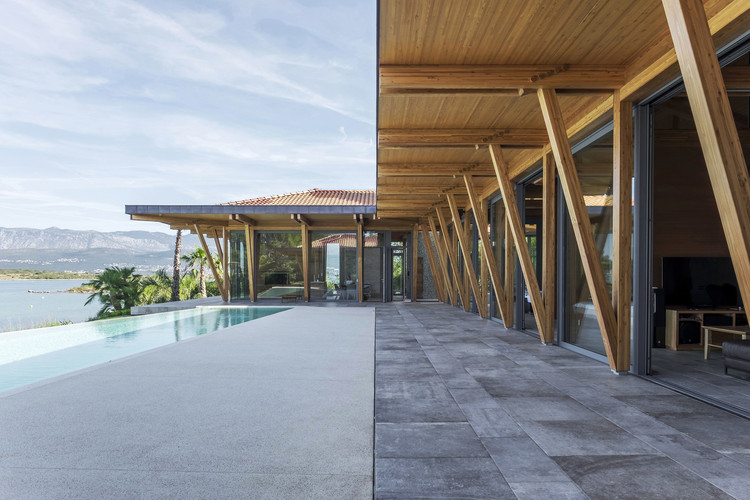
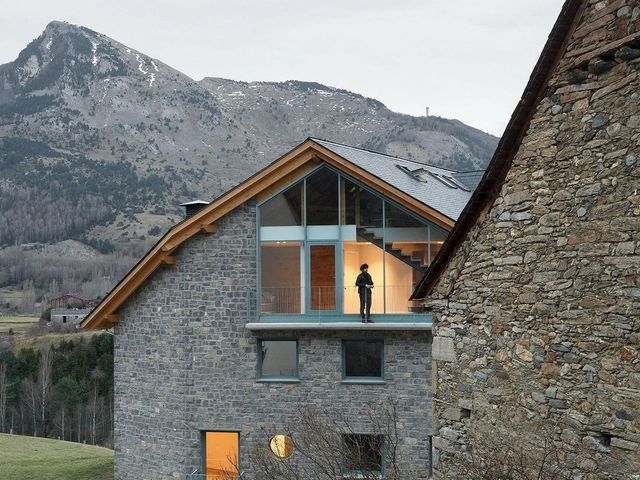
Croatia has long been a crossroads of culture. Located along the Adriatic Sea, it borders five countries and has some of the richest biodiversity in Europe. The built environment reflects influences from Central Europe and the Mediterranean, as well as both the Roman and Byzantine Empires. Today, a series of new housing projects are reinterpreting the country's past as architects and designers look to reimagine what the future holds.

Building History: Croatia's Secluded Homes Rethinking Tradition - Image 1 of 4Building History: Croatia's Secluded Homes Rethinking Tradition - Image 2 of 4Building History: Croatia's Secluded Homes Rethinking Tradition - Image 3 of 4Building History: Croatia's Secluded Homes Rethinking Tradition - Image 4 of 4Building History: Croatia's Secluded Homes Rethinking Tradition - More Images+ 7

From Urban Issues to Multi-Unit Housing: 4 Young Practices in Europe

New Generations is a European platform that analyses the most innovative emerging practices at the European level, providing a new space for the exchange of knowledge and confrontation, theory, and production. Since 2013, New Generations has involved more than 300 practices in a diverse program of cultural activities, such as festivals, exhibitions, open calls, video-interviews, workshops, and experimental formats.

Subscriber Access

Explore Chernobyl's Exclusion Zone Through the Lens of Darmon Richter

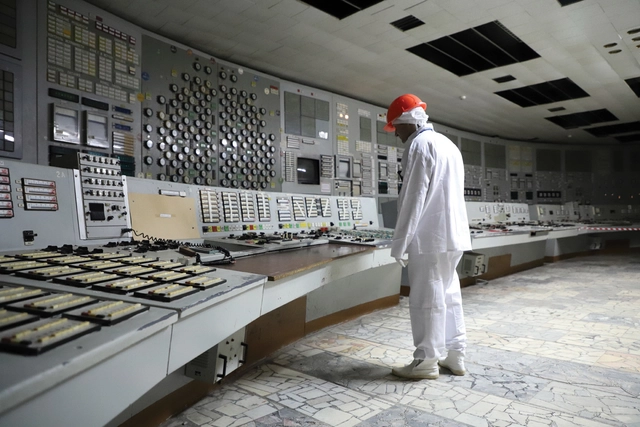
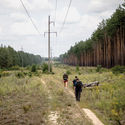
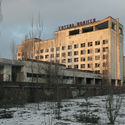
British researcher Darmon Richter has completed a series of journeys into the Exclusion Zone of Chernobyl. Captured through the book Chernobyl: A Stalkers’ Guide, Richter's documentation explores an area the size of a small country, and in turn, ventures deeper than any previously published account. Through a series of photographs, his work reveals forgotten ghost towns and monuments lost deep in irradiated forests.

Explore Chernobyl's Exclusion Zone Through the Lens of Darmon Richter - Image 1 of 4Explore Chernobyl's Exclusion Zone Through the Lens of Darmon Richter - Image 2 of 4Explore Chernobyl's Exclusion Zone Through the Lens of Darmon Richter - Image 3 of 4Explore Chernobyl's Exclusion Zone Through the Lens of Darmon Richter - Image 4 of 4Explore Chernobyl's Exclusion Zone Through the Lens of Darmon Richter - More Images+ 11

Finalists Released for 2020 Young Talent Architecture Award

The Fundació Mies van der Rohe and Creative Europe have announced the 12 finalist projects competing to win the Young Talent Architecture Award 2020 (YTAA 2020) and the 9 finalist projects competing to win the Asian Edition of YTAA 2020. Established in 2016, the YTAA “supports the talent of recently graduated Architects, Urban Planners and Landscape Architects who will be responsible for transforming our environment in the future."
From Furniture Designs to Curatorial Projects: 5 Young Practices in Europe

New Generations is a European platform that analyses the most innovative emerging practices at the European level, providing a new space for the exchange of knowledge and confrontation, theory, and production. Since 2013, New Generations has involved more than 300 practices in a diverse program of cultural activities, such as festivals, exhibitions, open calls, video-interviews, workshops, and experimental formats.

From Equitable Architecture to Exploring New Environments: 5 Young Practices in Europe

New Generations is a European platform that analyses the most innovative emerging practices at the European level, providing a new space for the exchange of knowledge and confrontation, theory, and production. Since 2013, New Generations has involved more than 300 practices in a diverse program of cultural activities, such as festivals, exhibitions, open calls, video-interviews, workshops, and experimental formats.

Committed Approach and Juggling Responsibilities: 6 Young Practices with New Visions

New Generations is a European platform that analyses the most innovative emerging practices at the European level, providing a new space for the exchange of knowledge and confrontation, theory, and production. Since 2013, New Generations has involved more than 300 practices in a diverse program of cultural activities, such as festivals, exhibitions, open calls, video-interviews, workshops, and experimental formats.

New Generations launches a fresh new media platform, offering a unique space where emerging architects can meet, exchange ideas, get inspired, and collaborate. Recent projects, job opportunities, insights, news, and profiles will be published every day. The section ‘profiles’ provides a space to those who would like to join the network of emerging practices, and present themselves to the wide community of studios involved in the cultural agenda developed by New Generations.

Committed Approach and Juggling Responsibilities: 6 Young Practices with New Visions - Image 1 of 4Committed Approach and Juggling Responsibilities: 6 Young Practices with New Visions - Image 2 of 4Committed Approach and Juggling Responsibilities: 6 Young Practices with New Visions - Image 3 of 4Committed Approach and Juggling Responsibilities: 6 Young Practices with New Visions - Image 4 of 4Committed Approach and Juggling Responsibilities: 6 Young Practices with New Visions - More Images+ 2

Subscriber Access

Tunnel Vision: Europe's New Urban Pathways and Metro Stations

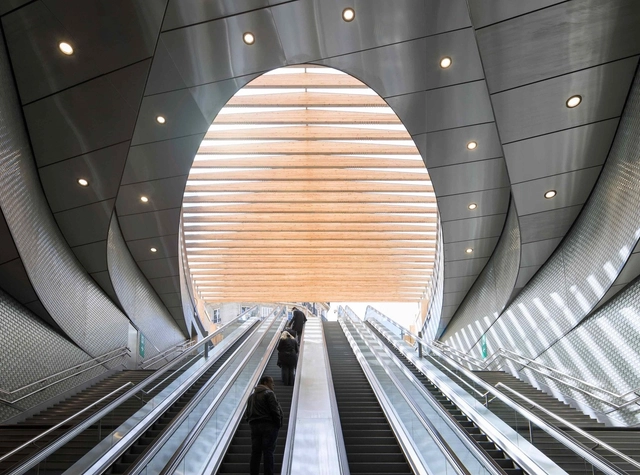
Urban connections define modern cities. From public transportation to walking and cycling paths, mobility has the potential to enrich urban life. In Europe, planners and designers have a long history of working through city connections to integrate with existing historic fabrics and make room for contemporary transport solutions.

Tunnel Vision: Europe's New Urban Pathways and Metro Stations - Image 1 of 4Tunnel Vision: Europe's New Urban Pathways and Metro Stations - Image 2 of 4Tunnel Vision: Europe's New Urban Pathways and Metro Stations - Image 3 of 4Tunnel Vision: Europe's New Urban Pathways and Metro Stations - Image 4 of 4Tunnel Vision: Europe's New Urban Pathways and Metro Stations - More Images+ 10

Architecture as a Political Act: 5 Young Practices with New Visions

New Generations is a European platform that analyses the most innovative emerging practices at the European level, providing a new space for the exchange of knowledge and confrontation, theory, and production. Since 2013, New Generations has involved more than 300 practices in a diverse program of cultural activities, such as festivals, exhibitions, open calls, video-interviews, workshops, and experimental formats.

New Generations launches a fresh new media platform, offering a unique space where emerging architects can meet, exchange ideas, get inspired, and collaborate. Recent projects, job opportunities, insights, news, and profiles will be published every day. The section ‘profiles’ provides a space to those who would like to join the network of emerging practices, and present themselves to the wide community of studios involved in the cultural agenda developed by New Generations.

ArchDaily and New Generations join forces! Every two weeks Archdaily publishes a selection of studio profiles chosen from the platform of New Generations.

Architecture as a Political Act: 5 Young Practices with New Visions - Image 1 of 4Architecture as a Political Act: 5 Young Practices with New Visions - Image 2 of 4Architecture as a Political Act: 5 Young Practices with New Visions - Image 3 of 4Architecture as a Political Act: 5 Young Practices with New Visions - Image 4 of 4Architecture as a Political Act: 5 Young Practices with New Visions - More Images+ 1

Optimistic Realism and Shared Autonomy: 5 Young Practices with New Visions

New Generations is a European platform that analyses the most innovative emerging practices at the European level, providing a new space for the exchange of knowledge and confrontation, theory, and production. Since 2013, New Generations has involved more than 300 practices in a diverse program of cultural activities, such as festivals, exhibitions, open calls, video-interviews, workshops, and experimental formats.

New Generations has launched a fresh new media platform, offering a unique space where emerging architects can meet, exchange ideas, get inspired, and collaborate. Recent projects, job opportunities, insights, news, and profiles will be published every day. The section ‘profiles’ provides a space to those who would like to join the network of emerging practices, and present themselves to the wide community of studios involved in the cultural agenda developed by New Generations.

ArchDaily and New Generations join forces! Every two weeks ArchDaily publishes a selection of studio profiles chosen from the platform of New Generations.

Europe's Best Emerging Architects and Designers Announced

The European Centre for Architecture Art Design and Urban Studies and The Chicago Athenaeum have announced the winners of the "Europe 40 Under 40" for 2019. The annual program is initiated by The European Centre to spotlight and distinguish the next generation of architects and designers who will impact future living and working environments, cities, and rural areas.

Europe's Best Emerging Architects and Designers Announced - Imagen 1 de 4Europe's Best Emerging Architects and Designers Announced - Imagen 2 de 4Europe's Best Emerging Architects and Designers Announced - Imagen 3 de 4Europe's Best Emerging Architects and Designers Announced - Imagen 4 de 4Europe's Best Emerging Architects and Designers Announced - More Images