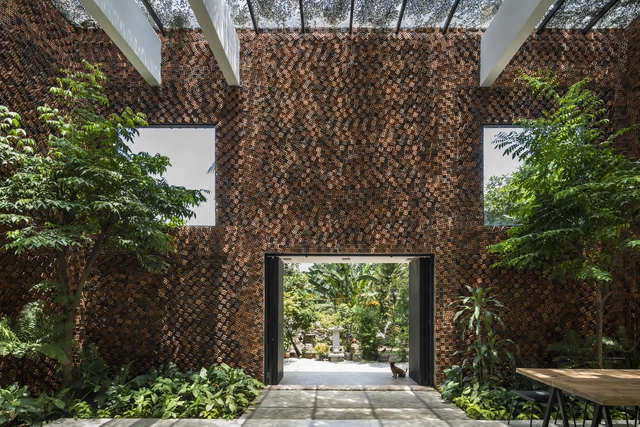
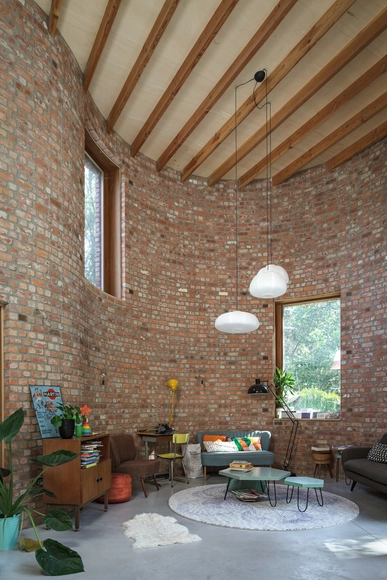
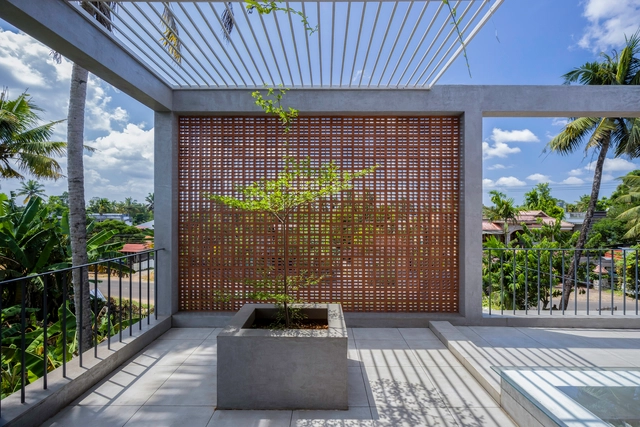
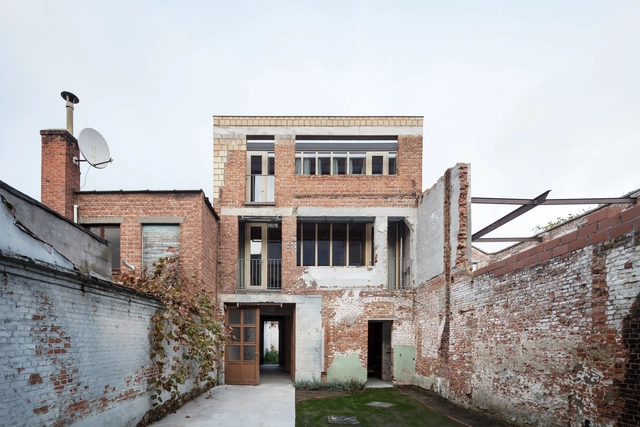
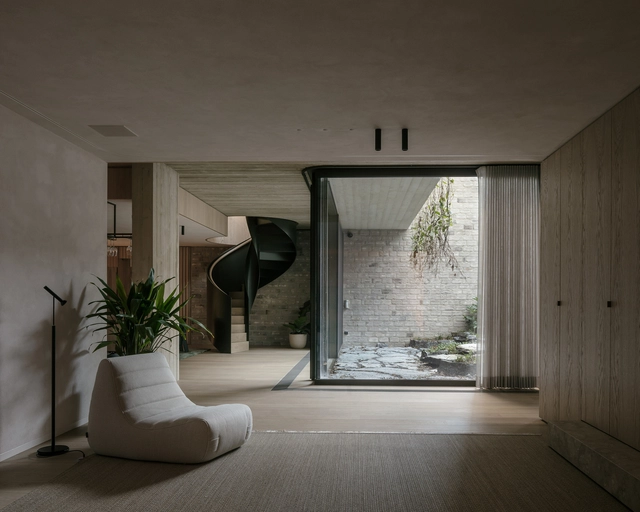
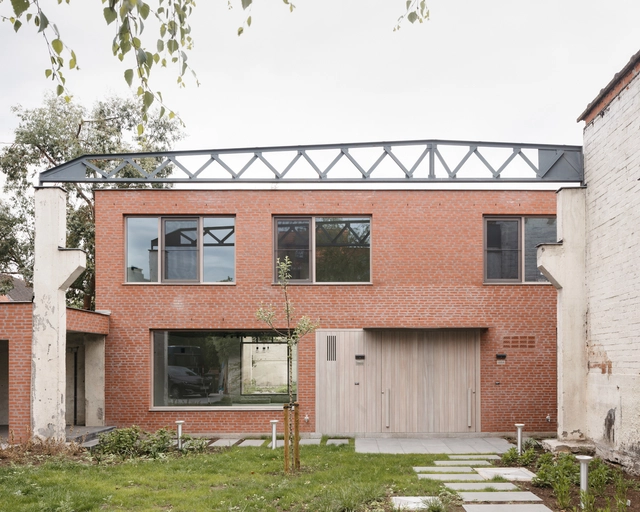
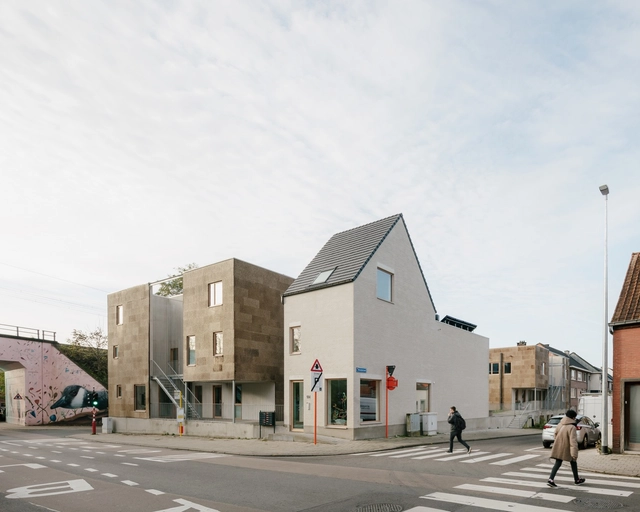
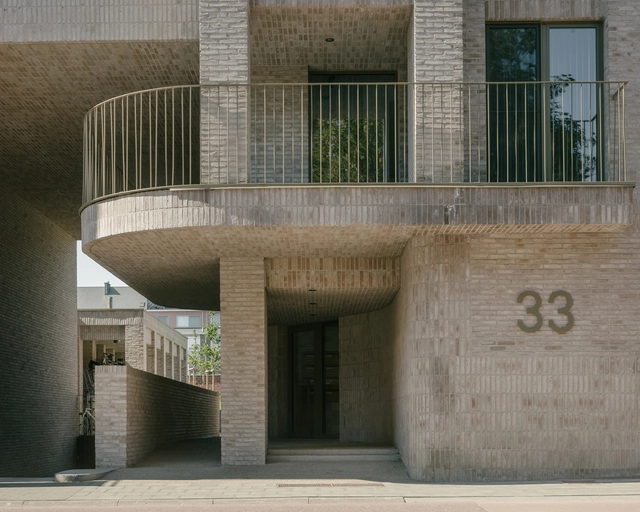
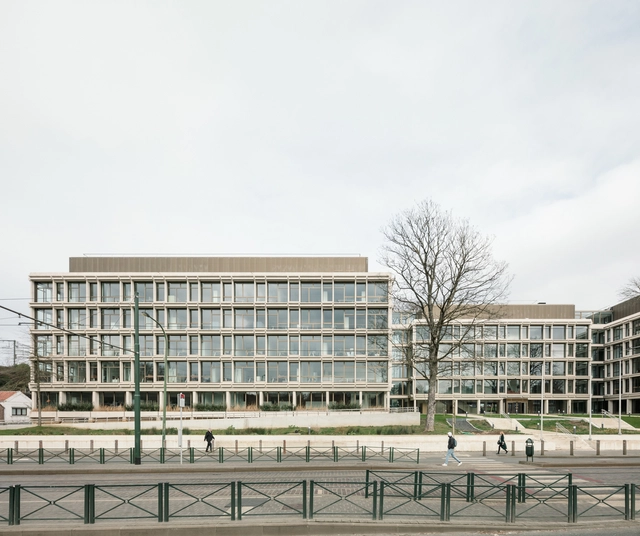
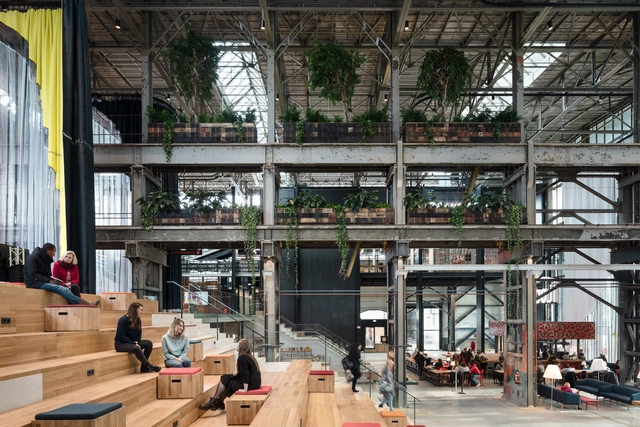
The Brick Award is an internationally established award that presents outstanding brick architecture from all around the world. Independent architecture critics, experts, architects and developers are invited to submit innovative and creative buildings and other construction works made of clay building materials. The spectrum of applications ranges from building solutions using classic clay blocks, facing bricks and roof tiles to the creative application of clay pavers and ceramic façade panels.
Students at the School of Engineering, RMIT University recently published a study experimenting with a new form of waste management and recycling. As they note in their research, cigarette butts are the most commonly discarded single waste item in the world, with an estimated 5.7 trillion having been consumed around the globe in 2016. However, the materials in cigarette butts—particularly their cellulose acetate filters—can be extremely harmful to the environment due to poor biodegradability. The RMIT study builds on a previous research study by Mohajerani et. al (2016) that experimented with adding discarded cigarette butts to clay bricks for architectural use. In their research, the RMIT students found that such a measure would reduce the energy consumption of the brick production process and lower the thermal conductivity of the bricks, but that other issues including bacterial contamination would have to be addressed prior to successful implementation. Below, we explore this research in more detail, investigating its relevance to the architecture industry and imagining possible futures of application.
https://www.archdaily.com/956164/is-it-possible-to-create-lightweight-bricks-by-recycling-cigarette-buttsLilly Cao
The backyards, outdoor areas usually located at the back of the lot, are spaces dedicated to rest, entertainment and family interaction. Its setting is essential to guarantee the warmth and comfort we seek in our homes. At the same time, as they are areas exposed to rain, sun and, sometimes, snow, they also need to have resistant, durable and easy-to-maintain materials.
As 2022 winds down, ArchDaily brings together the highlights of architecture in a series of retrospectives. As part of this effort, the Projects Team turns to one of the most popular categories among readers—residential architecture—with the objective of gathering the houses that represent the best of a vast world of architectural production according to our worldwide audience.
The Chicago Athenaeum: Museum of Architecture and Design and The European Centre for Architecture Art Design and Urban Studies have announced the over 150 winners of the International Architecture Awards. This event takes place every year to recognize the most significant and inspirational buildings and urban planning projects around the world. Founded in 2005 by The Chicago Athenaeum and The European Centre, the awards aim to set a global standard for architectural achievement worldwide.
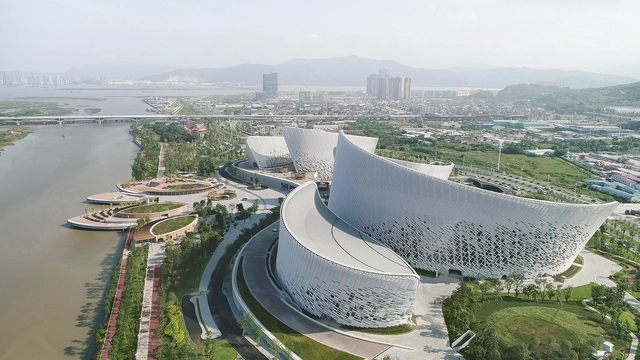
This year’s winning projects focus on inclusive design, sustainable solutions, and finding a sensible response to the surroundings and local cultures. Restorations, renovations, and adaptive reuse solutions are also well represented among this year’s winners. projects range from significant cultural destinations such as Fuzhou Strait Culture and Art Centre China to new city infrastructure such as the Eleftheria Square in Nicosia, Cyprus; a UNESCO cultural building in Greenland to a Modularized COVID-19 Epidemic Prevention Hospital in Shanghai.
Focused on 3 main titles, "the European city: a model for the sustainable smart city", "defining common European culture while reflecting the diversity of expression" and "an architecture that has social impact and transmits a cultural message", we have grouped the selected projects, nominated by a jury formed by Tatiana Bilbao, Francesca Ferguson, Mia Hägg, Triin Ojari, Georg Pendl, Spiros Pengas and Marcel Smets to give a better understanding of the selection criteria and the architectural situation in Europe.