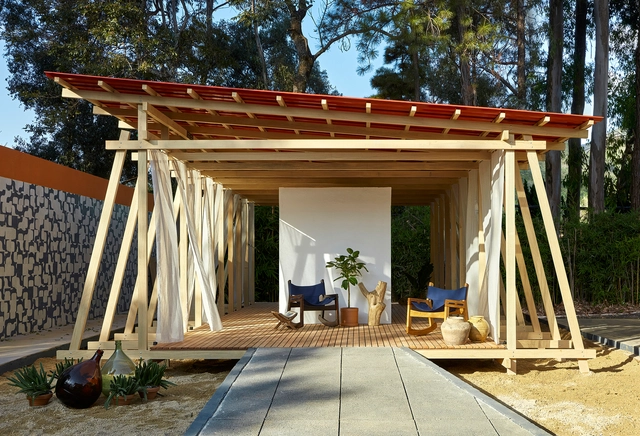
Praia Pavilion / Aberta Arquitetura


https://www.archdaily.com/992319/pavilhao-praia-aberta-arquiteturaAndreas Luco
JK semi-duplex renovation / BIRI
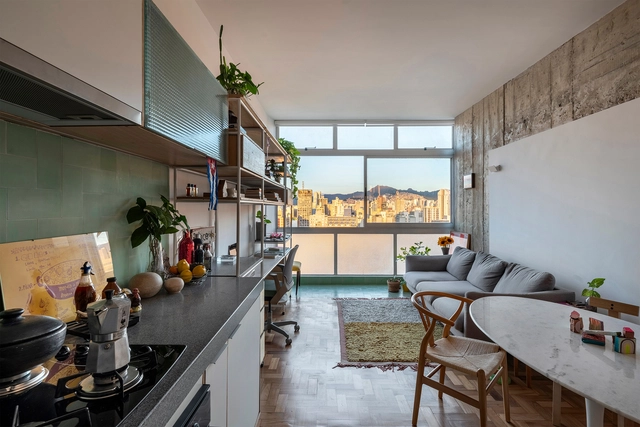


https://www.archdaily.com/1005310/jk-semi-duplex-renovation-biriPilar Caballero
Outdoor Kitchens: A Brief History and 15 Current Examples
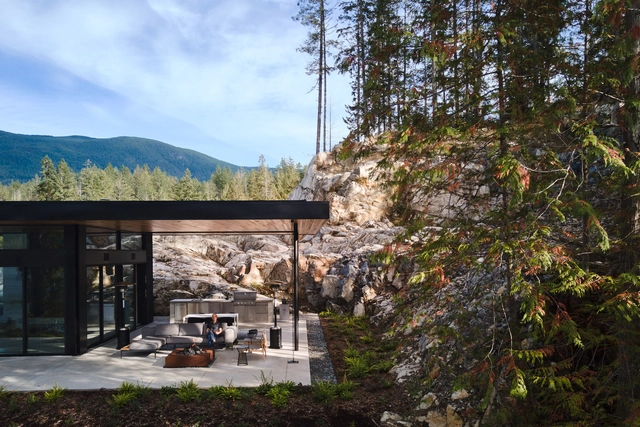
The weather across the northern hemisphere is getting warmer, and with rising temperatures comes the urgent need for many of us to spend as much time outside as possible. While a variety of outdoor activities bring with them their own sense of accomplishment and relaxation, one in particular combines feelings of leisure, indulgence and community: outdoor cooking. But how did this tradition start? And what has it evolved into?


https://www.archdaily.com/1001044/outdoor-kitchens-a-brief-history-and-15-current-examplesClaire Brodka
Pratical House / Estúdio Zargos
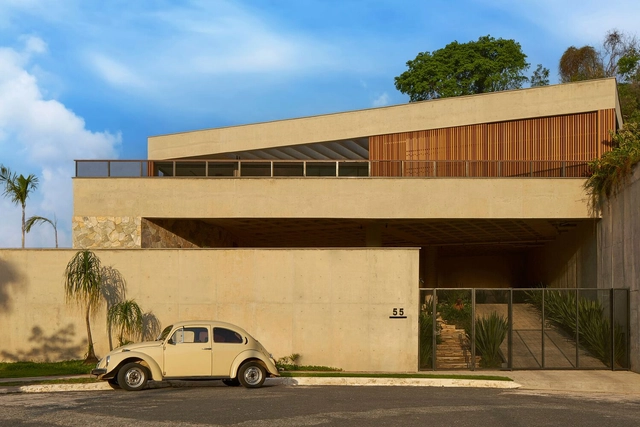


-
Architects: Estúdio Zargos
- Area: 610 m²
- Year: 2019
https://www.archdaily.com/1000241/pratical-house-estudio-zargosSusanna Moreira
How to Use Glass in Interior Spaces and Decoration
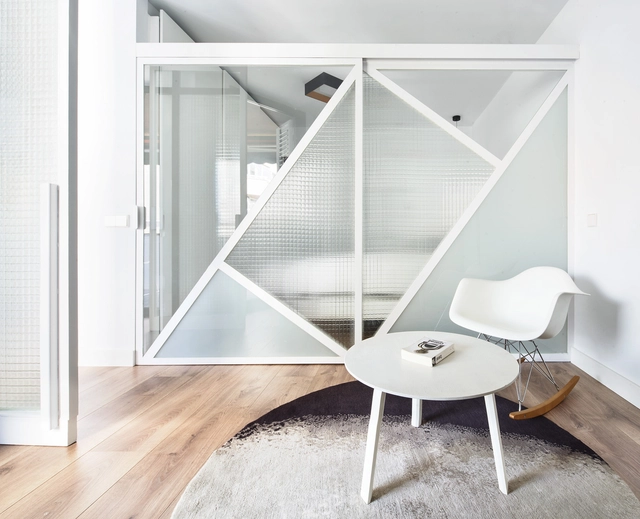
Glass is one of the most important discoveries of mankind. Originally used as a cutting tool, it has been around for about 75,000 years. The first records of glass making, however, date back to the Egyptian and Mesopotamian. Since then, the mastery of the manufacturing technique has been developing in different civilizations and nations until the Industrial Revolution popularized the material and allowed its production on a large scale. In architecture, glass was first used as a sealing element around 100 AD.


https://www.archdaily.com/993603/how-to-use-glass-in-interior-spaces-and-decorationGiovana Martino
Gaining Perspective: 15 Projects that Explore Interior Glass Use
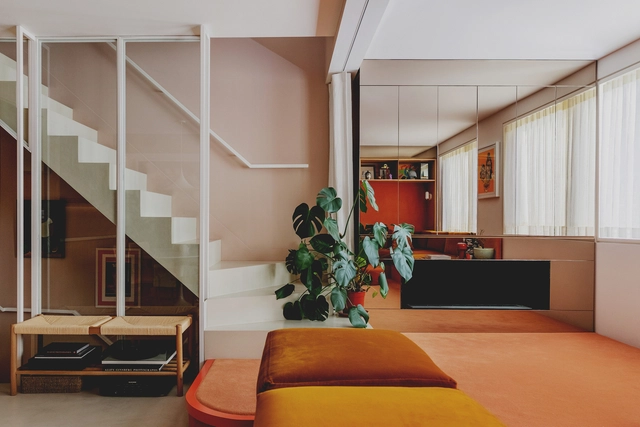
Despite the initially slow and arduous process of molding glass into shape, mankind has used the material for thousands of years. According to archaeological evidence, the first human-made glass tools and jewelry were found in Eastern Mesopotamia and Egypt around 3500BC — and after the invention of the blowpipe in Syria in the 1st century BC and the Western Industrial Revolution made mass production easier, the material's signature traits of transparency and durability could finally be applied on a large scale in architecture and design.
Fast forward to the present day, and the use of glass for building facades and windows is well documented. But what about once we move inside? By treating glass for different levels of transparency, cleverly positioning it within a room, or employing its reflective surface to their advantage, interiors can benefit just as much from the material as exteriors.


https://www.archdaily.com/995409/gaining-perspective-15-projects-that-explore-interior-glass-useClaire Brodka
The 50 Best Houses of 2022
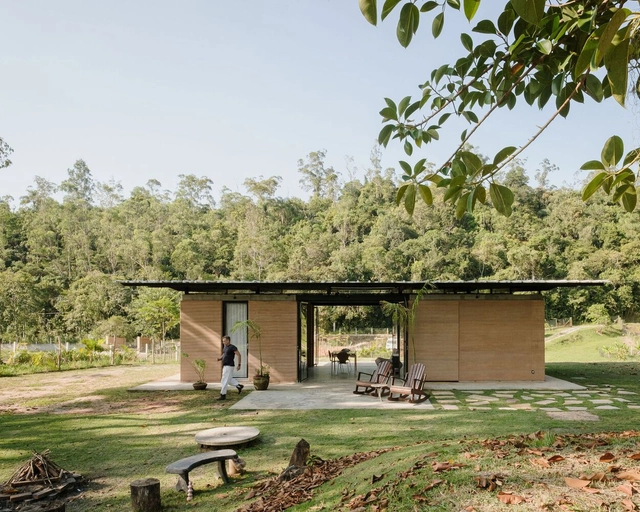
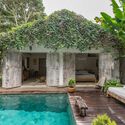
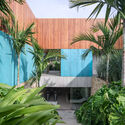
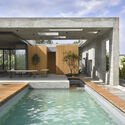
As another year comes to a close, the ArchDaily team gathers the highlights of architecture in a series of retrospectives reflecting on the content featured over the past twelve months. As part of this effort, our curation team turns its attention to one of the most popular categories among our readers, residential architecture, selecting the projects that represent the best of a vast global architectural production, as seen through the eyes of our audience.


https://www.archdaily.com/1132285/the-50-best-houses-of-2022Susanna Moreira
Residential Architecture and Nature: 16 Houses That Integrate Brazilian Biomes
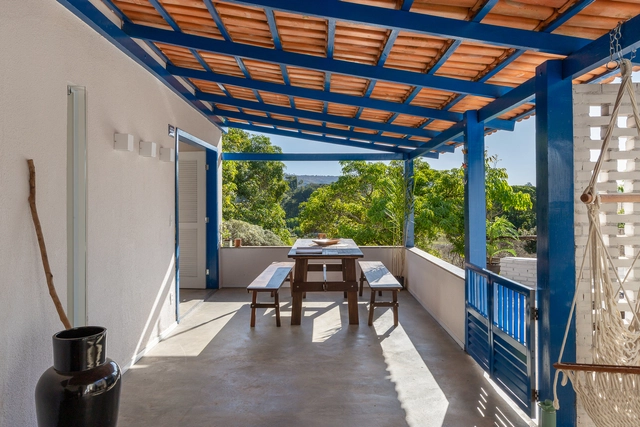
Brazil is one of the largest countries in the world, covering an area that goes from the Equator to beyond the Tropic of Capricorn, presenting a wide variety of climates and vegetation, which implies in the diverse natural landscape, flora and fauna for which the country is known. Residential architecture, when considered from its location, must adapt to the conditions of the surroundings, transforming its design according to the climate and morphology. We have gathered below a selection of Brazilian houses that respond to the natural environment in which they are located.


https://www.archdaily.com/989063/residential-architecture-and-nature-16-houses-that-integrate-brazilian-biomesGiovana Martino
Elemental House / Estúdio Zargos
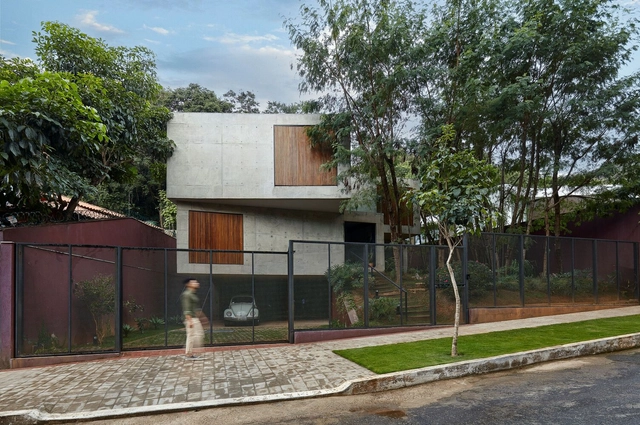


-
Architects: Estúdio Zargos
- Area: 3875 ft²
- Year: 2020
-
Manufacturers: Gabinete galeria
https://www.archdaily.com/991161/elemental-house-estudio-zargosPilar Caballero
IC Residence / Anastasia Arquitetos
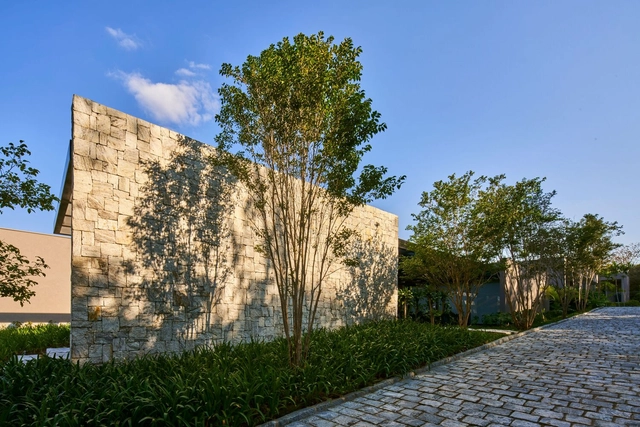


https://www.archdaily.com/990530/ic-residence-anastasia-arquitetosValeria Silva
House in the Woods / TETRO Arquitetura


-
Architects: TETRO Arquitetura
- Area: 600 m²
- Year: 2022
-
Manufacturers: Allmad, Artpedras, Dacapo, Deca, iluminar
https://www.archdaily.com/990341/house-in-the-woods-tetro-arquiteturaSusanna Moreira
Forest House / Estúdio Zargos
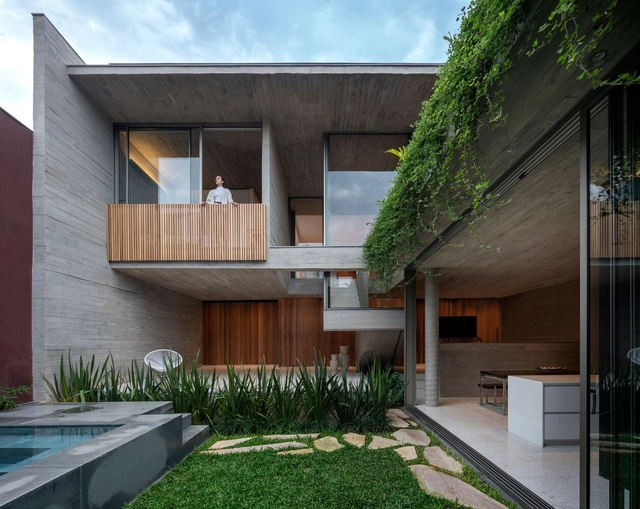


https://www.archdaily.com/985429/forest-house-estudio-zargosAndreas Luco
Pitched or Flat? Different Types of Roofs for Houses
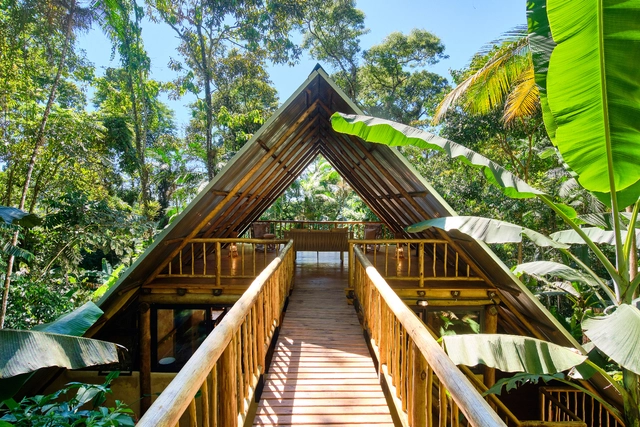
In addition to their primary function, roofs are one of the most fundamental elements in the aesthetics of a building, taking different shapes, being composed of different structures and sealed by different materials. But, in addition to aesthetics, roofs need to meet the climatic conditions of where they are located, considering the periodic changes related to rain, sun and winds.


https://www.archdaily.com/986652/pitched-or-flat-different-types-of-roofs-for-housesGiovana Martino
Brazilian Designs Inspired by Japanese Architecture

June is the month in which the day of Japanese immigration is celebrated in Brazil, a country that has the largest Japanese colony outside Japan, with more than 2 million people, Japanese or descendants. Since the 20th century, Japanese families immigrated to Brazilian rural regions, forming a solid colony in the interior of states like São Paulo, influencing many aspects of the local culture.


https://www.archdaily.com/986051/brazilian-designs-inspired-by-japanese-architectureGiovana Martino
Açucena House / TETRO Arquitetura


https://www.archdaily.com/984382/acucena-house-tetro-arquiteturaSusanna Moreira
Roca House / Gustavo Penna Arquiteto e Associados
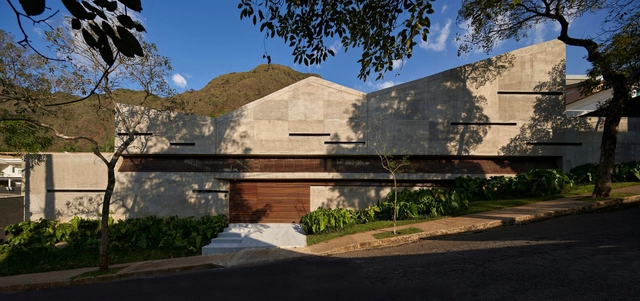


-
Architects: Gustavo Penna Arquiteto e Associados
- Area: 767 m²
- Year: 2022
https://www.archdaily.com/983555/roca-house-gustavo-penna-arquiteto-e-associadosSusanna Moreira
Concrete House / Ângela Roldão Arquitetura
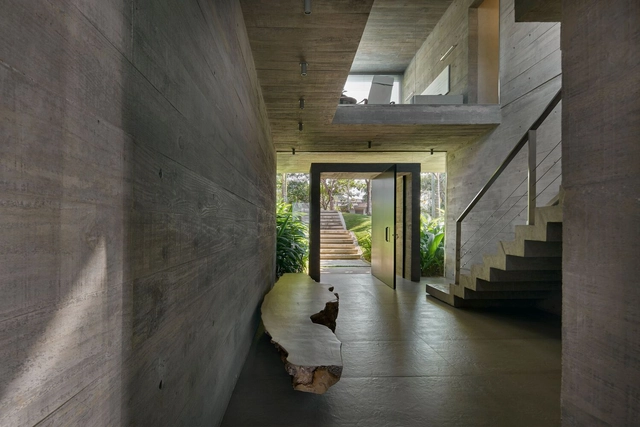


https://www.archdaily.com/983116/concrete-house-angela-roldao-arquiteturaPilar Caballero
Passos House / David Guerra
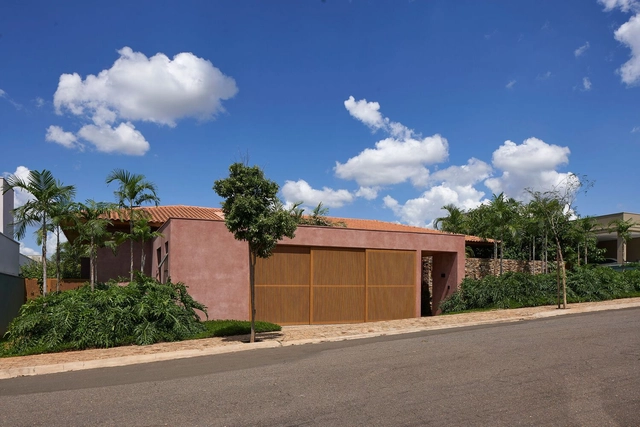


-
Architects: David Guerra
- Area: 675 m²
-
Manufacturers: Indusparquet, Neolith, Terracor, Insight, kitchens
https://www.archdaily.com/980797/passos-house-david-guerraPilar Caballero