How does the construction sector shape the future of cities? What challenges does it face? At the crossroads of demographic, social, energy, and climate pressures, the construction sector is changing fast. Professionals, institutions, and citizens are working together to build environments that improve health and well-being, encourages durable and place-responsive solutions, cut carbon emissions, withstand climate risks, and provide affordable, high-quality housing.
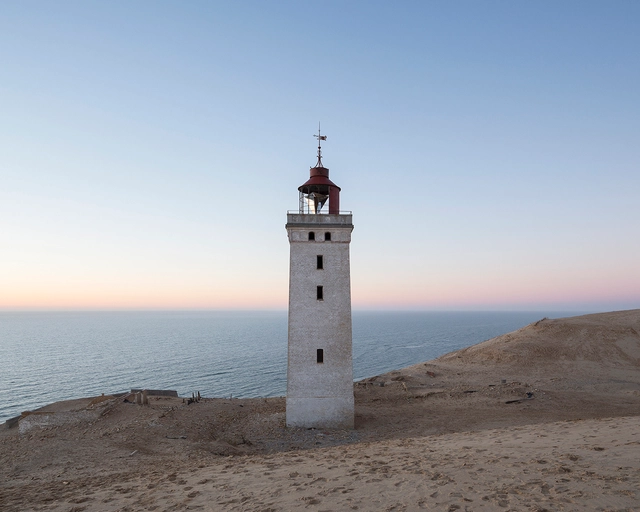
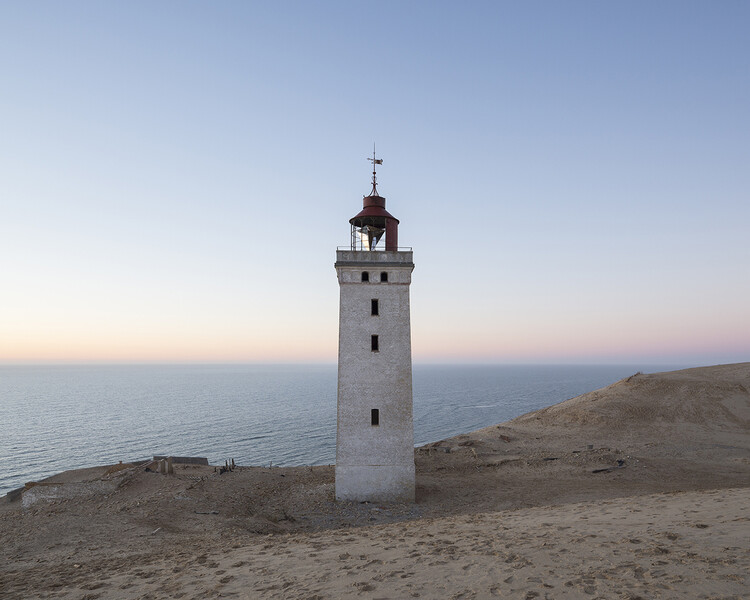
Lighthouses have stood along the margins of continents and islands for centuries as points of light in vast maritime territories. Rising in solitude from rocky cliffs, reefs, and headlands, these towers were tools for navigation and instruments of spatial clarity, shaping coastlines and marking the boundary between land and sea. Built to guide, warn, and locate, they constituted a global network of visibility long before the advent of digital mapping. Yet as maritime technologies evolved, many of these structures lost their original purpose. The typology, once essential, now stands at the edge of obsolescence. What remains is not merely an architectural relic, but a powerful spatial form — resilient, symbolic, and increasingly open to reinterpretation.
The sun’s influence on human life encompasses multiple dimensions, from biological and developmental aspects to religious-mythological connotations in civilizations such as the Egyptians and Romans. Moreover, this influence extends to its use as a natural resource within the realm of science. In scientific pursuits, the continuous search to harness the sun as an energy source has been a constant throughout the years. Within this context, the discovery of the photovoltaic effect and its application have paved the way in the history of solar panels, starting from the first observations of Becquerel to the initial prototypes of Charles Fritts in the 19th century.
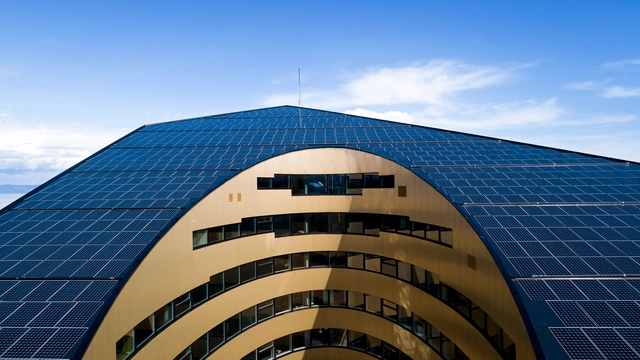
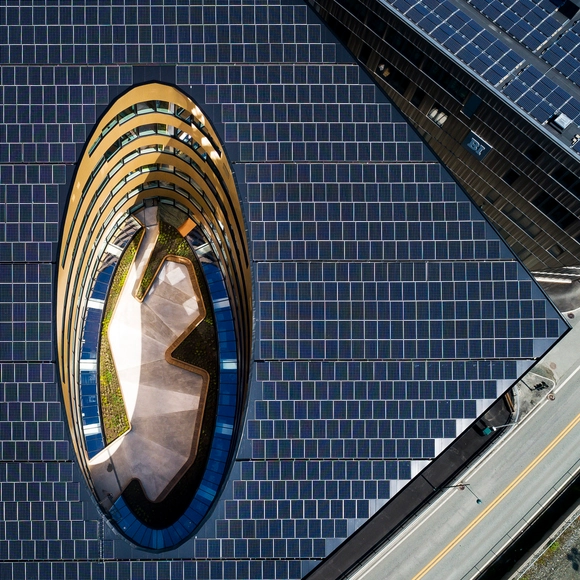
Nowadays, the energy obtained from the sun through devices such as solar panels has become one of the most widely used sources in regions like North America and Europe, contributing to the efforts for a complete transition to clean energy. The momentum in this transition has motivated the development of new technologies, such as SolarLab facade systems, that challenge the preconceived idea of what a solar panel looks like and where it can be installed. These systems converge with architecture to integrate them as aesthetic elements, serving as cladding for both retrofit projects and new buildings.
https://www.archdaily.com/1011349/from-new-buildings-to-retrofit-projects-solar-facade-systems-for-a-circular-and-low-carbon-architectureEnrique Tovar
COP28, or the 2023 United Nations Conference of the Parties, was held in Dubai between November 30 and December 13. The annual meeting gathers representatives from 198 countries, as well as industry leaders to discuss and establish strategies to limit the extent of climate change and its adverse effects. The ultimate goal of these meetings is to find ways to limit the global temperature rise below 1.5 degrees Celsius compared to pre-industrial times. At the moment, the global temperature rise is already at 1.2 degrees Celsius. As the construction industry at large accounts for 39% of global emissions, architects and planners have a shared interest in the results of thee international summit, Read on to discover some of the key takeaways of COP28.
Early last week, the European Commission and the Fundació Mies van der Rohe announced the 40 shortlisted projects of the EU Mies Award, a prize that commends excellence in architecture, highlighting its contribution to sustainable development. In this context, and two years after the European Parliament voted to support the Green Deal, we review the steps taken by the EU in 2021 towards achieving its sustainability goals and shaping a resilient built environment.
The Build Better Now virtual pavilion opened to the public during COP26, showcasing seventeen sustainable projects that demonstrate the built environment's opportunities for addressing the climate crisis. The initiative, run by UK Green Building Council, comes as a global call for climate action, highlighting the AEC's industry's commitment to sustainable practice on a worldwide stage, particularly since this year the COP26 dedicated a day to buildings and cities.
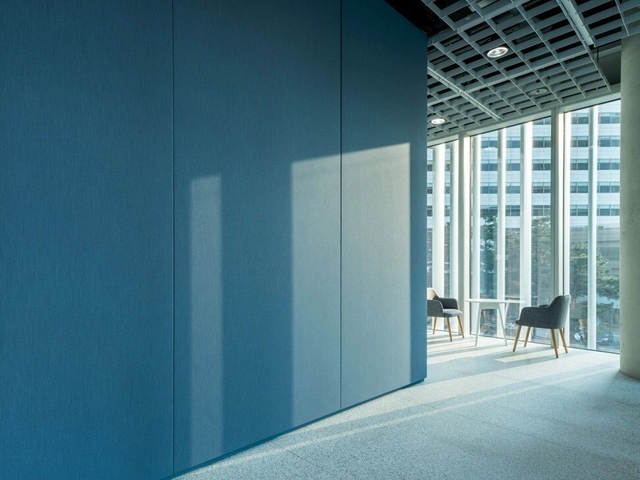
Acoustic comfort is affected by the levels and the nature of the sound experienced in an interior space, measured in decibels. The functionality and aesthetics of working and living spaces are usually the primary focus of the designer, however, too often overlooked, are the factors contributing to the productivity of employees or the comfort of residents. Providing a comfortable acoustic environment contributes significantly to the overall mood and health of people operating within it.
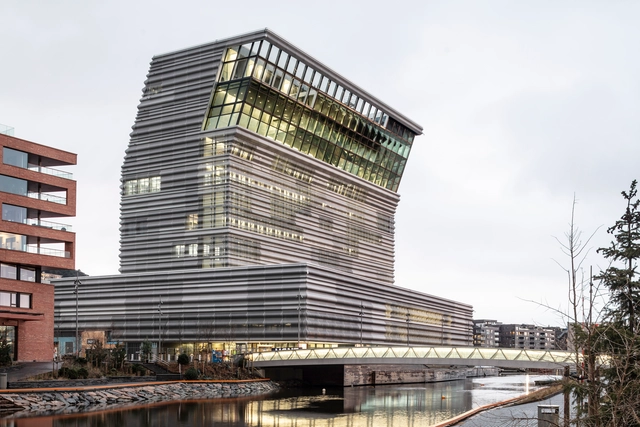
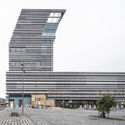
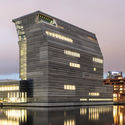
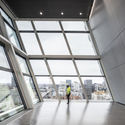
After being awarded with the top prize at the Munch Museum Competition in 2009, Spanish architecture firm Estudio Herreros has finally completed the construction of the museum and will open its doors on October 22, 2021. The long-awaited museum will showcase a rich collection of Norwegian heritage and culture and thousands of artworks by artist Edvard Munch, as well as present a contemporary museum concept that highlights architecture's urban role and historical responsibility of Oslo and the nation as a whole.
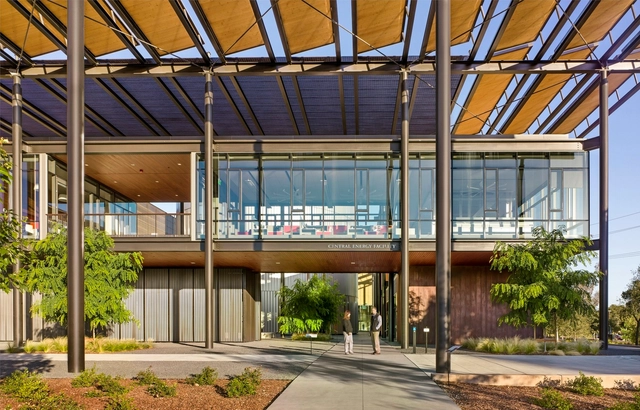
Solar design in contemporary architecture is rooted in the profession's sustainable turn. The relationship between architecture and energy is tied to both passive strategies and performance via more recent innovations in technology. As one way to begin addressing the global climate crisis and greenhouse gas emissions, solar design is reshaping cities and architecture around the world.
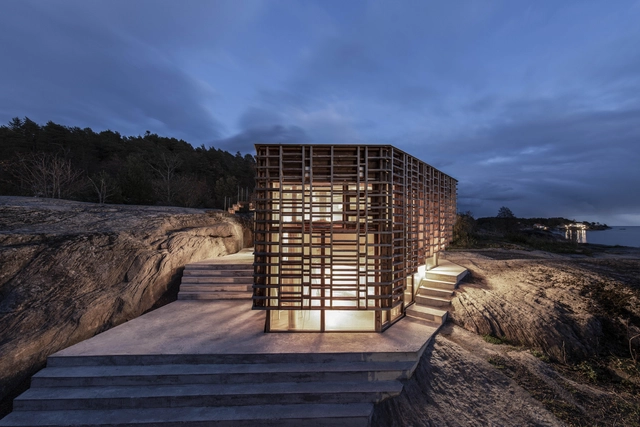
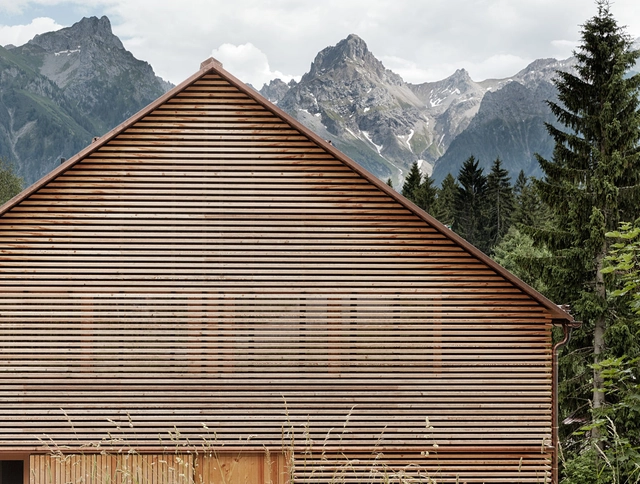
When designing the Nordic Pavilion in Venice, Sverre Fehn incorporated Nordic architectural elements in unusual ways. One of the most attention-grabbing elements of the building is its laminar roof cover of white concrete, which is broken by trees planted inside the building blocking the sun's rays and filtering the light. Depending on the angle, the roof blades allow visitors to see the colors of the sky and the canopy of the trees, bringing dynamism to the pavilion's lighting and movement. In fact, the use of parallel slats on facades, walls, and roofs is a tradition that comes from Nordic architecture and has spread throughout the world. In this article we will cover some examples that use this element, including its variety of possibilities and the best ways to amplify their effect.



























©Ivar_Kvaal.jpg?1594333898&format=webp&width=230&height=230&crop=true)
©Ivar_Kvaal.jpg?1594333552&format=webp&width=230&height=230&crop=true)
©Ivar_Kvaal.jpg?1594334217&format=webp&width=230&height=230&crop=true)
©Ivar_Kvaal.jpg?1594334342&format=webp&width=230&height=230&crop=true)
