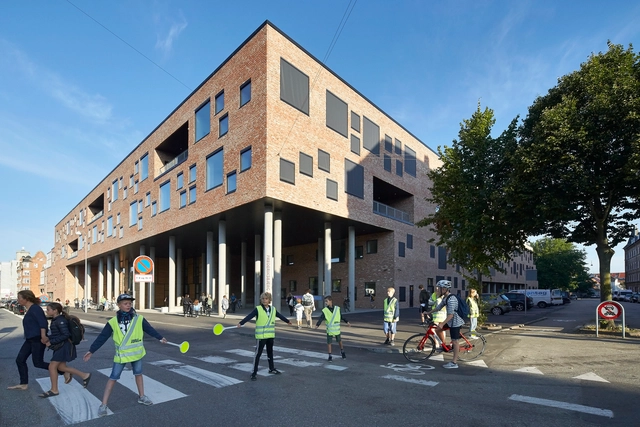


- Area: 15000 m²
- Year: 2016
-
Manufacturers: Gamle Mursten, Henning Larsen Design, Rose Eken, Unisport
-
Professionals: Grethe Sørensen, Hoffmann, Møller & Grønborg, Niras
.jpg?1476692688&format=webp&width=640&height=580)
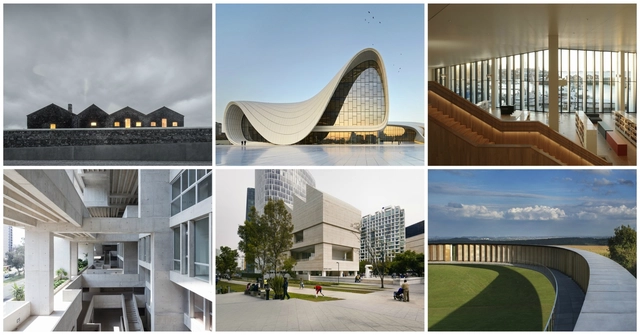
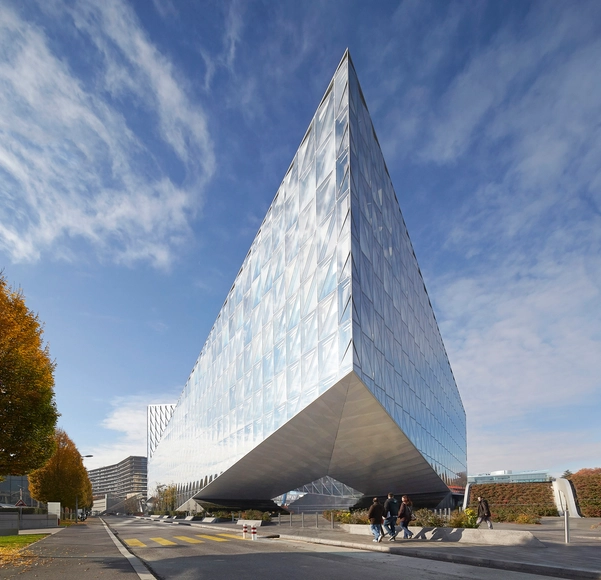
The Royal Institute of British Architects (RIBA) has announced the shortlist of six finalist projects in the running for the inaugural RIBA International Prize. The first RIBA Award open to any qualified architect in the world, the International Prize seeks to name the world’s “most significant and inspirational” building. Criteria for consideration include the demonstration of “visionary, innovative thinking and excellence of execution, whilst making a distinct contribution to its users and to its physical context.”
The six finalists were named from a longlist of 30 buildings, from which a further selection of 21 projects have been recognized by the jury for the RIBA Award for International Excellence. The jury has also named the winner of the RIBA International Emerging Architect prize recognizing “the achievement of architects in the earlier stages of their career who are working on global projects.”
The Grand Jury is lead by Richard Rogers and includes Billie Tsien, Kunlé Adeyemi, Philip Gumuchdjian, and Marilyn Jordan Taylor.
"Our panel of jurors have been particularly impressed by the way in which each building reacts to, resolves and assimilates into the varying geographies and contexts - from dense urban cities to a small town in the Arctic Circle," said RIBA President Jane Duncan on the naming of the finalists. "Each project resolves the complex demands of its context with ingenuity, exceptional detail and finishing and a sensitivity to the needs of the users and communities which will inhabit these spaces."


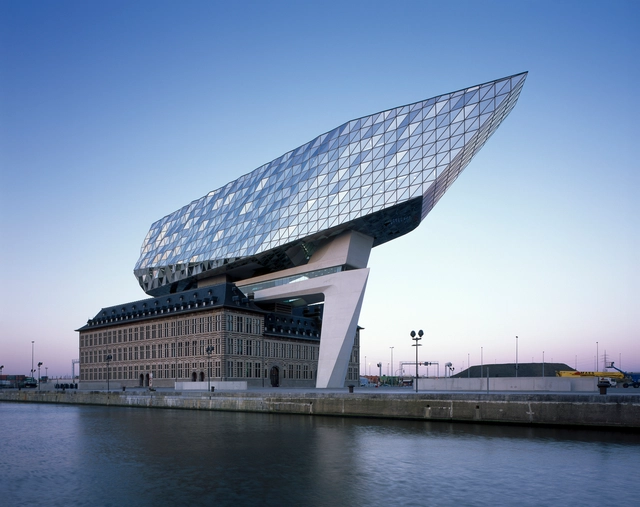
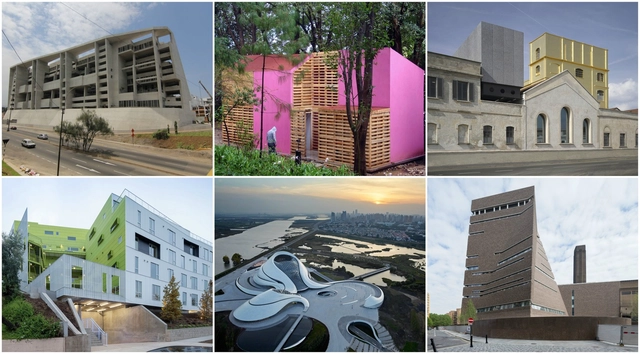
The Design Museum in London has announced the shortlist of 13 architecture projects being considered for the 2016 edition of the prestigious Beazley Design of the Year award. From Tatiana Bilbao’s Sustainable Housing Prototype to MAD Architects’ Harbin Opera House, the list features projects from a wide variety of scales and programs, celebrating some of architecture’s most significant achievements from the past year.
The award, now in its ninth year, “celebrates design that promotes or delivers change, enables access, extends design practice or captures the spirit of the year.” Nominees are selected in six categories, including Architecture, Digital, Fashion, Graphics, Product and Transport. An exhibition on the projects will be on display from 24 November 2016 – 19 February 2017.
Last year, the overall architecture prize was awarded to Alejandro Aravena's UC Innovation Center for the building’s ability to be “permeable – visually, socially and climatically with its environment."
View all of the shortlisted buildings, after the break.
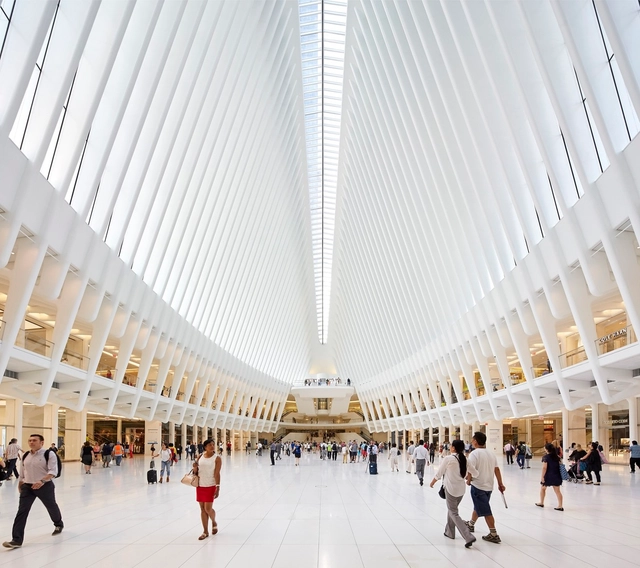
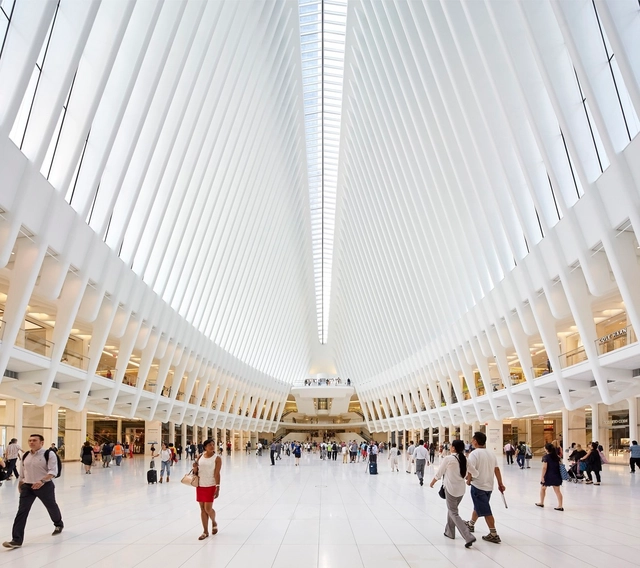
Hufton+Crow have shared with us their latest set of photographs: Santiago Calatrava’s World Trade Center Transportation Hub in New York City. Hardly requiring an introduction, the spiky structure has opened in stages since last year to mixed critical response, with new retail spaces lining the central “Oculus” space debuting to the public earlier this month.
Continue on for the British duo’s photographic impressions of the ribbed structure.
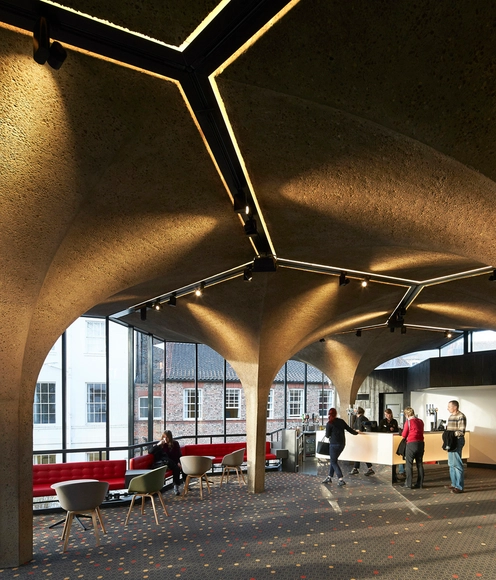

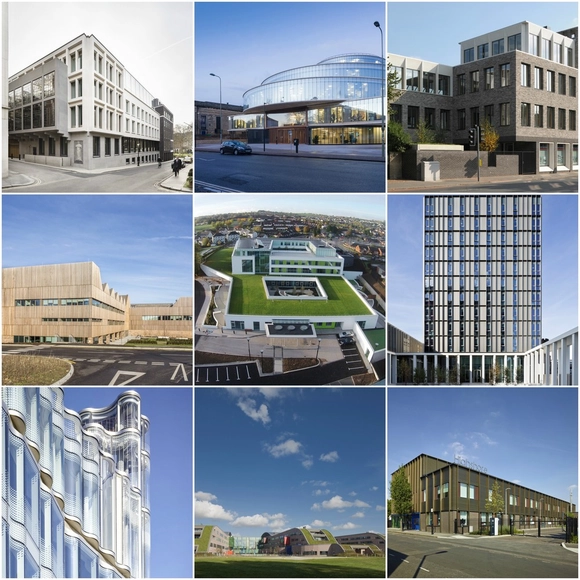
The Royal Institute of British Architects (RIBA) has announced the winners of the 2016 RIBA National Awards. The shortlist for the RIBA Stirling Prize for the UK’s best building of the year will be drawn from these 46 award-winning buildings.
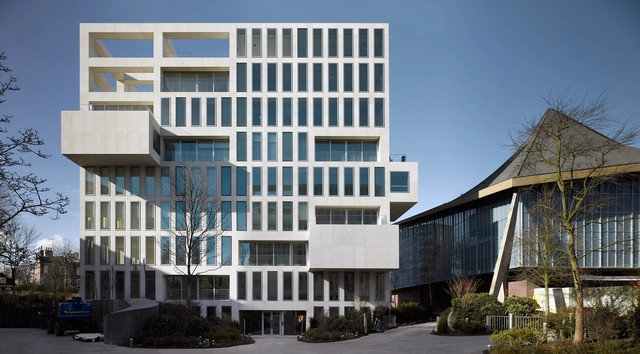
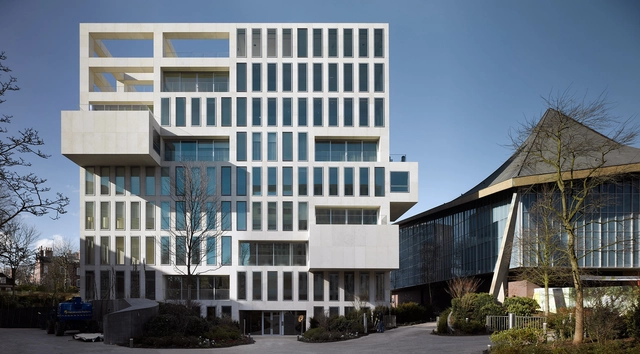
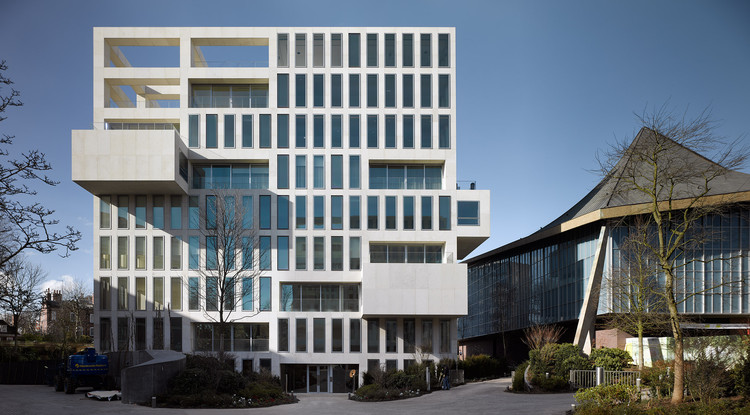
This week, OMA has unveiled their latest project in London, Holland Green. Working alongside Allies & Morrison, the firm has created three new luxury residential buildings on a site of significant cultural importance: the former home of the Commonwealth Institute, designed by Sir Robert Matthew, one of the founding partners of RMJM. As a result, OMA and Allies & Morrison’s Holland Green project involved much more than just adding fuel to the fire of London’s booming luxury residential market—it also involved an extensive conversion to the original 1962 Commonwealth Institute exhibition hall, funded through the scheme’s profitable residential offering, to prepare the heritage building for its new tenants the Design Museum.
ArchDaily spoke with Reinier de Graaf, the partner in charge of the project at OMA, to discuss the development’s social aspirations, the challenges of the London context, and the story behind the project.

.jpg?1456189016&format=webp&width=640&height=580)

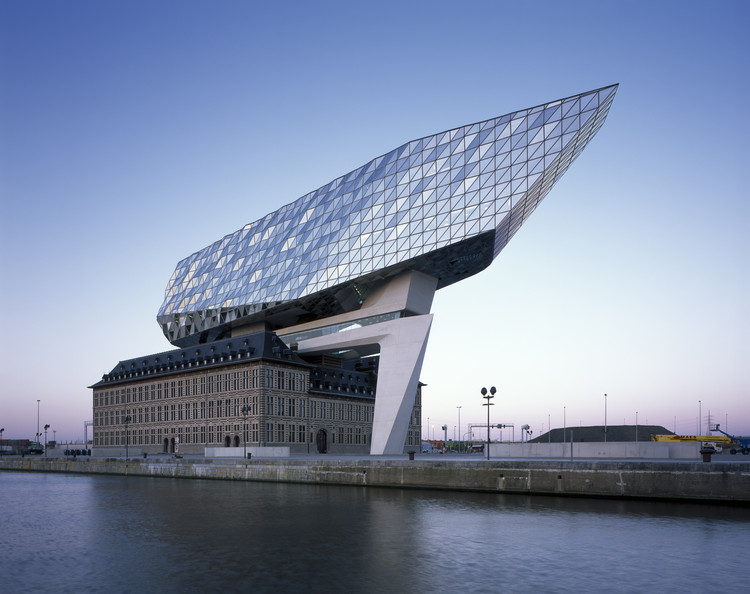
Last week, ArchDaily unveiled the 14 winners of this year’s Building of the Year award. Selected by ArchDaily readers from a pool of over 3,000 candidates, these 14 projects represent the best designs published by ArchDaily in the past year, as determined by an unbiased network of 55,000 voters who took part - each of them a judge in one of the world's most democratic architecture awards.
Representing a diverse field of architects, locations and project types, each design has a very different story about how it came into being, how its design responds to its context, how it fits into an architect's oeuvre, or what it says about the direction which architecture is traveling in. But despite the many different types of story represented, each of the stories behind the Building of the Year winners is a fascinating architectural tale. Here are those 14 stories.
.jpg?1476692844&format=webp&width=230&height=230&crop=true)
.jpg?1476692790&format=webp&width=230&height=230&crop=true)
-1.jpg?1476692781&format=webp&width=230&height=230&crop=true)
.jpg?1476692709&format=webp&width=230&height=230&crop=true)
.jpg?1476692688)






.jpg?1459288950&format=webp&width=230&height=230&crop=true)


.jpg?1456188610&format=webp&width=230&height=230&crop=true)
.jpg?1456188758&format=webp&width=230&height=230&crop=true)
.jpg?1456188860&format=webp&width=230&height=230&crop=true)
.jpg?1456188905&format=webp&width=230&height=230&crop=true)
.jpg?1456189016)