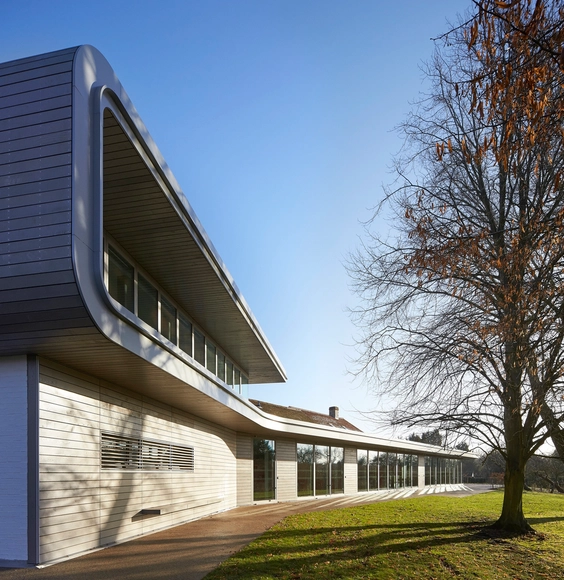


-
Architects: Hugh Broughton Architects
- Area: 709 m²
- Year: 2017
-
Manufacturers: VELUX Group, Capoferri Serramenti, John Weaver, Kingspan Insulated Panels, Rackline, +1

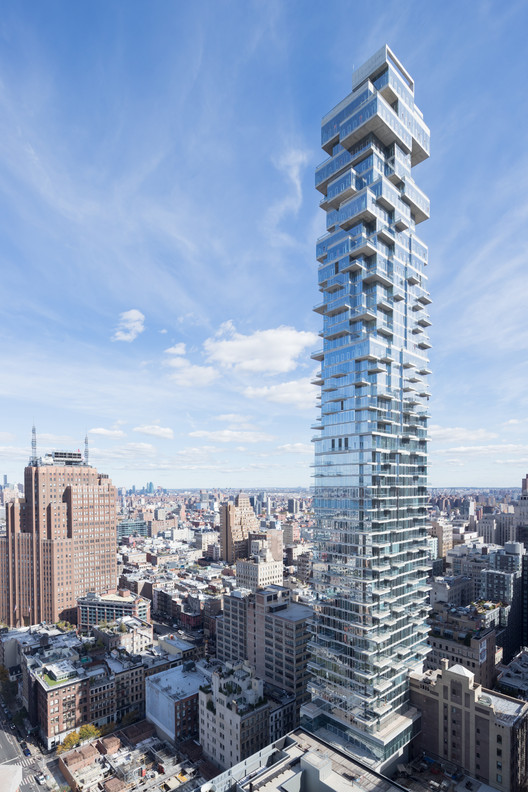
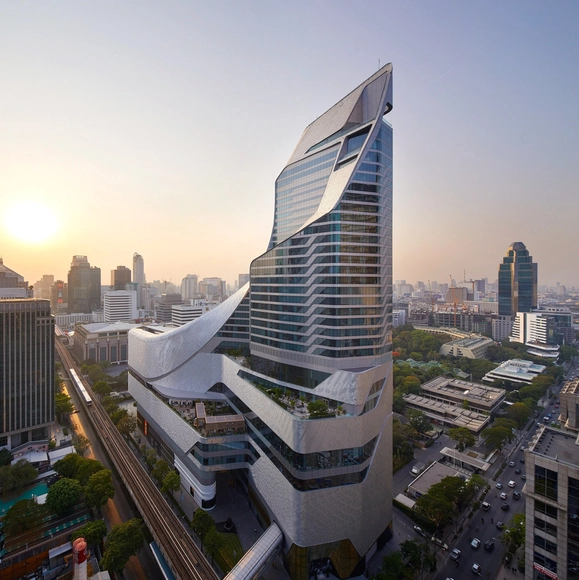
In this photoset, British photographers Hufton + Crow turn their lens toward Büro Ole Scheeren’s ‘dissolving’ MahaNakhon tower in Bangkok. Now the tallest building in the Thai capital at 1030 feet (314 meters), the pixelated skyscraper opened last summer with a fantastical light show display.
The project began as a design by Ole Scheeren for local firm Pace Development, and was completed by his own firm following his departure from OMA in 2010. The architects describe the project:
The design of MahaNakhon dismantles the typical tower and podium typology, creating a skyscraper that melds with the city by gradually ‘dissolving’ as it flows downward to meet the ground. A series of cascading indoor/outdoor terraces at the base of the tower accommodates retail and entertainment facilities, evoking the shifting protrusions of a mountain landscape.
See the full gallery of photos, after the break.
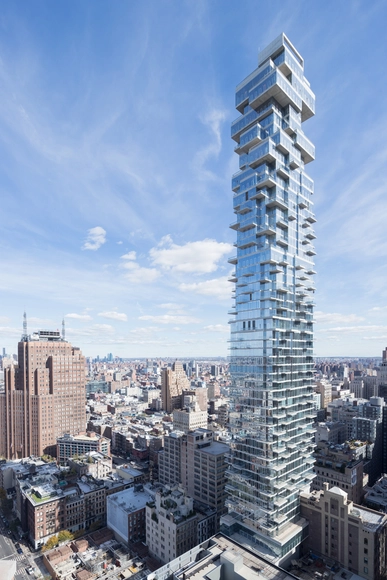

Designing a museum is always an exciting architectural challenge. Museums often come with their own unique needs and constraints--from the art museum that needs specialist spaces for preserving works, to the huge collection that requires extensive archive space, and even the respected institution whose existing heritage building presents a challenge for any new extension. In honor of International Museum Day, we’ve selected 23 stand-out museums from our database, with each ArchDaily editor explaining what makes these buildings some of the best examples of museum architecture out there.
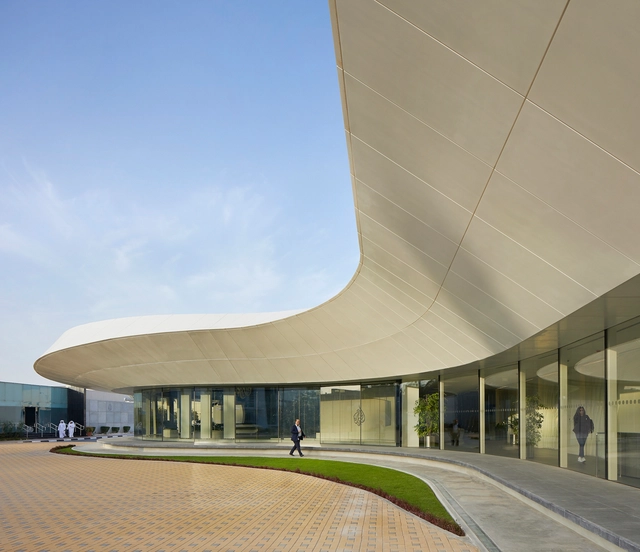
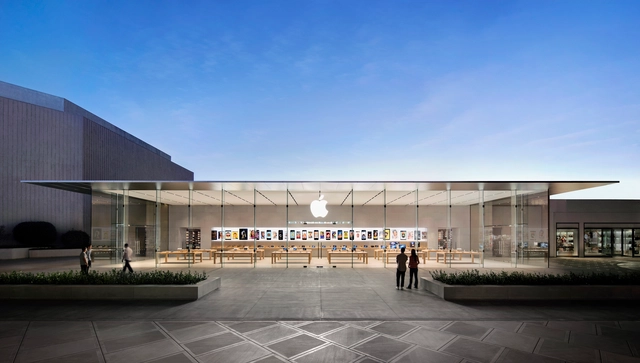
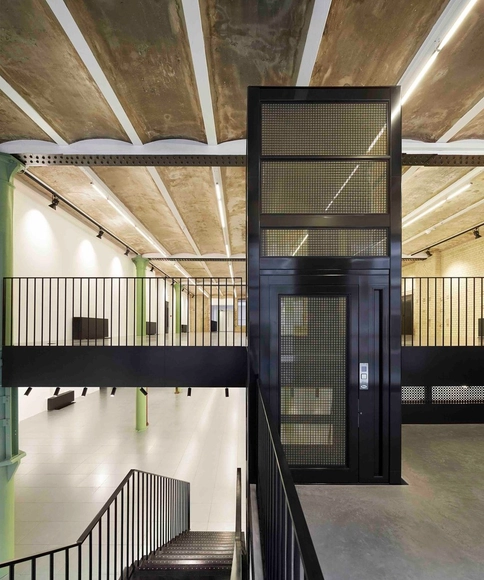

The Noguchi Museum has selected architect John Pawson and painter Hiroshi Senju as the recipients of the 2017 Isamu Noguchi Award. Now in its fourth year, the annual award was established to honor individuals who “share Noguchi’s spirit of innovation, global consciousness, and commitment to East/West cultural exchange.”
The award is presented each year to one architect and one artist or designer, honoring the multi-faceted career of artist/architect Isamu Noguchi. Previous winners of the award have included Tadao Ando and Elyn Zimmerman in 2016; architect Yoshio Taniguchi and industrial designer Jasper Morrison (2015); and winners of the inaugural award, Norman Foster and artist Hiroshi Sugimoto (2014).
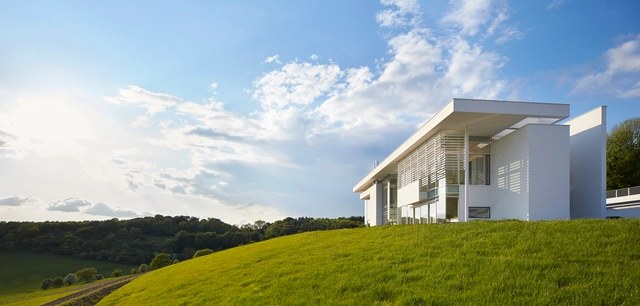
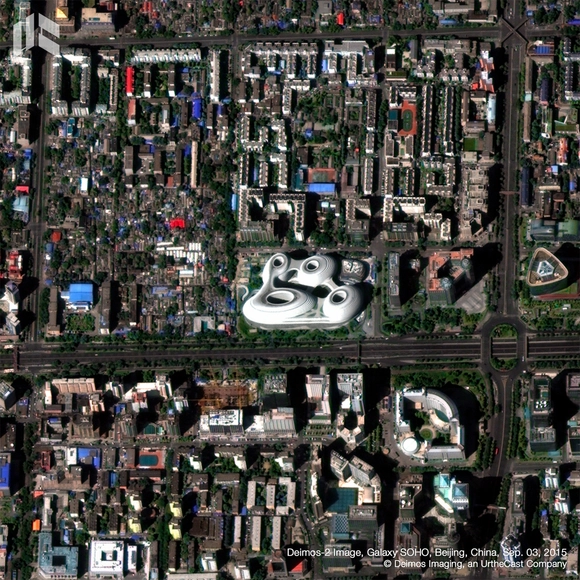
This week marks the first anniversary of the death of Zaha Hadid, the most successful and influential female architect in the architectural discipline. Born in Baghdad (Iraq) in 1950, Hadid became the first woman to receive the Pritzker Prize in 2004, and twelve years later received the gold medal from the Royal Institute of British Architects (RIBA).
Hadid's untimely death left a fascinating and inspiring legacy. Meanwhile her firm, Zaha Hadid Architects, continues to work on nearly a hundred projects worldwide. To remember her legacy, Spanish company Deimos Imaging has shared a series of photographs focusing on Hadid's work in five countries.
The images were captured by the Deimos-2 satellite, which was launched in 2014 and designed for very high-resolution Earth observation applications, providing multispectral images of just 75 centimeters per pixel. Hadid's incredible works take on a new dimension when you contemplate their proportions from the sky—or rather, from a satellite.

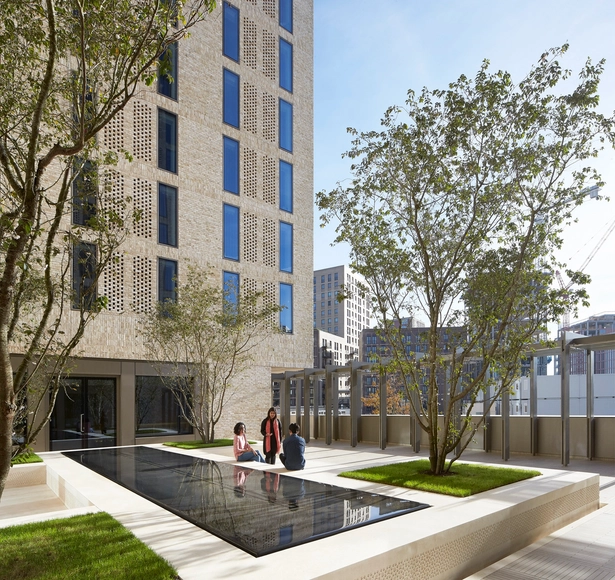
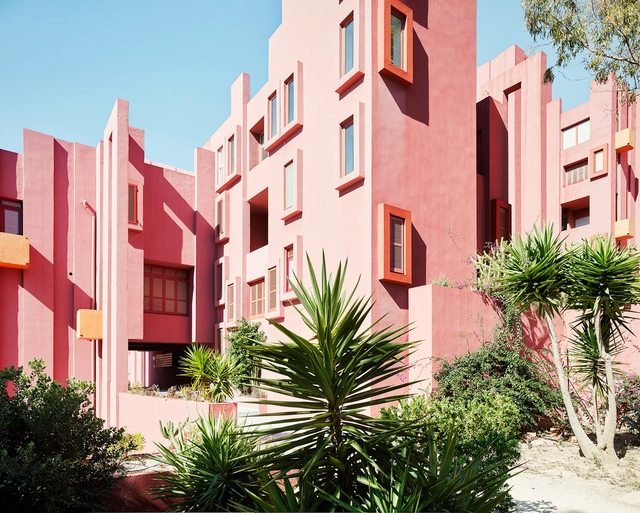
Happy Valentine's Day!
We've affectionately rounded up 14 projects that use the power of the color most associated to love, passion, joy, sexuality and intensity: red

2016 was a defining year for ArchDaily. The change and uncertainty around the globe which emerged during the past year allowed us to double down on our mission to provide information, knowledge, and tools to architects, leveling the access to architectural knowledge and enabling a more diverse, equitable profession. As part of this, we now have a renewed focus on data-driven decisions and crowdsourcing architecture's understanding of its own work. The flagship of this crowdsourcing effort has always been our annual Building of the Year awards.
Now, for the 8th consecutive year, we are tasking our readers with the responsibility of recognizing and rewarding the projects that are making an impact in the profession, with ArchDaily's 2017 Building of the Year Awards. By voting, you are part of an unbiased, distributed network of jurors and peers that has elevated the most relevant projects over the past seven years. Over the next two weeks, your collective intelligence will filter over 3,000 projects down to just 16 stand-outs—the best in each category on ArchDaily.
This is your chance to reward the architecture you love by nominating your favorite for the 2017 Building of the Year Awards!
Full rules after the break.