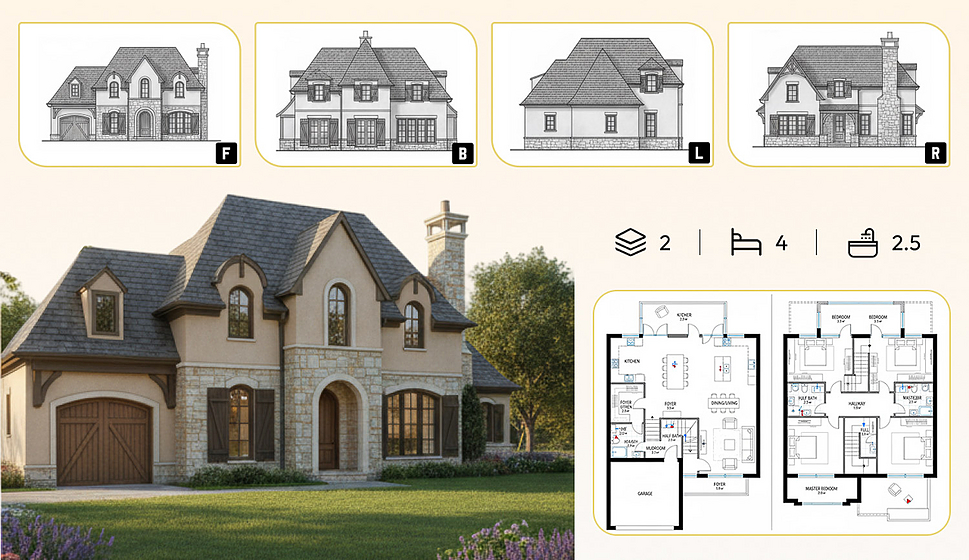
This guide covers a workflow that moves from project parameters to generated floor plans, 3D perspective views, exterior design exploration, and site context visualization, using AI tools in place of preliminary CAD and rendering work.
This guide covers a workflow that moves from project parameters to generated floor plans, 3D perspective views, exterior design exploration, and site context visualization, using AI tools in place of preliminary CAD and rendering work.


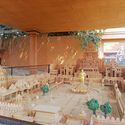
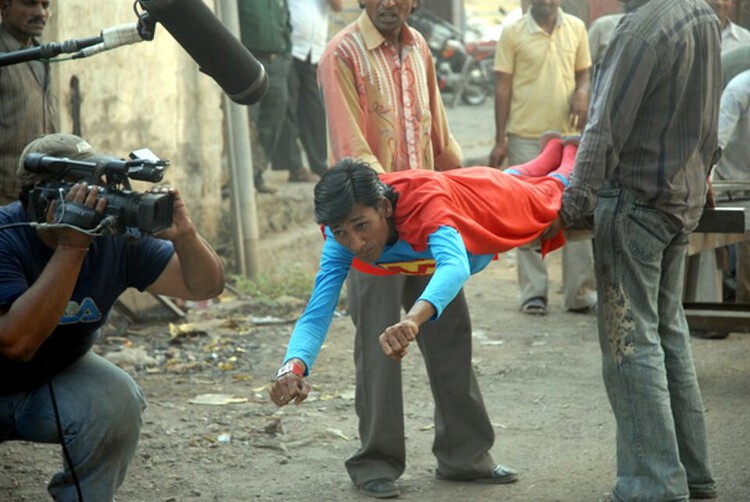
Some of India's most convincing architectural worlds have never existed outside a film set. Courtyards, palaces, streets and even entire neighbourhoods have been constructed, lit and framed for the camera, then dismantled when filming ends. Their images remain. For millions of viewers, these spaces become references for how cities look, how wealth is displayed and how particular neighbourhoods or versions of India are remembered. Cinema constructs spatial worlds, compressing complex histories into images that audiences can recognise almost instantly. Those images can later shape how physical places are understood.


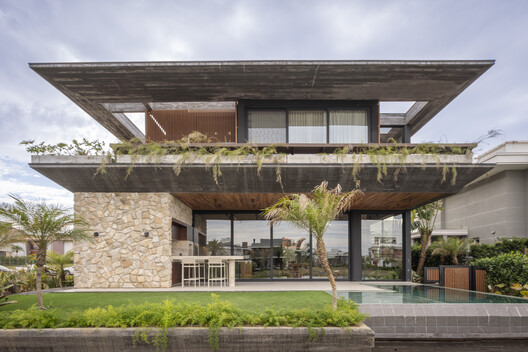


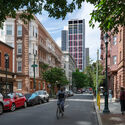
The spatial consequences of urban form are revealed when health outcomes are mapped over neighborhoods. Neighborhoods that support walking, daily errands, social interaction, and access to essential services create opportunities to incorporate physical activity into routine tasks. Places that are organized around long distances and automobile travel suppress this opportunity. Physical activity and the motivation to incorporate it into daily life are shaped by the distance to a grocery store, the safety of a pedestrian crossing, the frequency of public transportation, the width of a sidewalk, and the quantity of services within walking distance.


Since its launch in 2020, the ArchDaily Next Practices Awards have spotlighted forward-thinking architecture practices that are redefining the boundaries of the discipline. Over five editions, the initiative has recognized 105 practices from 44 countries, amplifying voices from around the world and fostering a global conversation about architecture's evolving role in society. Across the winning practices, recurring values emerge: contextual sensitivity, sustainable material use, co-creation with communities, experimental and interdisciplinary approaches, memory and heritage, social responsibility, and human-scale interventions.
The program reflects what is next: the ideas, practices, and projects that should be brought forward. 'Next' embodies practices that find solutions to today's urgent challenges while anticipating the needs of tomorrow. By spotlighting these practices, we hope to illuminate the paths that can lead to a more meaningful and resilient future for architecture and beyond.