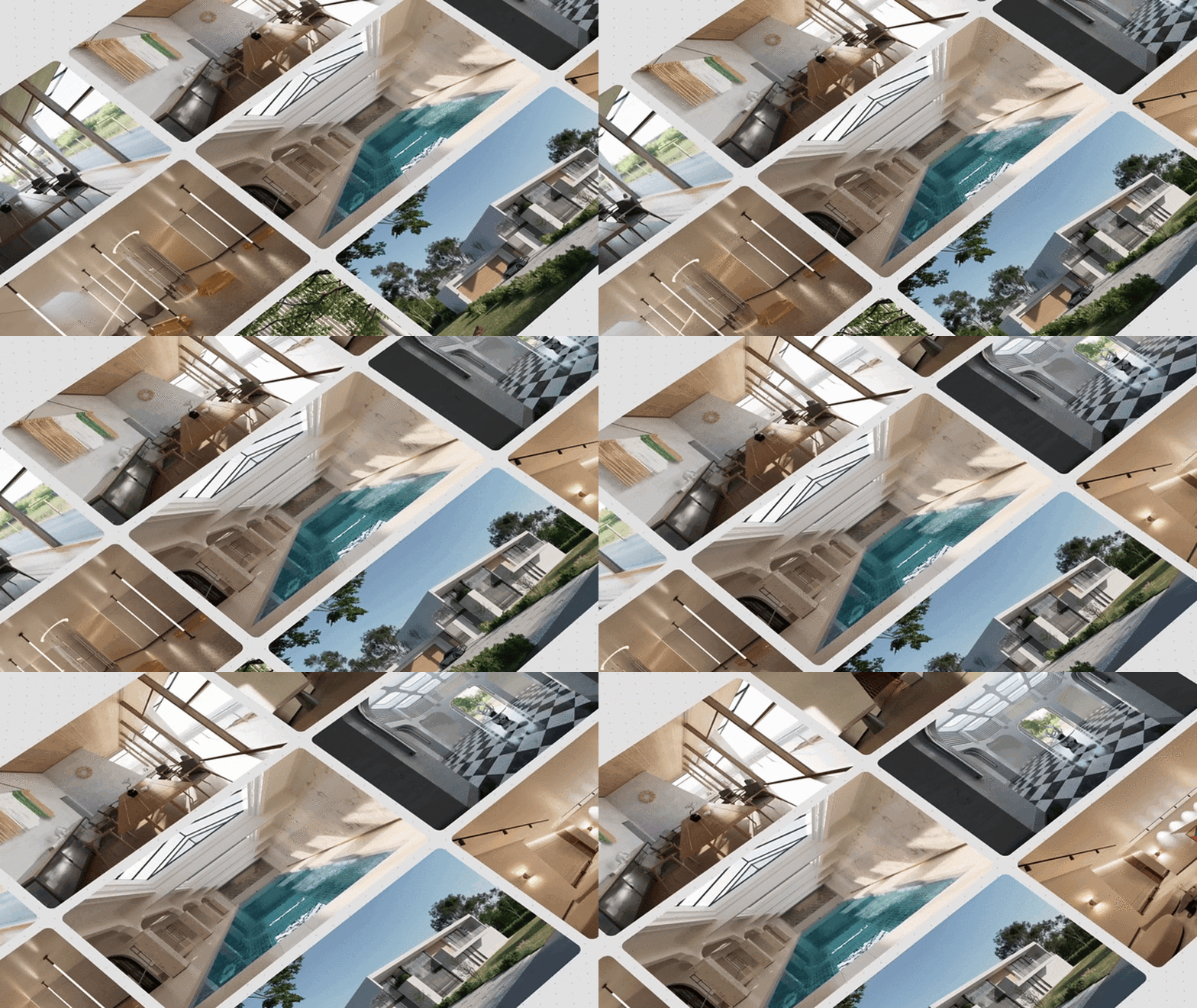
How to visualize architectural concepts in SketchUp using D5 Lite for faster design exploration.
How to visualize architectural concepts in SketchUp using D5 Lite for faster design exploration.


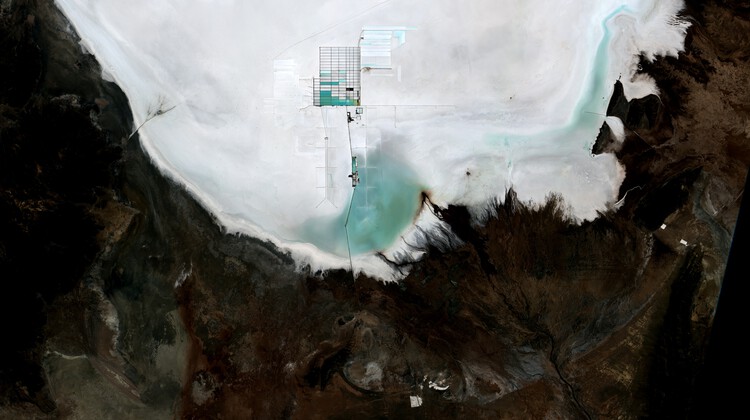
Every building begins somewhere else. The sand in its concrete, the stone on its façade, the lithium that may one day power its systems. It arrives, already stripped from a mountain, a riverbed, or a salt flat thousands of kilometers away, having passed through a chain of trucks, ships, and customs declarations that erase almost everything about where it came from. Architecture tends to treat material as a starting condition, something simply available, but extraction is where construction actually begins.
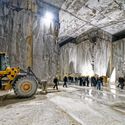
The global trade in construction sand alone now moves on a scale that rivals the illegal markets in timber, gold, and fish combined, run through networks violent enough to have cost reporters and activists their lives. A single mountain in Tuscany has yielded more marble in the past few decades than in the two thousand years before them, hollowed out by a workforce whose own history of revolt has been almost entirely forgotten. Beneath the salt flats of three South American countries and the copper belt of Central Africa, the minerals that will supposedly power a cleaner future are pulled from ground that Indigenous communities have inhabited for generations and that children, in some cases, mine by hand. Each of these is sold as ordinary commerce; each is also a territorial transaction whose terms were set somewhere far from where the material was taken.


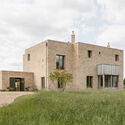
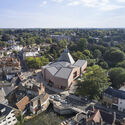
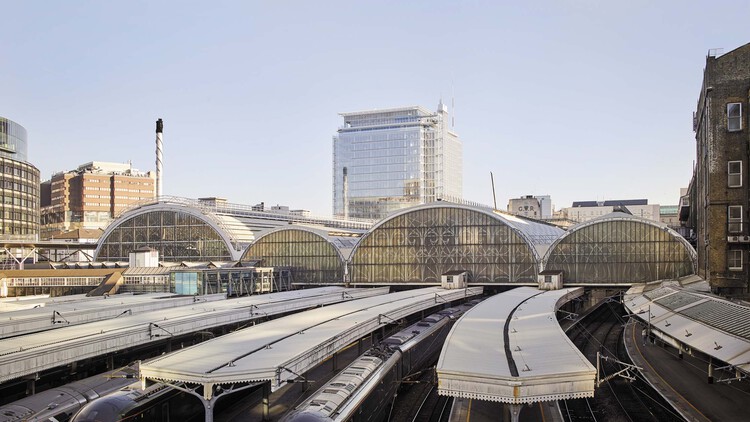
The Royal Institute of British Architects (RIBA) has announced the six shortlisted projects for the 2026 RIBA Stirling Prize, marking the award's 30th anniversary. Established in 1996, the Stirling Prize recognizes the building considered to have made a contribution to the evolution of architecture in the United Kingdom. This year's shortlist spans a broad range of typologies, including a new public square above one of London's busiest transport interchanges, the adaptive reuse of a 1970s theater into a cultural venue, a high-density residential development, two projects for Cambridge colleges, and a family home set on the edge of Epping Forest. The winner will be announced on October 15 at Old Billingsgate in London.


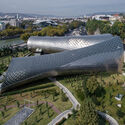
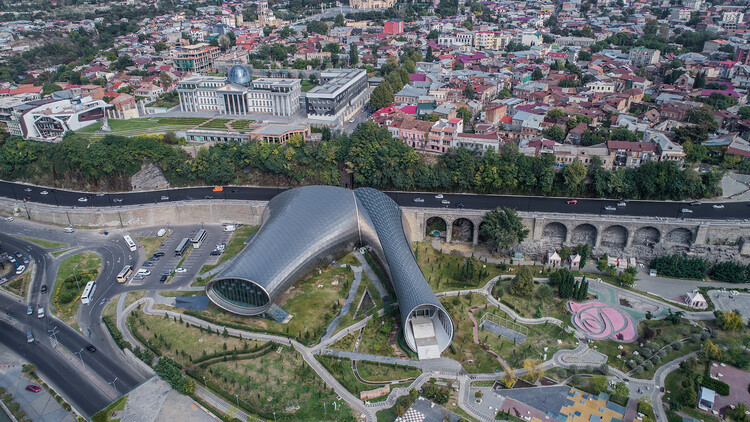
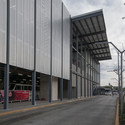
On July 13, 2026, Tbilisi City Hall issued a permit to dismantle Rike Park's tube-shaped Music Theater & Exhibition Hall. The complex, designed by the Italian firm Studio Fuksas, was never officially opened since its completion in 2012, around the same time as the firm's Tbilisi Public Service Hall. The design has been a source of controversy between authorities and citizens since its commission in 2011, when it was built during the government of the United National Movement (UNM), and was suspended after the change of government in 2012. The two structures, often referred to as the "Rike Tubes," were originally intended to house a music theater and exhibition space but remain to this day without any official use.
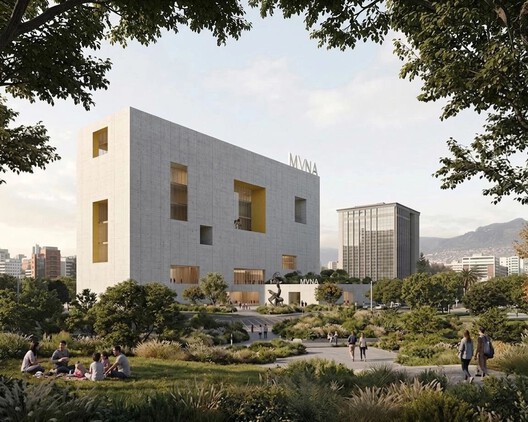
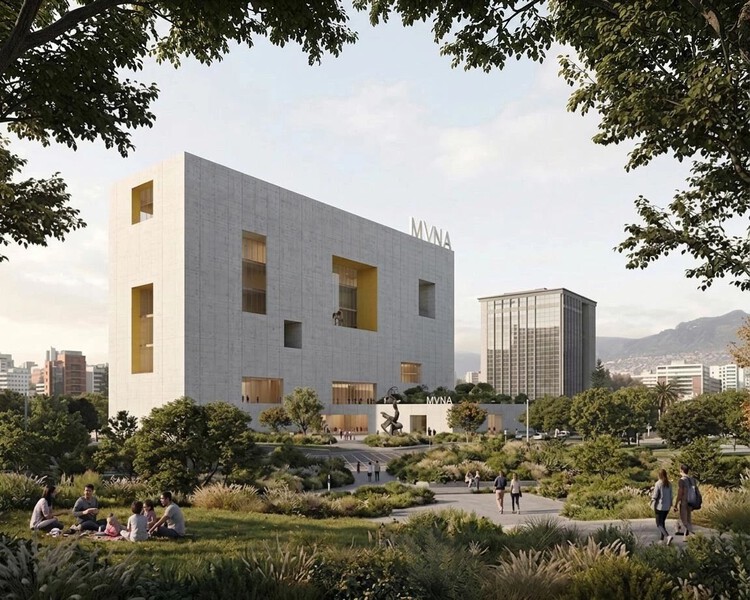
The announcement of the winning proposal for Ecuador's new National Museum (MuNA) sparked one of the country's most significant architectural debates in recent years. The public response has since reshaped the competition itself while also raising broader questions about how a national museum gives architectural form to an interpretation of a nation. While the discussion began with a single design, it exposed a challenge that extends far beyond Ecuador.
National museums are not simply asked to represent a nation. They are asked to give it architectural form. Yet identity cannot be built directly. Before it becomes architecture, it must first be interpreted and translated through architectural decisions.



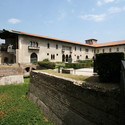
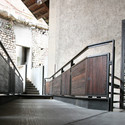
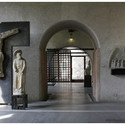
The Museo Civico di Castelvecchio is one of Verona's most important museums, as well as one of the most compelling repositories of Italian and European art. The prominent castle that houses it, built between 1354 and 1356 alongside the Scaligero Bridge in Verona, was restored by renowned architect Carlo Scarpa starting in 1957. Carried out in several phases over 18 years, the project became one of his most significant works, revealing his admiration for Frank Lloyd Wright's architecture and traditional Japanese spatiality.
The museum is located within the La Scala di Castelvecchio fortress complex, spread across more than thirty rooms dedicated to sculpture, Italian and foreign painting, ancient weapons, ceramics, jewelry, miniatures, and historic bells.
Read more after the break.
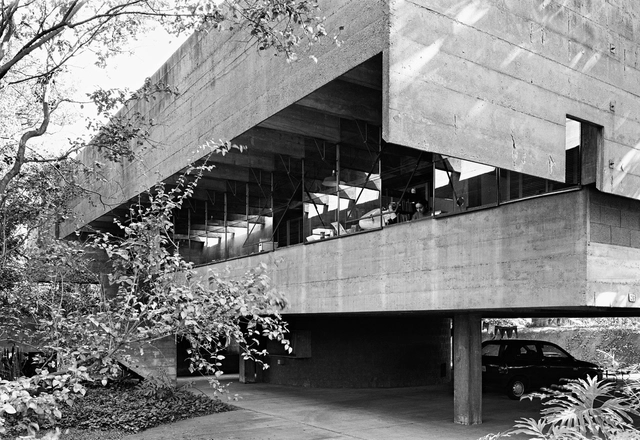
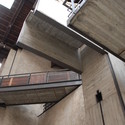
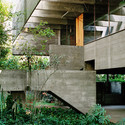
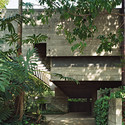
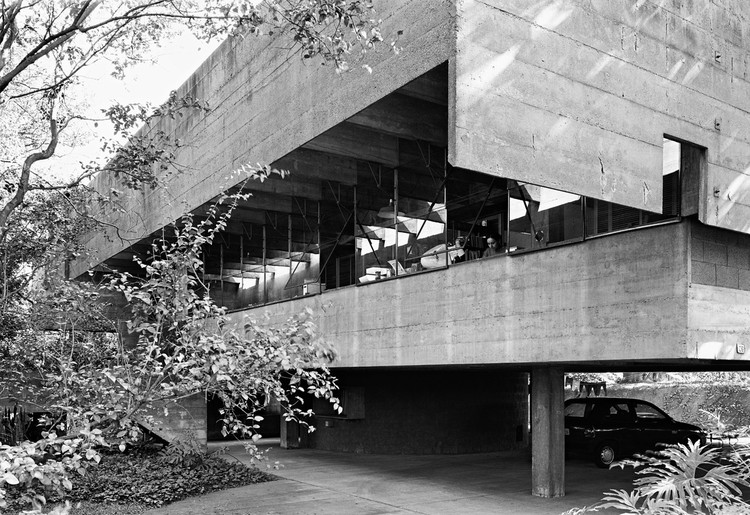
If the two outermost transverse beams of the roof slab descended to form the end walls of the main floor, they would align perfectly with the perimeter of the floor slab. Had the longitudinal beams not cantilevered twenty centimeters to support and offset the concrete end walls, there would be no room for the upper gutter, nor would a gap be created in the main floor to indirectly illuminate the interior. If low concrete-block walls had not been raised along the sides of this floor, the facades would lack their two overlapping planes and the constant shadow between them—and, at times, a third, intermediate plane.