

-
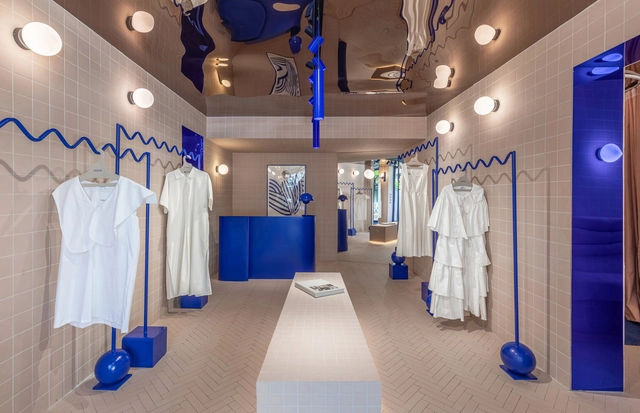
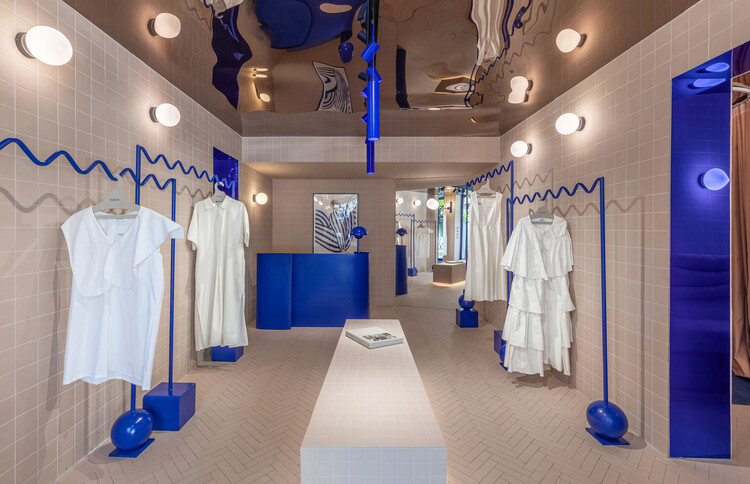
Architects: IOG Arhitectura
- Area: 22 m²
- Year: 2024
-
Manufacturers: Cesi Ceramica, The Edit

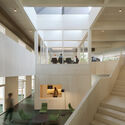
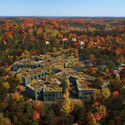
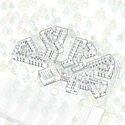
In 2016, an international public architecture competition was announced to design a new administrative center for the Czech Forestry Commission. The new building would replace the existing headquarters on the outskirts of Hradec Králové, a medieval city surrounded by municipal forests on its eastern limit. CHYBIK+KRISTOF's 'Forestry in the Forest' project was selected as the winning proposal in 2017 after a two-round anonymous competition. Now, seven years after the competition, the firm has revealed images and plans for what is set to become the largest wooden structure in the Czech Republic. The design is characterized by establishing a permanent relationship with the surrounding landscape and by seeking to exemplify the benefits of timber construction for the local industry.



What is our vision of public spaces from the past? Consider, for instance, a park—arguably the most iconic example of this typology. It is an environment designed with winding paths and rest areas, where we often find tables and fixed benches, positioned along the way. Its design prioritizes permanence and contemplation. But when we turn to the present, how do we envision it now? Indeed, the traditional concept of public space has not disappeared entirely. However, our way of interacting with it has changed, driven by the need for flexibility in ever-changing environments. This shift has sparked the exploration of new design approaches. As a result, modular seating systems have become a dynamic field of experimentation, continuously adapting to changing uses and perceptions.
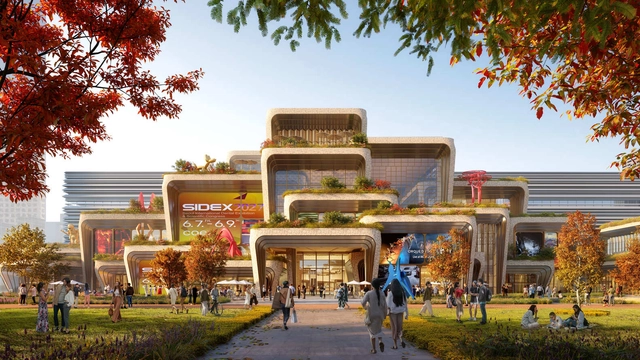
Heatherwick Studio has been selected to lead the redesign of the Coex Convention Centre in Seoul, following a competition aimed at reimagining the building's purpose and facade. In collaboration with the Korea International Trade Association (KITA), the studio's proposal seeks to transform the convention centre into a more open and inviting public space that reflects Seoul's evolving identity.