-
Architects: extrastudio
- Area: 120 m²
- Year: 2025
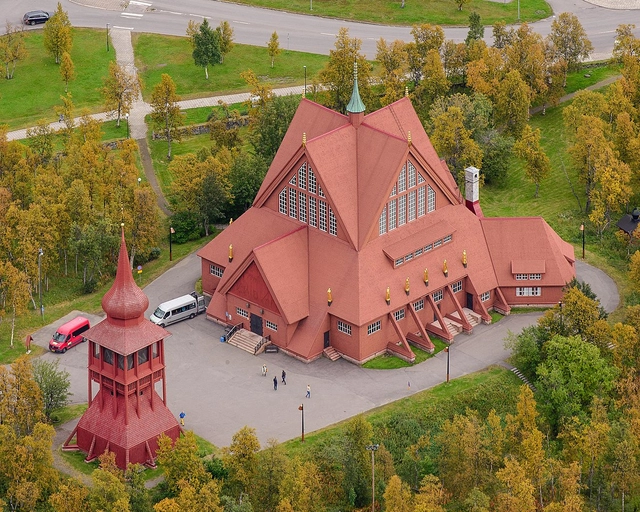
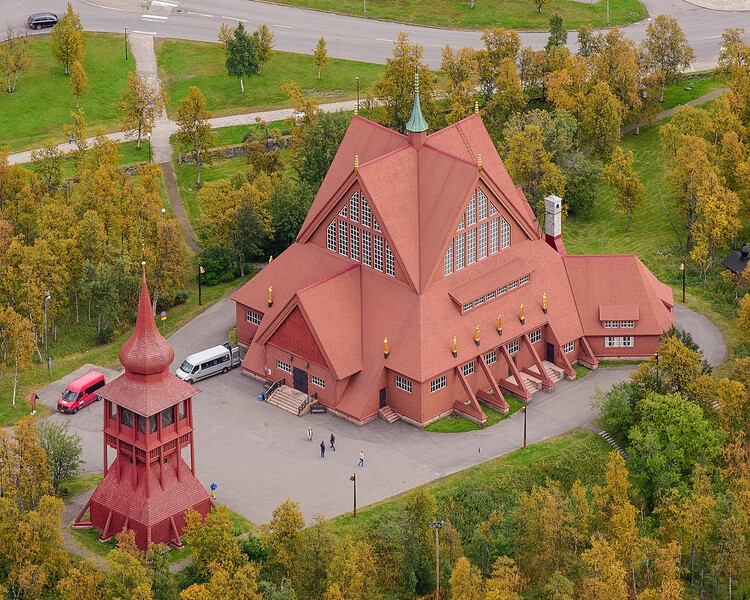
Between August 19 and 20, 2025, thousands of spectators watched as one of Sweden's largest wooden buildings was lifted onto beams and wheeled across town. The Kiruna Church, constructed between 1909 and 1912, was designed to echo the form of a Sámi hut in Sweden's far northern region, within the Arctic Circle. The building was designed by architect Gustaf Wickman, who served as the church's architect at the time, and combines elements of Gothic Revival with an Art Nouveau altar. The building, one of the city's main tourist attractions, was moved to a new location between the cemetery and the new city center to prevent damage caused by the expansion of the local mine.



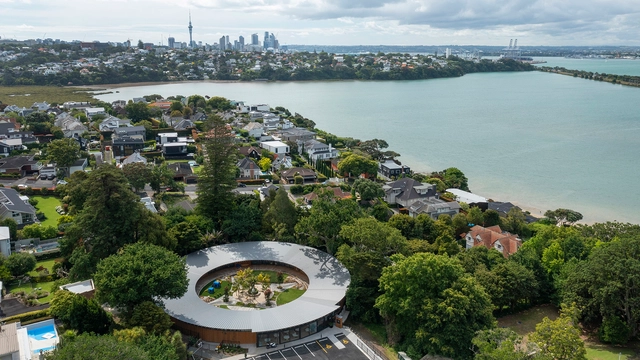
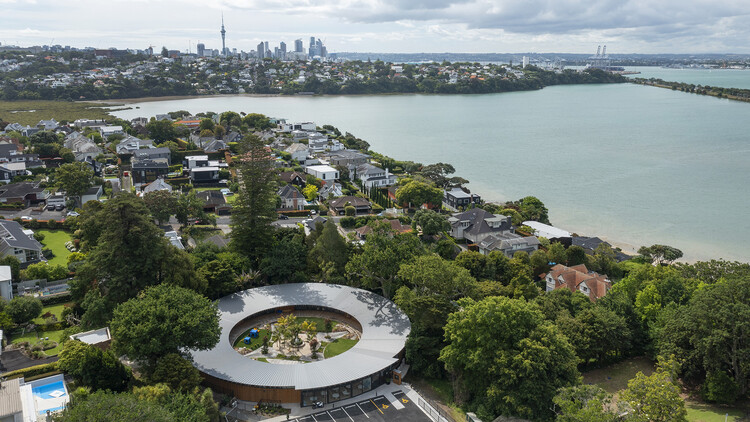
How do nature and landscape dialogue within spaces designed for children? How are architecture and urban design capable of shaping natural atmospheres that integrate practices of play, participation, and exploration? From participatory projects that involve children in the design process to built environments that incorporate furniture adapted to their needs, the conception of spaces for childhood entails the creation of places for encounter, learning, and coexistence. At times, these spaces are able to strengthen the relationships between interiors and exteriors, connecting their users with nature and the surrounding environment. Depending on their cultures, customs, and histories of attachment to place, several contemporary projects deploy tools and strategies that integrate architecture, nature, and pedagogy to form broad experiences of learning, play, and discovery.

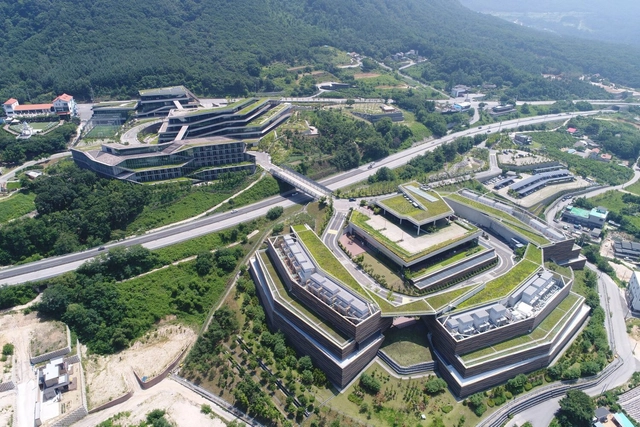
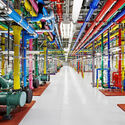
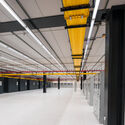
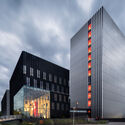
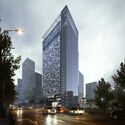
As the AI fervor continues to reshape how people see the world, 2025 looms as yet another year in the march toward technological advancement. While some worry about the dominance of technology in society, architects are shifting their attention to the foundations of a digital future: data centers. The design of data centers challenges designers to reconcile the demands of technological functionality with the principles of architectural excellence. As the dependence on cloud computing, IoT ecosystems, and big data analytics deepens, data center architecture demands more attention. As data consumption skyrockets, data center consumption rates match the demand. These structures were once relegated to nondescript industrial zones, but are now becoming integral components of urban and suburban environments. While some community members are upset about the encroachment of data centers in their localities, others see them as indicators of economic development.