

-
Architects: Lauti Esain
- Area: 33 m²
- Year: 2026



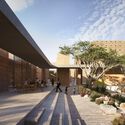
"Design a cultural center on a desert coastline, in the style of Alvar Aalto, wood structure, golden hour, aerial drone shot, photorealistic, 4K." Within seconds, a line like this returns a convincing image. What is less visible is the shift it demands. For centuries, architectural imagination relied on the body: the hand that sketches, the fingers that shape a model, or, more recently, the click of a mouse in computational tools. Words came afterward, to explain what had already taken form. Today, the order is increasingly reversed. Before an image can exist, it must first be described: its references named, its materials listed, its mood specified.
This translation is not trivial. Intuition rarely arrives as a written sentence, and much of what architects imagine resists description. Yet as words increasingly become the entry point to the image, they also shape what can be imagined. The vocabulary available to describe a space begins to define the space itself.


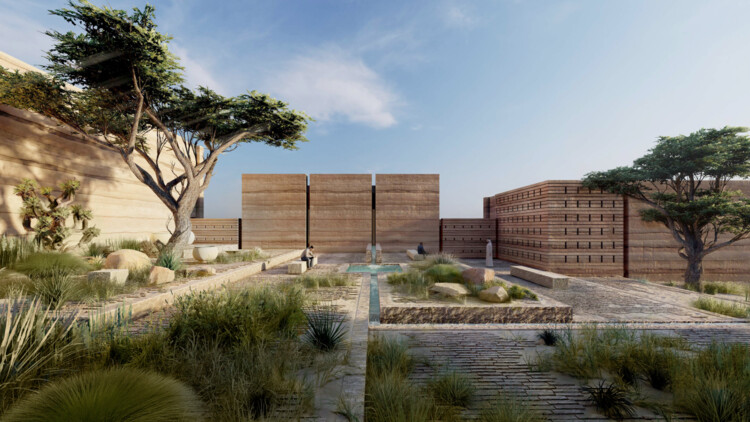
Sharjah Design Centre (SDC), a new institution dedicated to design, material research, prototyping, and production, is scheduled to open in 2029 as part of the Sharjah Creative Quarter in the United Arab Emirates. Designed by Taller de Arquitectura – Mauricio Rocha in collaboration with architect Daniel Rosselló, the centre will bring together specialist laboratories, research facilities, production spaces, and public programmes within a purpose-built building. Under the leadership of H.E. Sheikha Hind bint Majid Al Qasimi, SDC aims to connect designers, manufacturers, researchers, and entrepreneurs through an integrated framework for material experimentation, fabrication, and knowledge exchange.
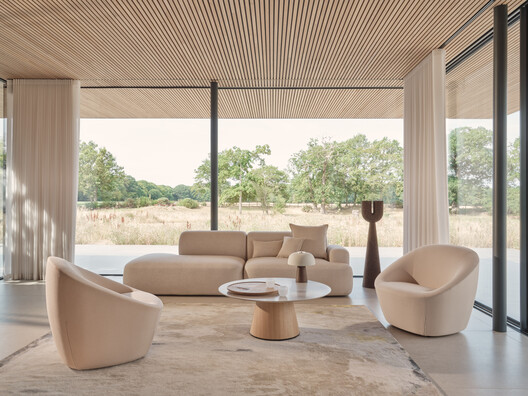
Furniture waste is not always the result of physical damage that renders a product unusable. Chairs, sofas, and tables are often discarded because they no longer fit an interior concept, are perceived as outdated, or are replaced during a renovation. In many cases, their structures remain functional, even when upholstery is worn, or the surrounding space has changed. The result is a cycle of replacement in which usable products become waste, while new resources are extracted and processed to manufacture their successors.


Pritzker Prize laureates Anne Lacaton and Jean-Philippe Vassal have been announced as the recipients of the 2027 Le Prix Charlotte Perriand. Organized annually by the Créateurs Design Awards (CDA), the prize recognizes practitioners whose contributions have advanced architecture and design through a peer-led voting process. For its eighth edition, the organization highlighted the work of the French architectural studio as a demonstration of "how the adaptation of existing structures can improve living conditions while preserving resources and architectural heritage." Previous recipients of the prize include Xu Tiantian; Kazuyo Sejima and Ryue Nishizawa; Frida Escobedo; and Jeanne Gang.

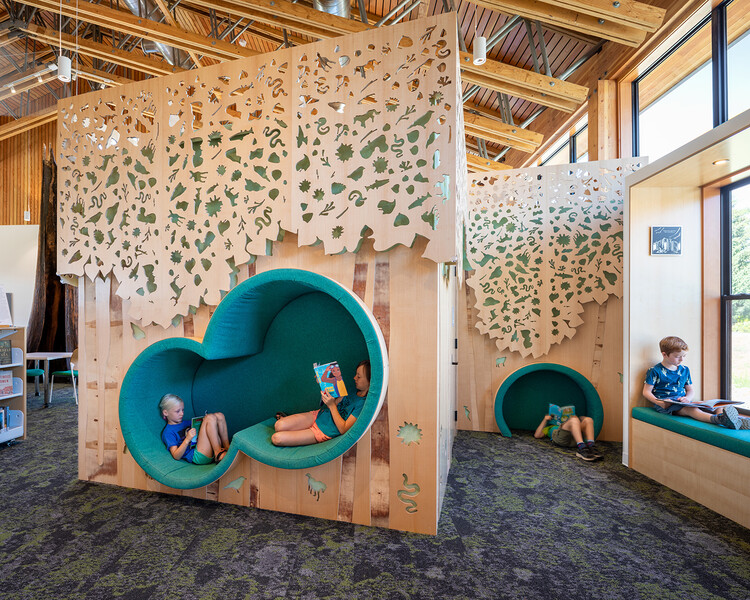
Wide doorways, properly designed ramps, and elevators are essential to a building's accessibility. But whether people can actually use its spaces also depends on the sensory conditions they offer. For some neurodivergent people, this is critical, as bright lights, overlapping sounds, or confusing circulation routes can prevent them from staying in a space and participating in activities.
Jack Chaffin, a partner at Johnston Architects, draws attention to these barriers in an interview with ArchDaily: "A building may therefore comply with accessibility codes and still be functionally inaccessible to someone who becomes overwhelmed, disoriented, or exhausted by it."