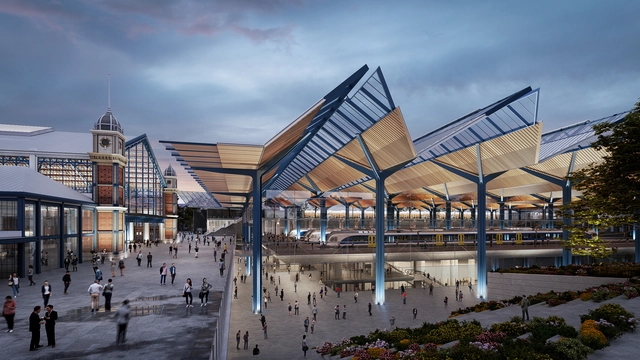
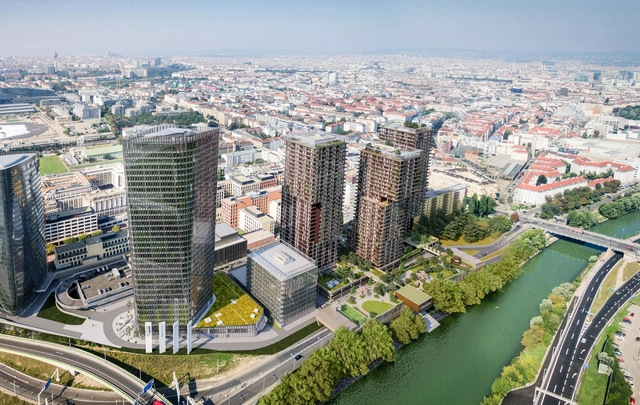
Grimshaw, in collaboration with Nautes Architects, WSP, Vogt and Turner & Townsend, have been awarded first place in an anonymous competition for the renewal of Budapest Nyugati Railway Station. Selected from a shortlist of 12 international design firms, the winning design creates a "permeable station campus" with a series of car-free streets, walkways, public squares and a park, which open up the station complex to the city and restores its significance as one of the most vibrant and historic cities in Europe.
The Zero Carbon policy is intended to create a kind of ecological balance to neutralize greenhouse gas emissions. Several studies report that the construction sector is one of the main responsible for the unbalance in which we find ourselves today, after all, it consumes natural resources on a gigantic scale and still builds buildings that do not collaborate with the maintenance of the environment. Therefore, searching for paths towards a carbon neutral architecture has become fundamental and one of them is learning from past masters, such as the Brazilian architect João Filgueiras Lima, known as Lelé.
Coastal cities have always been a point of attraction for residents, tourists, and businesses. Alongside the aesthetic features, their proximity to the sea has made these cities a focal point for maritime transportation with the construction of ports, as well as hotspots for recreational and aquacultural activities. However, the past decades saw these particular regions threatened with a shortened lifespan; rising water levels, floods, and recurring cyclones, along with other natural disasters, have endangered coastal communities, putting their population, ecosystem, and built environment at risk.
Pritzker Prize 2022 Laureate Francis Kéré is known for “empowering and transforming communities through the process of architecture”, as the jury stated in its citation. In this recently published video, Martha Thorne, Dean of IE School of Architecture and Design and former executive director of the Pritzker Architecture Prize, shares some of the reasons why Francis Kéré has won the Pritzker Prize 2022.
In 2014, when The Guardian reporter Ben Quinn opened the eyes of citizens worldwide to hostile urban design practices, coining what would become known as the "hostile architecture" phenomenon, few expected such a massive global response. A myriad of urban design strategies came to light, which restrict civic participation and segregate how the city is appropriated—elements that curb specific behaviors and hinder access and presence for certain social groups. These codes of conduct, dictated by urban design, run counter to everything studied about democratic, welcoming cities, as championed by Jan Gehl and Jane Jacobs.
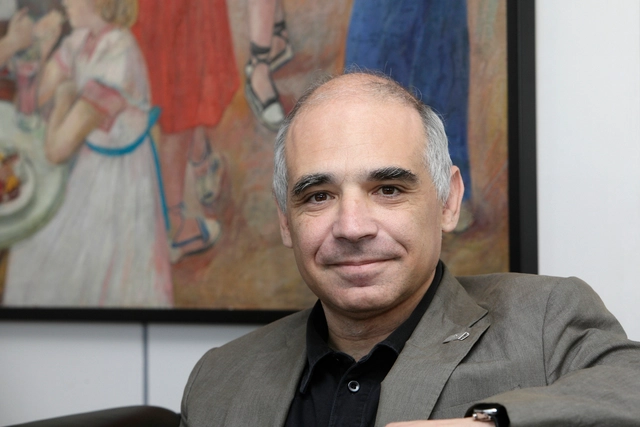
Lluís Comerón, Medalla de Oro de la Arquitectura 2022. Image Cortesía de CSCAE
Spanish architect Lluís Comerón, who recently passed away at 62, has been recognized for his tireless professional practice with the Gold Medal of Architecture. The High Council of Colleges of Architects of Spain (CSCAE) has posthumously awarded the Gold Medal of Architecture to Catalan architect Lluís Comerón Graupera, who served as president of the institution during the 2018–2022 term.
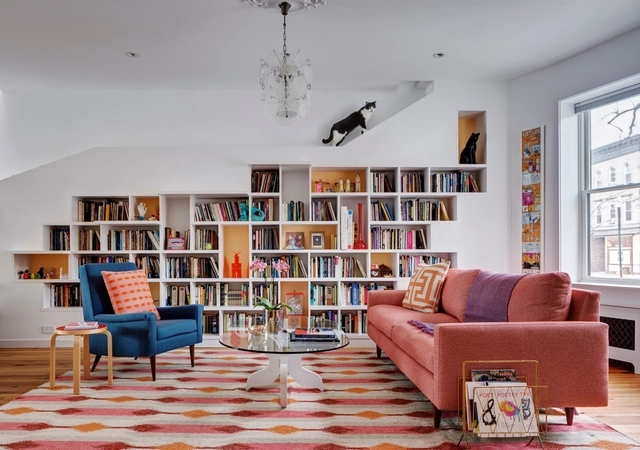
In times of an ongoing global pandemic and constant video meetings, more and more people are leveraging their bookshelves at home to not only create appropriately stylish screen backdrops but also communicate credibility. There’s even a Twitter account on the subject. That being said, not everyone has a library-worthy collection to display or the space to store heavy art volumes. But whatever your personal shelf dream – even if it involves cats – here are five design elements that will help you make the most out of a tool you didn’t know you had, plus real examples of how they are being used to enhance bookshelves in projects around the globe. Head to the bookshelf section on Architonic for further inspiration and concrete product examples.
Ensuring that a project's construction team is working with the most up-to-date information is critical to its success; but this is not an easy task. Document management workflows are often disconnected or disjointed due to manual administrative processes and disparate systems. As a result, poor document management can result in schedule delays, quality issues, expensive rework, budget overruns, and litigation.
Following Qatar's ambitious museum-building project to further promote cultural institutes in the country, Her Excellency Sheikha Al Mayassa bint Hamad bin Khalifa Al Thani, Chairperson of Qatar Museums has announced that OMA, Herzog & de Meuron, and ELEMENTAL will be designing three new museums in Doha that explore the themes of Islamic art, contemporary art, and evolution of the automobile industry respectively.
Construction broke ground on a new cruise terminal at Port of Miami designed by Arquitectonica for cruise operator MSC Cruises. With the capacity to process 36,000 passengers per day and simultaneously accommodate three mega cruise ships, the structure due for completion in 2023 will be the largest cruise terminal in North America. Located on the eastern end of the Port, the 4-storey structure makes the most of the long, narrow site by creating a layered embark and debark experience, expressed in its architectural image.
Like other professions, Architecture and Urbanism often revolves around its own language. What may seem like a basic term for professionals in the field, can often sound completely strange or meaningless to those starting their studies or who are curious about the field. For this reason, we created a small glossary with some words that are important to expand your vocabulary and contribute to a future discussion about your project.
For many people, the bed and bedroom are no longer just a place to rest. Beatriz Colomina has already presented different studies on how work and leisure came to occupy this environment, and, today, this becomes increasingly present in our daily lives. If the way we occupy space is constantly changing, how can we better use their area to cover all the necessary functions?
Carbon footprints and CO2 emissions are large topics in our conversations about how we create a more sustainable future. Over time, different companies, organizations, and individuals have pledged to alter their lifestyles and habits to make changes that show that they are dedicated to combating climate change. Especially in the design industry, where buildings generate nearly 40% of annual CO2 emissions broken down between daily operations and construction/demolition, architects have long been feeling the pressure of exploring ways to prove that we are doing our part.
When we take a look at the different scales of emissions, one question commonly occurs- how can we measure the different levels of impact? Is it on us individually to recycle and ensure we never use plastic straws again? Does this even have a major impact? Do more car manufacturers need to find alternates for gasoline-fueled automobiles? Do architects need to only source sustainable materials? What are the actionable steps that truly have an impact?
cove. tool's core mission is to fight climate change by helping architects, engineers, contractors, and developers use data-driven design through automation and cost optimization. Creating a competition premise that called attention to this critical issue was important. With the recently published landmark Intergovernmental Panel on Climate Change's (IPCC) 2021 report that warned of increased extreme heatwaves, droughts, and flooding, as well as a key temperature limit on track to be broken in just over a decade, it further highlighted the urgency. As climate change intensifies, housing stability will be increasingly under threat. These two inextricably linked issues had the potential to spark innovative ideas from the international design community and community-at-large. With the sizeable grand prize of $50k, the goal was to solicit entries from all over the world and help facilitate more conversations about carbon positive, affordable housing that could be replicated in multiple neighborhoods, cities, and countries. Sustainability and affordability are often two topics that are at odds. However, this competition proved that there are creative solutions to complex problems.
Traducciones: la utopía y el vacío performativo. Image Cortesía de Juan Manuel Sandoval Perdomo
To showcase the valuable work emerging from Latin American and Spanish universities, this year we launched an open call inviting architecture students to submit their graduation projects completed in 2021.
After thoroughly evaluating 137 proposals, our editorial team has selected and highlighted 10 projects that demonstrate rigorous critical thinking in response to their self-defined challenges. The selection valued not only those projects that delivered the best possible architecture through efficient design tailored to their context, program, and users, but also those that paid significant attention to human scale, the environment, experimentation, and new ways of addressing architecture in cities.
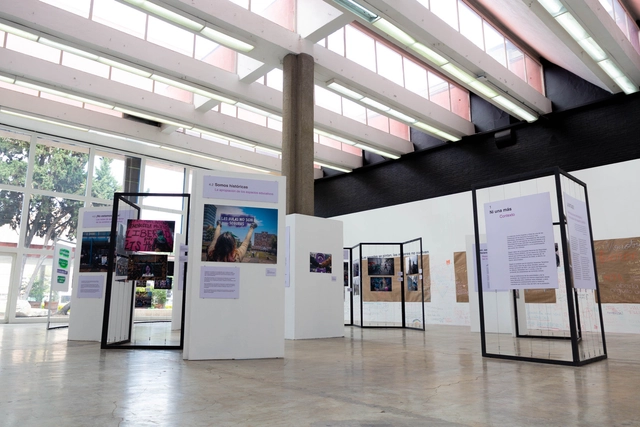
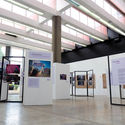
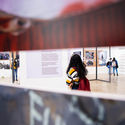
As part of the new cultural program of the María Luisa Dehesa Gómez Farías Gallery, located at the School of Architecture of the Autonomous University of Mexico, the photography exhibition "¡Juntas! Manifestaciones feministas y la apropiación del espacio público" ("Together! Feminist Demonstrations and the Appropriation of Public Space") opened on Friday, February 25. The exhibition was curated by the collectives Mujeres Organizadas de la Facultad de Arquitectura and Restauradoras con Glitter Isela Cruz Trejo.
Cortesía de Cayetana Mercé, coordinadora de Soy Arquitecta
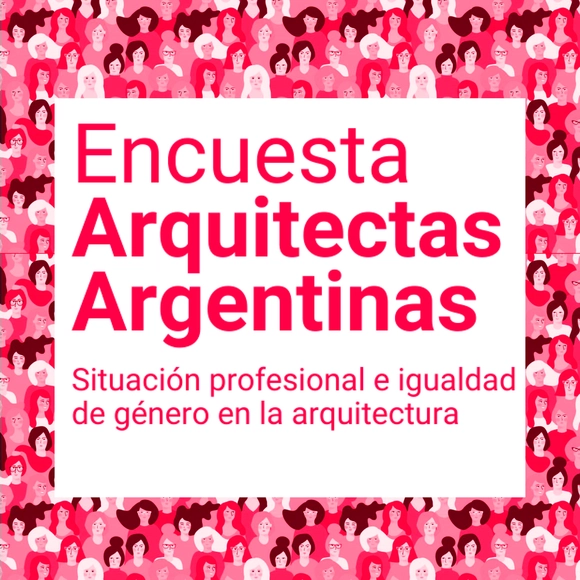
The professional network Soy Arquitecta, the Feminist Urbanism, Architecture, and Design Research Group, and the Observatory of Urban and Territorial Phenomena (FAU-UNT) organized the Argentine Female Architects Survey within the collaborative framework of CONICET, PICT "Design, Architecture, and Urbanism with a Gender Perspective in Argentina," and the Gender, Cities, and Territories Diploma program. The survey aimed to diagnose the employment status of Argentine female architects across the country's different regions, reflecting on the challenges they face in various professional environments and proposing new lines of action and transformation to improve their current situation.
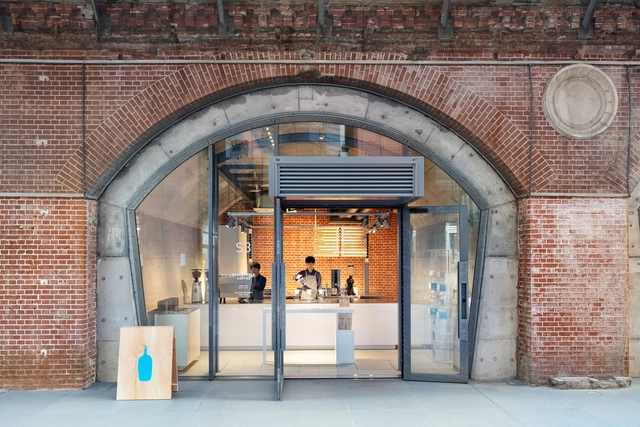
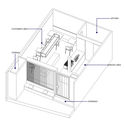
The interior design of a coffee shop can make-or-break an establishment. With an inviting design, you can transform drinking a simple cup of coffee into a wonderful experience. However, when you only have a few square meters and various machines and properties to distribute, finding an efficient configuration is not easy.
https://www.archdaily.com/896529/small-cafe-designs-20-aspirational-examples-in-plan-and-sectionClara Ott
Climate change, the scarcity of resources, and urbanisation are hot topics in the building and construction industry. In this context, the importance of sustainability cannot be overemphasised: almost 40% of global CO2 emissions and 36% of global energy usage is associated with building and construction. These figures clearly illustrate the increasing need for more sustainable solutions in the industry.
Companies that play an active role in the building industry have a responsibility to pave the way toward a more sustainable future. This is why partners like Uponor, one of the leading international providers of solutions that move water for buildings and infrastructure, strive to help customers in Europe to choose the perfect solutions for greener building designs.
Videos
Thunderhead by Team Wreford. Image via Canadian Heritage
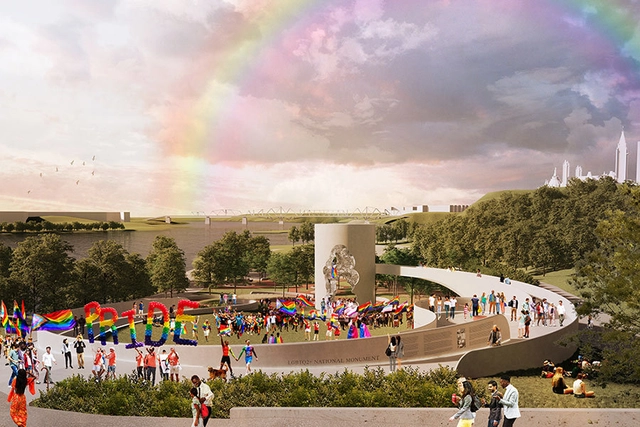
Canada’s Department of National Heritage, along with the Minister of Canadian Heritage Pablo Rodriguez, Minister for Women and Gender Equality and Youth Marci Ien, as well as the LGBT Purge Fund have unveiled “Thunderhead” as the winning concept of Ottowa's LGBTQ2+ National Monument competition. The winning design symbolizes a thunderhead cloud, which embodies the "strength, activism and hope of LGBTQ2+ communities, and will be a lasting testimony to the courage and humanity of those who were harmed by the LGBT Purge, homophobic, and transphobic laws and norms".
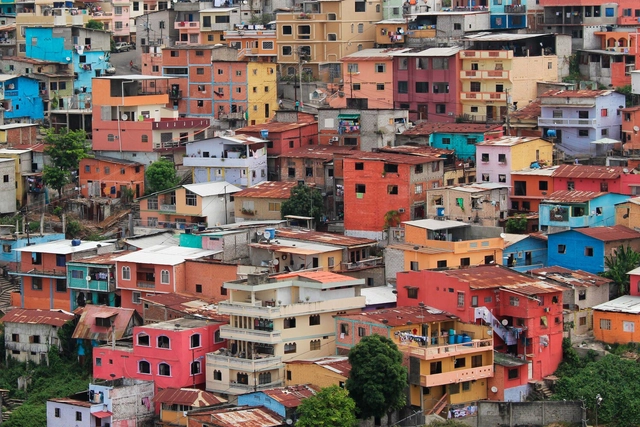
Favela Marte, located in São José do Rio Preto, in upstate São Paulo, will be the first community in Latin America to be fully powered by solar panels. The site will serve as a model for a broad project that promises to generate income and social development for its residents.
Known as Vila Itália, the community began to emerge in 2014. For several years, the residents were the target of lawsuits aimed at evicting them from the private land. A turning point came when the area was chosen to serve as a model for the “Favela 3D” project—standing for dignified, digital, and developed environments.
A new European architecture platform will launch in June this year, with the scope of supporting emerging architects and at the same time mobilizing the profession's efforts in delivering a sustainable, circular built environment. Operating on a grant from the Creative Europe initiative, LINA brings together 28 European and Mediterranean organizations from 23 countries, among which are several European biennials, triennials and festivals, museums, research networks and laboratories, publishing houses and universities. A successor to the Future Architecture platform, the initiative will be coordinated by the Faculty of Architecture at the University of Ljubljana and directed by Matevž Čelik.
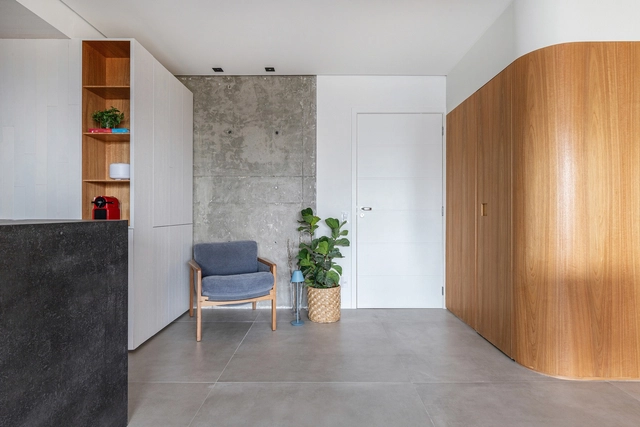
If the maxim "the first impression is the one that stays" is taken seriously, in architecture, the entrance hall takes on a fundamental importance. This small space, in addition to welcoming the house, can also gain several other functions: storing objects, housing a waiting and reading area, distributing the movement of the residence, displaying a painting. Finally, there are several possibilities to think about and occupy this environment, so here we present three design guidelines that can help you when thinking about it.