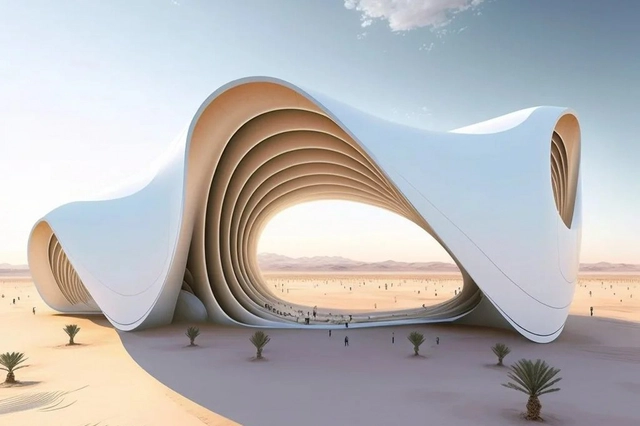
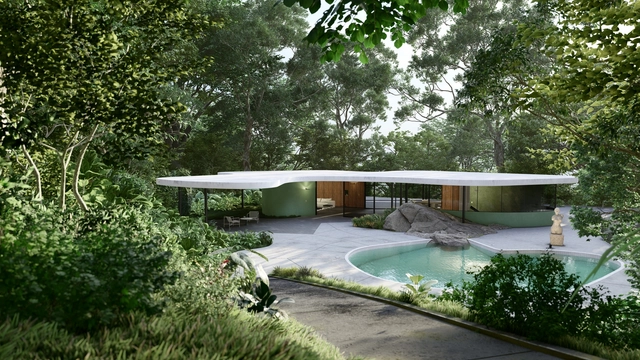
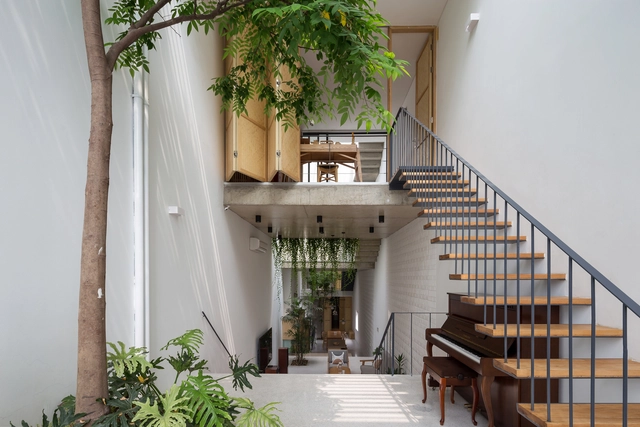
“Can you help me design my residential tower? It's 30 stories and located in Brooklyn, New York.” ChatGPT’s response may be surprising. Given that the bot has no architectural experience, and is certainly not a licensed architect, it was quick to rattle off a list of considerations for my building. Zoning codes, floor plan functionality, building codes, materiality, structural design, amenity spaces, and sustainable measures were just a few of the topics ChatGPT shared information about.
Visualization and technology have long gone hand in hand. It is, after all, a means of representing architecture that has relied on technological developments to keep up with the demands of a growing audience across multiple industries. But the fact that the two are inseparable does not mean that technology should dictate the way in which visualization is used. As technology advances, so too does its ability to become less obtrusive, allowing technological know-how to take a back seat in favor of the creative process and design exploration.
The new version of Lumion has entered into a visualization landscape that has changed dramatically over the past decade. The pursuit of photorealism that dominated much of visualization’s technological development has, for the vast majority of its users, been largely accomplished. Effective visualization is now no longer an exception to the norm, but increasingly an expectation. As Remko Jacobs, Lumion Founder and Chief Technical Officer, explains, “photorealism is there, particularly when it comes to imaging the exterior of buildings. It’s much easier to make something that looks good.”
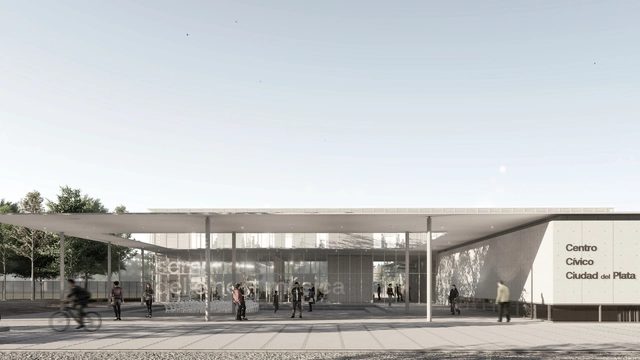
Within the framework of the Local Land-Use Planning and Sustainable Development Plan of Ciudad del Plata and its area of influence, a competition for preliminary architectural designs was launched to develop the Ciudad del Plata Civic Center. The goal is to transform the city, thereby establishing and strengthening a new urban-territorial centrality.
Rising living costs are relevant hurdles to young people, seeking a place to live, while much older generations might find it more difficult to settle into comfortable post-retirement settings. These general issues have been pushing forth a recurring solution, namely a return to multigenerational family living.
While communal living concepts and developments had been adopted in recent years, familial involvement is proving to be a financially, legally, and emotionally viable alternative.
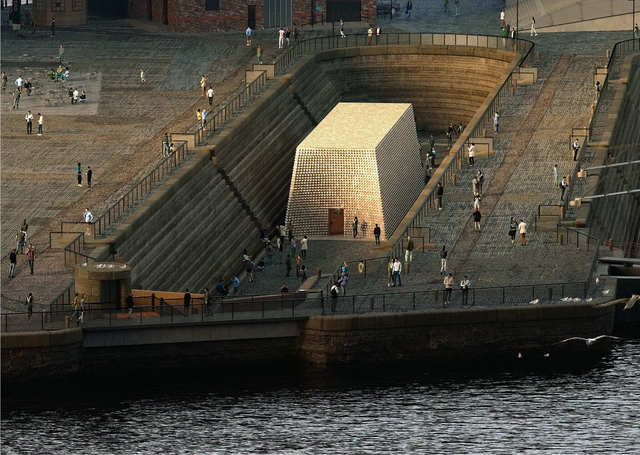
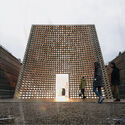
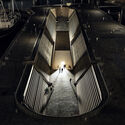
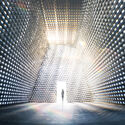
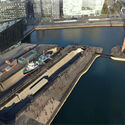
National Museums Liverpool (NML) has revealed a revised version of the redevelopment of the city’s waterfront, led by architect Asif Khan and artist Theaster Gates. The plans include the redesign of the public spaces at Canning Dock, a historical area central to the Liverpool docks. As part of the Waterfront Transformation Project, the interventions aim to create accessible public spaces to better serve the community and to create a link between the surrounding museums. The preliminary proposal is now open for public consultation.
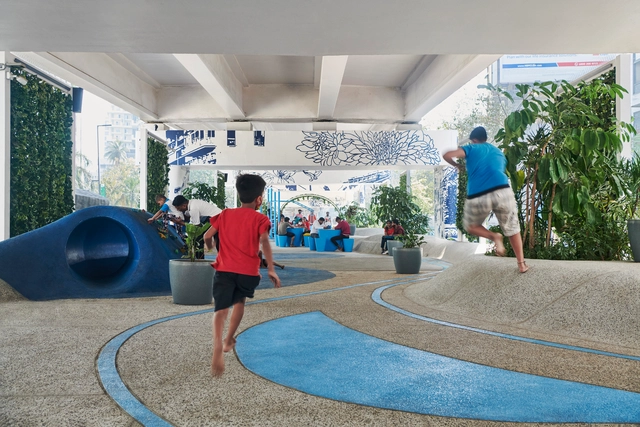
Playful cities promote play, leisure, and creativity in their public spaces and architecture. It offers opportunities for gatherings that help develop communities socially and culturally, improving the quality of life and providing essential elements for healthier and more balanced habits. They directly influence citizens' cognitive and emotional development by stimulating creativity and imagination through spaces designed for fun.
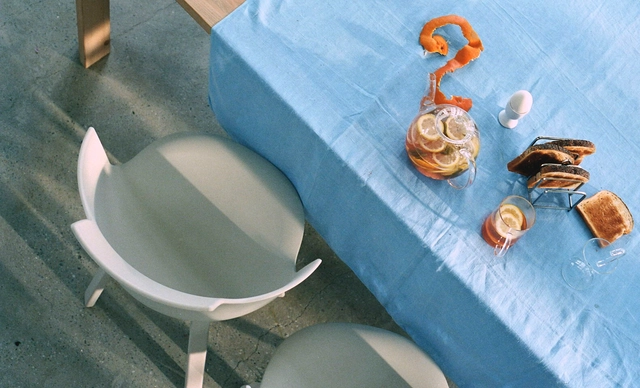
Social by Snohetta for Varier. Image Courtesy of Mishael Phillip Fapohunda
Milan Design Week is an annual festival that returned to Milan this April, with as a main event, The Salone del Mobile, which runs from April 18 to 23, 2023, at the Fiera Milano exhibition venue. Over 370,000 people attended the furniture fair this year, while thousands of design studios presented furniture, lighting, appliances, kitchen, bathroom, outdoor and workstation products. To highlight furniture and object design and the broader context of Milanese architecture and culture, many architectural offices collaborated with various businesses to make architect-designed items and construct architectural installations.
Reputable architects participated in the week-long event as they do every year, using products, furniture, and installations to share their expertise, address some of the most pressing issues facing the field, and demonstrate how their work can benefit the environment and society. Many firmly established architecture studios, from Foster + Partners, Mario Cucinella, and Hassell, designed various products. Furthermore, architects such as The New Raw, Snøhetta, and Studio Etienne Bastormagi have designed products focusing on efficient and sustainable systems that can inform future decision-making.
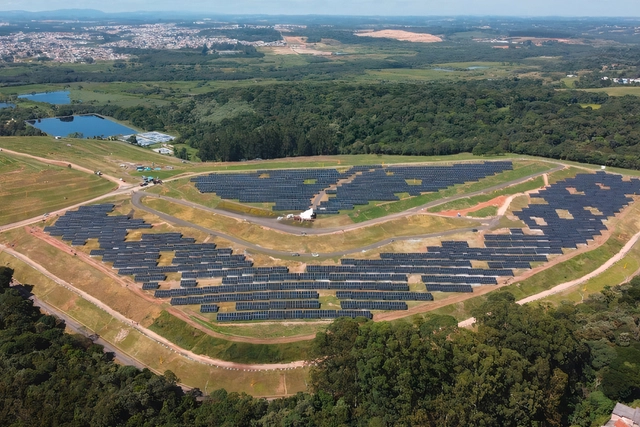
A solar power plant built on top of the Caximba landfill, which was decommissioned in 2010, is the new symbol of Curitiba. Nicknamed the “solar pyramid” due to its shape, the plant has an installed capacity of 4.55 megawatts (MW) and was inaugurated last Wednesday (29) during the city's 330th anniversary celebrations.
The project is part of “Curitiba Mais Energia,” one of the city's initiatives to combat and mitigate climate change by producing renewable energy. The municipality will reduce the emission of 2,000 tons of CO2 into the atmosphere, helping meet the city's greenhouse gas reduction targets.
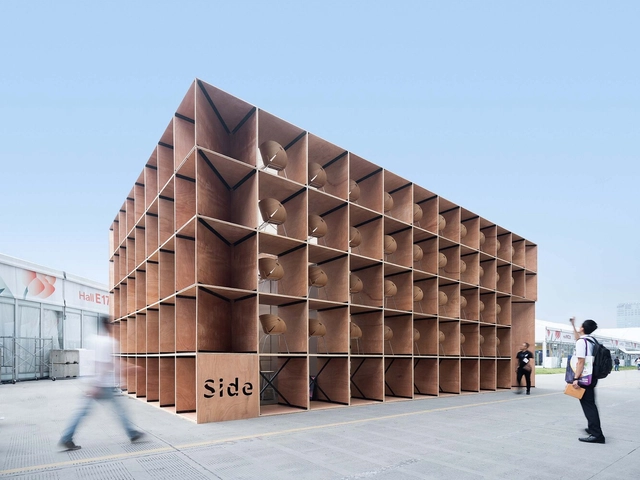
Temporary pavilions and installations, such as those used in events, exhibitions, or festivals, present themselves as a great challenge when addressing the circular economy in architecture due to their ephemeral condition. It seems contradictory to address resource management and try to extract the maximum value from the materials and minimize waste and pollution while designing a structure that is meant to be used for a limited period of time. However, there are several strategies to rethink the way we are designing these structures in order to promote circularity.
Architecture has the power to transform cities. Whether through the innovative use of materials, collaboration with other architecture firms to realize neighborhood master plans, or transforming public transportation for an entire population, design can significantly influence and impact how we interact with the places we live. In an exclusive interview with ArchDaily, Alan Pullman of Studio One Eleven talks about his firm’s vision for the future of Los Angeles and its approach to architecture and urban planning.
No País dos Arquitectos is a podcast created by Sara Nunes, who also heads the architectural film production company Building Pictures. The podcast aims to profile the professionals, projects, and stories behind contemporary Portuguese architecture. With just over 10 million inhabitants, Portugal is a fascinating country when it comes to this professional field, and its architectural output far exceeds what its small population and territorial scale might suggest.
In this episode of the fifth season, Sara talks with architects Marta Brandão and Mário Sousa about the Mima housing system. Listen to the conversation and read an excerpt of the interview below.
Transportation connects us. It is how we get to school and work, visit our families, and access grocery stores and healthcare services. It is also how we ship and receive goods and services. As economies and populations grow, so does the need for efficient, accessible, and sustainable transportation options.
https://www.archdaily.com/1136401/5-changes-to-transform-transportation-and-meet-climate-goalsWRI Brasil
As of February this year, Brazil has 890 wind farms installed across 12 states. These facilities represent 25.04 gigawatts (GW) of installed capacity in commercial operation, benefiting 108.7 million people.
Of this total, 85% are located in the Northeast region. According to the Brazilian Wind Energy Association (Abeeólica), by 2028 Brazil will have 44.78 GW of installed capacity of this energy source, whose share in the national energy mix currently stands at 13.2%. Today, wind power already accounts for 20% of the energy generation needed by the country.
Videos
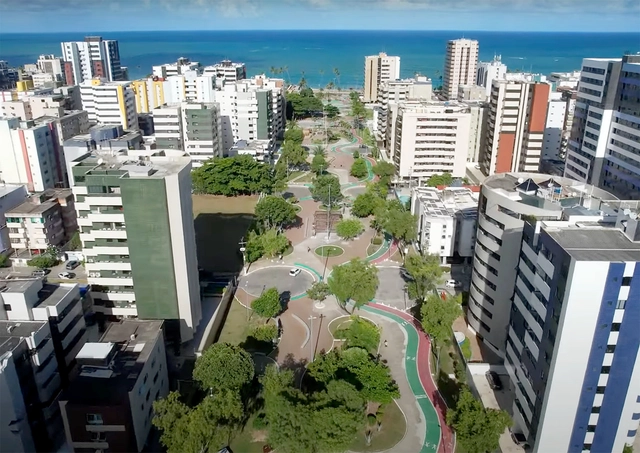
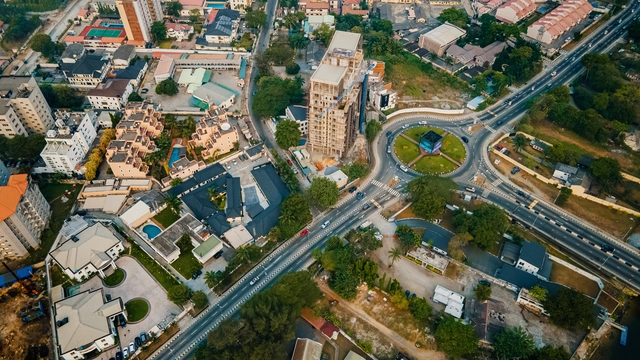
Panoramic view of Corredor Vera Arruda. Image via Tribuna Hoje
This is not the first article to address this, nor will it be the last. Numerous studies and pieces have pointed out the inconsistency of promoting car-centric urban policies as mobility solutions. I myself wrote in 2021 about the need to stop building overpasses and claiming they will solve mobility issues. Recently, however, Maceió’s Municipal Transport and Traffic Department (SMTT), a local government agency, launched a public consultation to gather feedback on opening streets within the city's largest linear park, the Vera Arruda Corridor. The proposal aims to improve "mobility" and "traffic flow" in an area that "suffers" from rush-hour congestion.
https://www.archdaily.com/1136452/maceio-can-opening-streets-in-a-park-improve-trafficRuan Victor Amaral
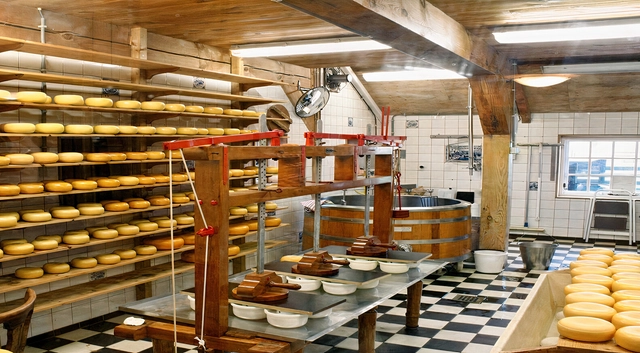
On Wednesday (29), the National Institute of Historic and Artistic Heritage (Iphan) formally presented the nomination of the Artisan Minas Cheese-Making Practices to the Representative List of the Convention for the Safeguarding of the Intangible Cultural Heritage of Humanity, through the Permanent Delegation of Brazil to UNESCO (Brasunesco). The list comprises intangible cultural assets that are considered representative of global cultural diversity and require protection and appreciation.
https://www.archdaily.com/1135897/minas-cheese-could-join-the-intangible-cultural-heritage-of-humanity-listArchDaily Team
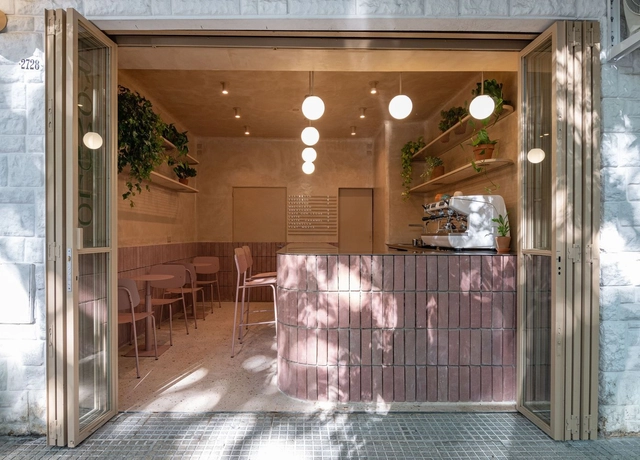
The interior design of gastronomic premises is becoming increasingly important due to the demand for improvement in the areas of competition, customer experience, and brand identity. The ability to adapt to current trends and needs is a point that Argentinian architecture and interior design professionals have been facing with innovation and flexibility in the use of materials, colors, and textures.
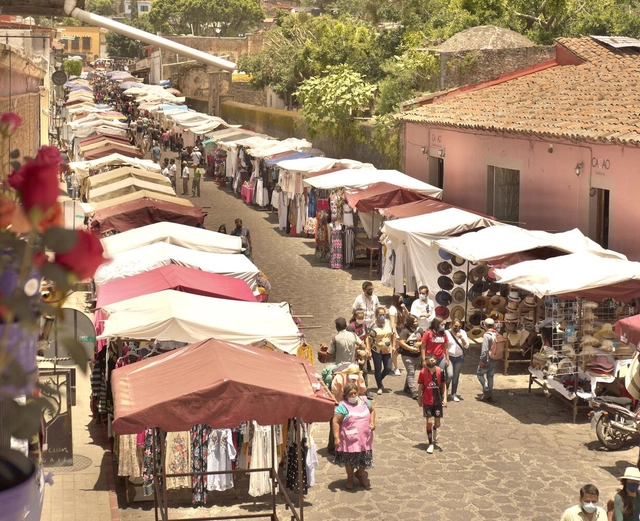
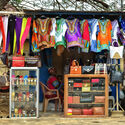
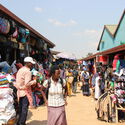
Street fair in Tepoztlán, Mexico. Photo by Karo Kujanpaa, via Unsplash
Commerce is a human activity practiced by societies since the beginning of evolution. Exchanges were made between products negotiated by entire communities at first. They began to be based on a common currency and practiced individually over time, from family to family. In one way or another, this activity is a characteristic of civilization and even influences our territorial organization. Historically practiced in outdoor spaces, commercial activity defined many spatial configurations.
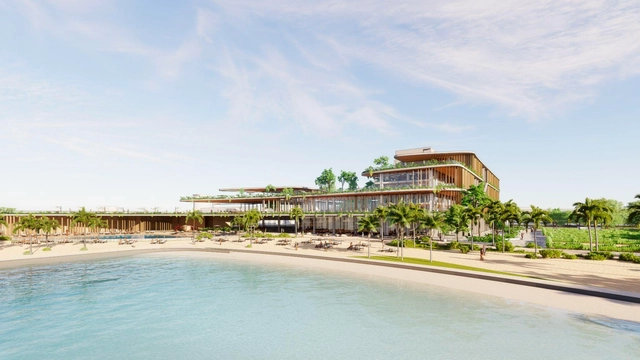
Beyond Club. Courtesy of aflalo/gasperini arquitetos
Surfers in São Paulo will no longer need to travel to catch a wave. Scheduled to open in 2025, Beyond The Club is a sports and wellness complex featuring an artificial wave beach. Designed by the firm aflalo/gasperini arquitetos, the club will feature, in addition to the wave pool and sandy beach, a sports complex with beach tennis and tennis courts, a gym, a spa, an indoor skate park, and three restaurants.
The club will occupy the site of the former Hotel Transamérica, located near Marginal Pinheiros in the city's south zone, which was designed by the firm's first generation in the 1980s.
https://www.archdaily.com/1135969/sao-paulo-to-get-an-artificial-beach-designed-by-aflalo-gasperini-arquitetosArchDaily Team
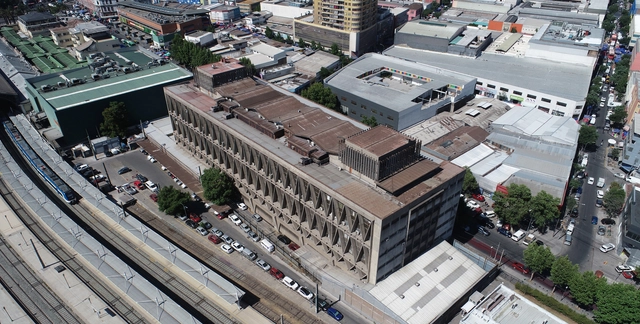
El ex Edificio de Clasificadora de Correos de Chile, adquirido por EFE para convertirlo en su nueva sede corporativa. Image Cortesía de EFE
Twenty-two proposals were submitted to the EFE (Trenes de Chile) architectural competition to convert the iconic seven-story, triangular concrete structure at 221 Exposición Street in Santiago into its new corporate headquarters. Originally designed by architect Boris Guiñeman, the building was constructed between 1970 and 1974 to house the Correos de Chile sorting center.
African cities are expected to experience a significant increase in population over the next 30 years. According to United Nations projections, these cities will welcome an additional 900 million inhabitants by 2050. This demographic shift will create both opportunities and challenges that will reshape the nature and structure of these cities. These challenges include the need for economic growth, increased demand for housing and infrastructure, and the development of supplementary transportation systems. So far, most African cities have responded to this rapid population growth with sprawling horizontal development patterns that expand the fringes of the city, increase social fragmentation, and ultimately lead to greater car dependency.
The winners of the German Design Awards 2023 approach design in ways that are both clever and sustainable, with a focus on ground-breaking product solutions and visionary ideas. The cradle-to-cradle principle, modular construction methods, sustainable use of materials and energy efficiency have long been mainstays in manufacturing and the construction process. But real estate branding is also increasingly coming into focus and becoming an important instrument in architectural communication and marketing.
Of the 4,200 submissions that the German Design Awards 2023 received, 98 projects in total were honored with the highest ‘Gold’ distinction. The German Design Awards are one of the most well-recognized international design awards, distinguished by its diversity and the quality of the projects. The awards are given to companies whose products stand out in the categories of ‘Excellent Product Design’, ‘Excellent Communications Design’, and ‘Excellent Architecture’. In the three different design disciplines, this year’s winners include companies such as Duravit, Mono and WMF, as well as the architecture firm MVRDV and start-ups such as nevi and X Shore AB.
At ArchDaily we are always looking for ways to increase the value of what we provide to the architecture community. In order to do this, we try to be at the forefront by identifying trends, providing the best tools possible, and connecting with our audience, which is why feedback from the community is so important.
We would love to hear your opinion on how we could make your experience better: the type of content you value the most, how and where you consume it, and what you would like to see on ArchDaily. To do this, we created a short survey to better understand you
https://www.archdaily.com/991947/what-do-you-think-about-your-archdaily-account-we-want-to-hear-from-youArchDaily Team
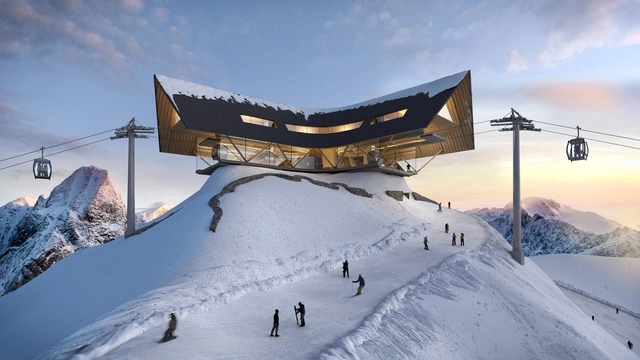
Peter Pichler Architecture has been invited to participate in a private competition for the design of a set of Ski Facilities in Ponte di Legno, Italy. The project includes the addition of three new cableway lines for the ski resort, each marked by an architectural intervention designed to provide shelter and dining options. The buildings also include exhibition spaces dedicated to the preservation of the cultural, natural, and historical heritage of the site.
The National Pavilion of Serbia, curated by Iva Njunjić and Tihomir Dičić, has just announced its exhibition at the 2023 Venice Biennale, which explores architecture's futures, presents, and pasts through the lens of an international Trade Fair in Lagos, Nigeria, in 1977. The trade fair was a product of non-aligned cooperation between Yugoslavia and Nigeria.