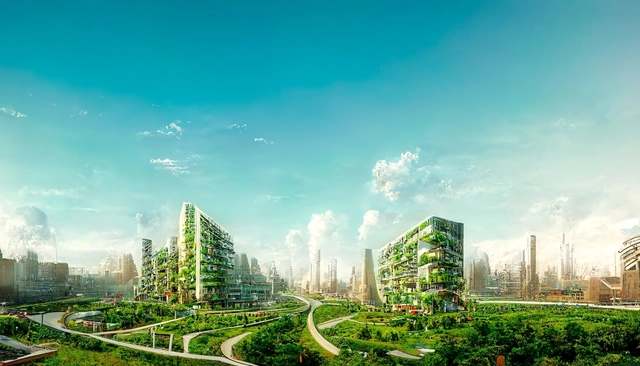
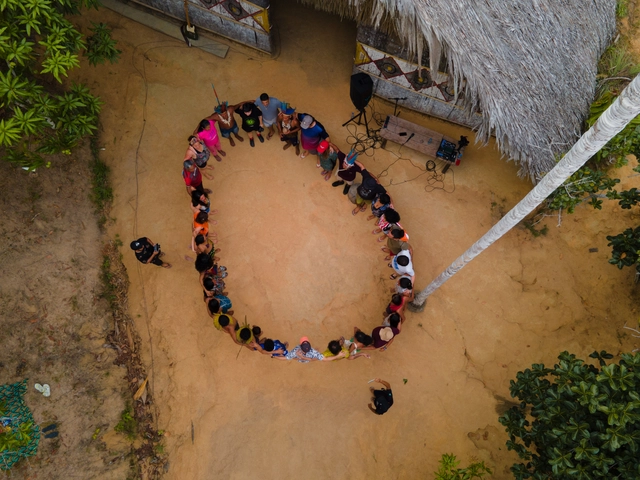
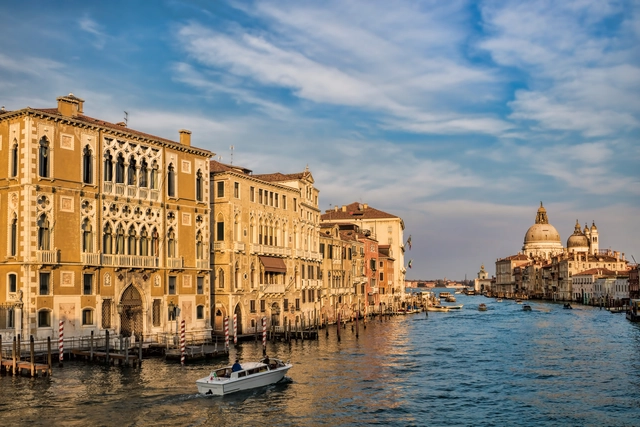
Housing is not just the place where we live. It is a reflection of our society, our culture, and our aspirations. It is a space that influences our quality of life, our health, and our well-being. And in a world changing at an unprecedented pace—where technology advances by leaps and bounds, population grows, and resources become scarce—it is crucial to reflect on how we inhabit our homes and how we can make them better.
Throughout the month of April, ArchDaily opened up the debate on the topic of contemporary housing. We extended an invitation to our readers to join the discussion on its current state and future. After reviewing an immense number of comments and opinions from construction professionals, students, and architecture enthusiasts alike, we were surprised to find a strong consensus: above all, contemporary housing speaks as much to adaptability, innovation, and diversity as it does to real estate speculation, a lack of adequate public policies, and economic inequality. Read the main viewpoints in detail below.
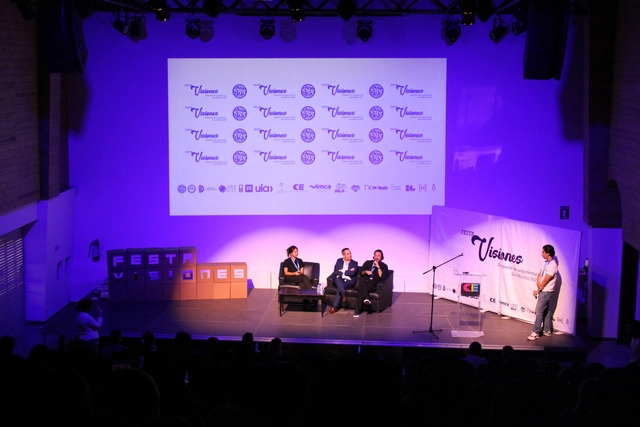
On April 26, 27, and 28 of this year, the "FESTA Visiones" architecture festival took place in Los Mochis, Sinaloa, marking the return of in-person activities and the revitalization of events. To this end, the Architecture Committee of the Tecnológico Nacional de México Campus Los Mochis and the Colegio de Arquitectos del Norte de Sinaloa joined forces to resume the region's most important educational event, once again inviting students to learn from national leaders in the profession.
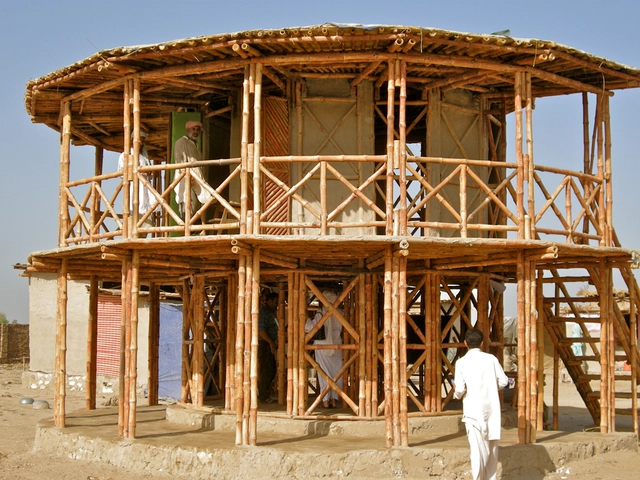
Yasmeen Lari, recognized as the first female architect in Pakistan, has had a significant impact both in her home country and internationally due to her innovative and socially conscious approach to architecture. Through a systemic approach, Lari’s work takes into consideration local culture, site-specific opportunities, and challenges. Born in Pakistan in 1941, Yasmeen Lari moved to London with her family at the age of 15. After graduating from Oxford Brooks School of Architecture, she returned to Pakistan at the age of 23 to establish Lari Associates with her husband, Suhail Zaheer Lari. The couple settled in Karachi. Here, she began to study Pakistan’s ancient towns and the vernacular architecture of earth buildings, igniting her interest in the architectural heritage and traditional techniques of her country. In 1980, she co-founded the Heritage Foundation of Pakistan with her husband, becoming instrumental in the preservation of her country’s rich cultural heritage.
By operating in closed cycles, circular design goes beyond the traditional linear concept of "extracting, producing, consuming and discarding", and seeks to create more sustainable and efficient systems throughout the life cycle of a product. Through the principles of reduction, reuse, recycling and regeneration, it can minimize the environmental impact of a product from the very first stages of its life: with the choice of more sustainable, durable materials; by minimizing waste during production; by promoting reuse and repair during its use; and at the disposal phase, with the efficient recycling of materials that can be reintroduced to the production chain. The adoption of circular design has gained strength in the industry, but despite the many advances and initiatives, it is still rare to see concrete examples of its implementation.
The Architectural League of New York has announced the winners of its 42nd cycle of the Architectural League Prize for Young Architects + Designers. The theme for this edition of the competition was “Uncomfortable,” asking young designers to contemplate their position while wrestling with many uncomfortable responsibilities, like challenging traditional paradigms, dismantling architectural legacies, grappling with the costs of comfort, or responding to rising ecological concerns.
Established in 1981, the competition is open to young architects and designers in an effort to recognize the visionary work of young practitioners. This year’s theme was developed by the 2023 Young Architects + Designers Committee, which included recent League Prize winners Jose Amozurrutia, Germane Barnes, and Jennifer Bonner. The jury included the committee in addition to Barbara Bestor, Wonne Ickx, Kyle Miller, and Tya Winn.
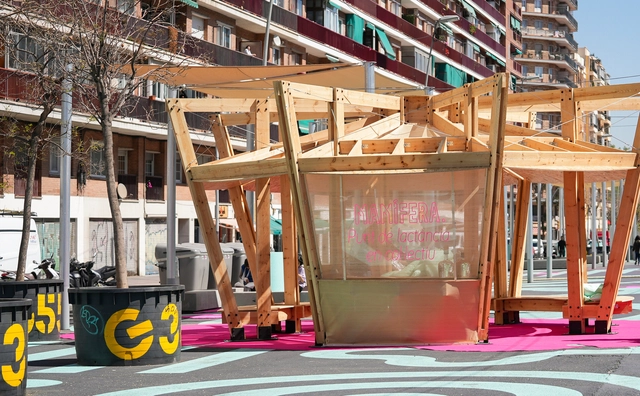
From April 20 to 30, the second edition of the Model: Festival d'Arquitectures de Barcelona took place, debuting a new theme, Radical Empathy, and a new location, the surroundings of the new Parque de las Glorias. This year, managed by the Fundació Mies van der Rohe, the event turned the city into a laboratory of experimentation and dissemination of architectural and urban thought, providing an opportunity to rethink new models and new imaginations of the city.
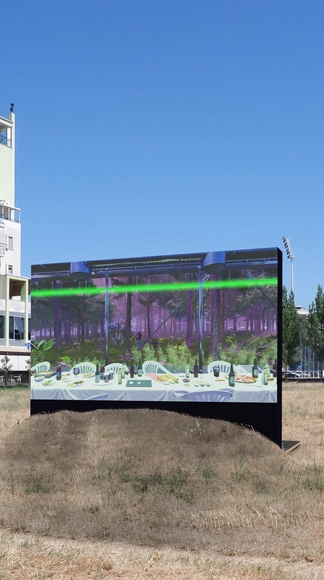
During the 10 days of the festival, 5 temporary installations were presented as a tool to build a more sustainable, fraternal, and fair city. Among the proposals, we could find a breastfeeding area designed by Equal Saree, the roof of a parking lot transformed into a mushroom structure by Harrison Atelier, and a surface that provides information about the benefits and disadvantages of the city's air created by Daryan Knoblauch, among others. At the same time, a series of 4 digital architectures and augmented realities were added, incorporating new experiences and technologies.
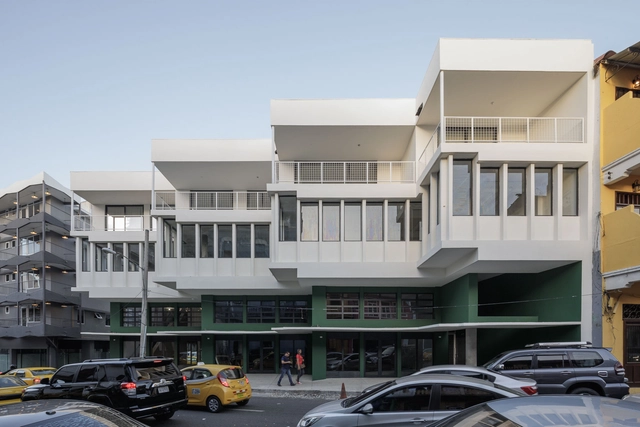
The city of Panama has been experiencing an architectural rebirth. Buildings that have become outdated and deteriorated over time are now being renovated, restored, and modernized - and one of the main offices carrying out this task is Sketch, an architecture studio that defines itself as "energetic, multidisciplinary, and a firm believer that design should be both smart and fun."
Their renovation and remodeling projects, such as the STEPS Dance Academy, the DiabloRosso Gallery, and the mixed-use building La Moderna, are clear indications of this transformative spirit that revolves around efficiency and relevance. Learn about these projects in detail below.
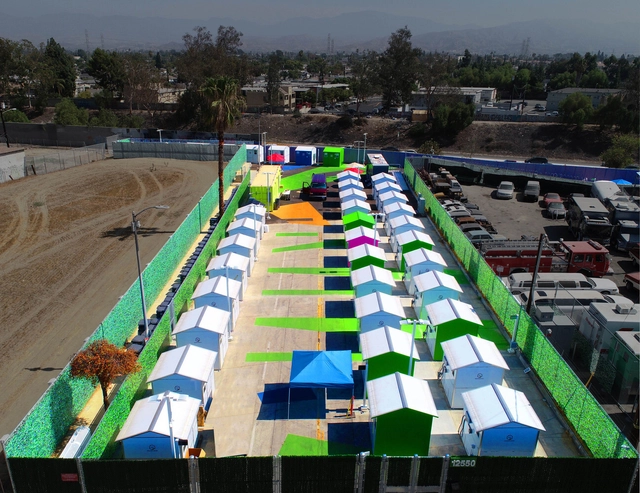
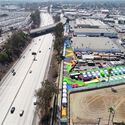
Lehrer Architects designs "tiny house" community for the homeless in Los Angeles. Image courtesy of Lehrer Architects
Adequate housing, and everything it encompasses in a broader sense, is one of the essential principles of humanity, established by the Universal Declaration of Human Rights. However, according to statistics from the United Nations (UN), 150 million people experience homelessness worldwide, and 1.6 billion live in inadequate housing conditions. The housing crisis is a multifaceted issue faced in different ways and on different scales by many cities across various countries and continents. One of its most difficult and complex aspects is precisely the deprivation of this basic right, affecting people in diverse ways and for different reasons.
Ahead of the ninth edition of Open House Madrid, the dates for this international architecture and city festival have recently been announced. Year after year, the event renews itself, inviting visitors to discover a city in constant change through its architecture. From September 21 to 24, 2023, Open House Madrid will take place throughout the capital, as well as in nearby urban areas, with the goal of promoting and showcasing the city's architectural heritage.
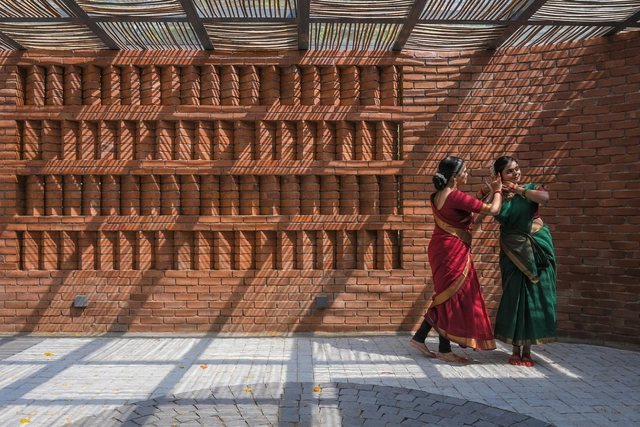
Contemporary Indian design culture can aptly be described with one word - fusion. A close look at the trends in fashion, cinema, music, and art soon reveals the country’saspirations as a globalized nation. Reveling in a new era, India’s art and design appear as a combination of influences from traditional life and the Western world. A “neo-Indian” image informs multiple forms of cultural expression, including architecture and interior design. As Indians and Indian architecture carve the country's place in the world, a new design trend flourishes - one that is driven by modern lifestyles, international influences, a colonial past, and a desire to stay connected to its roots.
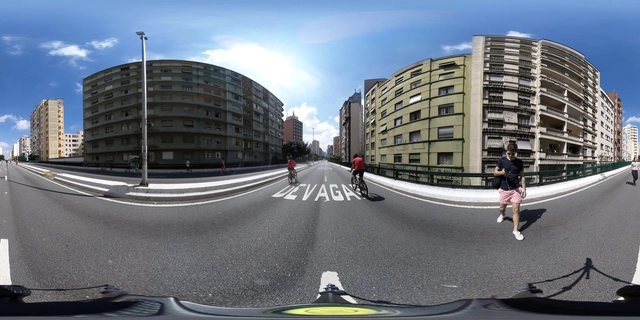
While most architectural critics and theorists agree that architecture can only really be learned on site –by experiencing its volumes, textures, sounds and smells– hardly anyone would have the time and resources to see all the projects they would like to in person. Ways of documenting a building or a city have aroused the curiosity of painters, photographers and artists throughout history. From the traditional classical portrait with perfectly adjusted proportions to disruptive forms such as Michael Wesely's long exposure images, Heinz Emigholz's experimental film set, or Tuca Vieira's Photographic Atlas of the city of São Paulo, there are myriad ways to portray the built environment. 360° cameras bring yet another set of possibilities to documenting architecture and urban scenes. We spoke to Romullo Fontenelle, architect and architectural photographer, who tested the new RICOH THETA X 360° camera and provided an account of how this technology can improve the efficiency and precision of his design processes.
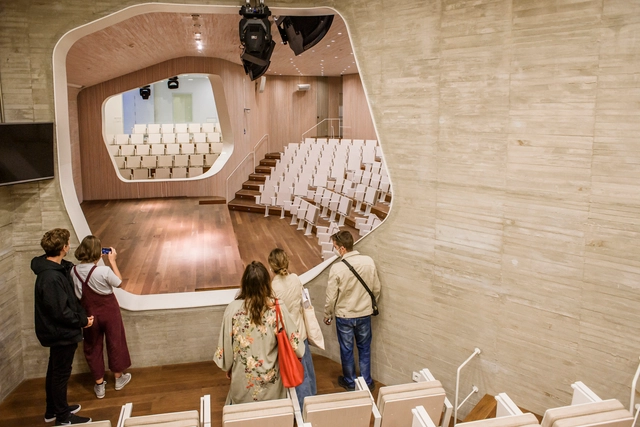
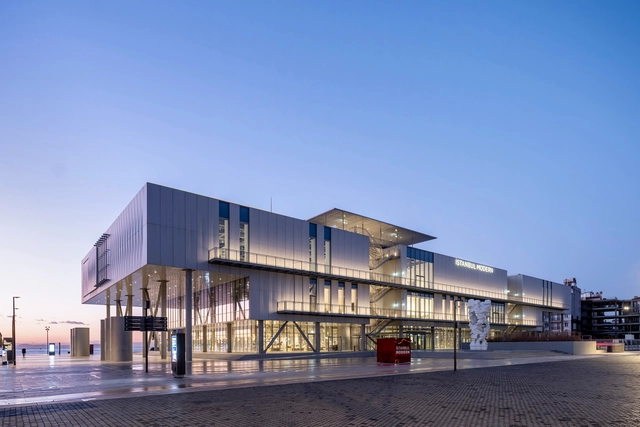
Designed by Renzo Piano Building Workshop, a new building for Istanbul Modern, Türkiye’s first museum of modern and contemporary art, will open to the public on May 4th, 2023. The official opening ceremony of the museum is set to take place at a later date. The museum, measuring over 10,500 square meters, is located on the Karaköy waterfront, a historic district at the intersection of the Bosphorus and Golden Horn. The new building offers spaces for temporary exhibitions, interdisciplinary educational programs, film screenings, and an extensive art collection.
Today, it is essential to integrate strategies that help limit the emissions generated by buildings over their lifespan into design and functionality concepts to mitigate climate change. Consequently, reducing embodied carbon in construction has become an urgent priority, and industry professionals are increasingly taking this into account to build with a smaller carbon footprint, alongside the principles of circularity, sustainable development, and energy efficiency.
Pastures, farmlands, mining, or urban areas. As the Amazon ecosystem approaches an irreversible tipping point of devastation, LABVERDE — a cultural and environmental activism project that promotes the production and democratization of knowledge about the world's largest rainforest — is launching a new edition of the "Speculative Ecologies" residency. Now in its eighth call, the initiative invites artists to actively participate in the discourse on nature conservation through the production of works resulting from research, experimental artistic languages developed during unique experiences in environmental reserves, and dialogues with indigenous communities facilitated by experts. Applications are open until May 8. Brazilian artists residing in Brazil are invited to apply through the website. LABVERDE covers travel, lodging, expeditions, and training, and provides a R$3,000 stipend to each selected participant to produce content.
https://www.archdaily.com/1135883/labverde-launches-open-call-for-artistic-residency-in-the-amazonArchDaily Team
ELEMENTAL, Herzog & de Meuron, Office for Metropolitan Architecture (OMA), Philippe Starck, and UNStudio are just a few of the internationally renowned architectural firms working with Qatar Museums to establish five new cultural facilities in Qatar. The new constructions will be overseen by Qatar Museums, tasked with maintaining and expanding Qatar's cultural assets through managing the nation's expanding network of museums, heritage sites, festivals, and public art installations.
Dismantling the system of slave and child labor in the architecture and construction industry does not seem like a simple task, especially on a global scale. However, this is precisely the mission of the Design for Freedom (DFF) initiative, created by CEO and founder of the Grace Farms Foundation, Sharon Prince, along with Bill Menking, professor and editor-in-chief of The Architect's Newspaper.
Through events and freely available tools, Design for Freedom seeks to "raise awareness and inspire responses to halt forced labor in the construction materials supply chain," offering paths to ensure transparency and ethics in the architectural production process.
The architecture firm MAD Architects, based in Beijing, China, has presented the design of its first project in South America, the mixed-use "Qondesa" tower in Quito, Ecuador, which will soon become the tallest building in the city.
Following findings from a study published in the Nature Ecology & Evolution journal this April, it has become public knowledge that the phenomenon dubbed the Great Pacific Garbage Patch (an area of 620,000 square miles between California and Hawaii) is serving as host to an entire coastal ecosystem. Marine wildlife is using the massive area compiled of human plastic waste as a floating habitat, and scientists are shocked at the number of species that have managed to establish life in this otherwise hostile environment.
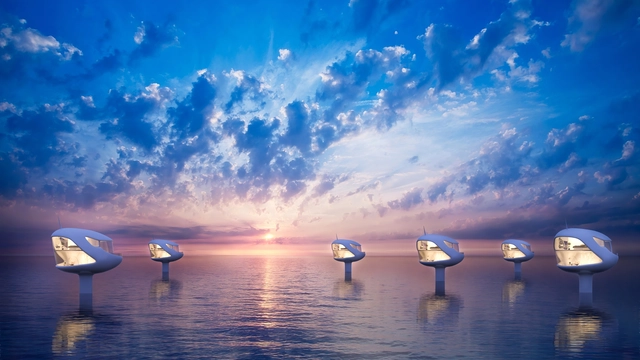
The news once again brings into sharp focus not only pressing issues of climate change and ocean pollution but also the question of environmentally-induced migration, even at a microbial level. Architecture is moving into more and more experimental realms when it comes to considering locations for the communities of our future – and rising sea levels have promoted water to the top of the list. But these deliberations are not as recent as one might think: floating cities have been around for centuries and individual homes on water are common in areas of Benin, Peru or Iraq, among others.
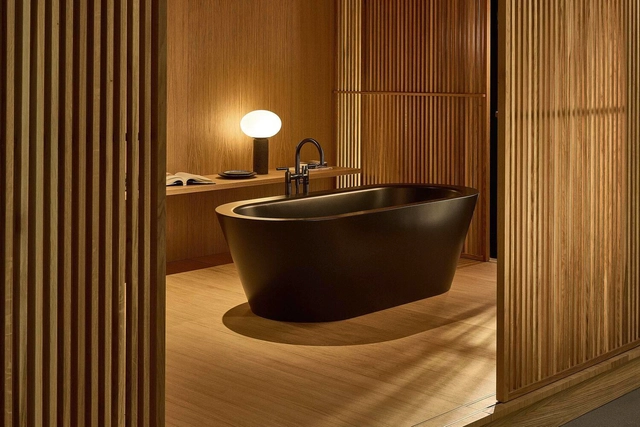
Contemporary minimalism and comfortable relaxation: the BetteStarlet Oval Silhouette freestanding bathtub in Matt reflects the tranquillity that also characterises Nathalie Deboel's projects. Image Courtesy of Bette
It is the contrast between the beach and forest walks that are so important, and the vibrant city with its multicultural influences that informs Nathalie Deboel's style. The interior designer lives in Ukkel, just outside Brussels, but runs her studio in the Belgian seaside town of Knokke – where she finds the tranquility that's reflected in her projects. "Comforting Homes" is the title of her monograph, published by Stockmans Art Books, which features some of her well balanced projects. To understand how she does it, Markus Hieke and Bette interviewed the designer on perpetuating stories of buildings and making them –with a view towards the sustainability of bathroom spaces– their inhabitants' favorite place.
As part of the exhibition program of the Museo Experimental El Eco, the call for entries for the 2023 Eco Pavilion was launched, inviting professionals involved in architectural practice in Mexico to dialogue with the museum's space. This edition marks 13 years of the Eco Pavilion, a competition launched in partnership with Buró-Buró with the mission of offering a platform for architectural production focusing on experimentation and spatial reflection. The winning project belongs to the team composed of OCIO taller + Bianchi Majer + Nicolás Guzmán + Angélica M. Pena + Andrés Lira.
Towers, walkways, decks, cabins and tree houses. Since 2010, the Hello Wood Festival has erected dozens of temporary constructions, with one common denominator: wood. The initiative aims to make knowledge about this material more accessible to everyone, as it has immense potential for the future. However, despite its potential, wood still faces various prejudices within the construction industry. Through the connection between designers and artists from different cultural, academic and professional backgrounds, the event uses construction as a platform for innovation, discussion and knowledge. It offers participants the unique opportunity to experiment with sustainable design and construction methods, encouraging learning through experience, held in a forested area near Budapest, Hungary.
Verticality in architecture conveys aesthetic, symbolic and cultural meanings, representing concepts such as elegance, sophistication, modernity, progress and technological advancement. In religious buildings, for example, it symbolizes greatness and a connection with the divine. These strategies are very common in Gothic architecture, as well as Art déco buildings or even the skyscrapers of Mies van der Rohe. But these elements need not be restricted to grandiose constructions. Even in single-family homes, working with elements that refer to verticality can be just as useful, playing with volumes and facades or working with openings, such as windows and doors.
For the 18th International Architecture Exhibition – La Biennale di Venezia, The Albanian Pavilion set out to respond to the theme “The Laboratory of the Future” with the exhibition “Untimely Meditations or: How We Learn to Live in Synthesized Realities.” The project seeks to introduce and understand new typologies of civic spaces by repurposing the rendering engine as a mechanism for exploration. The curatorial team is composed of architects Martin Gjoleka, and Era Merkuri, exhibiting together with architect Ani Marku and 3D digital artist Geraldo Prendushi.