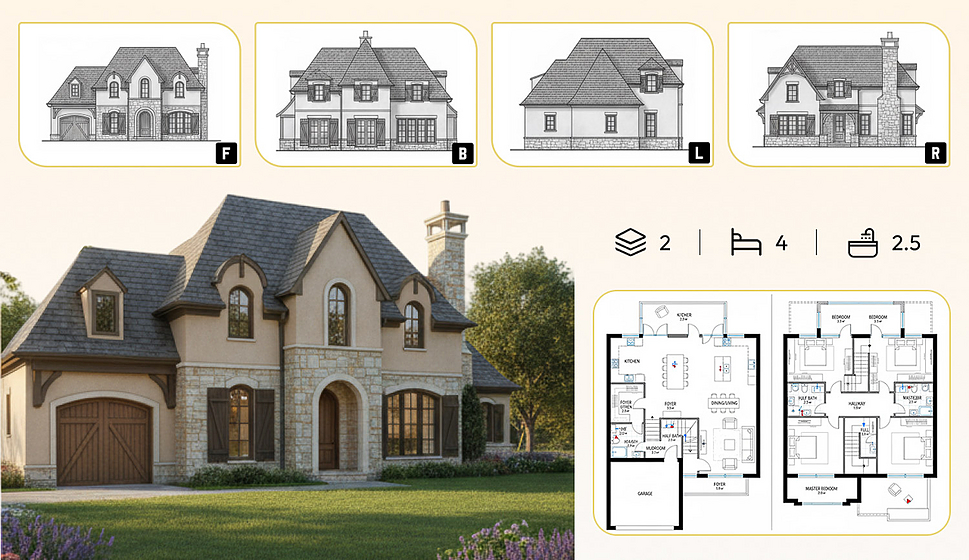
This guide covers a workflow that moves from project parameters to generated floor plans, 3D perspective views, exterior design exploration, and site context visualization, using AI tools in place of preliminary CAD and rendering work.
This guide covers a workflow that moves from project parameters to generated floor plans, 3D perspective views, exterior design exploration, and site context visualization, using AI tools in place of preliminary CAD and rendering work.
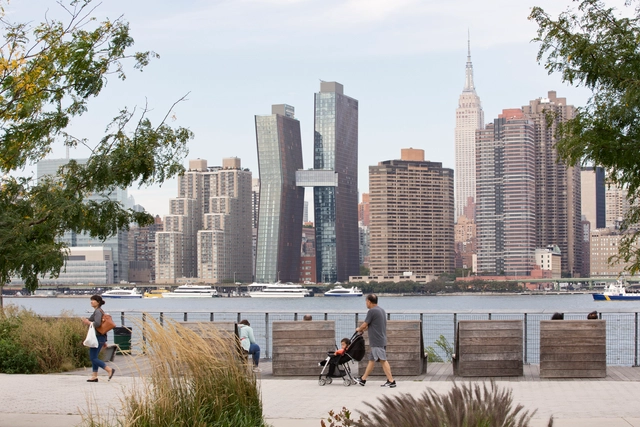
This article was originally published by Autodesk's Redshift publication as "SHoP's Chris Sharples on Urban Architecture, Digital Fabrication, and the Public Realm."
Twin brothers Chris and Bill Sharples are two of the founding partners of SHoP Architects, a New York-based firm established 20 years ago to bring together diverse expertise in designing buildings and environments that improve the quality of public life.
The firm’s style is difficult to define, but a connective thread throughout SHoP’s portfolio is a design philosophy rooted in constraints. From digital models to next-generation fabrication and delivery techniques, technology is at the center of the firm’s movement toward an iterative approach that, as Chris Sharples says, “is beginning to blur the line between architecture and manufacturing.”

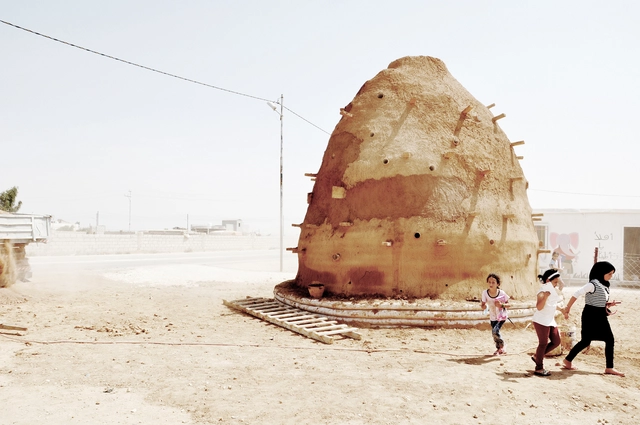
Created by the Union International des Architects (UIA) in 2005, World Architecture Day is celebrated on the first Monday of October, aiming to highlight and remind the world of the architecture's collective responsibility in designing the world's future cities and settlements. To celebrate, ArchDaily's editors have chosen stories from the year so far that have interested, excited, or inspired them. Read on to see the stories.
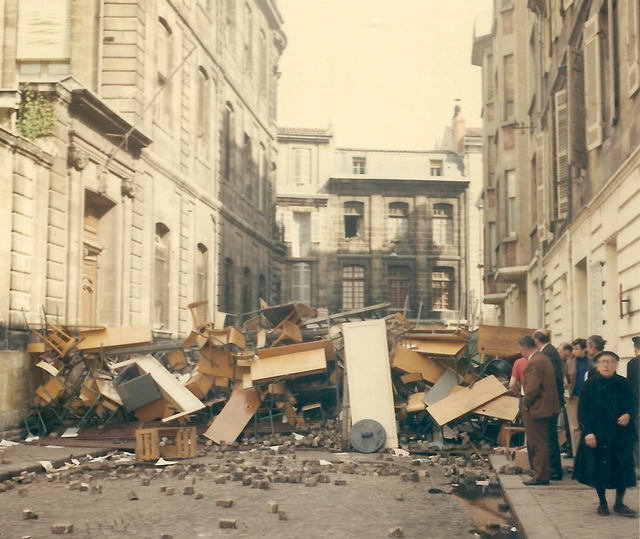
This article was originally published as "What Marchers Today Can Learn from the May 1968 Protests in Paris" on CommonEdge in May 2018. In the 50 years since the historic and worldwide protests of 1968, much has changed. But today's political climate seems equally volatile, with seismic changes threatening social and political establishments across the globe. Lessons from the past are, to borrow the phrase of the moment, more relevant than ever.
American friends recently sent an email: “What’s going on with the French political system? Why all the strikes? What about the endless protest marches? We’d like to visit you in Paris, but we’re a little wary.”

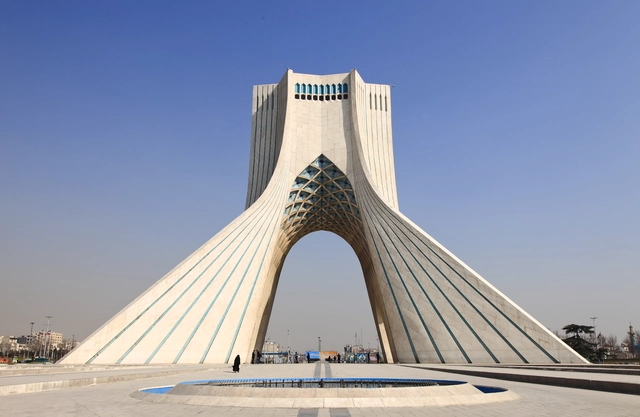
This article was originally published on 26 October, 2015. To read the stories behind other celebrated architecture projects, visit our AD Classics section.
Commissioned to celebrate the 2500th anniversary of the Persian Empire, the Azadi Tower has been a site of celebration, unrest, and revolution. Despite its association with the deposed Shah, the tower has been embraced as a national symbol of Iran, playing host to both pro- and anti-government demonstrations, following the controversial 2009 Presidential elections.
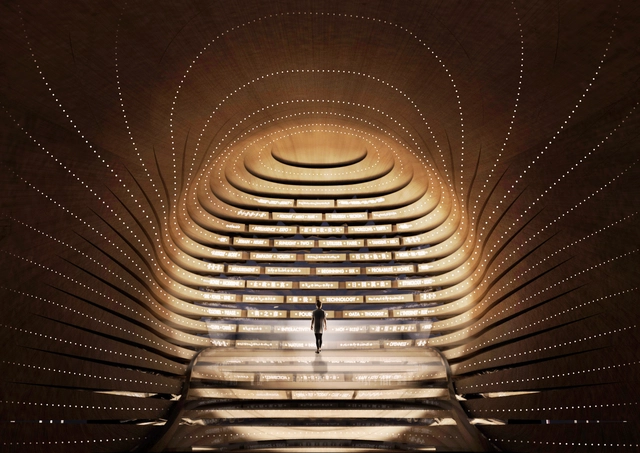
It’s well understood that a sense of place is an essential value for people, architecture, and cities. Everyone from designers to planners to city governments speak breathlessly of the power of places to transform cities for the better - but it’s not clear what placemaking really means.
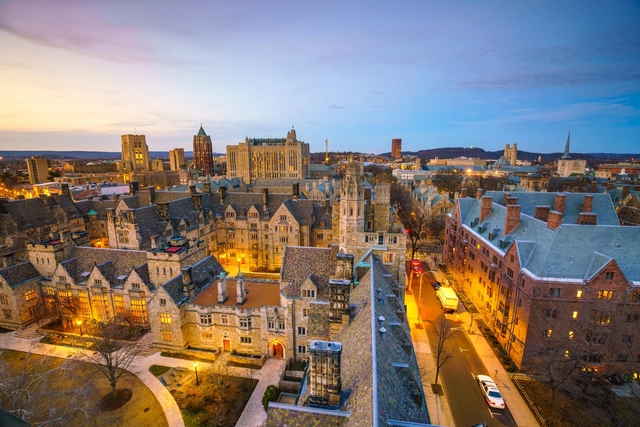
This article was originally published on Common Edge as "Contrary to Architecture's Critical Establishment, Robert A.M. Stern's Yale Colleges Are a Triumph of Placemaking."
In late January I attended a moving memorial service at Yale’s Battell Chapel for Vincent Scully, the man who led me to architecture as a career, and who continues to inspire me as a writer and historian. While there I took the opportunity to tour Benjamin Franklin and Pauli Murray Colleges, Yale’s first new residential colleges in half a century. I came away marveling at the quality of the architecture, and thanking my alma mater for its vision and commitment to enhancing the city and the campus.
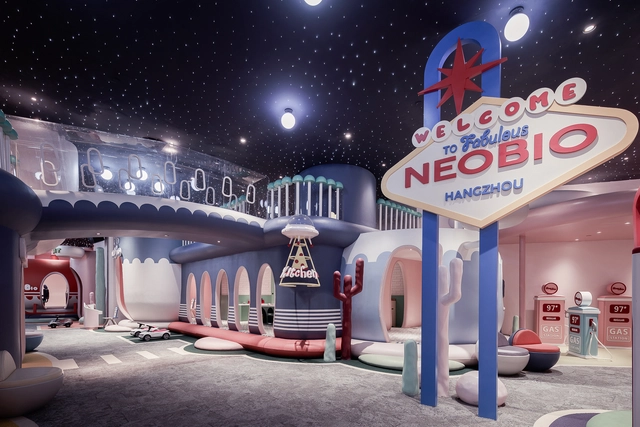
It's no secret that post-modernism has, in recent years, experienced something of a revival. The much-maligned movement's exhuberant and joyful take on architecture is perhaps a solace in difficult moments. Or, for the more jaded among us, perhaps it simply lends itself to Instagram.
That said, it's not quite the postmodernism that took off in the 60s. Post postmodernism is also concerned with history and context, but with contemporary spins made possible by new technologies. Installations and other temporary typologies also bring with them a fresh perspective, preserved forever on the internet for our vicarious enjoyment. But perhaps most crucially, it is no longer so wholly a reaction against the hegemony of modernism; something that the original postmodernists were fixated with. Today's postmodernism can be at once joyful and reserved, vernacular and high-tech.
.jpg?1537702346&format=webp&width=640&height=580)
There are so many complexities and contradictions in life in general and architecture in particular. I am writing this intro to an interview I held in 2004 with Robert Venturi and his life-and-architecture partner Denise Scott Brown, while visiting Beijing’s Tsinghua University where I was invited to teach this fall. Was it simply a coincidence when, at the last moment before leaving my New York City apartment I would, almost by chance, grab a 2001 issue of Architecture magazine with Venturi on its cover and his contradictory quote, “I am not now and never have been a postmodernist.”
I learned of Venturi's passing last week on my first day of teaching at Tsinghua; the news arrived as I and the students discussed their proposals to improve their campus. In yet another strange coincidence, Venturi and Scott Brown had, just prior to our interview, been working on their own proposal for the very same campus. It was a pleasant and bittersweet surprise then to hear my students speak of freeing up the campus in much the same ways as Venturi's Complexity and Contradiction in Architecture attacked then domineering architecture of minimalism and abstraction over 50 years ago.
His and Scott Brown’s ideas for this campus did not materialize but their analytical and often rebellious thinking greatly influenced how students here and architects all over the world approach architecture. It was Venturi who freed our discipline, it was him who set us all free and encouraged to ask our own questions, to get away from all kinds of dogmas and to provoke ideas of hybridization. What follows is an excerpt from my conversation with the architects at their office in Philadelphia 14 years ago.
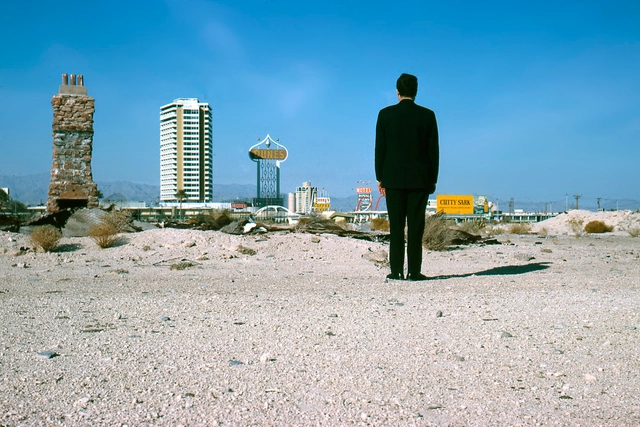
Robert Venturi - and the postmodernist movement he helped to form - was occasionally a divisive figure. For hardcore modernists, the referencing of prior styles was an affront to the future-facing architecture they had tried to promote. For traditionalists, the ebullient and kitschy take on classicism was an insult to the elegance of the past.
Try as we might to inure ourselves to the opinions of others, recognition is a powerful thing. It brings with it a captive (and expectant) audience, not just of admirers but of kingmakers - or, cynically, those who see an opportunity to capitalize. For architects, this can be both a blessing and a curse. Many practices start with the motivation to pursue an idea or concept; as recognition becomes diluted to labels it becomes harder to understand what was distinguishing in the first place. This week saw the announcements of a numerous significant awards - and an interview with a practice determined to shake off the labels that come with recognition. Read on for this week’s review.
Instagram has made a sizable impact on architecture, from allowing designers to showcase their work, to influencing the very design of buildings themselves. As we have shown in the past, there are hundreds of architecture feeds worth a follow for designers at any stage of their career. However, for fresh students of architecture, the vast labyrinth of suggestions, stories, and tags can be overwhelming, distracting, and almost irrelevant.
To address this, we have compiled a list of 50 Instagram feeds that, although applicable for all designers, are particularly aimed at offering inspiration, support, and references for students finding their feet in the architecture world. Give them a follow to stay up-to-date with the latest creations from fellow students, young architects, university studios, and more.
The Royal Institute of British Architects (RIBA) has announced the shortlist of four finalist projects in the running for the 2018 RIBA International Prize. A biennial award open to any qualified architect in the world, the International Prize seeks to name the world’s “most inspirational and significant” building. Criteria for consideration include the demonstration of “design excellence, architectural ambition, and [delivery of] meaningful social impact.”
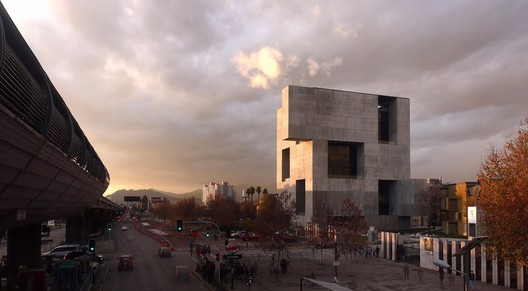
The inaugural prize was awarded to Grafton Architects in 2016 for their UTEC university building in Lima, Peru, described as a “modern-day Machu Picchu.”
It is so refreshing to hear the words: “We do everything differently. We think differently. We are still not a part of any system or any group.” In the following excerpt of my recent conversation with Liz Diller and Ric Scofidio at their busy New York studio we discussed conventions that so many architects accept and embrace, and how to tear them apart in order to reinvent architecture yet again. In New York the founding partners of Diller, Scofidio + Renfro have shown us exactly that with their popular High Line park, original redevelopment of the Lincoln Center, sculpture-like Columbia University Medical Center in Washington Heights, and The Shed with its movable “turtle shell” that’s taking shape in the Hudson Yards to address the evolving needs of artists because what art will look like in the future is an open question.
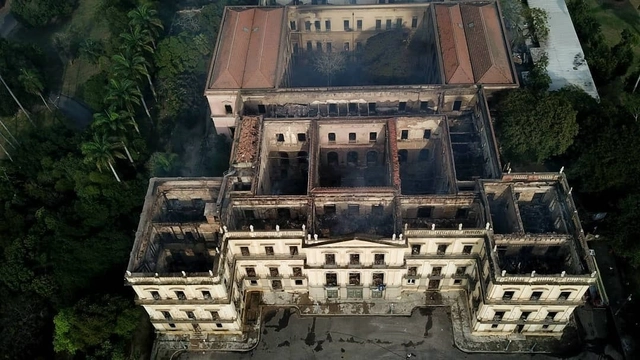
It is in moments of disaster - natural, military, or otherwise - that the value of our built environment as a form of cultural identity comes most noticeably and tragically to light. The fire that ripped through Brazil’s Museo Nacional on Monday night destroyed not just invaluable historic artefacts, but a building that stood as a symbol for both a country and a people. The erasure of the urban landscape is the erasure of identity, culture, and people.
_preview.jpeg.jpg?1535984024&format=webp&width=640&height=580)
This article was originally published by Metropolis Magazine under the title "Taking a Second Look at This Year's Nebulous Venice Architecture Biennale."
One of the few incontrovertible truths to emerge from the 16th International Architecture Exhibition, which opened in Venice on May 26 and runs through November 25, is that sensitivity and skill in making architecture do not necessarily transfer to the work of organizing an architecture exhibition.

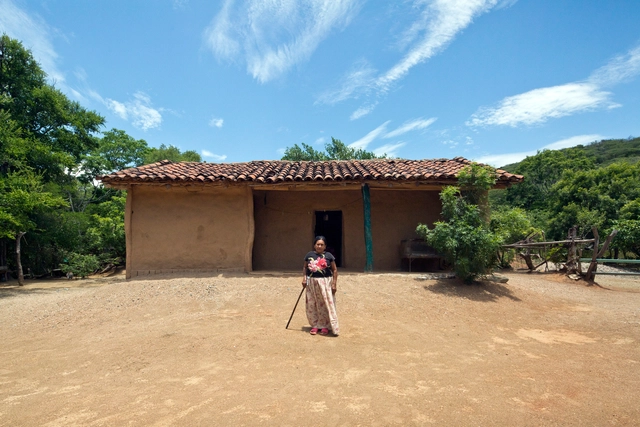
Traditional Mexican housing is being transformed by a number of factors, namely the urbanization of rural areas, the disruption of public information, the loss of the environmental consciousness, and housing policies that downplay the importance of traditional means of construction in favor of more industrial methods -- the likes of which generate false aspirations that redefine the concept of a dignified living space.
This is driving the loss of both tangible and intangible national heritage, namely the architectural values developed by the native peoples of the country over the centuries. In other words, it's not only the architectural heritage at risk of disappearing but also the centuries of knowledge built from everyday living spaces and their relationship with the territory that they inhabit.
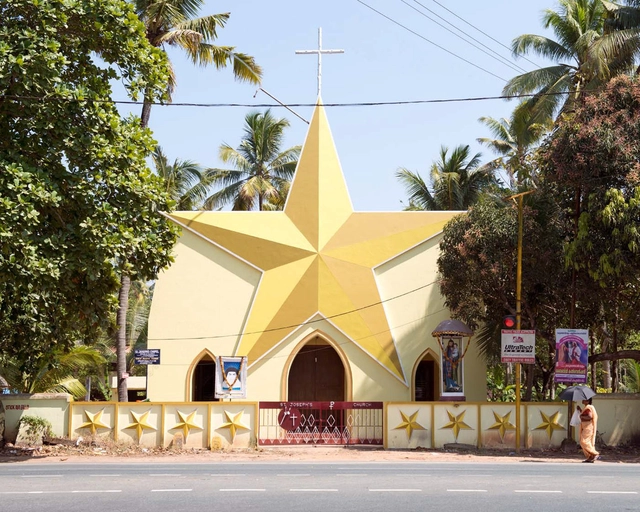
As August draws to a close and our holidays - be they from work or school - already start to feel like distant memories, perhaps it's a good moment to reflect on our faith in what we do. Sometimes design affords us the ability to oversee massive and exciting change. Sometimes projects don't work out, despite our best efforts. And sometimes, design isn't as capable of making change as we believe it to be. This week's stories touched on our faith in design in a range of ways, from the literal (such as the bright churches of Kerala) to the more abstract (how much good taste in fast food design actually equates to good tastes.) Read on for this week's review.
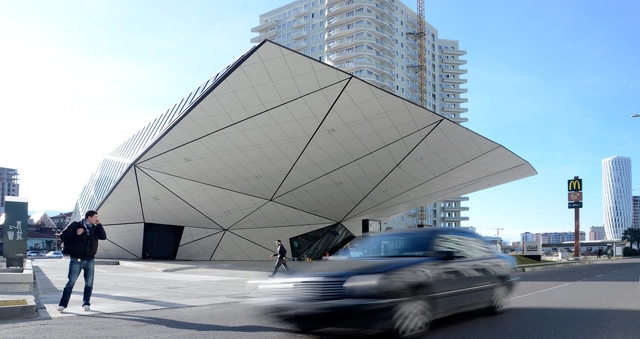
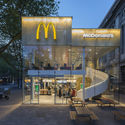
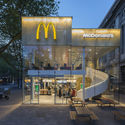
Some restaurants don’t need a review to get attention. You might know them for their longevity, their presence, or even just their advertisements. But most importantly, whether it’s their grand luminous logo, or the building’s prominent architecture and color palette, these franchises are more or less the same (the menu, the music, the interior design…), wherever you are, be it London, Lima, or Lahore.
Recently, however, a few of these places have begun to shift away from the “architectural stamp” that they use in all their branches, hiring design firms to rebrand their restaurants - and by extension, their image. This bespoke approach can result in outposts that are atypically site-specific, understated, and individual. For users, it may be a point of curiosity; a reason to revisit what you think you already know. For the brand, it's an attempt to cater to evolving tastes (culinary and otherwise) without having to alter the core product.


.jpg?1538563752 "Courtesy of SHoP Architects")





.jpg?1537701733)


.jpg?1537702346)