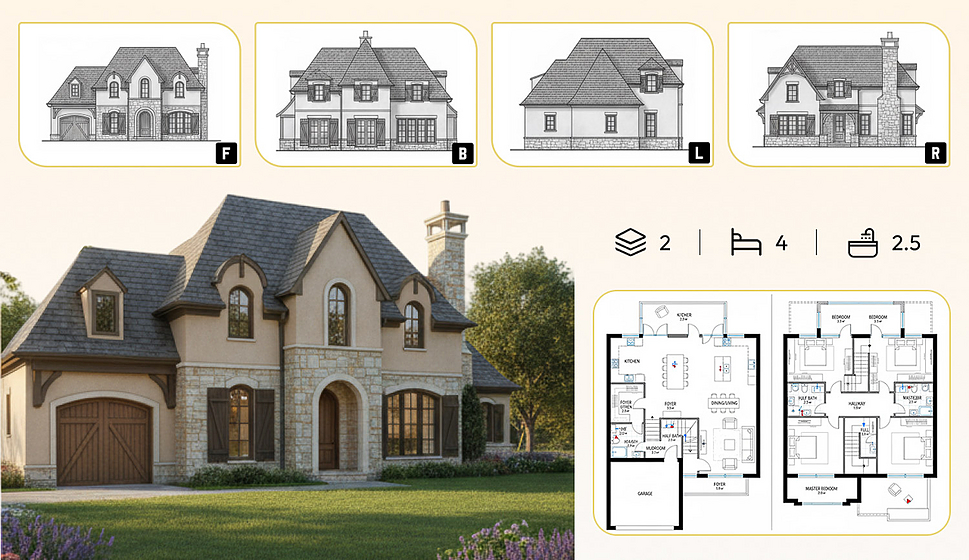
This guide covers a workflow that moves from project parameters to generated floor plans, 3D perspective views, exterior design exploration, and site context visualization, using AI tools in place of preliminary CAD and rendering work.
This guide covers a workflow that moves from project parameters to generated floor plans, 3D perspective views, exterior design exploration, and site context visualization, using AI tools in place of preliminary CAD and rendering work.
This article was originally published on Common Edge.
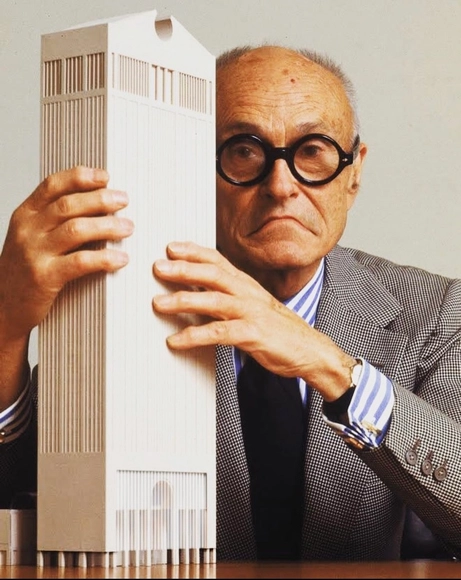
Apart from dressing like an undertaker, wearing black-rimmed circular glasses, and driving Swedish cars, modern architects’ most conspicuous trait is their aesthetic honesty, which is dangerous. Sincerity leaves little room for imagination.

As part of our partnership with the 27th World Congress of Architects, we are sharing here an interview with architect Francis Kéré, a speaker confirmed for the UIA2021RIO, conducted by architect Miguel Pinto Guimarães.
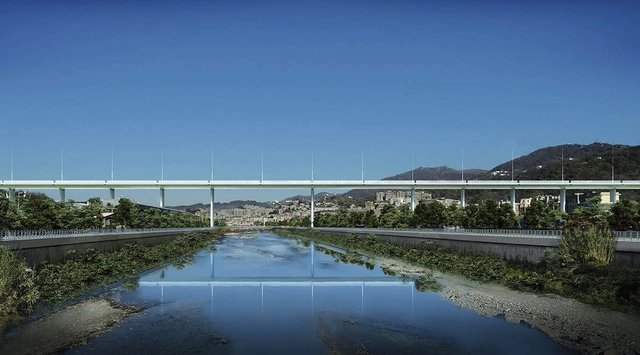
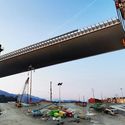
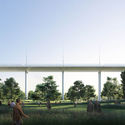
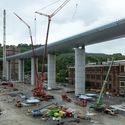
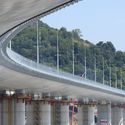
Designed by Renzo Piano, Genova San Giorgio, the new viaduct over the Polcevera has been inaugurated. Created after the tragic collapse of the Morandi Bridge in 2018, the new bridge in place will be open to traffic starting August 5, 2020.
In the 20th Century, New York City became an epicenter of newly constructed buildings that quickly gained an iconic status. While they greatly influenced new ways that we think about aesthetics and space, many of them met their demise less than 60 years after their commissioning. It seems that in the modern age of mass development, and where a wrecking ball symbolizes progress forward, no building is safe. The tenacity to tear down even these structures deemed to be culturally significant speaks to how architects are quick to dismiss ideas about how long we plan for buildings to live and how we decide when its time for them to come down.

When Jane Jacobs famously said, “Cities have the capability of providing something for everybody, only because, and only when, they are created by everybody,” she might as well have been foreshadowing the successful partnership formed between SHoP Architects, James Corner Field Operations, and Two Trees Management. The team, who collaborated on the 11-acre Domino Park master plan in Williamsburg, Brooklyn, has been hailed for creating a benchmark standard in perfecting the process for designing and understanding what it means to maintain a park that actively participates in a two-way dialogue with the community.
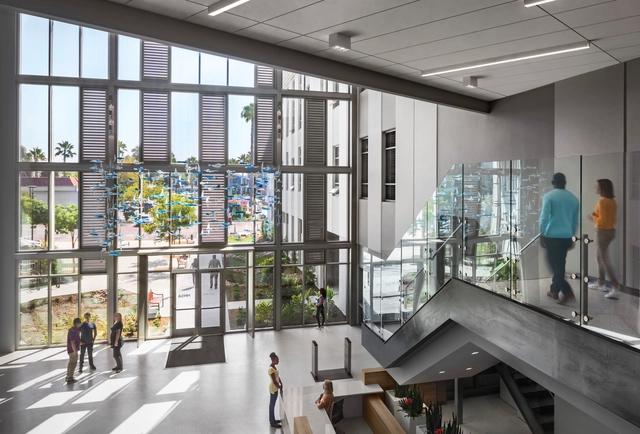
Architecture is grounded in optimism and a belief in what lies ahead. Building a body of work around this idea, architect and author Lance Hosey serves as a Design Principal and Chief Impact Officer at HMC Architects. A Fellow of both the American Institute of Architects and the US Green Building Council, Hosey is working to champion more sustainable design strategies and reconsider how architecture is practiced.
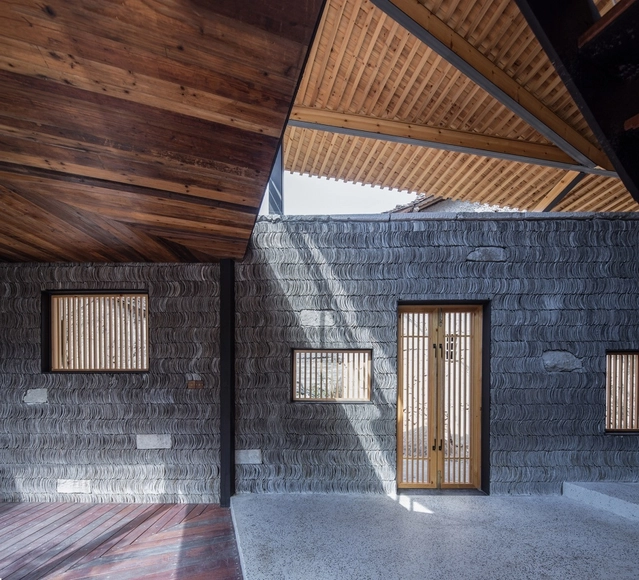
Constrained by a lack of transportation and resources, vernacular architecture has started adapting the distinct strategy of utilizing local materials. By analyzing projects which have successfully incorporated these features into their design, this article gives an overview of how traditional materials, such as tiles, metal, rocks, bamboo, wooden sticks, timber, rammed earth and bricks are being transformed through vernacular architecture in China.
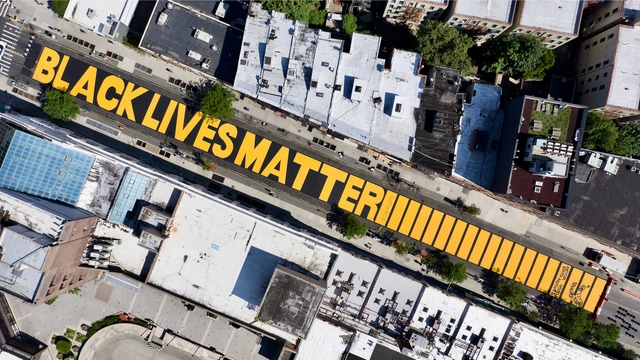
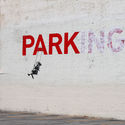
When urban spaces become the medium for expression, protest, criticism, and defiance, the audience is limitless. Pedestrians and bystanders of all ages and ideologies become spectators of demonstrations that walk the line between art and activism and transform the city's streets, walls, and sidewalks into canvases for diffusing ideas on a massive scale. Banksy once said that "a wall is a very big weapon. It's one of the nastiest things you can hit someone with." This call to arms has rung true for many as they take to the streets in a bid to make themselves heard.
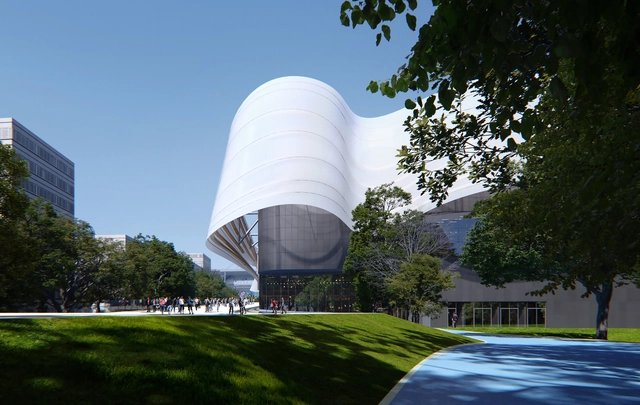
MAD Architects has revealed its design proposal for the Aquatic Centre for the Paris 2024 Olympics. Envisioning the sports facility as an urban public artwork, showcasing the beauty and hope of Paris, the proposal was created in collaboration with three French architectural studios, Jacques Rougerie Architecture, Atelier Phileas Architecture, and Apma Architecture.
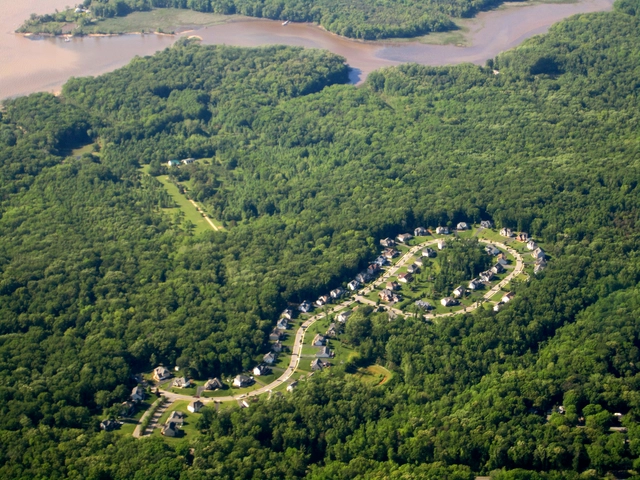
The export of American culture is one of the most influential forces in our interconnected world. From Dakar to Delhi, American pop music, movies, and artery-clogging cuisine are ubiquitous. However, one of the most damaging exports is the American suburb. When the 20th century model for housing the swelling populations of Long Island and Los Angeles translates to 21st century Kinshasa and Kuala Lumpur, the American way of life may very well be our downfall.

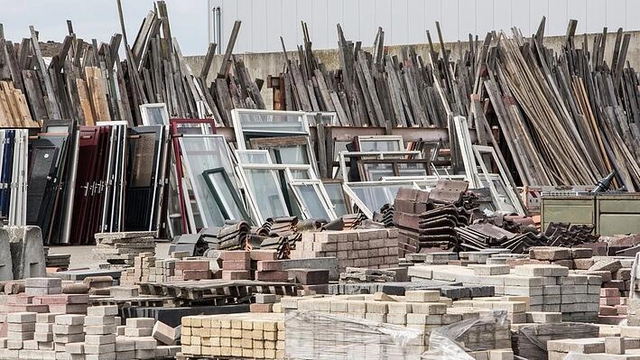
“Out with the old and in with the new,”....or so they say. In the United States, a cloud of dust and debris paired with a wrecking ball and bulldozer tends to represent signs of forward progress, innovation, economic activity, and the hope for a better future through architectural design.
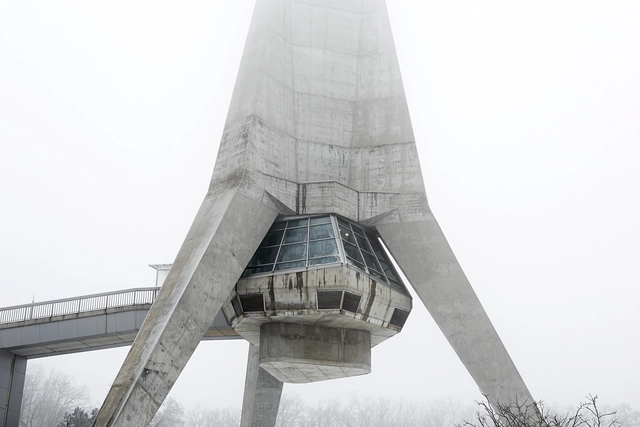
The Manifesto of Futurism, written by Italian poet Filippo Tommaso Marinetti in 1909, was the rallying cry for the avant-garde movement driven by the writers, musicians, artists, and even architects (among them Antonio Sant'Elia) in the early 20th century. After the manifesto's publication, Futurism quickly came to the forefront of public conscience and opened the way for many other cutting edge movements in the art world and beyond.
While the movement would undergo a significant decline in the years following World War II, it reinvented itself decades later during the Space Age, when faith in technology and industry were at a fever-pitch and the world's powers were racing to put humans on the Moon. All of a sudden, humanity had a new cultural panorama that inspired every facet of society--from musicians, to scientists, to architects. With the combination of engineering and art, not to mention the bountiful scientific achievements of the time, works of architecture turned into works of science fiction.
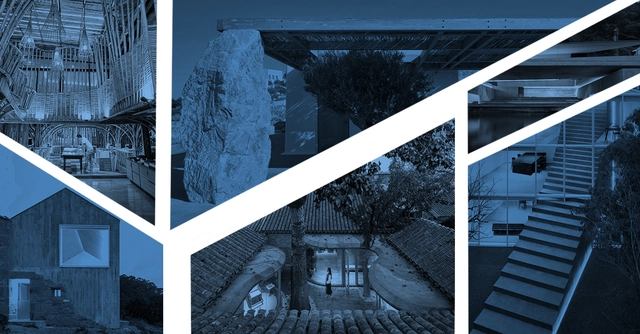
We've recently passed the halfway point of 2020, and to date, we've published hundreds of residential projects featuring distinct ways of living on ArchDaily. In a year marked by the worst health crisis that humanity has experienced in the last century, the Covid-19 pandemic, the house has gained new meanings and values, reiterating that no matter how diverse its program, a home's purpose is to shelter its inhabitants.
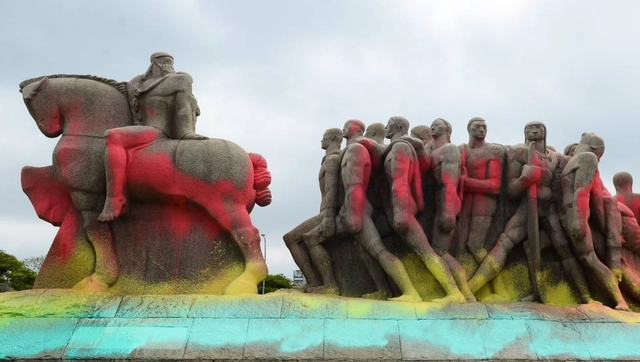
Architect Ayesha Luciano does not know much about her ancestors. Like other descendants of Afro-Brazilian and Indigenous populations, her family history was erased during the colonization of Brazil. This is what philosopher Sueli Carneiro calls epistemicide: the annihilation of knowledge and memories in countries with a history of slavery.
Yet the perpetrators of this genocide have their figures carved in stone, occupying central positions in the country's public spaces. Such is the case with the totemic statue of the bandeirante Borba Gato in the capital of São Paulo, or of Joaquim Pereira Marinho, a trafficker of enslaved people whose statue stands in the center of Salvador (BA). The architect comments:

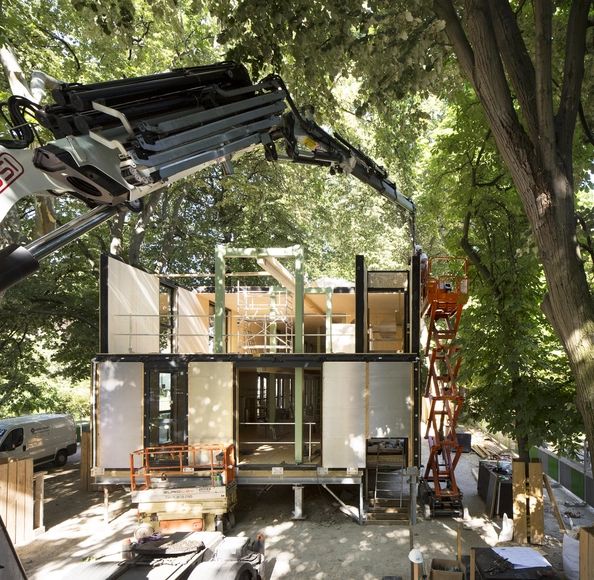
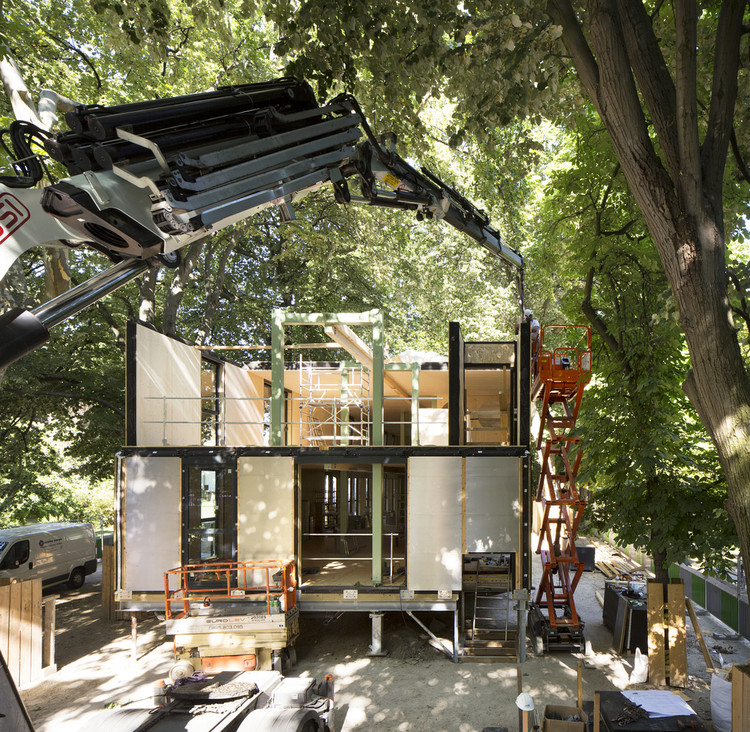
The concept of Design for Disassembly (DfD for short) gained increasing traction in recent years, as it addresses the growing concern around the high consumption of resources and low recycling rate within the construction industry. The following article details on the method and features guidelines for a design process that facilitates the dismantlement of future buildings, with the scope of providing a better understanding of this principle within the broader framework of the current practice and circular economy.
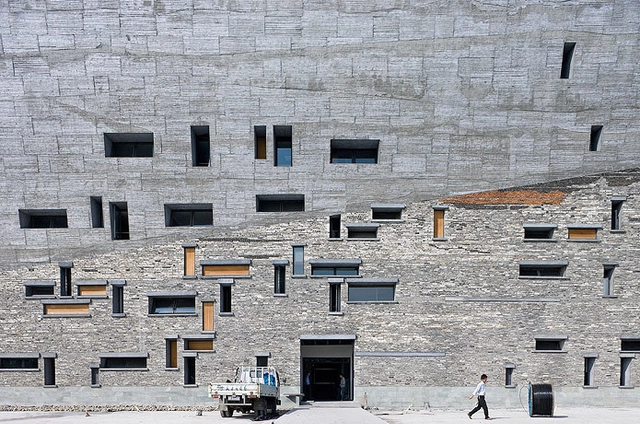
Over the past two centuries, cities in China have multiplied and expanded on a large scale, under accelerated urbanization. Mass demolition of the old city fabric, occurring everywhere, is leaving industrial debris and fragmented cultural artifacts buried forever, under shiny new skyscrapers. As old Chinese cities are collapsing and new urban centers are outspreading, a part of the city was lost, the old demolished landscape. Wang Shu and Lu Wenyu, the first Chinese citizens to win the Pritzker Architecture Prize, responded to this past-present relation by working with recycled materials and traditional know-how. In the following, we explore some of this couple's renowned works such as Ningbo History Museum, Ningbo (2008), Xiangshan Campus of China Academy of Art, Hangzhou (2004), and Ningbo Contemporary Art Museum (2005), to examine his humanistic approach to the city.
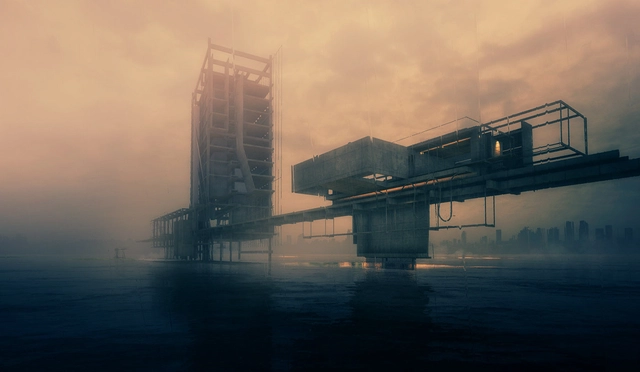
Architecture is defined by stories. Told through diverse mediums, these narratives shape how we understand our built environment. At the same time, drawings and visualizations can be architecture in their own right, a way of discovering what we see or what could be. For Vienna-based urbanist, architect and illustrator Alexander Daxböck, drawings are a way to imagine new futures together.

Architects in general are people who like to talk about how much they influence communities through their designs, and they are actually correct in saying that. After all, spaces together with various social factors influence how each individual feels when occupying the city or a building. But do these projects respond to all users in the same way? We propose to question the way architecture deals with the LGBTQIA+ community through an open call on our social media channels, bringing in our readers' testimonies on how they experience these spaces, and how is it possible to represent the LGBTQIA+ community in the architectural field.