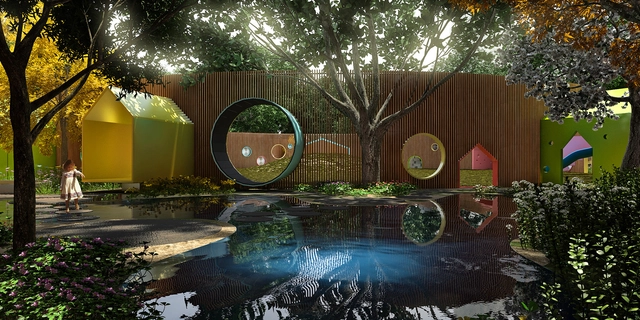
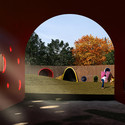
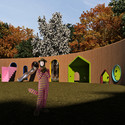
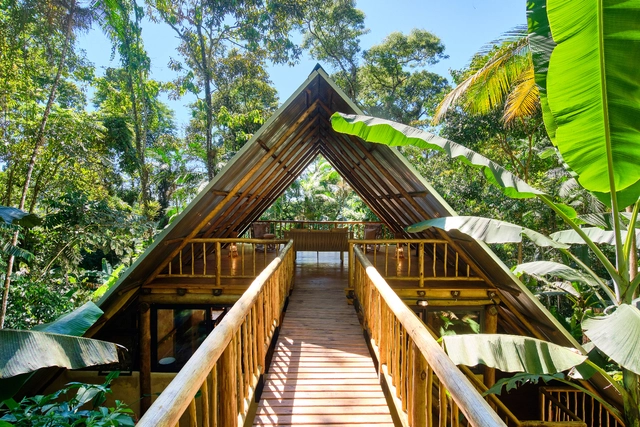
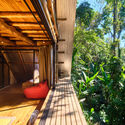
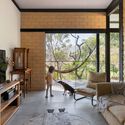
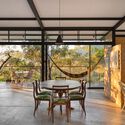
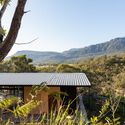
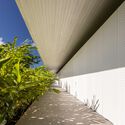
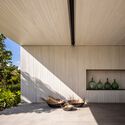
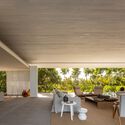
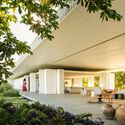
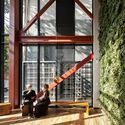
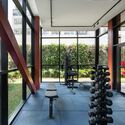
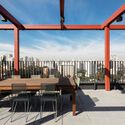
A square as a ludic space for children to freely explore – this was the idea behind the project for the Children Square Iguatemi, which will be built shortly on a site of 900 m², in the midst of a residential area.
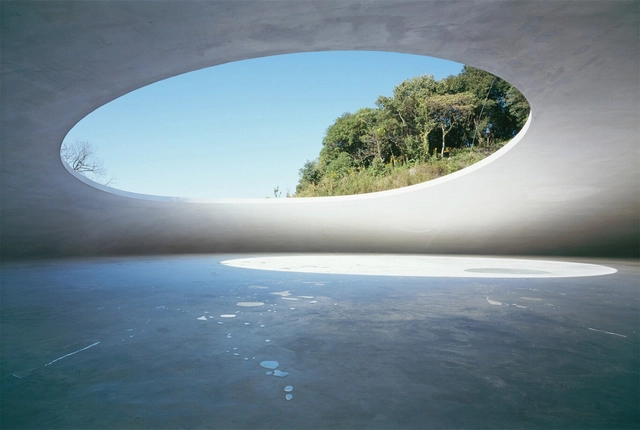
Teshima Art Museum, Ryue Nishizawa (SANAA), 2010. Credit: Ken'ichi Suzuki.
The course presents an overview of traditional, modern, and contemporary Japanese architectural production across four independent yet complementary modules. Drawing on cultural and historical contexts, the course analyzes the work of prominent Japanese architects from the 1930s to the present day. It also explores symbolic spatial and temporal relationships grounded in aesthetic principles such as ma, basara, wabi-sabi, yûgen, and mono no aware, among others. The goal is to broaden the repertoire regarding Japanese architecture and culture, offering exposure to new perspectives through lecture-based sessions.