Romullo Baratto is an architect with a PhD from FAUUSP and Managing Editor of ArchDaily. He previously coordinated the editorial team of the 11th São Paulo Architecture Biennial and served as Managing Editor of ArchDaily Brasil, where he led the platform to win the FNA Award—the first time the honor was granted to a media outlet. He collaborated on the editing of the book "Concrete Jungle", published by gestalten, and has curated architecture exhibitions in Brazil, Chile, Denmark, and Italy, as well as delivered lectures and moderated debates in Spain, the United States, and Portugal. His doctoral thesis investigates the urban landscapes of São Paulo through cinema. His work spans academic research and editorial practice, communicating architecture through texts, interviews, lectures, curatorship, and photography. Follow him on Instagram @romullobf.
The Saint-Gobain Group and the Brazilian Association of Architecture Offices (AsBEA) have announced the winners of the 8th edition of the Saint-Gobain AsBEA Architecture Award. The accolade celebrates projects that offer comfort and innovative solutions while simultaneously preserving the environment and promoting sustainability within the Brazilian construction industry.
Divided into two categories, professional and academic, the award recognized more than twenty projects across subcategories that included commercial, residential, and institutional architecture, thermal comfort, sustainability, and innovation, among others. See the winners below.
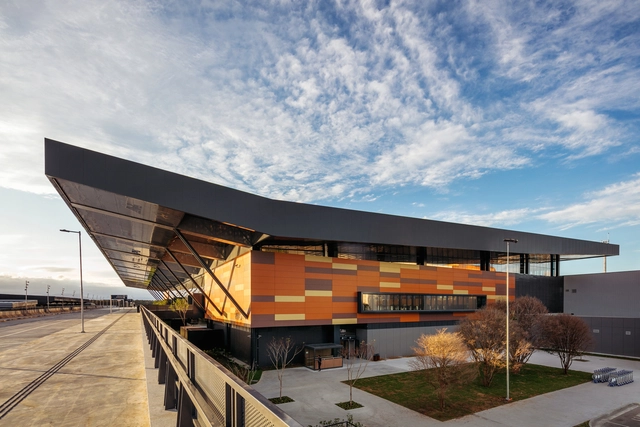
Fachada Sul. Image Cortesia de UNA Barbara e Valentim
In its 8th edition, the Saint-Gobain AsBEA Architecture Award announced the winners of its 2021 cycle, and the Sesc Parque Dom Pedro II project, developed by UNA Arquitetos under the coordination of Fernanda Barbara and Fabio Valentim—currently partners at UNA Barbara e Valentim—won in three categories. It secured first place in the Professional Category – Institutional Project, the Sustainability Highlight award, and the "Roberto Claudio dos Santos Aflalo" Highlight of the Year award.
Last week, we announced the 15 finalists for the 2025 ArchDaily Brasil Building of the Year Award, which celebrates the best of Lusophone architecture by inviting our readers to vote for their favorite projects built in Portuguese-speaking countries. Now, the time has come to reveal the three grand winners!
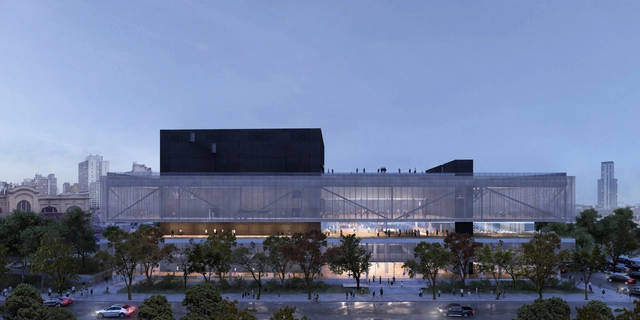
Conceived from the collection of the MAXXI museum in Rome, the traveling exhibition of At Home, at Garagem Sul, Centro Cultural de Belém in Lisbon, is complemented by Portuguese examples, expanding the interpretations and meanings of the presented materials. The exhibition ranges from the small scale of the shelter to the large scale of collective housing, revealing hybrid and complex experiences that bear witness to new ways of relating the individual and the community.
With the goal of getting to know the architects, projects, and stories behind landmark Portuguese architecture, Sara Nunes, from the architectural film production company Building Pictures, launched the podcastNo País dos Arquitectos, in which she talks with leading figures of contemporary Portuguese architecture.
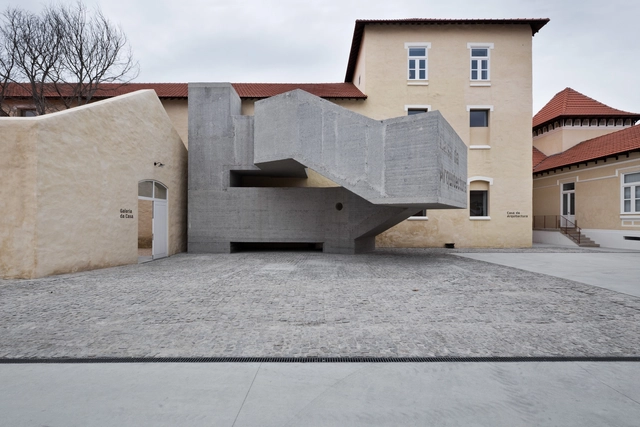
In this week's episode, Sara talks with architect Guilherme Machado Vaz about the impact that the Casa da Arquitectura and the former Real Companhia Vinícola have on the city of Matosinhos, in northern Portugal. Revisit the other interviews from the No País dos Arquitectos podcast and read the transcript of the interview with Vaz below:
Concurso como Prática: A Presença da Arquitetura Paranaense is the title of the documentary featured in the eponymous exhibition on view at the Oscar Niemeyer Museum (MON) until December 12th. Available on YouTube, the feature-length film produced and directed by architects Isabela Maria Fiori and Luiz Gustavo Singeski, in collaboration with Felipe Santos Gomes, presents a comprehensive overview of the participation and awards won by teams from Paraná in architectural competitions.
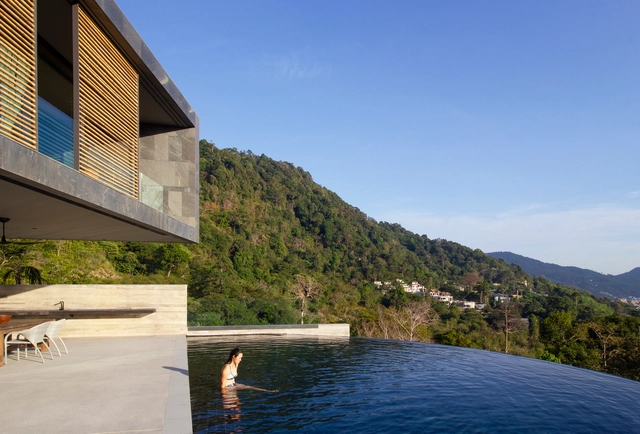
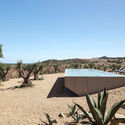
Playing with our imagination by dissolving the boundaries between sky and sea, infinity pools have become increasingly common in architectural projects. The optical illusion that attracts so many clients occurs when one or more of the pool's walls match the water level exactly, tricking the eye into believing there are no physical boundaries containing the volume. In this system, water literally overflows into a reservoir, from which it is pumped back into the pool.
CAU Brazil has launched two public calls for institutional support aimed at selecting civil society organizations (CSOs) interested in carrying out two major initiatives to promote architecture and urbanism. Over R$ 1 million will be allocated to cultural projects and technical assistance for social interest housing (ATHIS).
Romano Guerra Editora has launched a presale campaign to support the publication of the book Arquitetura e escrita: relatos do ofício, a collection compiling 24 interviews with prominent Brazilian and international historians and critics spanning different generations and intellectual backgrounds. The book is edited by José Lira, Felipe Contier, João Sodré, Jonas Delecave, Paula Dedecca, Samira Chahin, and Victor Próspero.
Conducted by the editors or guest contributors, the interviews shed light on their formative paths, affiliations, and major works, as well as their methodological and interpretive approaches, and their dialogues with other authors and disciplines.
Returning safely to the streets is beginning to emerge as a new reality for a society that reinvented itself in the face of the Covid-19 pandemic. But what should this renewed experience of public space look like? Are our cities truly prepared to welcome children, adults, women, families, and all social groups? Spurred by these questions, Gabriela Callejas, co-founder of Cidade Ativa, advocates for the “City of Yes”—an approach focused on all people that places the family, in its most diverse configurations, at the center of urban design decisions and municipal investments.
Following the controversy surrounding the news that Lucio Costa's estate was donated to Casa da Arquitectura, a Portuguese institution dedicated to safeguarding the archives of national and international architects, the Public Archive of the Federal District, the Secretariat of Culture and Creative Economy (Secec), and the National Institute of Historic and Artistic Heritage (Iphan) are now working to establish a cooperation agreement with the Portugal-based institution.
Aiming to explore the architects, projects, and stories behind landmark Portuguese architecture, Sara Nunes, from the architectural film production company Building Pictures, launched the podcastNo País dos Arquitectos, featuring conversations with key figures in contemporary Portuguese architecture.
In this week's episode, Sara invites architect José Mateus, from the firm ARX Portugal, to talk about the Castilho 203 building in Lisbon. Listen to the podcast episode or read the transcript of the interview with Mateus below:
The Tomie Ohtake Institute and AkzoNobel present the 13 projects selected for the eighth edition of the Tomie Ohtake Institute AkzoNobel Architecture Prize. The selection was made by a jury comprising architects Ariadne Moraes, Carlos Alberto Maciel, Cintia Lins, Diego Mauro, and Tainá de Paula.
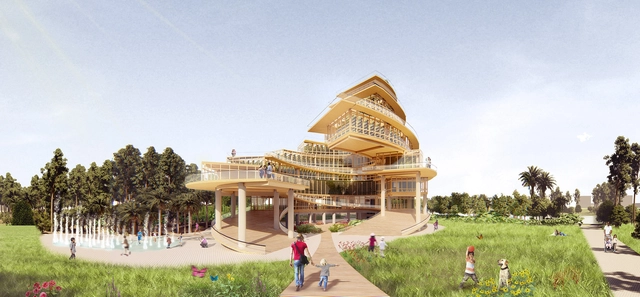
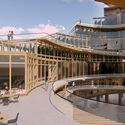
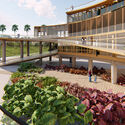
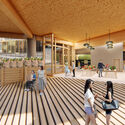
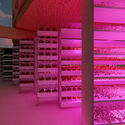
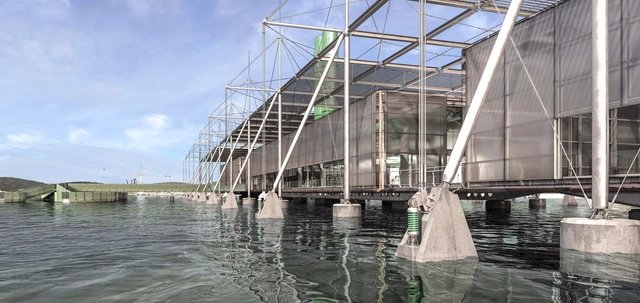
Cora Coletivo, a transdisciplinary Brazilian group, developed a project in the city of Dongguan, China, for the Urban Greenhouse Challenge II (UGC2) competition. The proposal for an iconic timber-structured vertical farm houses culture, leisure, and the entire food production and distribution chain. In addition, the site features landscape design in its open spaces and an Agroforestry System (SAF) for food production.
Architecture students from Mackenzie Presbyterian University in São Paulo have won the 14th ALACERO Steel Design Competition for Architecture Students 2021, surpassing competitors from countries such as Argentina, Chile, Mexico, Ecuador, and the Dominican Republic. The competition aimed to promote architectural concepts that utilize steel as their primary material.
No País dos Arquitectos is a podcast created by Sara Nunes, who is also behind the architectural film production company Building Pictures, which aims to profile the professionals, projects, and stories behind leading contemporary Portuguese architecture. With just over 10 million inhabitants, Portugal is a fascinating country when it comes to this professional field, and its architectural output punches far above its demographic or territorial scale.
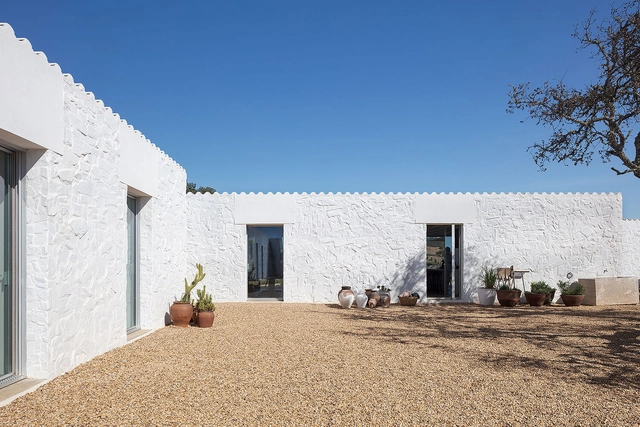
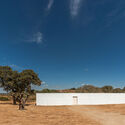
In this episode, Sara talks with architect Paulo Martins Barata, from the firm PROMONTORIO, about the design of Casa da Volta, located in Grândola, Portugal. Listen to the interview and read the transcript of the conversation below:
A vast majority of construction in Brazil occurs without the involvement of architectural professionals. Yet, thousands of architects graduate across the country every year. At the same time, Brazil has a rich building culture, expressed through people building their own homes and the traditional knowledge of communities shaping daily life.
Doesn't it seem obvious that those who build should stand alongside those who design to shape reality together? This is the proposal behind Canteiro Móvel.
With the aim of getting to know the architects, projects, and stories behind landmark Portuguese architecture, Sara Nunes, from the architectural film production company Building Pictures, launched the podcastNo País dos Arquitectos, where she speaks with key figures in contemporary Portuguese architecture.
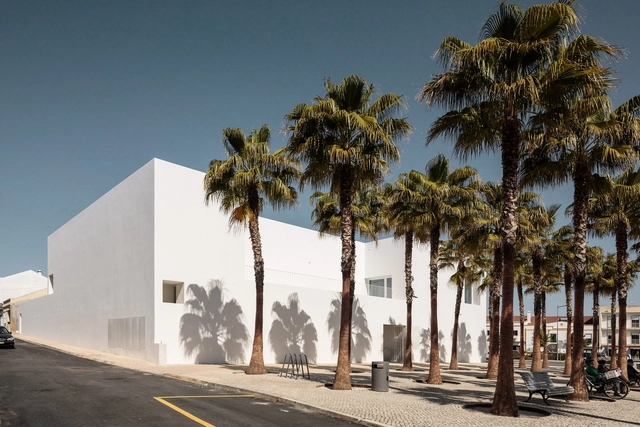
In this week's episode, Sara speaks with architects Pedro Domingos and Pedro Matos Gameiro about the design of the Grândola Municipal Library and Archives in southern Portugal. Revisit previous interviews from the podcast No País dos Arquitectos and read the transcript of the interview with Domingos and Gameiro below.