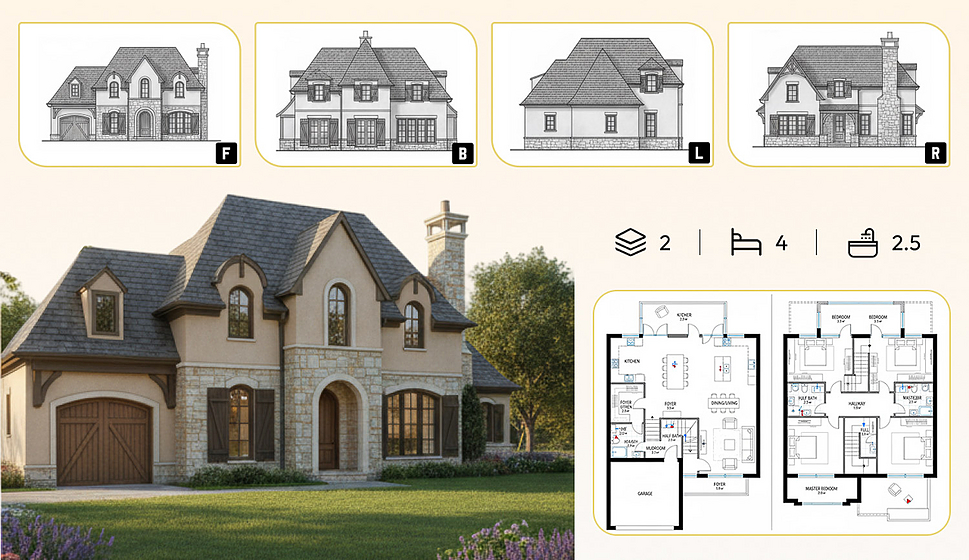
This guide covers a workflow that moves from project parameters to generated floor plans, 3D perspective views, exterior design exploration, and site context visualization, using AI tools in place of preliminary CAD and rendering work.
This guide covers a workflow that moves from project parameters to generated floor plans, 3D perspective views, exterior design exploration, and site context visualization, using AI tools in place of preliminary CAD and rendering work.
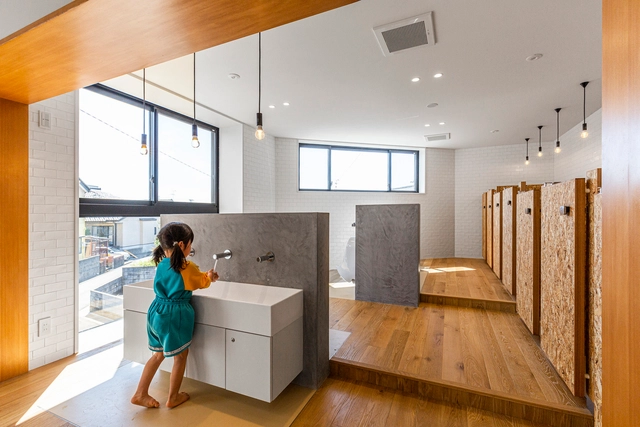
We often use the term accessibility when designing spaces for the elderly or for people with special needs. However, to guarantee effective universal design for children, it is necessary to understand and cater to their specific needs as well, especially through ergonomics, safety, lighting, colors, and some particular accessories. In this article, we will cover the most important parameters to consider when choosing dimensions and materials in public bathrooms for young children.
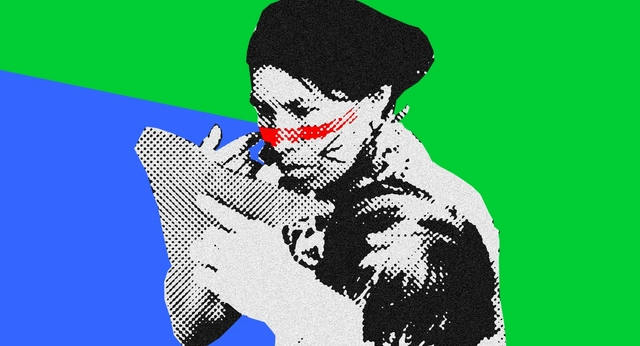
When discussing indigenous peoples, it always seems like something far from us, something that does not belong to us—relegated to the distant forest, to history, and so on. This segment of the population is often met only with prejudice and stereotypes. Even the term “indigenous culture” is commonly romanticized, even by self-proclaimed experts, whether out of ignorance, lack of access to accurate information, or sheer intellectual laziness. Yet the fact remains: we have always had indigenous peoples among us.

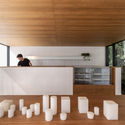
One of wood's main appeals is its ability to bring visual warmth to a space, making it more welcoming and comfortable. Consequently, architects and interior designers frequently specify this material for flooring and wall cladding in a variety of species, patterns, and tones. However, moving beyond traditional applications, using wood for residential ceilings has become increasingly common. This approach not only enhances the cozy atmosphere and creates a sense of a lowered ceiling, but, above all, significantly improves acoustic comfort.
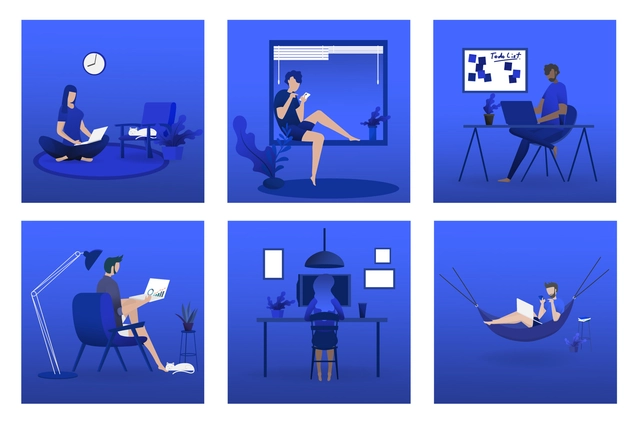
The impact of COVID-19 has disrupted daily life as we know it and caused a shift in technology trends within the workplace. Over recent weeks, businesses have found themselves hastily searching for and implementing temporary solutions to help them deliver an uninterrupted service. These solutions are highlighting the significant role technology plays in helping companies adapt to the situation and maintain daily operations. But what happens once the crisis is over?
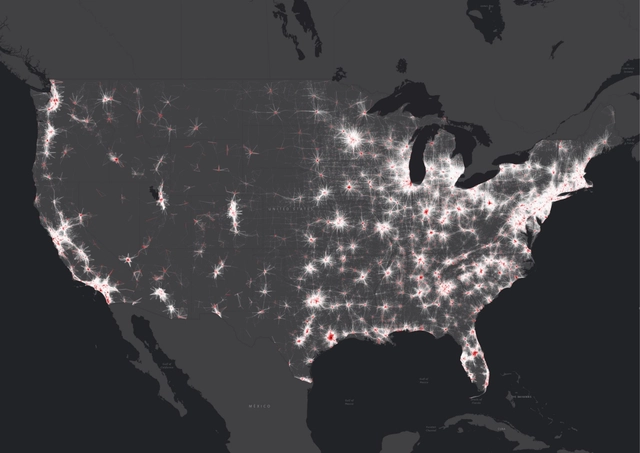
Intro GPS systems and Location Based Services give access to an important amount of data that is currently being used mostly for traffic analysis - but which, if properly processed, could open up infinite possibilities for planning.The access to these Mobility Big Data is no longer a privilege of large cities; on the contrary, it is possible to effectively apply the technologies to increasingly more diverse territories, from mega-regions to contained districts and cities. These data, when retrospectively compared to previously collected ones, lend themselves to multiple applications loosely related to the traffic issue, such as socio-demographic or economical studies. Systematica opens the doors of its laboratory to show us what are the potentials and limits of these tools, starting from a direct experience - a research project, developed in the Los Angeles area.
For the 2019 Shenzhen Biennale of Urbanism\Architecture (UABB), titled "Urban Interactions," (21 December 2019-8 March 2020) ArchDaily is working with the curators of the "Eyes of the City" section to stimulate a discussion on how new technologies might impact architecture and urban life. The contribution below is part of a series of scientific essays selected through the “Eyes of the City” call for papers, launched in preparation of the exhibitions: international scholars were asked to send their reflection in reaction to the statement by the curators Carlo Ratti Associati, Politecnico di Torino and SCUT, which you can read here.
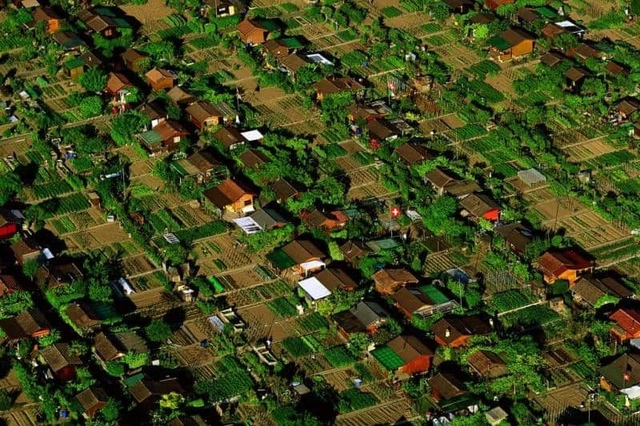
Les Avanchets is a Swiss town where the majority of residents grow their own food in home gardens. Beyond cultivation, trading food is also common practice: those with surplus carrots trade them for cabbage or lemons, ensuring everyone has access to a healthy, diverse, and pesticide-free diet.

Once the period of lockdown and widespread contamination of the epidemic is over, we will no longer be the same. This phrase has been repeated time and again, and indeed, global society will never be the same. Work relations are likely to change, and labor laws may adapt to allow technology to become an ally in employer-employee relations, ultimately yielding a positive impact on mobility, the environment, and energy consumption.
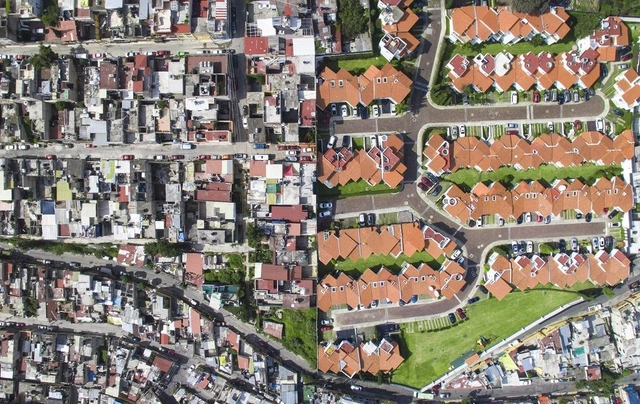
The word and the ear, along with the heart, have many paths, many ways, many calendars, and many geographies to find each other. And this struggle for life can be one of them.
- Communiqué from the Zapatista Army of National Liberation regarding COVID-19
While governments around the world call for “social distancing” and some of them militarize public space through violence and the shattering of collectivity, the Zapatista Army of National Liberation calls to “raise high the banner of the struggle for humanity,” to not lose human contact, and to keep social struggles alive.
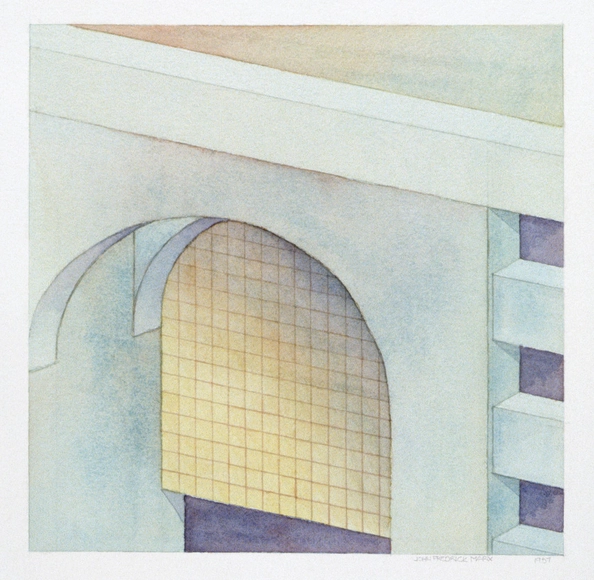
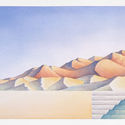
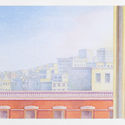
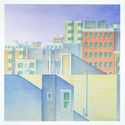
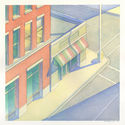
Etudes is a rare thing amongst architecture books. Its subject is neither built nor unbuilt projects but instead imaginary places and abstract compositions by San Francisco architect John Marx. Rendered in delicate watercolours, Marx’s places are dreamlike and akin to the structure and sentiments of his taut poetry that sits alongside pages of his paintings.
Curiously, the quiet streets and vacant landscapes of Marx’s imagination speak to us in an acutely timely fashion as we find ourselves in a new world of empty cities closed for business, a world that feels as if it has come to a standstill.
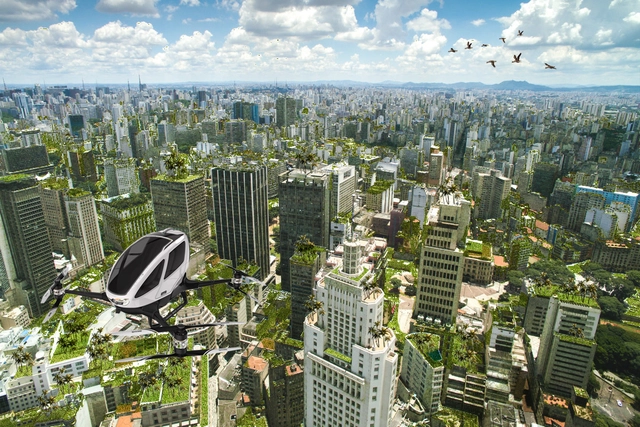
Hashim Sarkis, the curator of the 17th International Architecture Exhibition organized by La Biennale di Venezia, launched a striking visionary theme at the beginning of this year: “How will we live together?”. This fundamental question finally transcends all disciplines and opens an existential portal for humanity. It does not refer only to humans but all species, the nonhuman organisms as well.
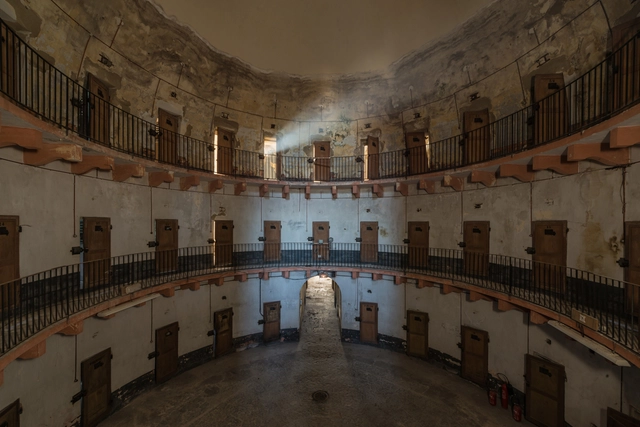
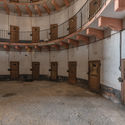
An expression of power and a symbol of surveillance, the panopticon is a notorious architectural concept intended as a disciplinary mechanism. Photographer Romain Veillon shares his images of the Panopticon-inspired prison in Autun, France.
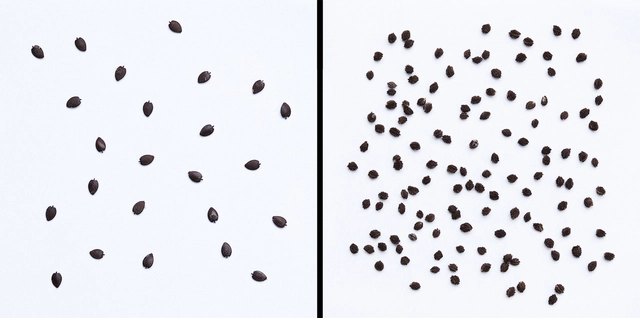
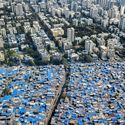
Having lost their sense of purpose, cities are searching for new meanings. Today we rely on digital social networks to access common goods like culture, leisure, and meaningful encounters—but how can we leverage technology to enable the right to the city during a pandemic? We are witnessing a global slowdown in urban development: the emptying of cities in India, the urban exodus in France, and a return to smaller towns and rural areas where there is lower population density and a higher quality of life. What is the city if not the promise of access to the commons it offers?

Architects throughout the modern era have displayed their fantasies through their designs and their obsessions with how women have inhabited them. Take for example Corbusier’s infatuation with Eileen Gray and her home, E. 1027. Plagued with unconfirmed tales of how he broke into her home to paint murals on the white walls, he was also known to publicly downplay the home's design, while conversely praising it in a series of unreciprocated love letters to Gray. In the same vein, while Adolf Loos stood firmly against architectural decoration, he perhaps supported the elegance of women acting as a human ornament, an assumed notion in his envisioned home for the French Entertainer, Josephine Baker. The unbuilt proposal took on the form of a black and white striped solid which located a glass pool at the center of the space, forcing Baker to catch the male gaze of other occupants.
The relationship of sensuality and space doesn’t stop with the provocative desires of these three men, but lives on in one of the world’s most famous publications, Playboy magazine. Perhaps best known for its significance as a vanguard in the sexual revolution with its promotion of masculinity, the magazine also illustrated a showcase of swanky glass bachelor pads standing high above Beverly Hills that pushed forward a debonair lifestyle punctuated by modern design. As a generator of a glamorized lifestyle, the magazine highlighted architectural titans including Mies van der Rohe, Bucky Fuller, and Eero Saarinen, and made them palatable to a general audience.
In the midst of a pandemic that has already affected 184 countries and infected more than a million people around the world, we seek to cover all topics that relate the coronavirus within architecture and space, and ways to make social distancing less painful.

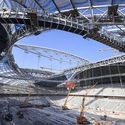
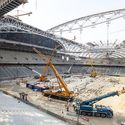
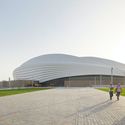
Between February 2014 and September 2015—just a few months before her untimely and unexpected passing—architect Zaha Hadid was at the center of a heated and controversial debate. This debate focused, on one hand, on the growing and increasingly severe allegations concerning labor conditions in Qatar in general, and specifically on construction projects undertaken for the 2022 FIFA World Cup (ITUC, 2014; Amnesty International, 2016); and, on the other hand, on the design of the Al Wakrah Stadium—developed by the London-based architecture firm that bears her name, and signed by Hadid and Patrik Schumacher for the event.
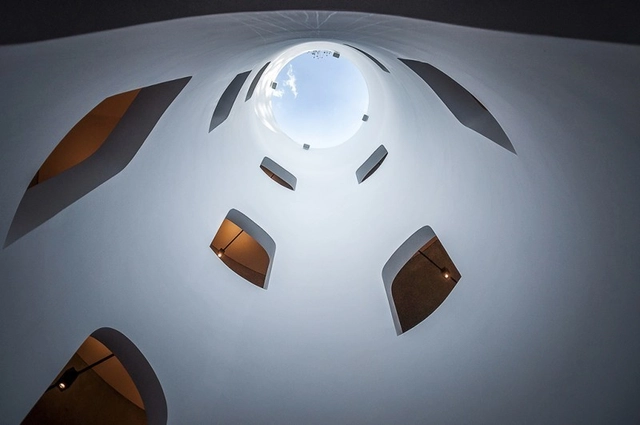
Architectural and fine art photographer Pygmalion Karatzas is presenting a number of free online architectural photography resources for readers to explore in the period of the COVID-19 pandemic. The selected resources include e-books, numerous interviews with renowned photographers from around the world, educational presentations (academic papers, lectures, workshops), and videos.
As author Jeremy Lent points out in a recent article, the phrase “social distancing” is helpfully being recast as “physical distancing” since this pandemic is bringing people closer together in solidarity than ever before, and we are witnessing a heartwarming rediscovery of the value of community, and humanity’s prosocial impulses like altruism and compassion manifesting across sectors and boundaries.

What size is this room? What is the view from the meeting room like? What would you see if you looked from the outside in? These are all recognizable examples of questions designers are asked. Is there any better answer than immediately showing the view in question? XUVER provides a user-friendly way to share an online-rendered visualization of your design within a minute. No additional software is required; all you need is a link and a web browser. A voice module also enables you to discuss your design simultaneously.
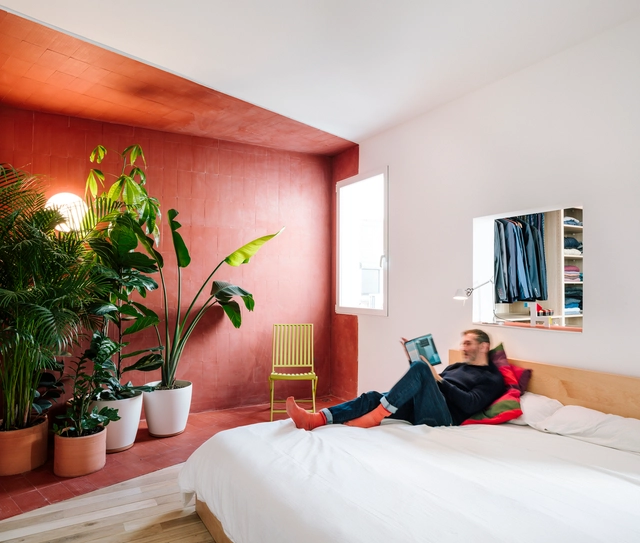
As cities around the world go on lockdown in response to the COVID-19 outbreak, most individuals have been asked to stay at home, leaving only essential workers - EMTs and other healthcare professionals, grocery workers, bus drivers, deliverymen, and more - continuing to go out to keep the world running. Other families and individuals have found themselves spending most of their time at home, permitted to leave only to buy groceries or exercise for limited periods of time. With many no doubt searching for ways to pass the time in replacement of social interaction, we suggest several ways to brighten up your home while practicing social distancing, both improving the space you’re in and giving possible activities to pass the time.
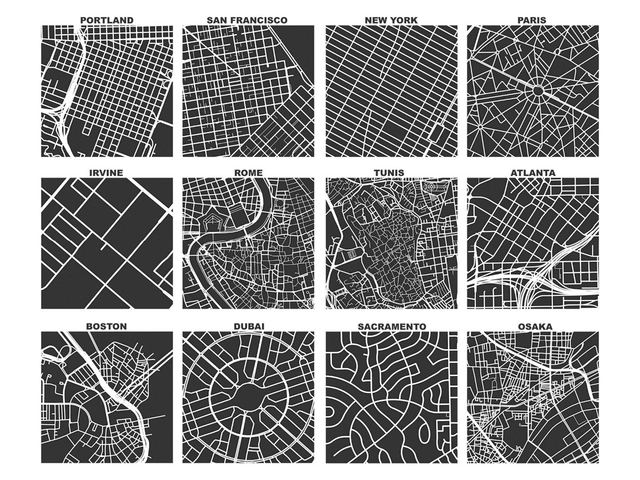
Big Data refers to data that, due to its quantity and complexity, requires specific applications in order to be processed. New trends in urbanism, data collection, and management, not to mention the development of new platforms and tools, have given rise to a new era in urban analysis, creating new resources to understand, evaluate, and manage the evolution of cities.
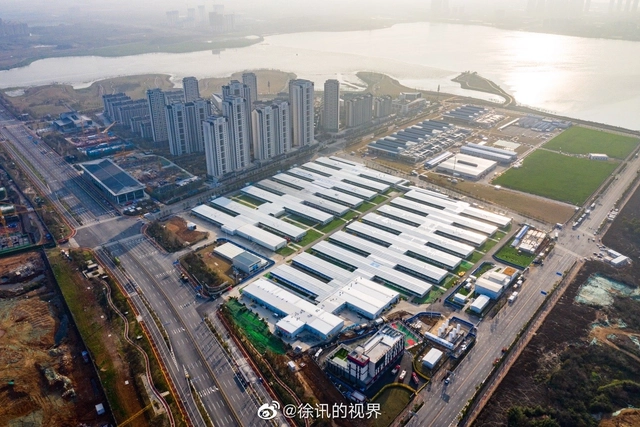
While an overwhelming majority of the world is still fighting against COVID-19, the economic and social situation in China has shown beginning signs of a return to a new normal way of life in recent weeks. In another sign of good news, the Chinese government recently announced that the two hospitals in Wuhan that were built from ground up within 10 days would close on April 15th and the remaining 30 patients will be transferred to other hospitals in Wuhan to receive further treatment. Other regions of China have followed similar steps, also announcing the closure of temporary hospitals, showing a positive sign that the COVID-19 pandemic is finally being defeated where it first began.
We've compiled a list with the temporary hospitals constructed in the first two months of 2020, designed specifically to treat patients with COVID-19 symptoms. In total, China constructed more than 30 temporary hospitals built across the country. The speed at which these medical facilities were built was achieved through the hard work of tens of thousands of people working around the clock.
.jpg?1548265388)
Given the sheer magnitude and influence of its recorded history, Italy as we know it is a surprisingly young country. For centuries, the region was divided between powerful (and sometimes warring) city-states, each with their own identity, culture, and, fortunes, and influence. Some are eternally famous. Rome is a cradle of history and heart of religion; cool Milan is a hub of contemporary fashion and design; Florence is synonymous with the Renaissance and all the epoch’s relationship to the arts.
Turin’s history is arguably less romantic. The small city in Savoy, a north-Italian region bordering France, has established an identity as an industrial powerhouse. It is home to FIAT and some of Italy’s finest universities; the streets are dotted with works by Nervi, Botta, and Rossi. But despite the design pedigree, perhaps nothing better illustrates the region’s faceted history better than Castello di Rivoli.
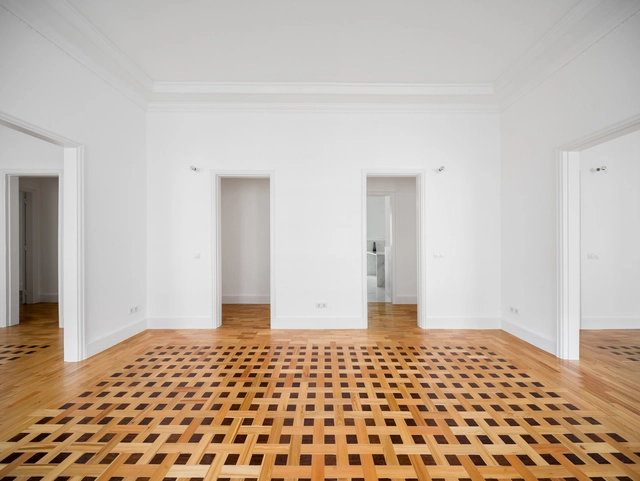
Wood parquet floors, or simply parquet, are made from assemblies of solid wood rectangular blocks, which can be installed in graphic patterns such as diagonal, herringbone, and checkerboard, among others. These diverse designs, combined with the varying textures and colors of the blocks, open up countless compositional arrangements through the application and repetition of identical units.
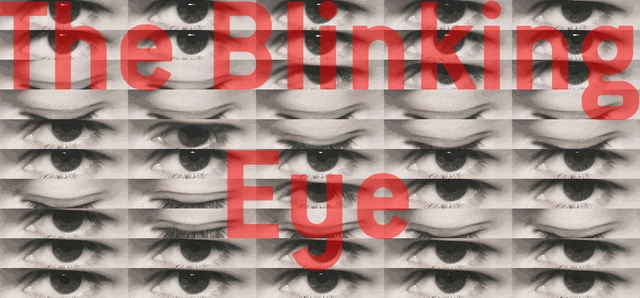
We are increasingly accustomed to relying on technologies to read and process data referring to the past, in order to interpret the present and predict the future. At the same time, a growing number of studies show that the number and types of variables governing our societies is in constant change. As the natural world reacts to change by experimenting with the evolution of new species that are not necessarily destined to survive, so we should take momentary distances from the deterministic application of data-driven predictions. Viktor Mayer-Schönberger and Karl-Heinz Machat propose a number of possible scenarios in which the Eyes of the City are made to blink from time to time, allowing for alternative modes of urbanity to be tried and tested. Half strategy, half tactic, these glitches offer the space in which to measure the agency of the unpredictable at various scales.
For the 2019 Shenzhen Biennale of Urbanism\Architecture (UABB), titled "Urban Interactions," (21 December 2019-8 March 2020) ArchDaily is working with the curators of the "Eyes of the City" section to stimulate a discussion on how new technologies might impact architecture and urban life. The contribution below is part of a series of scientific essays selected through the “Eyes of the City” call for papers, launched in preparation of the exhibitions: international scholars were asked to send their reflection in reaction to the statement by the curators Carlo Ratti Associati, Politecnico di Torino and SCUT, which you can read here.
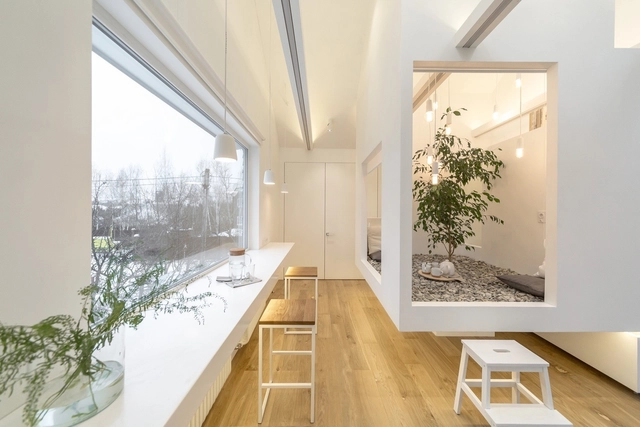
The outbreak of COVID-19 has caused an estimated 900 million people around the world to remain at home. Among them are architects and designers who have been asked to work remotely to prevent the virus from spreading through the workplace. For many architects, this is undoubtedly a new territory. However, for ArchDaily, it is not, and we can assure you that it is possible not only to work from home, but to use this time to greatly enhance your skills, knowledge, and development as an architect.














.jpg?1548265246 "Castello di Rivoli / Andrea Bruno (Refurbishment). Image © Laurian Ghinitoiu")
.jpg?1548265270 "Castello di Rivoli / Andrea Bruno (Refurbishment). Image © Laurian Ghinitoiu")
.jpg?1548265404 "Castello di Rivoli / Andrea Bruno (Refurbishment). Image © Laurian Ghinitoiu")
.jpg?1548265416 "Castello di Rivoli / Andrea Bruno (Refurbishment). Image © Laurian Ghinitoiu")
.jpg?1548265388)