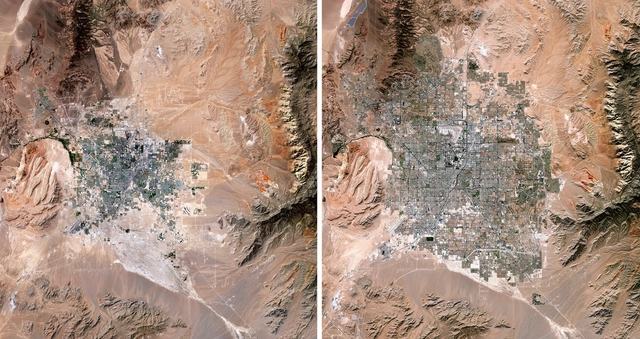
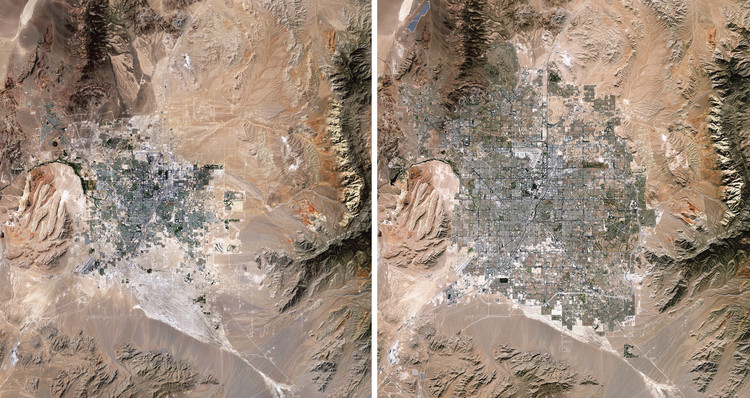
Las Vegas Expansion, 1989/2019. Source Imagery courtesy of The European Space Agency (ESA) Paris, France
Human impacts on Earth are a common issue nowadays, and many people say that there is no turning back. Climate crisis, greenhouse gases, exploitation of natural resources, production of solid waste and atmospheric pollution are some of the most pressing issues that the global community must address if we want to ensure a sound future for the next generations.
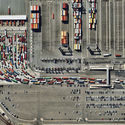
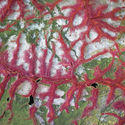
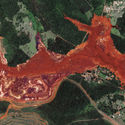
These topics can be viewed in full-color and high-definition in the new book Overview Timelapse: How We Change the Earth, by Benjamin Grant and Timothy Dougherty, which compiles 250 satellite and drone photographs of places on Earth that are in constant transformation.
Fungi are everywhere—in the air, in water, on our bodies, on trees, on bathroom ceilings, and underground. They can manifest as mushrooms (including edible, medicinal, psychedelic, or highly toxic ones) or in other simple forms like mold. They can trigger illnesses, but they also produce life-saving antibiotics like penicillin and help ferment excellent cheeses and breads. Could they, then, also become the packaging and construction materials of the future?
Few historical events have been as pivotal to the history of architecture and urbanism as the Industrial Revolution. To accommodate the productive framework that transformed capitalism starting in the 18th century, an entire spatial system was created. Beyond factories, this network included raw material processing plants, power generation and distribution hubs, warehouses, and transport terminals. In urban terms, this process did not merely allocate large swaths of land to industrial activities; it triggered a multisystemic transformation that reshaped how people lived, occupied, and moved within the urban environment.
https://www.archdaily.com/1122136/de-industrial-architecture-8-projects-that-redefine-the-space-of-the-machineIsabel Martin
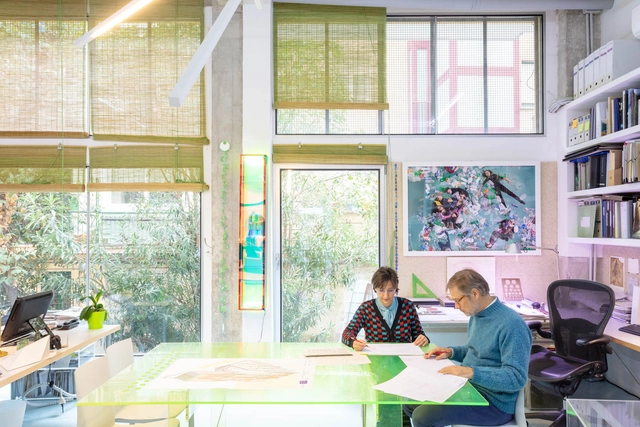
The sixth edition of the international architecture and city festival Open House Madrid was held from September 25 to 27, featuring a special edition organized to comply with necessary health measures and ensure the safety of all participants. The event offered visits to 27 renowned architecture studios across the city—some in virtual formats, others in person, and some in both.
https://www.archdaily.com/1124217/27-architecture-office-visits-at-open-house-madrid-2020ArchDaily Team
As our cities continue to grow and expand rapidly, there has been an increasing demand for architects and craftsmen to build houses more cost-efficiently under tight deadlines. Modular architecture has been introduced as a concept which involves assembling multiple pre-fabricated modules on site to create a working unit. By joining similar elements together in various ways, modular architecture allows for more flexibilities in design and standardized repair.
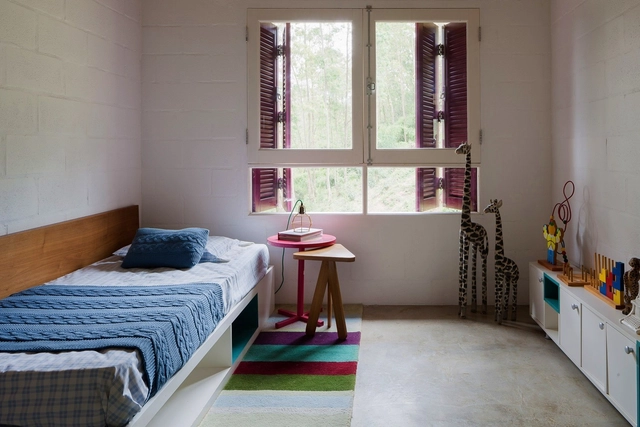
Many factors influence people's well-being, but few have power as great as the quality of sleep. Adults spend, on average, a third of their day (and their life) sleeping. In the case of young children, this proportion is even higher. According to a study published by the WHO in 2019, babies (4 to 11 months) should sleep between 12 and 16 hours/day; and children up to 4 years old should sleep between 10 and 13 hours/day.
Quality sleep acts directly on the child's brain development, especially during his first and second childhood (from birth to 12 years old). During the rest period, the body releases the hormones necessary for growth and learning, and this is directly related to physical, motor, emotional, and cognitive development. It is also known that the environment where one sleeps interferes with the quality of that sleep, and some important aspects must be considered when designing sleeping spaces for children and babies.
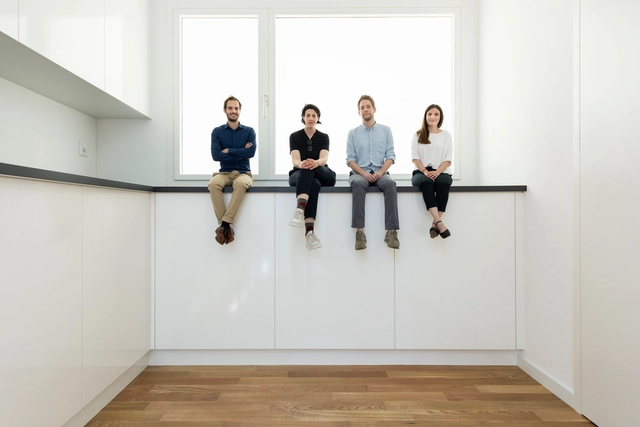
In the field of architecture, the technological, social, and cultural changes driven by 21st-century globalization processes have enabled the development of transnational teams and diverse firms designing projects with innovative perspectives and visions unmoored from a single geographical location. Hyper-communication, exchange, and advanced digital resources are design tools that have allowed architects to operate with a more global vision of the practice, transcending national borders and enabling them to approach architectural challenges in a more open and pluralistic way.
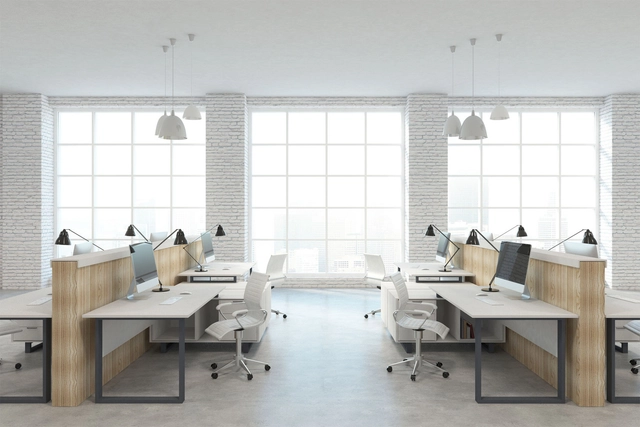
COVID-19 will likely change the way we live and work for an extended period. In this landscape, organizations have been seeking short-, medium-, and long-term solutions to guarantee their staff a safe return to work. Protecting the health of employees exposed to contact in the workplace requires implementing biosecurity strategies, social distancing, occupancy limits, cleaning, and disinfection. This article explores preventive measures recommended by HID Global, based on the application of identification technologies.
Building in nature constitutes a contradiction, as architecture enables immersive access to the landscape, while at the same time, natural landmarks are being slowly engulfed by tourists. The human presence in natural landscapes is an interplay of scales, a juxtaposition of archetypal shelters against the vast sceneries, as well as a negotiation between access to the landscape and environmental conservation. Exploring a variety of attitudes and formal strategies, the following takes a look at what could be learned from the experiences and design philosophies of several architects and practices that have perfected ways of addressing architecture in the landscape.
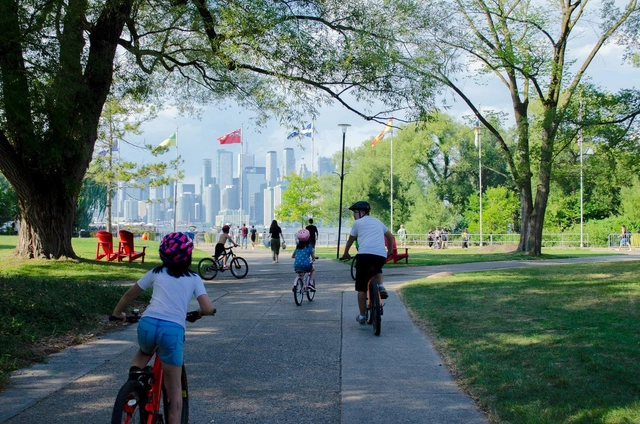
Children are often overlooked or entirely deprioritized in urban planning. Globally, it is estimated that up to 500 children die every day in traffic accidents. Thousands of others are injured in collisions or develop psychological trauma that can last for years. Whether on the streets or in public spaces, feelings of insecurity or discomfort discourage children from physical activity outdoors—at a time when 80% of children between the ages of 11 and 17 are not physically active, and another 38 million under the age of five are overweight or obese.
https://www.archdaily.com/1123822/how-to-design-safer-and-healthier-urban-spaces-for-childrenNikita Luke, Rohit Tak, Ariadne Samios e Claudia Adriazola-Steil
Surface Ex-Tension by Jonathan Craig, Luis Arjona, Marco Nieto & Philip Elmore. Image Courtesy of Arch Out Loud
Since its installation in the late 1990s, a large clock in New York City’s Union Square has been counting up to 24 hours in each day with the number of hours, minutes, seconds, and milliseconds on display. However, the digital screen was recently repurposed as a Climate Clock and now projects the amount of time the world has left to take large-scale action on climate change- and the alarming truth, based on an IPCC Special Report on Global Warming counts down to only a little over seven years left until we reach the point of no return.
In 1755, Francesco Algarotti, disgusted with what opera had become, wrote An Essay On The Opera in which he called for its simplification. For Algarotti, opera had degenerated into a vehicle for soloists to grandstand with endless improvisations overshadowing the music and ignoring the drama. Even the drama had lost the plot with mythological characters in extraordinary and complex situations. Algarotti saw drama as being the essence of opera and wanted the emphasis restored to it, with everything else secondary. Christoph Willibald Gluck and his librettist, Ranieri de’ Calzabigi, were the first to make it work with their 1762 opera Orfeo ed Euridice. It had characters and drama people could relate to, music that could be remembered and lyrics and a plot that could be understood. It’s regarded as the first truly modern opera.
Image: Ivo Gonçalves – Prefeitura de Porto Alegre/Flickr, license CC BY-NC-SA 2.0
The Master Plan is the basic instrument for defining a municipality's development model. It establishes guidelines and strategies for executing plans, programs, and projects, seeking to emphasize public participation as well as economic, social, and environmental sustainability. Yet, its influence on the city goes far beyond what is commonly imagined: it ultimately dictates the volume and form of every new building.
Being in confinement has produced unconventional means of exploring architectural spaces and installations. Instead of putting everything on hold until life goes back to normal, designers and curators found inspiration from practices like performance arts and theatre, breaking down the walls between the subject and viewers but from a distance.
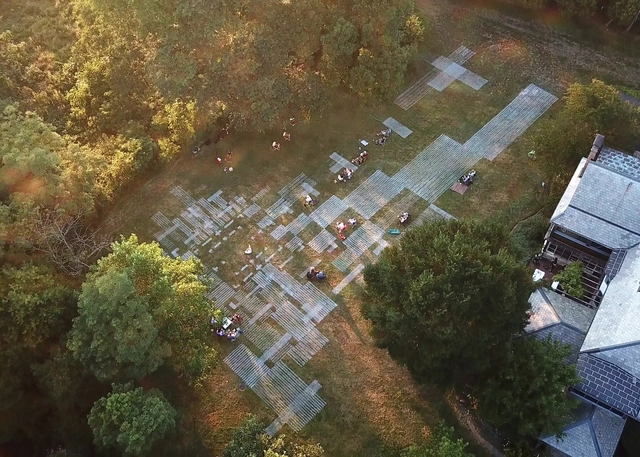
Ashley Bigham and Erik Herrmann of Outpost Office reimagined the theme of "mobility" by creating 1:1 scale drawings on the Ragdale campus using GPS-controlled field marking robots. Their unique urban installation, which addressed modern-day concerns such as public spaces, how we are engaging with them, and physicality, won first place in the 2020 Ragdale Ring competition.
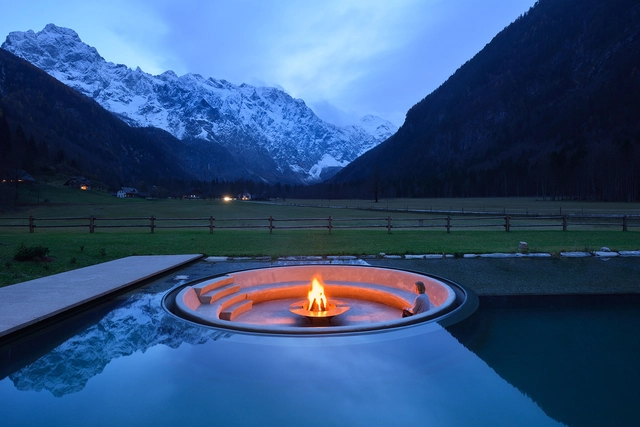
Yuval Noah Harari points out that, around 300 thousand years ago, Homo erectus, Neanderthals, and ancestors of Homo sapiens already used fire daily. According to the author of the international bestseller “Sapiens,” fire created the first significant gap between man and other animals. "By domesticating fire, humans gained control of an obedient and potentially limitless force." Some scholars even believe that there is a direct relationship between the advent of the habit of cooking food (possibly due to the domestication of fire) and the shortening of the intestinal tract and growth of the human brain, which allowed human beings to develop and create everything we now have.
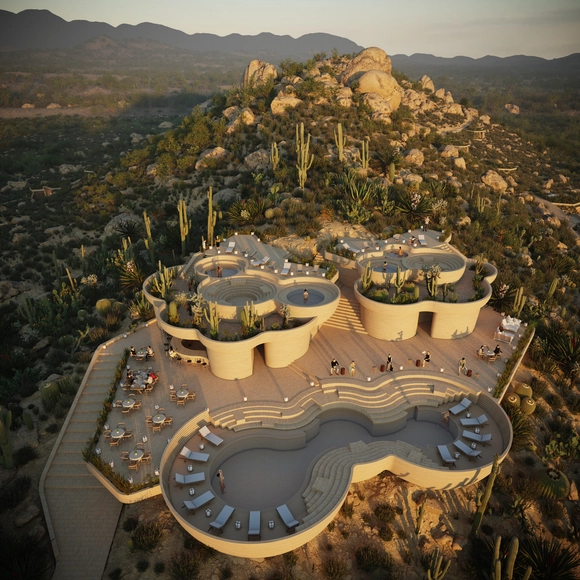
Rojkind Arquitectos + AmasA Estudio present a new project on a site named "Tres Cerritos" in Valle de Guadalupe, part of the wine route in the Francisco Zarco district of Ensenada, Baja California. The project arises from an understanding of nature's value and its historical use as a sanctuary and refuge, creating a hospitality concept that reconnects the visitor with the environment.
https://www.archdaily.com/1123562/rojkind-arquitectos-plus-amasa-estudio-present-the-ummara-project-located-in-valle-de-guadalupeArchDaily Team
Scale is a very important referential element in built environments. Once manipulated, however, it becomes a key tool that completely changes the way we experience architecture. One of the most prominent projects that put scale at the forefront was the Svizzera 240: House Tour, the Swiss pavilion at the 2018 Venice Biennale, a project that triggered people's behaviors and perception of space, and left them feeling as though they were experiencing an "Alice in Wonderland". The project was awarded with the Golden Lion award for best National Pavilion, described by the Biennale organization as "a compelling architectural installation that is at once enjoyable while tackling the critical issues of domestic space".
Jacaré Beach, Cabedelo, Paraíba. Image: Cacio Murilo/MTur
Living, working, and experiencing cities with vibrant streets, downtowns, and parks, adequately sized sidewalks, efficient public transit, and low congestion levels are shared aspirations worldwide. Achieving these conditions is no easy task, and cities that offer them certainly did not do so through car-oriented planning.
With populations daily subjected to poor examples of how a city should function, certain paradigms, phenomena, and policies continue to hinder the planning and operation of “cities for people.”
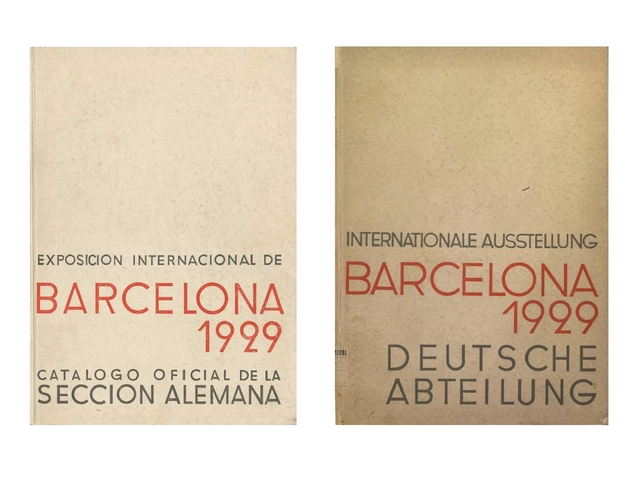
Lilly Reich (Berlin, 1885–1957) was a pioneering and highly talented woman who has finally emerged as an autonomous figure in the history of modern architecture. Recent research has shed new light on Reich's contributions during the interwar period in the fields of interior architecture, exhibition design, and furniture design, driven by her use of new materials and technologies.
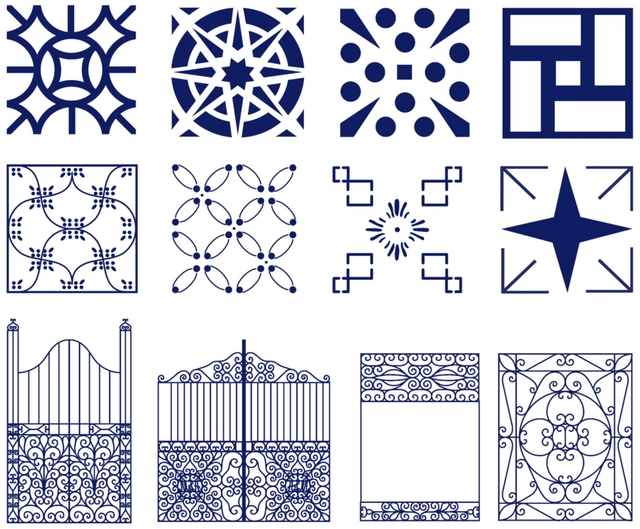
In the Historic Center of Olinda, a Brazilian municipality in the state of Pernambuco, architecture borrows shapes and colors from nature; cobogós perforations on the balconies look like round leaves and fruits, while the railings spiral with a hint of twisted flowers. The colors of the earth and sky also reappear in the floors, backyards, kitchens, and rooms of colonial houses, coating them in shades of brown and blue.
Over two days, approximately 500 online participants together set the agenda, formed and dissolved discussion groups, and shared knowledge and resources. With the assistance of an “open space” facilitator, this is how Cut|Fill, a virtual "unconference” on landscape architecture, unfolded.
Organized by the Urban Studio and Ink Landscape Architects, Cut|Fill was meant to “raise questions we all want to discuss,” explained Andrew Sargeant, ASLA, a founder of Urban Studio. One of those important questions: “how can landscape architects design with empathy and end dismissive behavior towards people of color?”
https://www.archdaily.com/949104/landscape-architects-of-color-on-how-to-combat-erasureJared Green
A city's industrial past can leave unsettling imprints on the present. Large abandoned structures and forgotten facilities are very appealing not only to the voracious real estate market but also to the imagination of those who daydream about an unpromising past. Take the Ruhr valley, Germany's most populated urban area, and Europe's largest industrial region.
Rural Social Housing Plan / Estación Espacial Arquitectos
Cultural customs may vary infinitely across countries, but family life always brings celebrations and conflicts, regardless of origin. The pandemic has magnified these dynamics, particularly the challenges of sharing the same spaces for extended periods. What is the minimum square footage allowed in Latin American countries? Is this area truly sufficient?
Various authors such as Michel Foucault, Maurice Merleau-Ponty, and contemporary thinkers Marina Garcés and Judith Butler have brought the body to the forefront of global philosophical discussions. This has gradually permeated different disciplines where the body is the focus of study, and even some where this relationship seems less obvious.


.jpg?1571160713&format=webp&width=640&height=580)

.jpg?1603390879)
.jpg?1603313837&format=webp&width=640&height=580)


.jpg?1603313837)




.jpg?1603161566&format=webp&width=640&height=580)
.jpg?1603161566)












.jpg?1602706135&format=webp&width=640&height=580)
.jpg?1602705046 "Zollverein Coal Mine Industrial Complex in Essen. Photography & Concept © Erieta Attali")
.jpg?1602705111 "Zollverein Coal Mine Industrial Complex in Essen. Photography & Concept © Erieta Attali")
.jpg?1602705591 "Duisburg-Nord public park. Photography & Concept © Erieta Attali")
.jpg?1602705763 "Duisburg-Nord public park. Photography & Concept © Erieta Attali")
.jpg?1602706135)