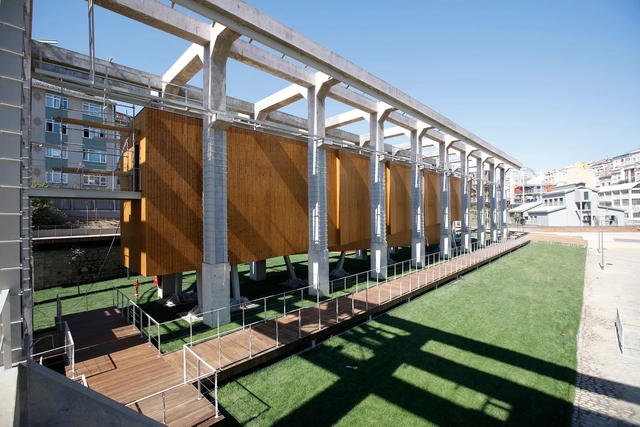
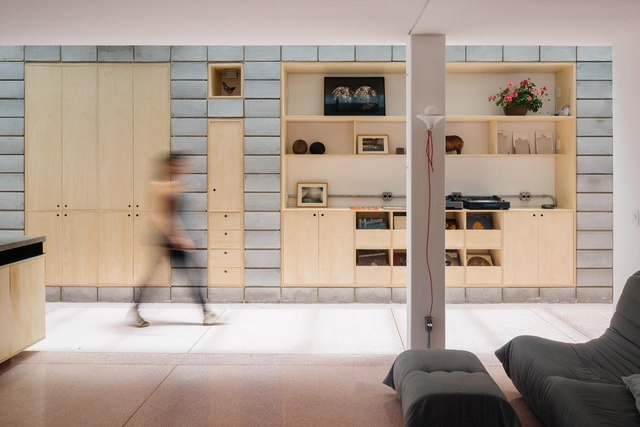
Wood is a material with unique characteristics –such as its natural warmth and tactile quality– capable of providing a sense of comfort and well-being, evoking emotions and memories, and creating a cozy atmosphere in interior spaces. Its versatility allows it to be used in building structures, for solar protection, or as interior cladding, and it can be molded, carved, and jointed to create a variety of forms, from simple to complex designs. When properly maintained and kept in ideal conditions, wood can last for hundreds of years. However, as a natural material, it is susceptible to degradation over time due to biological, chemical and environmental factors, which can result in rotting, cracking, erosion and the loss of physical properties.
To mitigate this issue, there are preservation techniques that aim to improve the durability, stability, and resistance of wood to adverse factors, prolonging its life and performance. Among these techniques are treatments with chemical products, the application of pressure, and thermal modification.
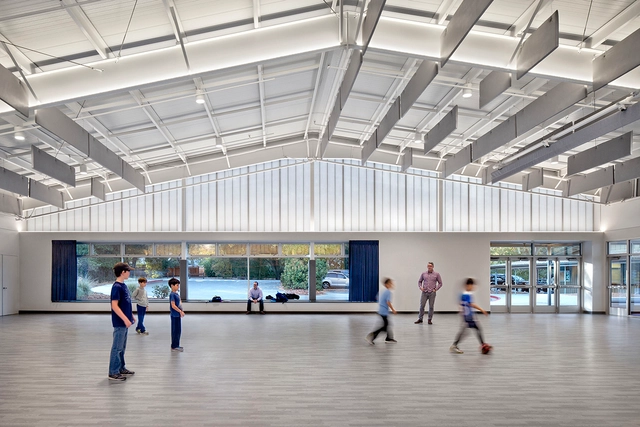
Architects such as Alvar Aalto and Tadao Ando showcase the ability of natural light to shape architectural spaces. Aalto's projects employ extensive glass elements, carefully positioned windows and skylights, harnessing the ever-changing characteristics of daylight. Meanwhile, Ando's Church of Light serves as a striking example of how light can hold profound spiritual significance within a space. Its concrete facade features a symbolic cross-shaped opening, which beautifully and symbolically illuminates the interior, creating a unique spiritual ambiance. In addition to being an essential element that enhances interior aesthetics, natural light profoundly impacts the overall quality of life, promoting better well-being and productivity. By taking advantage of the power of natural light, spaces can reduce their dependence on artificial lighting, leading to greater energy efficiency and a more sustainable design approach.
Videos
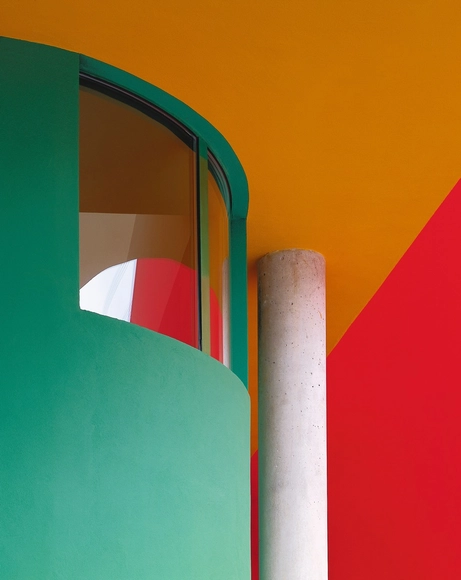
Sto distribution centre in Hamburg, Germany. Designed by Michael Wilford & Associates, 1994-1995. Photographed by Richard Bryant, image courtesy of Sto
Contrary to popular belief, Roman buildings were not as monochrome as previously thought. Recent discoveries indicate that statues and structures were, in fact, richly adorned with bright colors and exuberant decorations, following the tradition established by their Greek predecessors. This may be surprising, but it shows the presence of color in architecture much earlier than imagined. Color has always played a significant role in shaping the perception and experience of a space, and was prominent in the works of seminal architects such as Le Corbusier and Luis Barragán, for example. Another master of the use of color was Michael Wilford, who, together with his former partner James Stirling gained international recognition with notable public buildings, art centers, museums, and libraries located worldwide. The volumes present in Wilford's architecture are often remembered for their careful use of color, which highlights certain elements and adds other dimensions to the structures.
Videos
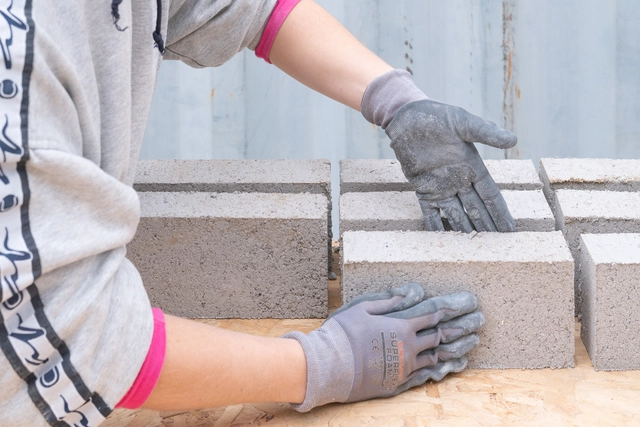
Gent Waste Brick. Image Cortesia de Carmody Groarke
There are several symbols that transcend language barriers and are easily recognized and understood by people from different cultures. Examples include the male and female bathroom icons, the cross symbolizing health, and the universal Wi-Fi symbol. Among these universal icons is the recycling symbol, conceived in 1971 by Gary Anderson, an architect and designer who was a student at the University of Southern California. Depicting a continuous cycle, it is a triangle with three arrows arranged clockwise, each of which represents the industry, consumers and recycling.
Central to the concept of the circular economy is the reintegration of materials typically viewed as waste back into the production cycle. This concept is particularly important for the construction industry, which has historically depended on the destruction and extraction of resources in order to exist. In this case, nothing is more symbolic than the brick, which not only represents the construction of new things, but is also the perfect example of how to apply the concept of circularity. Creative minds have embraced the challenge of circularity, devising solutions that transform discarded materials into high-value resources and generating a wide range of products, using raw waste materials that range from seaweed and plastics to human hair. These innovations not only address pressing environmental issues but essentially redefine the way we build and inhabit our spaces. In this article, we highlight seven initiatives that are turning waste into bricks.
The Monadnock Building in Chicago began construction in 1891 and is still in use today. The building features a somber facade without ornamentation and a colossal height - at the time - of 16 floors. It is considered the first skyscraper built in structural masonry, with ceramic bricks and a granite base. To support the entire load of the building, the structural walls on the ground floor are 1.8 meters thick, and at the top, 46 centimeters. One hundred and thirty years later, this construction system remains common and allows for the erection of taller buildings with much thinner walls, accomplishing even new architectural works economically and rationally. But what is structural masonry about, and how can designers use it in architectural projects? And for what kinds of buildings is this system most suitable?
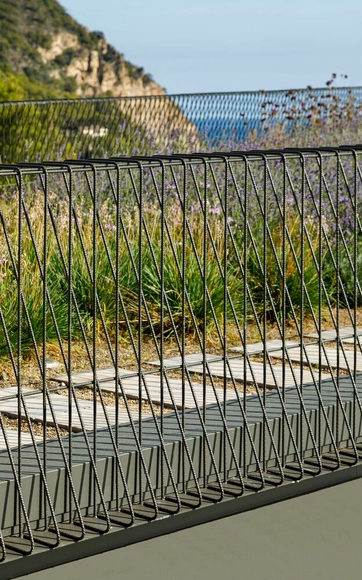
Concrete has enormous resistance to compressive stress, but it is a fragile material in terms of tension, which occurs when forces are applied in opposite directions of a structure, tending to separate the parts. This is why the incorporation of steel into concrete –which provides high levels of strength when stretched– has made so-called reinforced concrete the world's most widely used construction method. In other words, reinforced concrete combines the intrinsic advantages of its two components (concrete and steel reinforcement) to produce an extremely robust, versatile, and practical material. These steel reinforcements, in addition to reinforcing concrete, can also be used in art installations, facades, and even interiors.
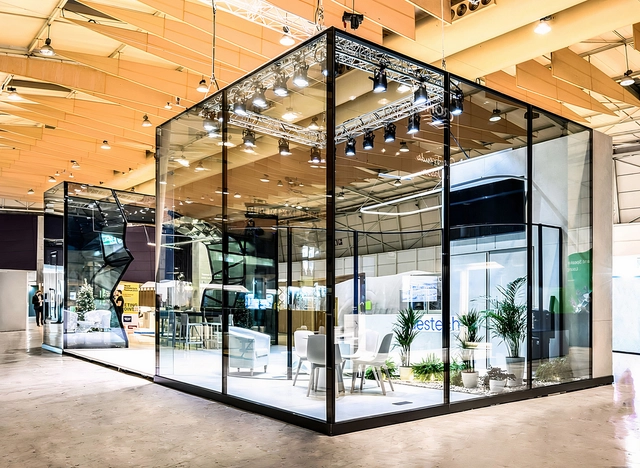
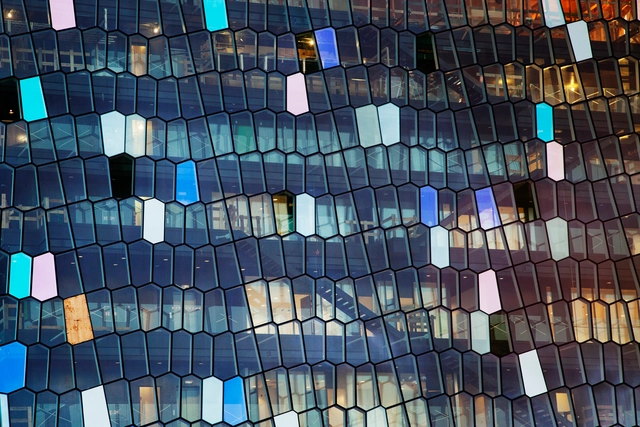
In the past, glazed surfaces tended to be small and almost opaque; but this began to change throughout the years due to the growing trend of increasingly larger glass panes in construction. Accompanied by thinner frames, they dilute the boundaries between the inside and the outside, and have become ubiquitous in modern buildings. In fact, it is increasingly rare to find a contemporary work of architecture that does not include the remarkable presence of glass: this material is present in the most diverse architectural scales, and its transparency provides harmonious integration with the surroundings and generous natural light for buildings. Traditional systems with frames are still predominant, but frameless glass facades are gaining ground in specific architectural projects, as they create perfect connections between the glass and the structure of the building, resulting in a singular aesthetic with soft and harmonious transitions. By eliminating heavy frames, a project's aesthetics can be enhanced while also improving the quality of life inside.
The geological period we currently inhabit is known as the Anthropocene, defined by the substantial human impact on Earth's ecosystems and geology. In contrast, the Symbiocene, a term coined by Australian philosopher and environmentalist Glenn Albrecht, presents a vision of the future characterized by a positive and symbiotic relationship between humans and the natural world. In the Symbiocene era, humans actively collaborate with nature, acknowledging their interdependence with Earth's ecosystems and striving to regenerate and restore the natural environment, thus creating a more harmonious and sustainable world.
The work of the French-Swiss architect Charles-Édouard Jeanneret is, among many other adjectives, comprehensive. Le Corbusier explored a wide range of scales in his work, from furniture design to urban planning for entire cities. His diverse portfolio also encompassed painting, varied projects, and writing books. One thing that isn't talked about as much, however, was the color theory he developed and applied to several of his architectural designs and artistic endeavors. Deeply rooted in his belief that color plays a significant role in evoking emotions and creating spatial illusions, Le Corbusier's color theory was described in his book "PolyChromie Architecturale" (polychrome architecture), published in 1931. There, he introduced his concept and a carefully curated range of colors that were intended to be used in specific architectural contexts.
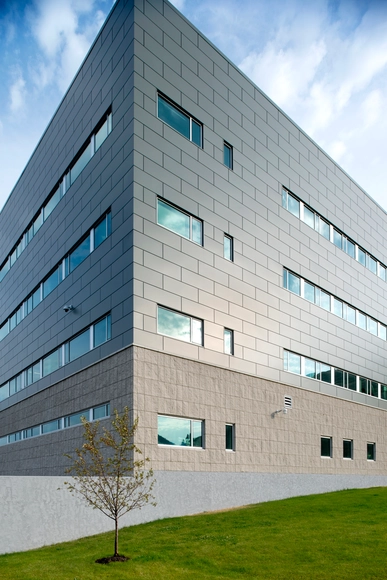
Architects and builders often opt for metal panels due to their exceptional qualities: durability, affordability, and versatility. These attributes hold immense value for construction professionals, who constantly seek cost-effective solutions. Moreover, when a product seamlessly merges desired aesthetics with optimal performance, it becomes a highly sought-after choice for a diverse range of projects.
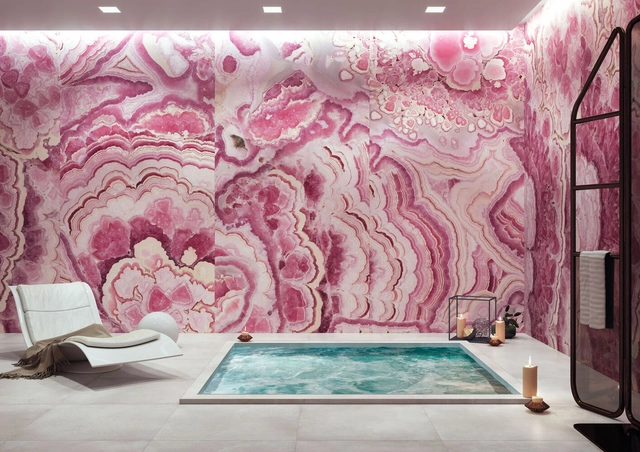
Prominent surfaces play a fundamental role in creating memorable interiors. One example in architectural history is Mies van der Rohe's Barcelona Pavilion, recognized as a landmark of modernism. The marble claddings in the pavilion are iconic elements, symbolizing the architect's commitment to material quality, craftsmanship, and the creation of spaces that transcend time and inspire. With the aim of establishing an atmosphere of elegance, sophistication, and timelessness, connecting classical architecture with contemporary design through a shared material, onyx, travertine marble, and green marble are used in the claddings, transforming the wall surfaces into striking focal points that captivate visitors in a visually captivating experience.
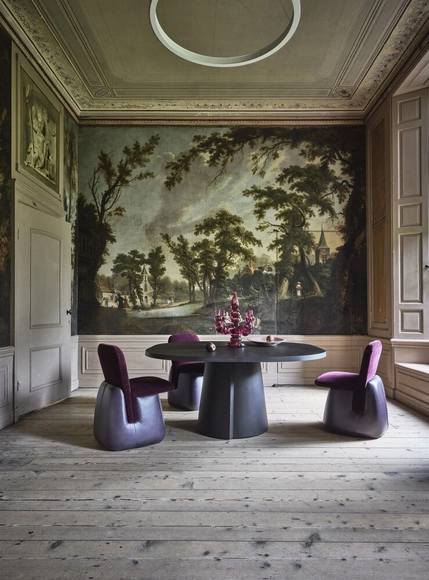
Curved design has a timeless appeal that has captivated designers throughout history, transcending mere functionality and aesthetics in interior furnishings. Incorporating curves adds captivating visual appeal, infusing spaces with intrigue and a sense of harmonious flow. Furthermore, curved furniture has the ability to transform the spatial dynamics of an environment, introducing fluidity and softness into a world often dominated by rigid, linear forms. While curves are sometimes associated with an old-fashioned look, contemporary curvilinear furniture presents a fresh and modern approach, combining elements of softness, comfort, and simplicity.
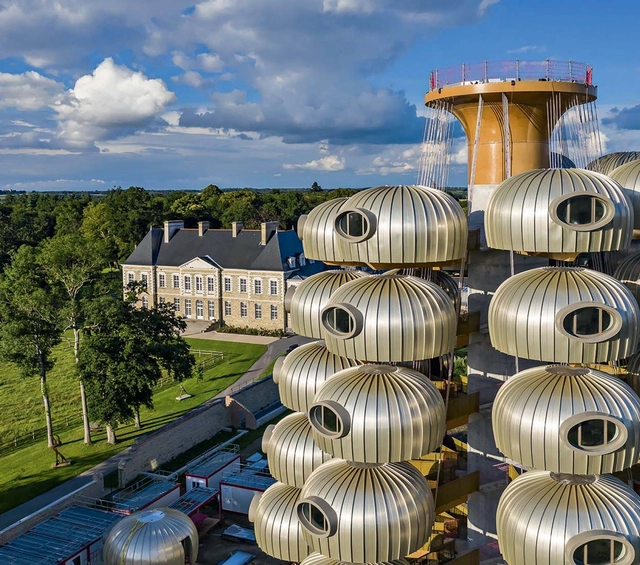
Designed by architect Anthony Rio and his firm Agence Unité, the Château des Pères hotel project showcases the integration of innovative design and materials in the realm of hotel architecture. Taking inspiration from nature, it reimagines the traditional hotel room as a protective nest. This expansion of a historic hotel, nestled in a 12th-century mansion, features reception, restaurant, and event spaces. The new structure, reminiscent of a tree, gracefully extends with branches radiating from a central trunk. Within each bubble-like structure, guests can experience a sanctuary-like ambiance, offering both privacy and panoramic views of the surroundings, made possible by the generous ovoid windows that adorn each facade.
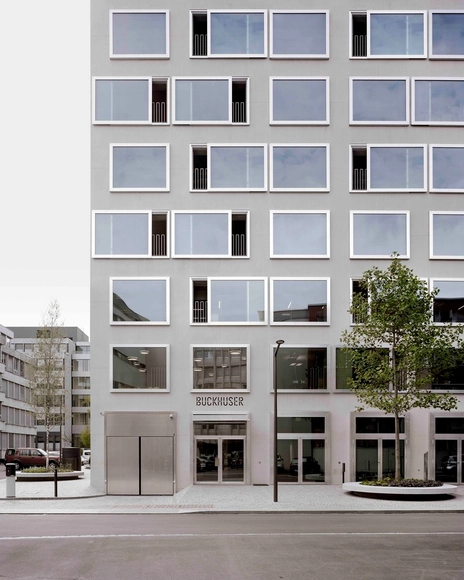
The selection of windows and doors plays a key role in the development of any architectural project, as it can significantly influence the final appearance of a building. A well-informed choice can convey values of modernity, craftsmanship, and elegance. On the other hand, inadequate specification can lead to problems such as air leakage, energy loss, and a less visually appealing aesthetic. It is also worth mentioning that windows and doors constitute a substantial part of a project's budget, which requires meticulous consideration. In this article, we examine four different residential projects, highlighting how their floor-to-ceiling glass sliding system effectively meets the needs of the residents and enhances their quality of life.
The purpose of innovation is to promote positive change and progress in various aspects of life. This involves creating, developing and implementing new ideas, methods, products, or processes that improve existing ones or introduce completely new concepts. Renowned architecture and design firm Henning Larsen, founded in 1959 in Denmark, has a solid commitment to embracing innovation as a core element of its work. With an emphasis on design excellence, sustainability, collaboration and user-centric approaches, innovation plays a key role in its quest to create iconic and sustainable architectural landmarks. Through dedicated research and development, they are constantly exploring new ideas, materials and technologies to enhance functionality and elevate the user experience of their buildings. To learn more about this visionary approach and its impact on architectural efficiency, we spoke with Jakob Strømann-Andersen, who heads a specialist department that combines innovation and sustainability, highlighting the firm's commitment to pushing the boundaries of sustainable architecture.
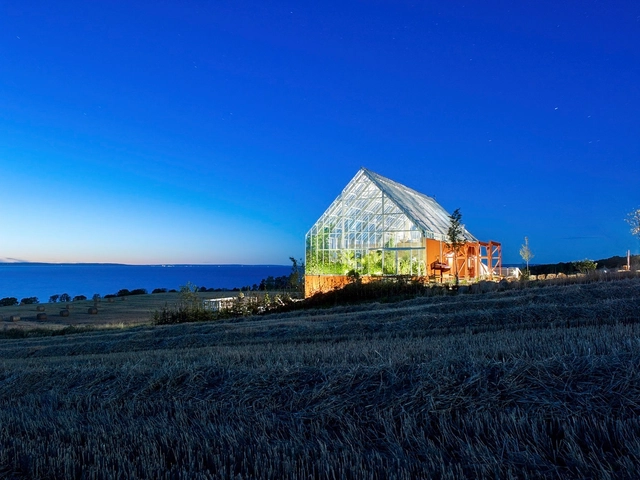
Researchers point out that "proto-greenhouses" arose to fulfill the desire of the Roman Emperor Tiberius (42 BC to 37 AD) to eat cucumbers every day of the year. Since it was impossible to grow the vegetable on the island of Capri in winter, his gardeners developed beds mounted on wheels that they would move into the sun when possible, while on winter days they would place them under translucent covers made of Selenite (a type of gypsum with a glassy appearance). But the production of large-scale greenhouses only became possible after the Industrial Revolution with the availability of mass-produced glass sheets. Since then, they have been used to grow food and flowers, forming a microclimate suitable for plant species even in places with severe climates. But in some cases, these artificial growing conditions can also form interesting living spaces. The recent Lacaton & Vassal awards rekindled this interest. How is it possible to create greenhouses that can be good for both humans and plants?
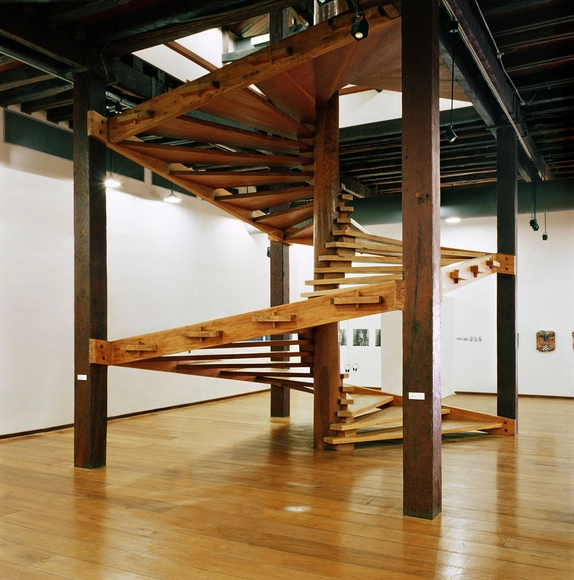
The Unhão complex, constructed in Salvador, Brazil in the 17th century, consisted of a sugar mill with a big house, chapel, and slave quarters. At the time, Salvador was one of the largest and most important Brazilian cities, and its port was the site of a large portion of the Portuguese colony's sugar exports, an economy fueled primarily by slave labor. The ensemble drew the attention of Italian-Brazilian architect Lina Bo Bardi at her first visit in 1958, during which she spent some years working and teaching in the city. Following Bo Bardi's decisive contributions, the buildings were restored and became the new home of the Museum of Popular Art and the Popular University. But within the whole complex, the element that draws the most attention for its plasticity, functionality, and symbolism is the helical wooden staircase.
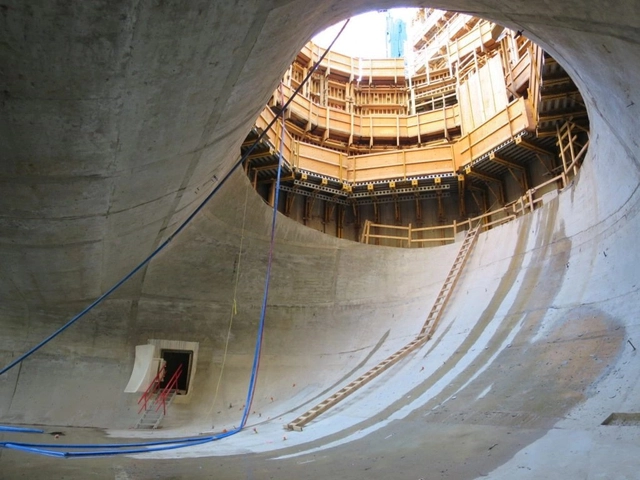
Concrete, second only to water, is the most consumed material worldwide due to its structural strength, ease of handling, and versatility. Comprised of cement, sand, gravel, and water, it is extensively used in construction projects of various scales. However, even this resilient material can deteriorate over time, necessitating maintenance or, in severe cases, demolition. Abrasion and erosion are factors that can adversely affect the appearance of concrete, remove its protective layer, create a rough surface, and potentially lead to structural issues. These challenges are particularly critical in large and complex construction sites, where any irregularities or unevenness can result in significant losses and complications for architects, engineers, and contractors.