Bryant Park in New York. Image by ymgerman. Image via Shutterstock
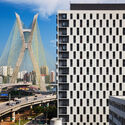
One of the greatest challenges of urban planning lies in managing city growth. Year after year, major cities see their populations increase, and it is estimated that by 2050, 70% of the world's population will live in urban areas. But how can we build sustainable, healthy, and equitable cities that foster urban diversity?
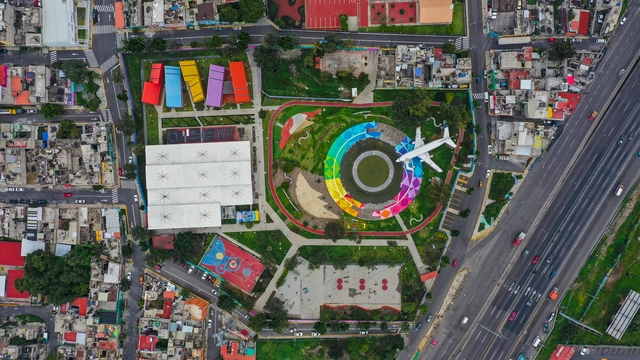
https://www.archdaily.com/1128008/utopias-iztapalapa-winning-project-in-the-action-for-housing-and-settlements-facing-covid-19-competitionArchDaily Team
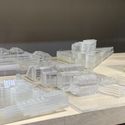
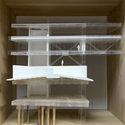
To create, express architectural language, and be universally understood, scale models translate design ideas and projects into proportions that are more accessible and easier to comprehend.
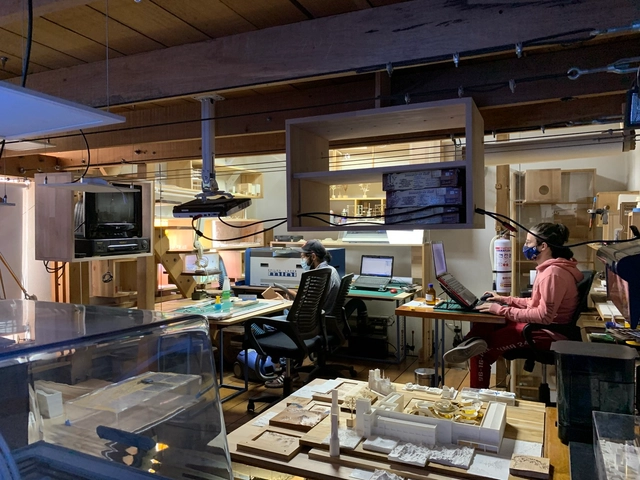
This article focuses on scale models as acts of material thought, highlighting the practice of the model-making laboratory of Miguel Forero Barbosa. Explore their work below.
Ciudad Juárez is an industrial city located on the northern border with the United States, directly across from El Paso, Texas. Over the years, Juárez's economy has been dominated by the ‘maquiladora’ industry, and it was once considered one of the most violent cities in the world due to a wave of crime that took hold from 2008 to 2012. In 2020, the National Workers' Housing Fund Institute (Infonavit) reported that there are 17,871 abandoned homes in Ciudad Juárez, leading the country's municipal rankings and contributing to a total of 650,000 abandoned houses nationwide.
The term ergonomics was first coined in 1857 by the Polish scholar Wojciech Jastrzębowski, deriving from the combination of the Greek words ergon (work) and nomos (laws or rules). Although initially associated with the physical comfort of workers, today the term applies to a wide range of activities, from sports to leisure. It represents a set of guidelines and procedures designed to ensure both physical and mental well-being during any given task.
Public and private sector leaders and civil society representatives from around the world gathered at COP26, held in Glasgow from October 31 to November 12, to debate and deliberate on one of the most pressing issues of the 21st century: climate change. The summit centered on four key goals:
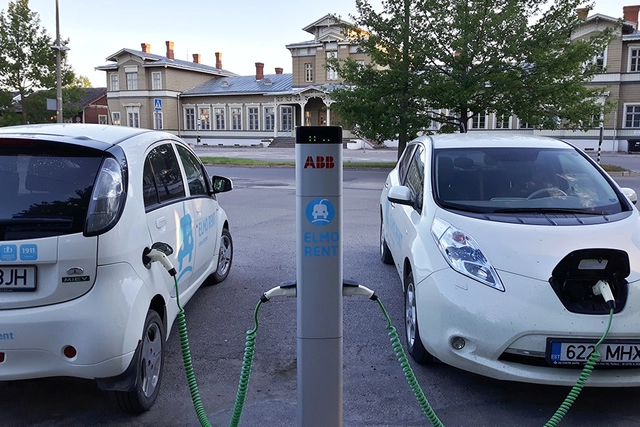
https://www.archdaily.com/1128014/electric-traffic-jams-are-not-the-solutionAndrey Barbosa e Gabriel Varella
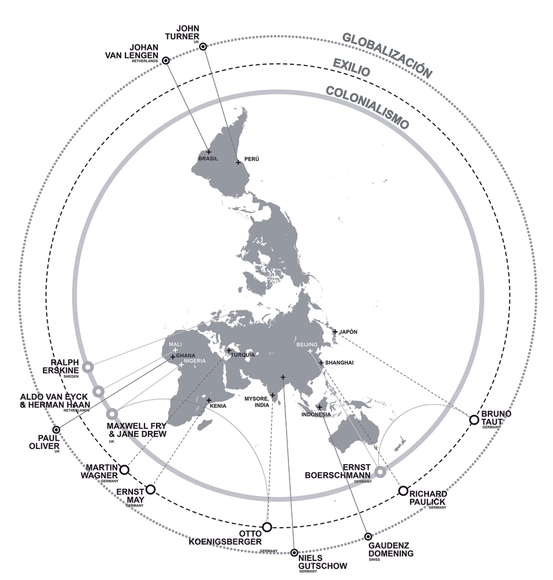
Figure 1. Overview of architecture and fieldwork during the 20th century. Source: Author's own elaboration (José Abásolo Llaría, 2020). Image via Revista rita_
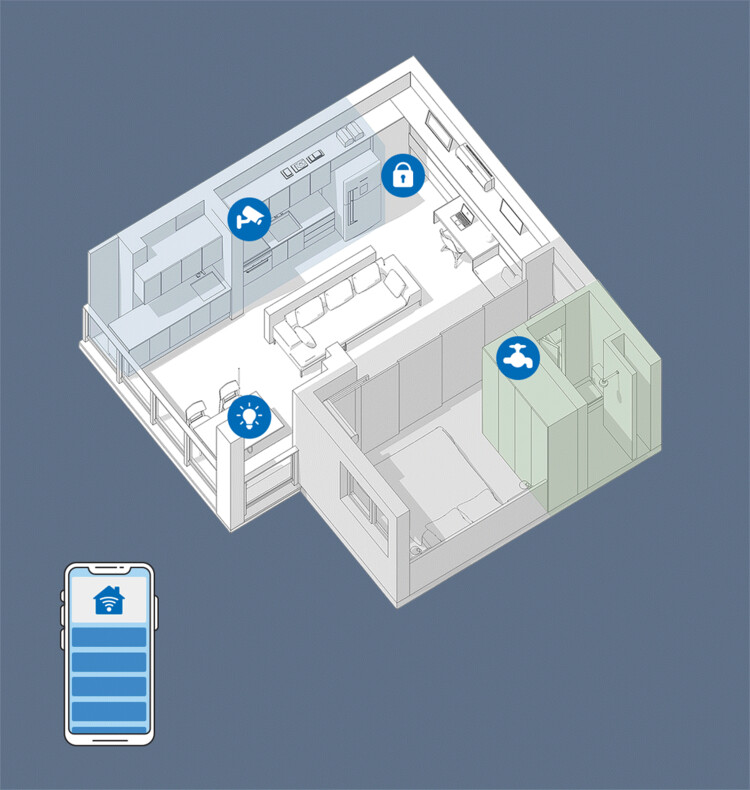
In the future, the Internet of Things (IoT) will play an increasingly profound role in our lives, with devices communicating independently and integrating into our daily routines as smart assistants. As a result, demand for smart home technology is growing in tandem with the range of products on offer. In a recent report, market research firm Statista predicted that this year, approximately 12% of households worldwide will own smart home devices, a figure projected to rise to over 21% by 2025—translating to more than 478.2 million users globally. But which of these devices are actually useful? A selection of outstanding technologies and designs has recently been honored with the 2021 iF Design Award, and here we take a closer look at nine of them.
This is not a book about architecture; rather, it is a book about a territory—a territory in Chile, within the Metropolitan Region, shaped by a mountain range, a river, and a valley.
https://www.archdaily.com/1128024/territory-in-a-narrative-lo-barnechea-chronicles-of-its-history-by-miguel-labordeJuan Miguel de la Fuente
"Domingos Libro" is hosted by Carmelo from Enorme Studio. Every two weeks, the series delves deep into forgotten architectural publications, books, and magazines from the '60s, '70s, and '80s, uncovering the fascinating stories behind them.
In this eleventh episode, titled "El Huevo" (The Egg), Carmelo discusses the 1978 book *L'Oeuf* by André Bruyère. An obsession with eggs led the French architect to propose an egg-shaped skyscraper for New York and write this book, which champions the ovoid as a fundamental form.
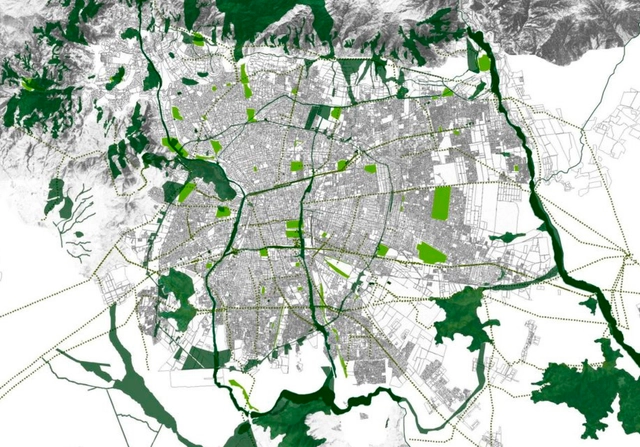
Green infrastructure is an approach centered on territorial planning and environmental sustainability. Moreover, it is one of the primary strategies being adopted by communities, municipalities, and governments in cities worldwide to address the climate crisis, improve public health, reduce social segregation, and protect biodiversity. Specifically, it consists of an interconnected system of diverse green spaces that support a range of functions and benefits.
How do we design spaces that are healthy for both our minds and our bodies? That is the main question we seek to answer this March as we address our monthly topic, “Indoor Well-Being.”
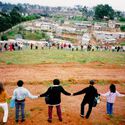
The rapid growth of Brazilian cities without adequate oversight by public authorities has resulted in a series of problems stemming from a lack of decent housing. Since the 1980s, grassroots community associations and academics have joined forces to pressure the government into developing housing policies that would not only construct new homes and neighborhoods, but also secure other fundamental rights, such as healthcare and education. Today, forty years after this initial push, we observe a lack of public housing policies across all three levels of government targeting the most vulnerable populations, even as we see a growing popularization of Technical Assistance for Social Interest Housing, known as ATHIS.
“These types of projects are of vital importance because they seek to reverse social, economic, urban, and political instability, providing organized attention to community needs and creating built platforms that serve as a bridge between the intrapersonal and intra-institutional scales.” Excerpt from the project description of the Community Development Center / OCA + BONINI
Since 2008, World Social Justice Day has been observed every February 20 to support and promote the international community's efforts to achieve sustainable development, poverty eradication, the promotion of full employment and decent work, universal social protection, gender equality, and access to social well-being and justice for all. According to the United Nations, “Social justice is an underlying principle for peaceful and prosperous coexistence within and among nations," representing the core of its mission to promote development and human dignity.
Civic Center Main Street. Image by CLWphoto. Image via Shutterstock
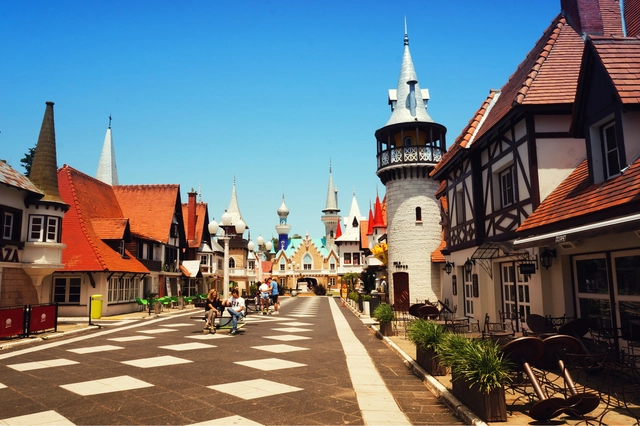
As the first recreational theme park in Latin America, "La República de los Niños" is located in Manuel B. Gonnet, in the city of La Plata, Argentina. Numerous buildings make up a fantasy city built to scale which, since its inauguration in 1951, has aimed to represent basic social institutions and recognize both human rights and children's rights.
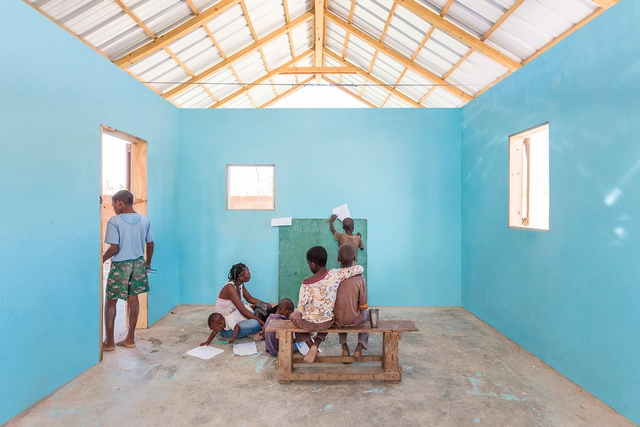
Throughout history, economic crises, health emergencies, and natural disasters—followed by social conflicts, political disagreements, and the search for new places to live—have driven the displacement of hundreds of thousands of people. The result: shifts in residency, habitat, and culture.
The primary responsibility of media is to convey valuable information and knowledge; its secondary duty is to champion social values. Yet its most crucial role remains presenting comprehensive, multi-layered content that directs public attention toward critical issues, ultimately driving incremental social progress.
Over the past year, we found ourselves confined, interacting with the world solely through the narrow windows of our phones and computers. While online meetings saved us time, an overabundance of digital content quickly devolved into a fast-food culture—most of it reduced to floating windows on our screens, where "save for later" essentially meant "never look at again." This rapid consumption has eroded our patience; we no longer wish to wait for the slow shifts in climate, light, shadow, and human activity within a space, craving instead only the immediate satisfaction of perfectly staged "glamour shots." At the same time, the lack of physical contact has gradually locked us into localized echo chambers, siloing architectural design within domestic boundaries. As a result, the unified value community built on social consensus is dissolving, and personal opinions of individual architects are replacing objective standards for evaluating architectural design.
As an international architectural media platform, ArchDaily is raising its editorial standards once again. Our 22 editors worldwide will deliver global, multi-dimensional, open, thematic, and socially conscious architectural content. Through the 2019 and 2020 ArchDaily Topics, we have proven that we offer not just the most comprehensive architectural news, but also a clear perspective. This year, our theme is the "Unity of Knowledge and Action"—a commitment to reality over illusion, rejecting deceptive renderings and hyperbolic puff pieces.
https://www.archdaily.com/1128118/2021-unity-of-knowledge-and-action-archdaily-new-years-resolutions韩爽 - HAN Shuang
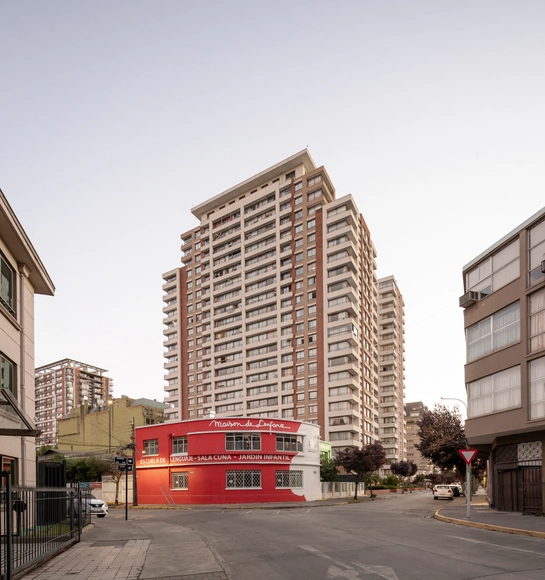
Ultimately, after a lengthy process, the 15th modification to Concepción's local regulatory plan has finally been enacted (1). In practice, this regulates the maximum allowable construction height within the municipality, ending two decades of mimicking the high-rise real estate model dominant in Santiago.
We spoke with Mexican architect Lucía Villers about her interest in understanding time in architecture through projects and research focused on transformation and restoration. Her work is divided between architectural practice and research projects. Time is an obsession Lucía has had since childhood. “When I went on road trips and watched the landscape, I would suddenly notice that a mountain moved slower, while what was close to me seemed to go faster. I always had many questions about the perception of time. Sometimes it seems to pass very quickly, and then very slowly.”
https://www.archdaily.com/1128134/lucia-villers-architecture-focused-on-understanding-timeBob J. Barraza
Vista Oeste. Image Cortesía de Burgos & Garrido Arquitectos
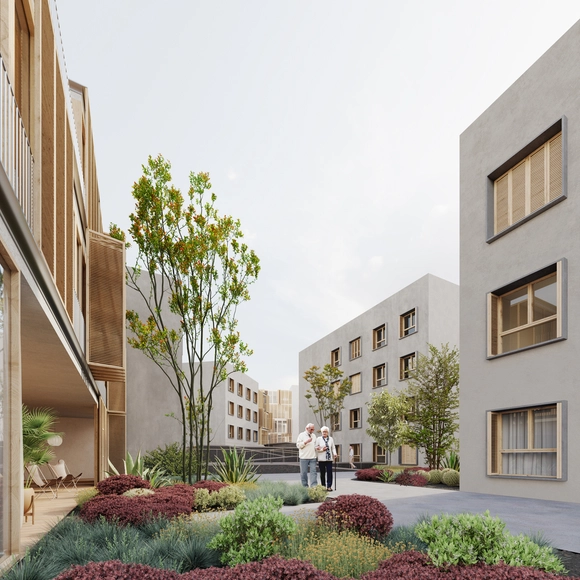
The firm of Francisco Burgos and Ginés Garrido was awarded first prize in the competition promoted by the Cabildo of La Palma to design a senior residence and day care center in Los Llanos de Aridane, a municipality in the province of Santa Cruz de Tenerife, Canary Islands. Located on the west side of the island of La Palma, the proposal is conceived as a meeting point between architecture and nature, where its residents can enjoy the final stage of their lives supported by an optimistic architecture that fosters communal living.
Published in book format by Wustavo Quiroga and Juan Ruades, “Intermitencia. Diseño Mendocino” (Intermittence: Design from Mendoza) is an investigation that explores the development and trajectory of both architecture and other design disciplines in the province of Mendoza, Argentina. Spanning from the 1930s to the present, the book incorporates political events, pivotal moments, and intersecting histories that shed light on the evolution and cross-cutting connections linking industrial, graphic, product, and architectural design in the province, serving as a key resource for consolidating a federal narrative of Argentine design.
Founded in 2005 by Wu Wei, Beijing IN.X Design Co., Ltd. is based in Beijing. Guided by its proprietary philosophy of "Strategy First, Design Second," the firm provides highly differentiated consulting and design services for food and beverage (F&B) brands. Over the years, IN.X has established long-term, stable strategic partnerships with leading industry brands such as Siji Minfu, Huda Restaurant, and Dayali. In addition to its focus on design, the company is deeply committed to supporting young designers, continuously providing open and equal opportunities for learning and practice, alongside ample room for professional development.
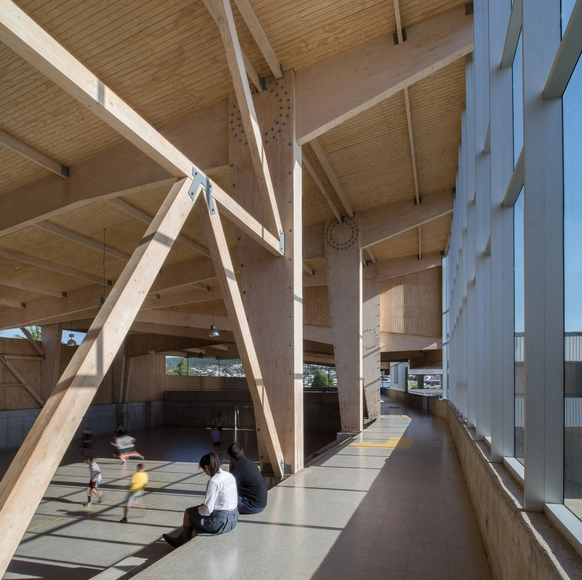
Responsibly sourced, wood is a renewable, low-emission resource that, in addition to storing carbon within its composition, features low thermal conductivity and high acoustic absorption, creating comfortable, well-insulated spaces year-round. A well-designed timber building will not only enhance these properties but will also be aesthetically pleasing for its occupants and highly energy-efficient.
.jpg?1624038503&format=webp&width=640&height=580)