This guide covers a workflow that moves from project parameters to generated floor plans, 3D perspective views, exterior design exploration, and site context visualization, using AI tools in place of preliminary CAD and rendering work.
This guide covers a workflow that moves from project parameters to generated floor plans, 3D perspective views, exterior design exploration, and site context visualization, using AI tools in place of preliminary CAD and rendering work.


‘All of sudden, a robot is coming to my desk,’ says Shakúff founder and creative director Joseph Sidof. The video-equipped automaton can be virtually controlled by existing clients and potential new customers, allowing them to (carefully) navigate around the brand’s Brooklyn showroom and even ask for advice. This kind of robot is more usually on duty in hospitals, making it possible for family members to communicate with isolated Covid-19 patients. Sidof thought they might serve another useful purpose.
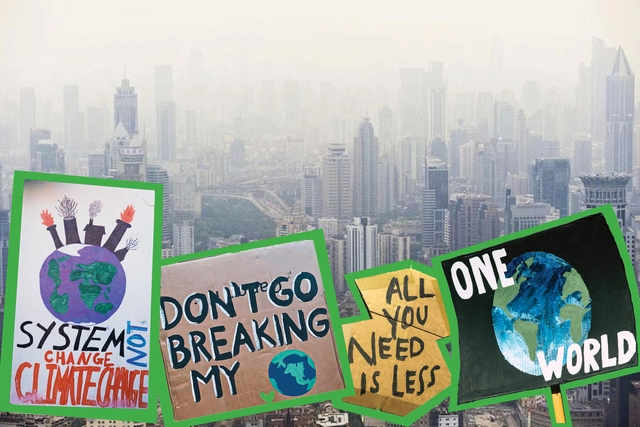
The impact that the climate crisis has had on the globe over the last decade is a critical influence on how architects and urban planners design future cities. It’s clear that both at an individual and corporate level, it’s important to take action and protect the earth before the negative impacts change our familiar environments forever- and time is running out fast. When it comes to creating ways to save our cities from “the next big one”, whether it be a hurricane, flood, snowstorm, or fire, the way that we design the preventative infrastructure neglects a significant number of people. Climate change doesn’t just impact the wealthiest places in the world, it actually has greater effects on the most impoverished.

Founded in 2010, Origin Architect seeks to root its practice in the complexities and conflicts of contemporary reality, drawing from them the power of symbiosis and integration.

Welcome to the Slow House, Diller and Scofidio’s (now Diller, Scofidio and Renfro) first building commission for Long Island, in NY. The crescent-shaped slug doppelganger, was a pivotal design for the firm — and architecture at large — when it was first revealed in 1990. However, the building was never built, living only through its extensive catalog of models and drawings. In this video, the Slow House is digitally reconstructed, analyzed and explored to discover unique elements lurking in its design that can only be revealed through a first-person experience. From delayed million-dollar views, to CCTV feeds of the water, to dozens of operable plywood doors and shades, the house is truly a machine for viewing. And now, you can view it for yourself.
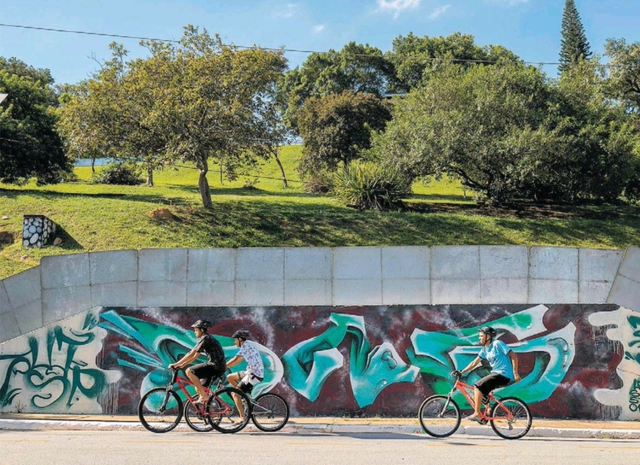
Conflicts, disputes, and antagonisms are frequent in the dynamics of social life, making it necessary to reconcile different interests and needs as best as possible. Today, urban conflicts are reduced to two poles. On one hand, those who oppose new projects, commonly known as NIMBYs (an acronym for “Not In My BackYard”), but who can also be seen as “neighborhood defenders.”
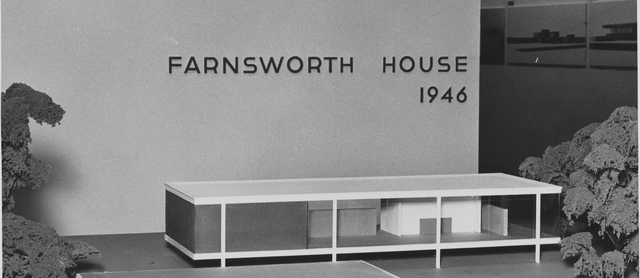
This article was originally published on Common Edge.
In this week's reprint, author Mark Alan Hewitt talks about models and their importance. "For those of us lucky enough to have grown up during the 1950s and ’60s, models were hot stuff—and not just the kind that statement may bring to mind", he states. Going back to the realistic models of the 70s, similar to today's virtual renderings, this essay retraces their history and the artists that produced them.

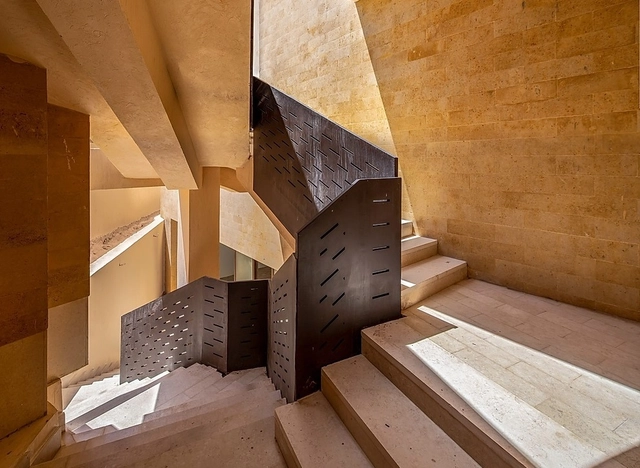
Contemporary Egyptian architecture draws from a rich history. As a cradle of civilization, the transcontinental country has influenced diverse building styles and design cultures. Home to some of the earliest urban developments and centralized governments, Egypt is defined by its geography and its multicultural background. Today, its modern architecture must contend with a legacy of building that spans millennia.

JKP Jaeger Kahlen Partner Architects provides architectural design services to a global clientele. Partners Johannes Jaeger and Peter Jaeger have repeatedly spearheaded the design and project management of internationally renowned buildings. The firm's portfolio spans corporate headquarters, commercial offices, mixed-use developments, residential districts, cultural facilities, and historic renovations. JKP firmly believes that exceptional service and design deliver extraordinary value to clients. Focusing on people-centric placemaking, the firm is widely recognized for its distinctive modernist facades that become urban landmarks.
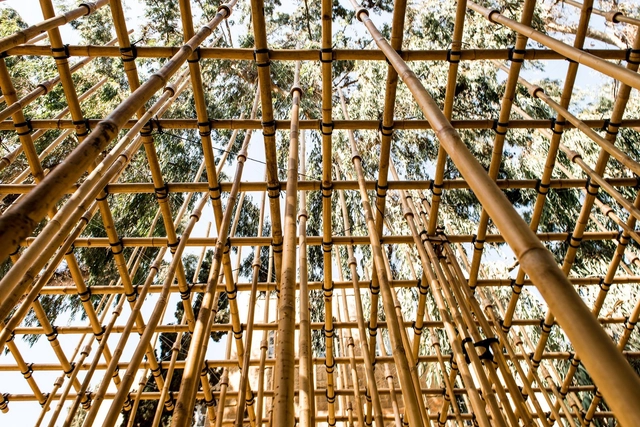
In Mendoza, Argentina, the digital fabrication research lab Node 39 FabLab created a frame loom structure made of digitally cut wood to help indigenous people in the central region of the country weave and create their traditional patterns. In the state of Ceará, northeast Brazil, a study entitled "Artífices Digitais" (Digital Artisans) by the Federal University of the State of Ceará used digital fabrication tools, namely 3D printing, to produce digital models, like digital prosthetics, to restore the damaged parts of an altarpiece of the high altar of the Mother Church in the city of Russas.
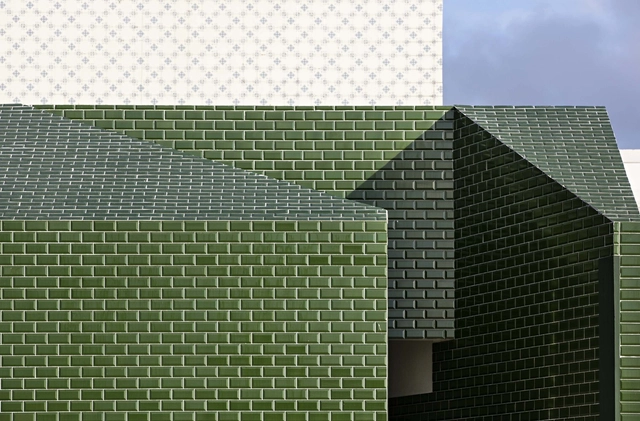
Mosaic tiles, ceramics, porcelain, wall tiles: when it comes to finishes, there are countless possibilities to choose from to add character and identity to our projects. However, faced with the sheer variety available on the market, choosing among them can be challenging. In this article, we will explore the differences between these cold tiles and offer tips on how to choose the option that best fits your project.
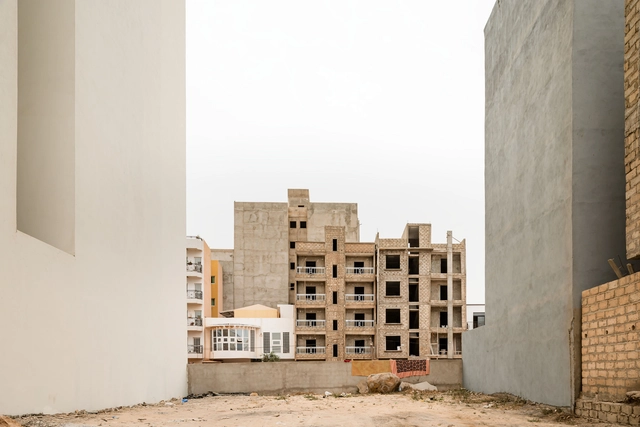
Every year on August 19th, we celebrate World Photography Day. This year, to encourage our readers who are passionate about this art, we published an open call inviting people – both amateur and professional photographers – to submit their images of architecture and the city.
We received over 400 photographs of buildings, interiors, and public spaces in various locations and contexts, captured by more than 130 participants from all over the world, including India, Brazil, Pakistan, Mozambique, Italy, and the United States. Our editorial team pre-selected 50 photographs and then voted on the 25 most compelling images. Here is the selection, listed in alphabetical order by the names of the authors.
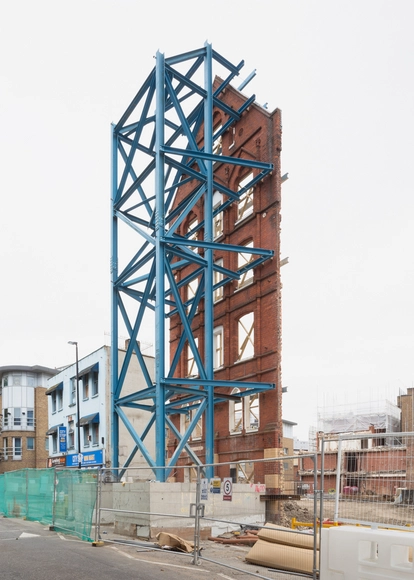
In honor of World Photography Day (August 19 ), Chilean architect Francisco Ibáñez Hantke offers a a perspective of urban transformation and the resulting instability caused by the regenerative processes and the constant real estate speculation that drive it. The photographs center on London, and reveal an exhausting array of construction and demolition and highlight the often blurry line between architecture and urban decay.
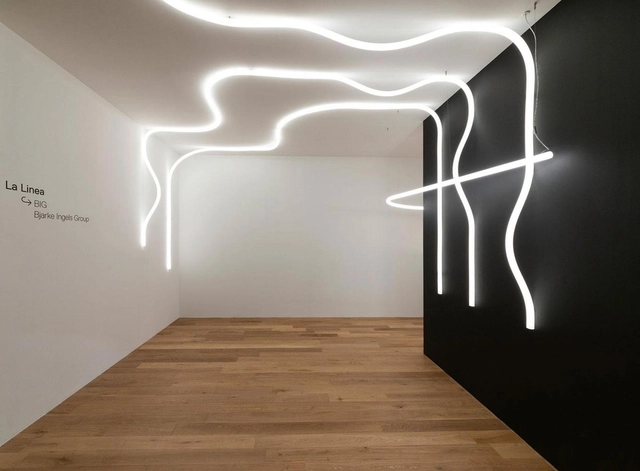
After a year-long absence, Milan Design Week has wrapped up yet another year of creativity and innovation. From the 5th to the 10th of September, thousands of design companies displayed their creations to more than 200,000 visitors hailing from different countries, demographics, and industries. And while the design fair gravitated towards the world of interior design, many renowned architects such as Bjarke Ingels, Foster + Partners, and Herzon & de Meuron participated in the week-long exhibition and joined forces with interior and furniture design brands to create signature pieces.
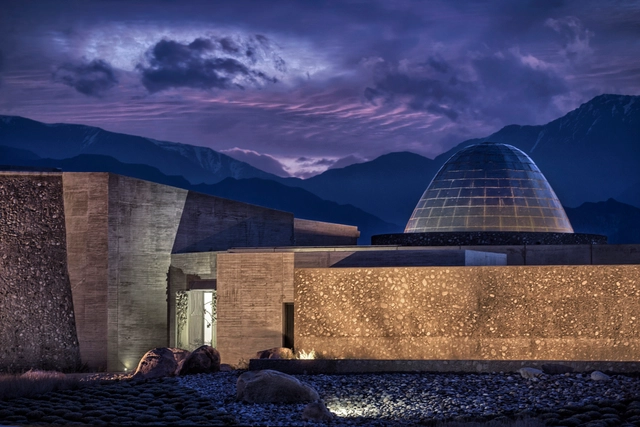
Zuccardi Valle de Uco in Mendoza, Argentina, has been selected for the third time as the world's best vineyard and the best vineyard in South America in the World's Best Vineyards ranking. To mark this achievement, we highlight the winery designed by architects Tom Hughes, Fernando Raganato, and Eugenia Mora. Explore the project below through photographs captured by Estudio García+Betancourt.

Sex Day is an unofficial holiday created by marketers celebrated on September 6th in Brazil, highlighting one of the greatest taboos in modern society: sexuality. From an architectural and urban point of view, the immorality associated with sexual activities, especially in exchange for payment, deeply impacts our society and also affects the territory.
While sometimes considered morally wrong, sinful, forbidden, and impure, sex, sexuality, and pleasure are all inherent to human physiology. Prostitution is sometimes referred to as "the world's oldest profession," playing a fundamental role in our societies, as well as in our territory, in the spatial organization and dynamics of cities. This practice is at the margins of modern society and therefore has ended up occupying segregated spaces in the cities.
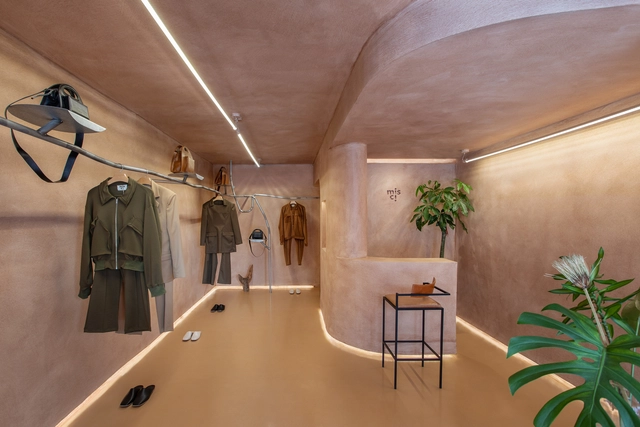
Commercial spaces must be enticing enough to pull people in, and comforting enough to keep them there. It’s this balance that makes the utilization of technical lighting so important to master.
It can be hard for spaces such as hospitality venues, offices, and retail environments to create comfortable, functional, and eye-catching lighting networks. But with venues, companies, and brands fighting harder than ever for the attention of shoppers, buyers, and workers, ensuring they present the perfect combination of ambiance, comfort, and aesthetic, all while staying completely on brand, is even harder than it appears.
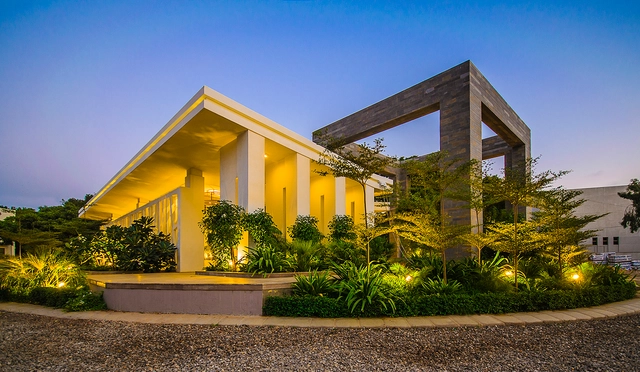
Pakistani architecture is defined by multiplicity. Both following tradition and breaking from it, contemporary projects contend with multiple histories. Informed by the coexistence and juxtaposition of conditions like regulated development and informal settlements in Karachi and Islamabad, modern designs are being shaped by broader contexts. In turn, these public and private projects are exploring new spaces and forms.
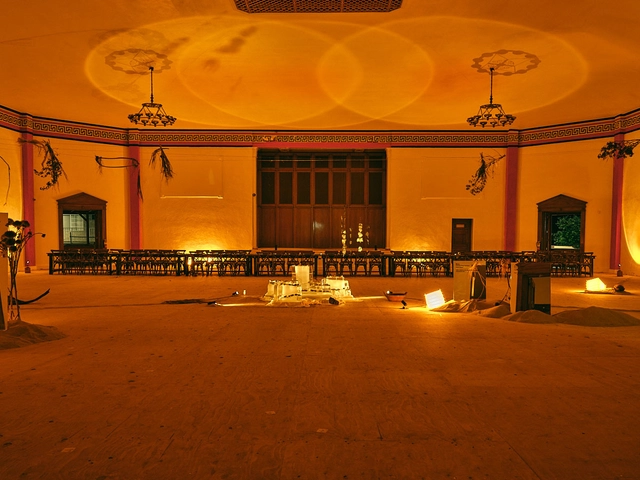
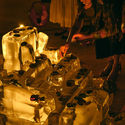
As part of a collaborative project created by creative women, "Ostras & Burbujas" emerged—an event that took place on August 28 at Cucina, Mexico City. This event was conceived around the idea of creating an immersive space that plays with visual perception, featuring lighting design and control by Paola Jose, founder of SOMBRA, powered by Lutron - Ketra technology. By altering the atmosphere through light, this was paired with a culinary experience led by chef Montserrat Garza, who brought together taste, smell, and touch through a multi-course dinner paired by Cavanegra Natural Wine Club.

Since the 2015 Paris agreement, mitigating climate change has been established as a common, world-encompassing goal; however, both the impacts of the climate crisis and the actions currently being taken vary widely across the globe. At the moment, the most prominent cities are outpacing governments in addressing the climate crisis and fostering a green transition, but their actions are counteracted by inaction and an increase in carbon emissions elsewhere. Moreover, the vulnerabilities and adaptive capacity to different levels of climate disruptions vary across nations. Discussing environmental inequalities through the lens of climate risks and mitigation actions, the following highlights the need for a global coordinated and transdisciplinary effort in addressing the climate crisis.
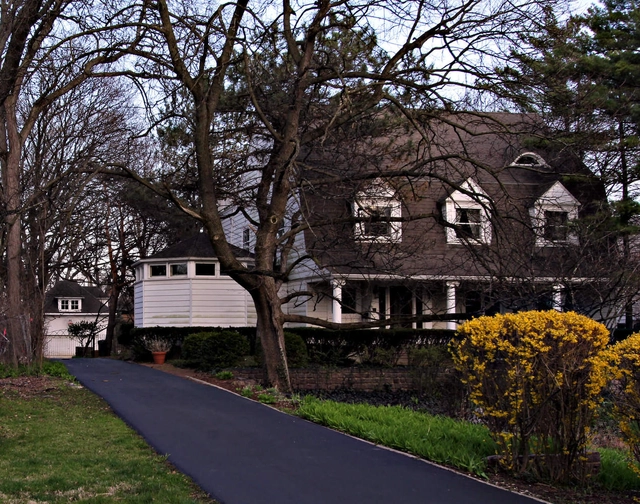
Less than two months ago, the future of an 1894 Dutch Colonial-style home designed by Frank Lloyd Wright wasn’t looking all that bright after it hit the market for $1.3 million in the Chicago suburb of Hinsdale, Illinois. As of this week, however, the historic Frederick Bagley House, described by the nonprofit Frank Lloyd Wright Building Conservancy as a “unique and irreplaceable” early work of Wright, has found a very happy ending—or, more aptly, a new beginning.


With MyData Analysis, Regent Lighting provides a smart technological solution that saves costs, increases efficiency and simplifies workflows – confirmed by its successful application in one of Europe's largest smart building projects.
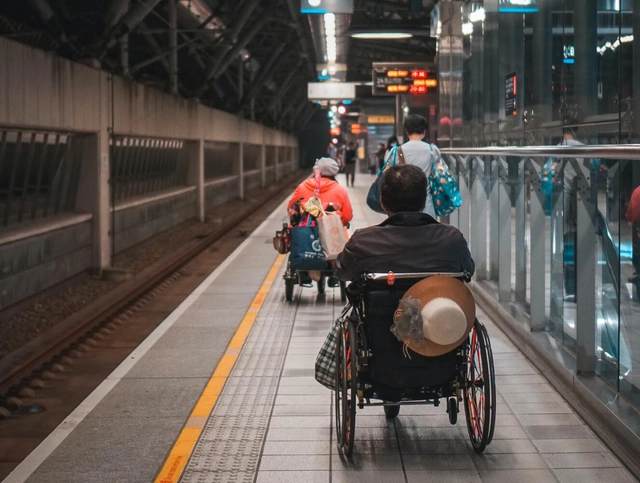
Disability and the diversity of bodies and people should be an engaging subject for architects: it is about lived experience, problem-solving, and designing a better built environment.
While the topic involves critical theory and aspirations for collective life, it is often viewed merely as a compliance-driven field—or worse, a sensitive subject fraught with outdated terminology and archaic habits of thought. Typical design routines do not always account for the variety of human bodies.
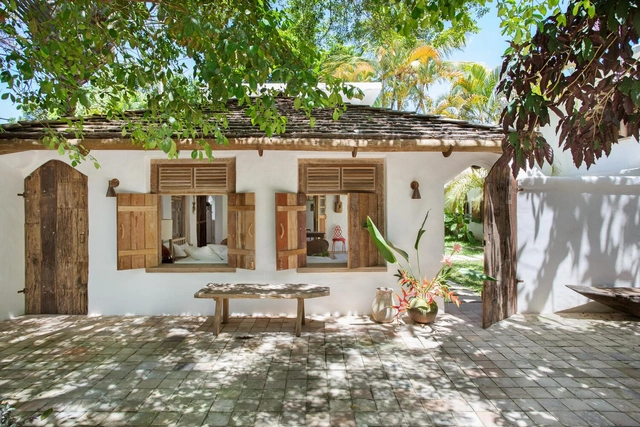
Dedicated to creating environments for a wide range of human activities, Armando de Holanda practiced as an architect in Northeast Brazil. Unsettled by the persistence of European building traditions that proved ill-suited to the region, he developed a set of strategies for designing and building with a focus on performance tailored to the tropical environment, prioritizing the presence of nature, light, and climate.
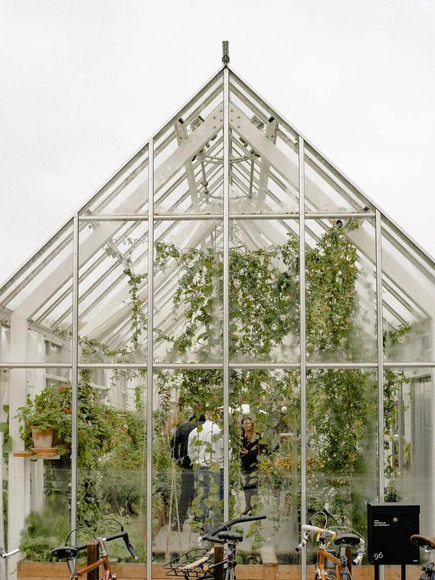
Anyone who enjoys growing food or cultivating plants knows that a greenhouse can be invaluable in many scenarios. Whether to protect plants from the cold, shelter wind-sensitive species, or nurture sprouts and seedlings before they are transplanted elsewhere.
Having your own greenhouse requires space. While there are plenty of ready-made options and professional builders available, you can also use your creativity, time, and dedication to construct your own greenhouse.






.jpg?1632222873 "El Poris. Image Courtesy of Artemide")








.jpg?1632124377)