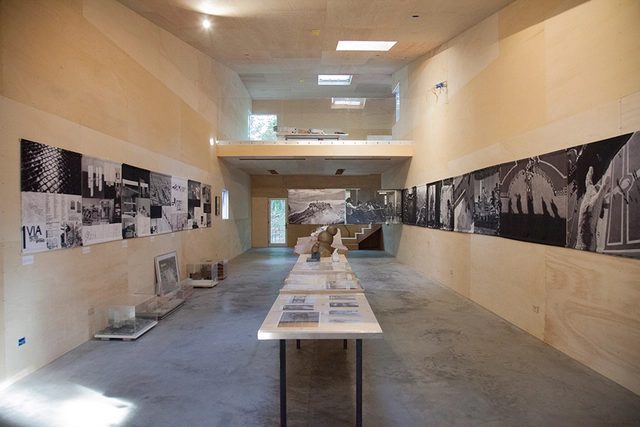
The feminine experience and its contributions in different fields of knowledge have experienced increasing acceptance, being mostly praised. The voice of architects, academics, designers, urban planners and activists has gained strength in view of the relevant reception of issues such as inclusion and gender perspective, in the face of challenges that test the great cities of the world and their inhabitants. Every March 8th – the day women take to the streets as an act of resistance and the exercise of citizenship – there are some brief reflections that highlight the link between the cities and their political-social events, as well as in related disciplines to architecture and urbanism.
https://www.archdaily.com/922613/is-feminism-compatible-with-architecture-and-urban-planningParvin Alexandra Camal Segundo
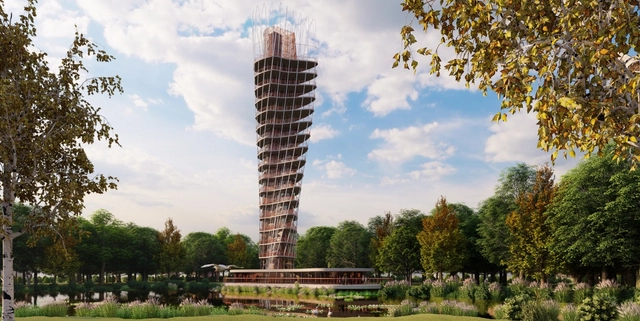
Over the past two decades, the role of representation and rendering has changed dramatically in the architecture, engineering, and construction industries. New rendering technologies, techniques, and programs, such as Lumion, have been contributing to this change. By including 3D rendering tools, architects and designers can take advantage of easy-to-use, multifunctional visualization technology that serves to strengthen creativity rather than stifle it.
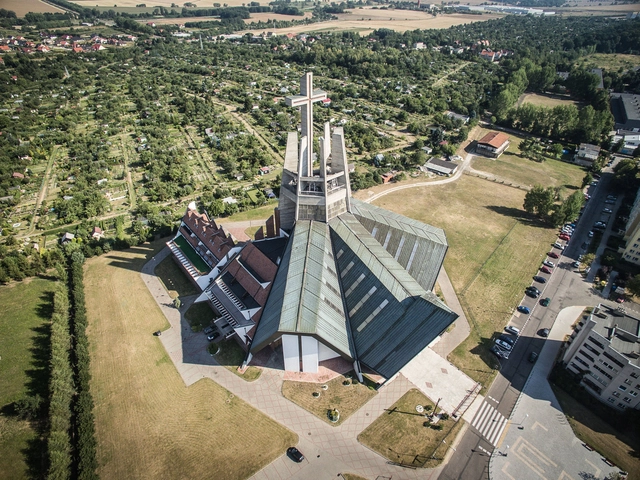
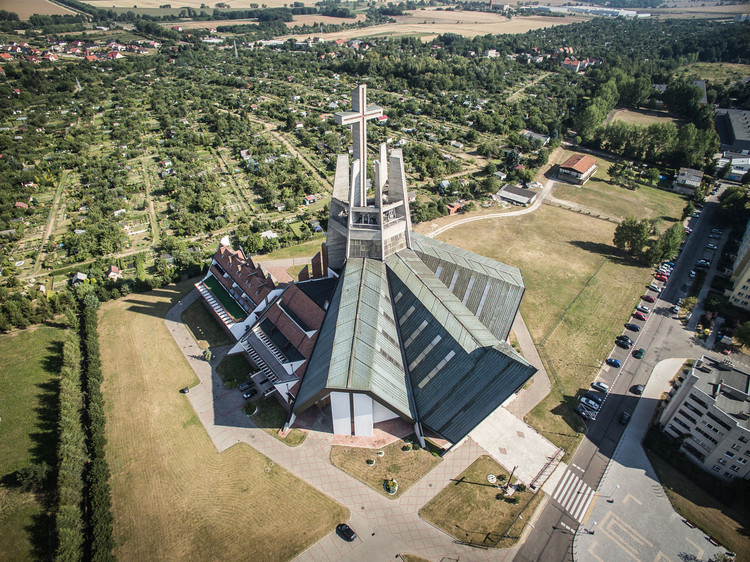
In the mid-to-late 20th century, a secular, socialist Poland served as the backdrop for the construction of thousands of Catholic churches. In their book Day-VII Architecture, Izabela Cichonska, Karolina Popera, and Kuba Snopek analyze the paradoxical facets of this architecture born at the intersection of secularity and religion, charting how its development was influenced by liturgical reform, political movements, and the growth of postmodernism. In the excerpted introduction below, the authors unfold this history, touching on the Second Vatican Council, Solidarity, the Iron Curtain, and more in relation to the development of Day-VII Architecture's ultimately unique postmodern style. The publication has collected photographs of 100 Polish churches built after the year 1945, accompanied by interviews with their architects. To read more about the authors' original Day-VII documentation project, which served as the groundwork for this book, be sure to visit the original article "These Churches Are the Unrecognized Architecture of Poland's Anti-Communist 'Solidarity' Movement."
https://www.archdaily.com/922363/day-vii-architecture-how-the-architecture-of-polish-churches-developed-in-a-secular-socialist-stateLilly Cao
Russia is an enigmatic country known for its sublime constructivism developed during Soviet times, its greatness and enormous scale. It comes as no shocker — architects, such as Ivan Leonidov and his student Leonid Pavlov, and artists like El Lissitzky, have definitely contributed to the history and image of a strong Russian personality.
Considering the prevalent poverty in Russia, the reason for the fixation on cheap construction is rather clear. However, even local leading architects find something attractive and beautiful in the suburban barns and flimsy dwellings. Creating authentic installations in the shape of houses or changing and enhancing the experience of existing structures with materials at hand, Russian artists and architects express the country's skill of turning the ruined and inhabitable into the lively and cozy.
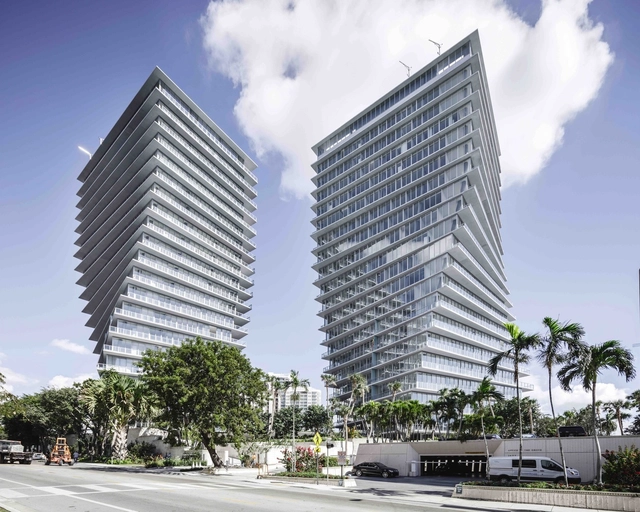
In the last decade, Miami has progressively transformed into a mecca of architecture and design. While the city’s tropical persona is most often associated with Art Deco, Miami offers a wide range of architectural styles from Mediterranean Revival to Miami Modern and everything in between. Over the years, the city has welcomed a some of the world’s leading talent including Pritzker Prize winners like “Queen of the Curves” Zaha Hadid, French visionary Jean Nouvel, Swiss duo Herzog & de Meuron, Frank Gehry and more – who have all left a lasting impression on Miami through their work. Whether visiting Miami Beach’s Art Deco district or the quaint, village-like Coconut Grove neighborhood, visitors can discover an array of awe-inspiring architecture no matter where their travels take them.
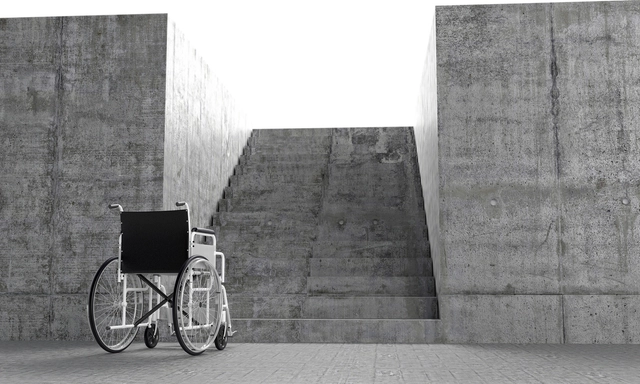
When famed architect Michael Graves contracted a mysterious virus in 2003, a new chapter in his life began. Paralyzed from the chest down, the pioneer of Postmodernism would be permanently required to use a wheelchair. Graves could have been forgiven for believing that having fought for his life, having been treated in eight hospitals and four rehab clinics, and needing permanent use of a wheelchair, that his most influential days as an architect were behind him. This was not the case. To the contrary, he would use this new circumstance to design trend-setting hospitals, rehab centers, and other typologies right up to his death in 2015, all with a new-found awareness of the everyday realities of those in wheelchairs, and what architects were, and were not doing, to aid their quality of life.
https://www.archdaily.com/923074/we-need-more-wheelchair-users-to-become-architectsNiall Patrick Walsh
One of the main attractions of 2018’s Burning Man Festival was the ORB, designed by Bjarke Ingels, Iacob Lange & Laurent de Carniere. The inflated spherical mirror was created as a conceptual representation of Earth and human expression, leaving no trace after its deflation. The project consumed 30 tons of steel, 1,000 welding and sewing hours, and $300,000 of personal funds to make the ORB come to life.
As part of their mini-film series, creative duo another : have collaborated with music composer Yu Miyashita and released a short video that explores the process of creating the ORB in an otherworldly way.
Of all the steps a city can take to make itself more pedestrian-friendly, developing a integral system of signage is both a quick and easy improvement that makes a world of difference--as shown by initiatives like Legible London, New York's WalkNYC, or Rio on Foot, in Río de Janeiro.
The design of spaces for people with visual disabilities is an important issue when it comes to talking about accessibility. Architects who adopt the principles of universal design understand that the needs of a blind client are the same as those of all people.
Inclusive design is vital in order for all users to be able to develop comfortably and to correctly understand the various functions of a space. Given the need for our cities to promote integration, we present three exemplary projects for a blind user; a house, a building and a public space.
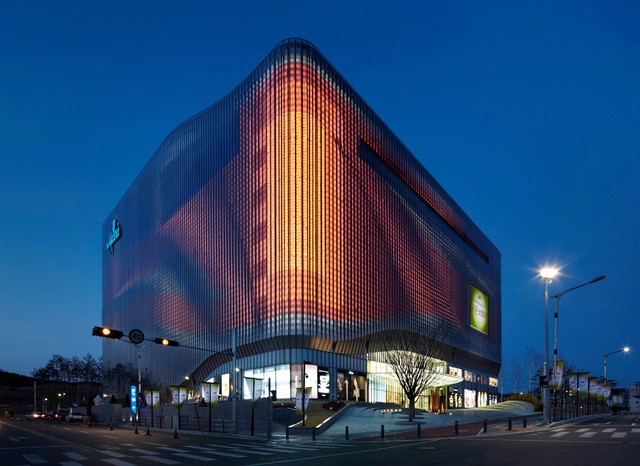
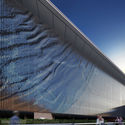
For most of the history of architecture, interesting facades were achieved through materiality or ornamentation. From the elaborately painted friezes of the Parthenon to the glass exteriors of modern skyscrapers, architecture was primarily static, only ‘changing’ as the environment would change and affect the material of the façade in differing ways, be it rain, light, rust, etc.
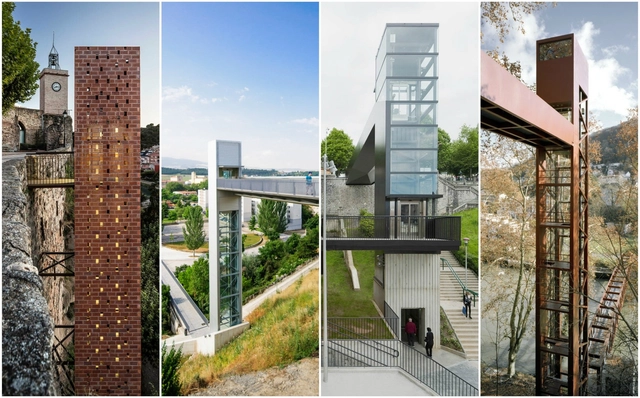
When working in an urban area with a complex topography, one of the biggest challenges is urban integration. Worldwide, many socially deprived neighborhoods are situated in complicated geographical locations surrounded by steep slopes. Such areas complicate mobility for pedestrians, cyclists, and the elderly, with a lack of accessibility often excluding them from taking part in city life effectively.
In this context, urban elevators can be a novel solution which combine elements of both functional connectivity and sculpture. With some rising up to 30 meters in height, they become urban and touristic landmarks, creating new viewpoints and walkways. Additionally, in many cases, they can help to uphold the historic legacy of the city.
Below we have collected some interesting examples of urban elevators that have been key in the spatial planning of the urban environment.
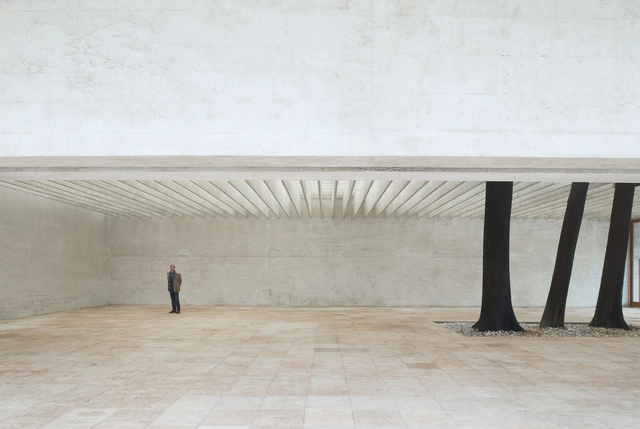
1997 Pritzker Prize laureate Sverre Fehn (August 14th 1924 – February 23rd 2009) was a leader in Post World War II Scandinavian architecture. “His work has an intuitive confidence in how to use the Nordic landscape and its particular light conditions within the built culture, and yet throughout his career each period has reflected a refined sensitivity to international changes and attitudes in architecture,” said his close collaborator Per Olaf Fjeld. “It can be compared to a poetic work conceived on an isolated mountain by a writer with an uncanny, intuitive sense of what is going on in the towns below.” [1]
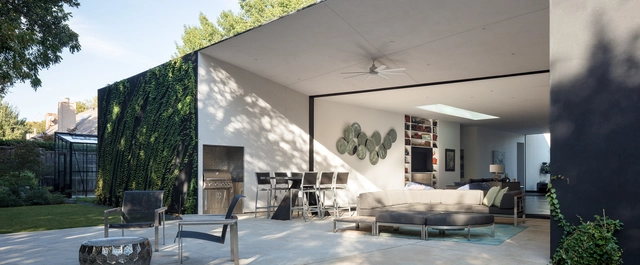
Another year, another crop of homes featuring fresh, contemporary architecture, striking décor, and seamless transitions between inside and outside spaces. Peruse our picks below to find the inspiration you need to make indoor-outdoor living part of your next home design.
The Midnight Charetteis an explicit podcast about design, architecture, and the everyday. Hosted by architectural designers David Lee and Marina Bourderonnet, it features a variety of creative professionals in unscripted and long-format conversations that allow for thoughtful takes and more personal discussions. Honesty and humor are used to cover a wide array of subjects: some episodes provide useful tips for designers, while others are project reviews, interviews, or simply explorations of everyday life and design. The Midnight Charetteis available for free on iTunes, YouTube, Spotify, and all other podcast directories.
On this episode of The Midnight Charette podcast, hosts David Lee and Marina Bourderonnet are joined by Elizabeth Timme & Helen Leung, Executive Directors of LA-Más to discuss their organization, maintaining non-profit status, aiding communities through policy and architecture, social responsibility in design, and more.
https://www.archdaily.com/922505/la-mas-executives-on-non-profit-organizations-aiding-communities-and-social-responsibility-in-designThe Second Studio Podcast
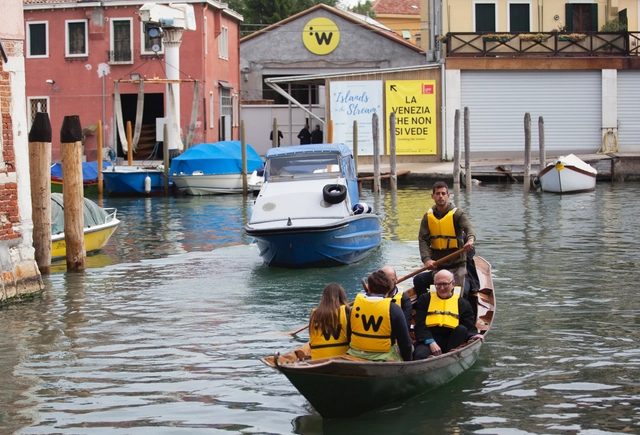
Proyecto Pabellón de Cataluña en la Bienal de Venecia 2017. Image Cortesía de Institut Ramon Llull
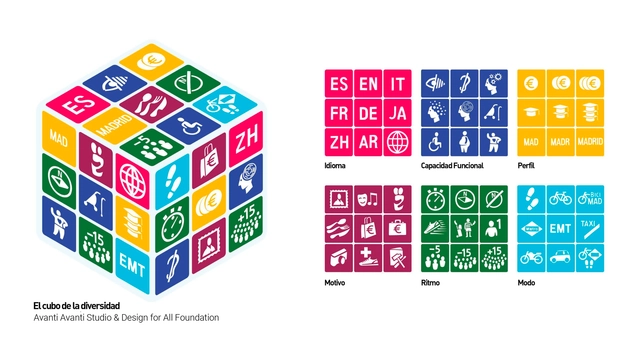
Avanti-Avanti Studio is a design studio dedicated to the development of creative communication strategies, particularly specialized in “Design for All.” Founded by Alex Dobaño (graphic designer and member of the Design For All Foundation) and Elvira Muñoz (architect), the duo leads a multidisciplinary team of professional people in communication, design, and technology, and work with companies and institutions specialized in leisure, tourism, culture, museums, and cities. They describe their practice as a meeting point, where professionals from different fields come together for every new venture, to ensure that the built environments are suitable and inclusive for anyone experiencing them.
We talked to Alex, founder and creative director of the studio, to learn more about their work and the importance of introducing the Design for All concept in the integrated space design projects.
Once the construction of an architecture project is finished, it's time to install the claddings that will make up the visible faces of the interior spaces. Wallpaper –an efficient way to bring color and design into rooms – is generally specified according to the square meters we want to cover, so we must start by calculating the area of each surface with great precision.
This task can be easy on clear walls with standard dimensions, but it can generate mishaps or unnecessary expenses in more complex designs. We present some tips to make an estimate as accurate and efficient as possible.
It's very likely that you are reading this text in an interior space with the lights on. For most people, modern living entails spending most of the day in closed rooms, bathed in a sum of artificial and natural lights. Yet while artificial light has afforded mankind incalculable possibilities, it has also caused some confusion in our bodies, which have evolved for thousands of years to respond to the stimuli of sunlight in the day and darkness at night. This responsiveness to natural light is called the circadian rhythm or cycle, and describes the 24-hour biological cycle of almost all living beings. Circadian rhythms are primarily influenced by light reception, but temperature and other stimuli also play a role in the process.
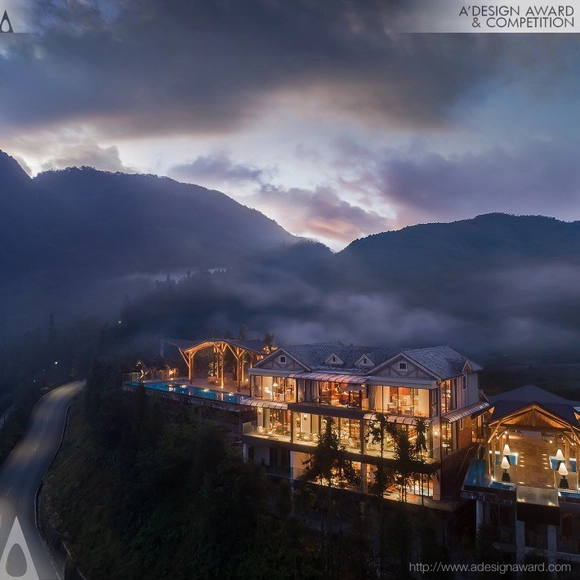
The A’ Design Award is an international award whose aim is to provide designers, architects, and innovators from all architecture and design fields with a competitive platform to showcase their work and products to a global audience. Among the design world's many awards, the A' Design Award stands out for its exceptional scale and breadth; from 2018-2019, over 2,000 individual designs from 106 countries received awards in 98 different design disciplines. This year's edition is now open for entries; designers can register their submissions here.
Griffin founded the consultancy Urban Planning for the American City, which she complements with her pedagogical work at Harvard University’s Graduate School of Design.
Since its emergence with the cultural turn in the 1970s and ’80s, spatial justice has become a rallying cry among activists, planners, and plugged-in architects. But as with many concepts with academic origins, its precepts often remain elusive and uninterrogated. Though some of this has changed with the advent of city- and place-making discourse, few are doing as much to lend articulation, nuance, and malleability to spatial justice as Toni Griffin. A Chicago native, Griffin practiced architecture at SOM for nearly a decade before leaving the city to work as a planner in Newark and Washington, D.C., among other municipalities. In 2009, she founded the consultancy Urban Planning for the American City, which she complements with her pedagogical work at Harvard University’s Graduate School of Design. There, she runs the Just City Lab, which, through research and a host of programs, aims to develop, disseminate, and evaluate tools for enhancing justice—and remediating chronic, systematized injustice—in America’s cities. But what form could justice take in the U.S. context, and how can architects and designers help? Metropolis spoke with Griffin about how focusing on inclusivity and embracing interdependence and complexity are parts of the answer.
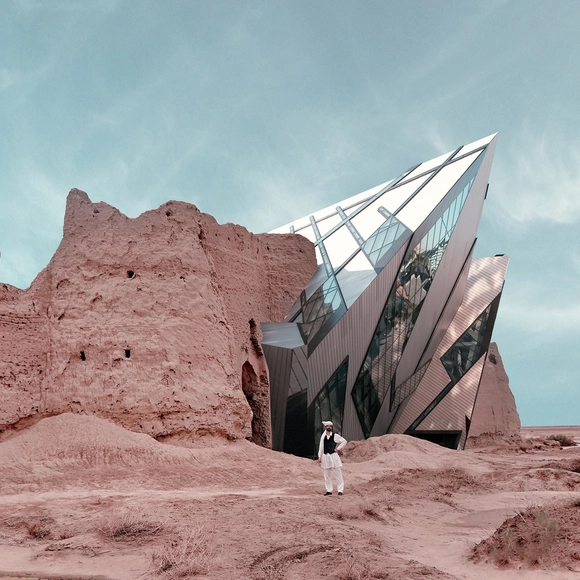
There is often a debate on whether architects and engineers should restore old buildings and preserve what is still standing as a token of the past, or completely demolish them and introduce contemporary designs and features. In Iran, the remains of historic monuments, some of which are World Heritage Sites, have yet to know their fate, as restoration strategies remain uncertain.
As part of his Retrofuturism series, Iranian architect Mohammad Hassan Forouzanfar selected a few pre-Islamic castles across Persian towns, and merged them with contemporary landmarks, bringing about a new definition of architectural restoration.
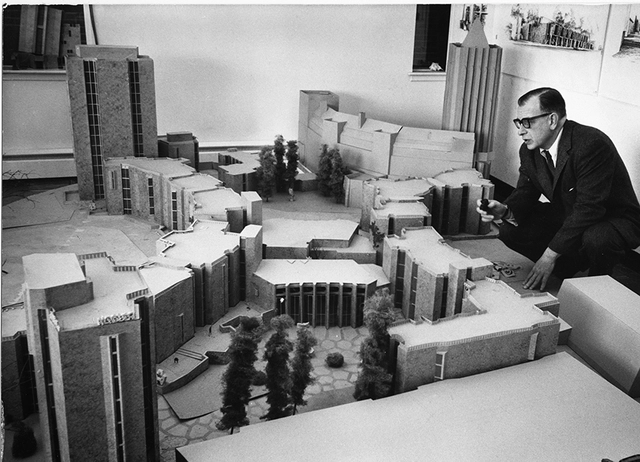
Photograph of Eero Saarinen with two Yale residential colleges. From "Living on Campus: An Architectural History of the American Dormitory". Image Courtesy of Metropolis Magazine
Modernism in Pittsburgh. Central Park. Space settlements. Interwar typography. What do these topics all have in common? They are the subjects of a new batch of architecture and design books released this past year – books that constitute Metropolis Magazine’s spring/summer edition roundup of architecture’s newest and most exciting publications.
https://www.archdaily.com/922326/new-architecture-and-design-books-to-read-this-summerLilly Cao
Modern architecture, visible in contemporary production, is usually related to the use of guidelines established by Le Corbusier's five points of architecture. Despite being widely known and debated for years, these points continue to be revisited and rethought in projects from various places and contribute to the creation of interesting buildings in various programs.
Architect and educator Astra Zarina wasn’t just the teacher of Tom Kundig, Ed Weinstein, and Steven Holl (who designed ‘T’ Space); she was also an advocator for public spaces, cohesive urbanity, and the communities that these attributes fostered. ‘T’ Space’s newest exhibit Rome and the Teacher, Astra Zarina celebrates Zarina’s life and teachings in the context of recognizing overlooked pedagogical figures, particularly women. A recent article by Metropolis Magazine describes this exhibit in detail and with it, Zarina’s own life story.
https://www.archdaily.com/922753/t-spaces-new-exhibit-celebrates-the-overlooked-history-of-an-influential-female-architect-and-educatorLilly Cao
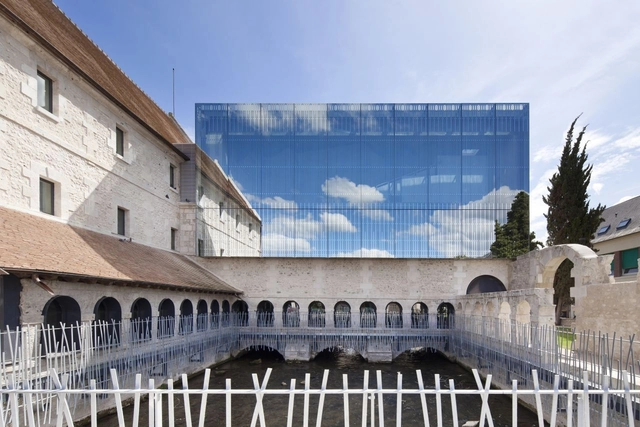
When an extension on an existing historical building is requested, often architects opt for glass, transparent and reflective interventions. Some decide to stay neutral and subtle when dealing with an older structure, while others choose a bold and outspoken design to manifest their contemporary character. With each project having its own conceptual motivation and reasoning, the outcomes are different and diverse.
Read on for some relevant examples, each responding to a different program.


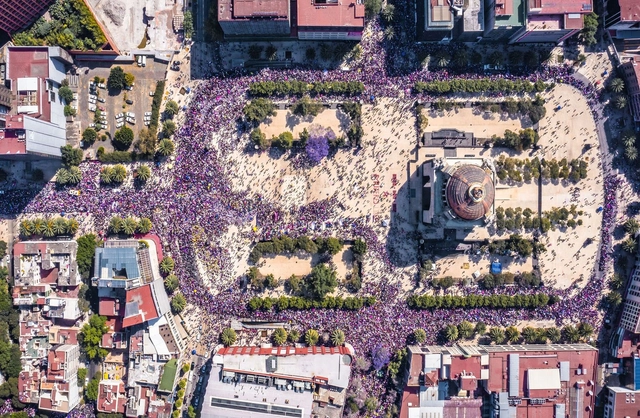
.jpg?1565194684 "Paro Internacional de Mujeres el 8 de marzo de 2019, en la Ciudad Autónoma de Buenos Aires. Defensoría del Pueblo de la Ciudad de Buenos Aires [CC BY-SA 4.0 (https://creativecommons.org/licenses/by-sa/4.0)]. Image Cortesía de Wikimedia Commons")







_HI_RES_(5)_copy.jpg?1565259186 "© Robin Hill. ImagePark Grove / OMA | Shohei Shigematsu")


.jpg?1565259275 "Courtesy of Herzog & de Meuron. Image1111 Lincoln Road / Herzog & de Meuron")











.jpg?1565290135 "Modern Sampran Wangprom Office / Apostrophy's. Image © Sitthisak Namkham")