I am on the edge. Not emotionally or psychologically—although this could be the case—but literally, physically, spatially, geographically. As I write this, I am sitting on the balcony of a hotel room in Miami Beach, overlooking the Atlantic Ocean. Behind me is the whole State of Florida and, indeed, the entire North American continent. In front of me: the boardwalk, a narrow beach, and then a lot of water—and not much else between here and Mauritania, a distance of more than 4,400 miles.
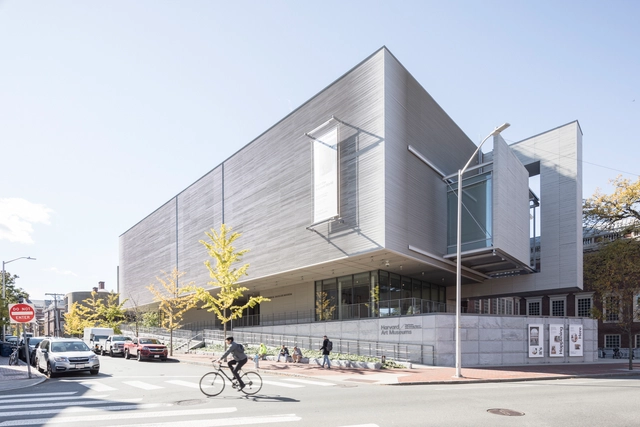
As the oldest institution of higher learning in the United States, Harvard has emerged as one of the world's most well-known universities. Organized into ten academic faculties and the Radcliffe Institute for Advanced Study, it is spread across 200 acres and centers on Harvard Yard in Cambridge. Developed along the Charles River adjacent to the Allston neighborhood of Boston, Harvard has the largest financial endowment of any academic institution. This has supported a number of different campus building projects across the university’s history.
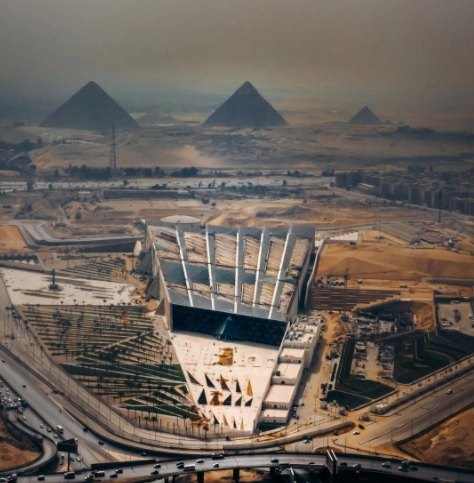
Designed by Irish architecture firm Heneghan Peng, the long-awaited Grand Egyptian Museum devoted entirely to Egyptology is set to open this summer, sitting on the edge of the Giza Plateau, 2 km away from the Pyramids. Considered as the largest museum in the world dedicated to one civilization, the cultural complex will accommodate about 100,000 ancient artifacts, and will include 24,000m² of permanent exhibition space, a children’s museum, conference facilities, educational areas, a conservation center, and extensive gardens inside and around the museum's plan.
Ventilation serves two main purposes in a room: first, to remove pollutants and provide clean air; second, to meet the metabolic needs of the occupants, providing pleasant temperatures (weather permitting). It is well known that environments with inadequate ventilation can bring serious harm to the health of the occupants and, especially in hot climates, thermal discomfort. A Harvard University study demonstrated that in buildings with good ventilation and better air quality (with lower rates of carbon dioxide), occupants showed better performance of cognitive functions, faster responses to extreme situations, and better reasoning in strategic activities.
It is not difficult to see that ventilation plays a vital role in ensuring adequate air quality and thermal comfort in buildings. We have all felt it. But when we talk about ventilation, a light breeze from the window might come to mind, shifting through our hair and bringing a pleasant aroma and cooling temperature that brings fresh air and comfort. In mild climates, this experience can even be a reality on many days of the year. In harsh climates or polluted spaces, it could be quite different.
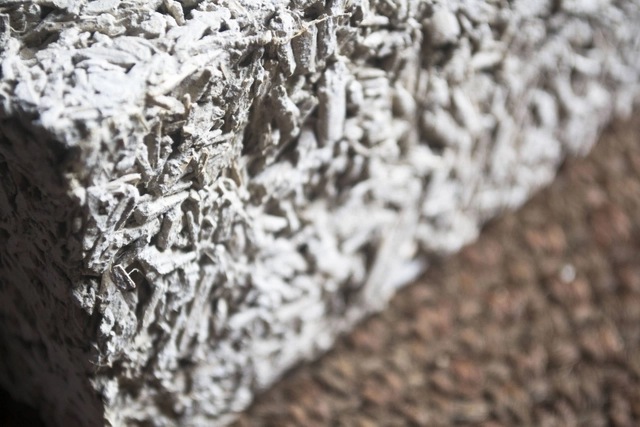
Hemp is one of the oldest crops domesticated by humans. With its wide variety of uses and applications, it’s easy to understand why it’s been a desirable product throughout history. Hemp seeds and flowers are used in health foods, medicines, and organic beauty products; the fibers and stalks of the hemp plant are used in clothing, paper, and biofuel. Today even a waste product of hemp fiber processing, so-called hemp shives, is being utilized to create sustainable building materials like hempcrete.
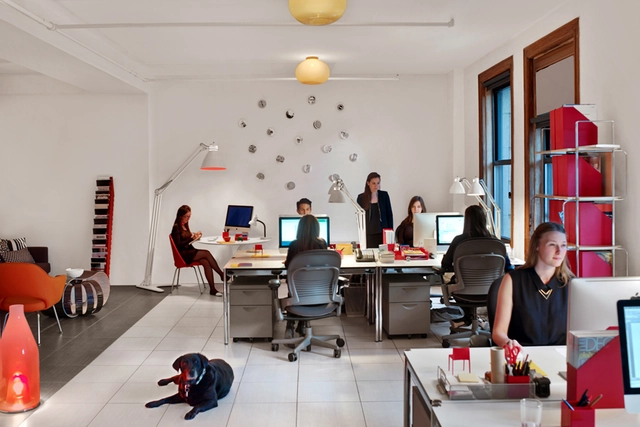
WeTransfer recently released its 2020 Ideas Report, which showcases the effects COVID-19 has had on creativity. At a time when the economy, employment rates, and overall morale were down, the report found a reason for hope—nearly half (45.3 percent) of the 35,000 creatives polled claimed that they experienced more creative ideas during the pandemic than before.
Which begs the question: How do we replicate the good that has come out of the pandemic and keep it going for the industry over the long term? ThinkLab sat down with business leaders within—and outside—the interiors industry to understand the shifts companies made to remain relevant in these changing times.
Continuing our quest to redefine how architecture is perceived nowadays and exposing the different notions out there, ArchDaily gave space for its users to answer four fundamental questions: "What is architecture? What can architecture do? What is your architectural position? What is your design method?" With around 200 entries per interrogation, gathered from all over the world, the ideas shared are mostly complementary and non-conflicting, underlining a general understanding of the role and essence of this field.
Just before the global lockdowns began in response to the spread of the widely discussed COVID-19, we met with Saint Gobain experts at their new headquarters in Paris to discuss an extensive investigation conducted in 2019, with the aim of understanding the transformations that architecture and construction have experienced in recent years. After an interesting exchange of ideas, we chose the most relevant topics to be analyzed in depth by our team of editors, resulting in a series of articles that combined the trends identified with the unexpected events that occurred during 2020, connecting them directly to architectural design.
Now, entering an uncertain but promising 2021, we took the time to stop and reread these articles carefully. How many of these trends are still valid and how much have they evolved? What new trends are likely to develop in the coming years?
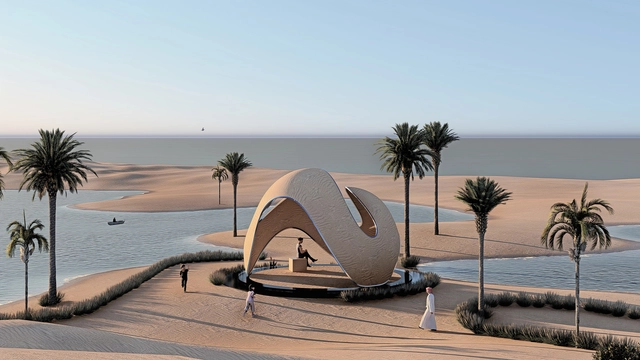
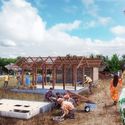
This week’s curated selection of Best Unbuilt Architecture highlights cultural structures submitted by the ArchDaily Community. From pavilions to installations, this article explores the topic of cultural urban interventions and presents approaches submitted to us from all over the world.
Featuring a pavilion nestled in the sand dunes of the Persian desert, an afrofuturistic, interactive art installation proposed for the upcoming Burning Man event, and a new take on summer cinemas in Russia, this roundup explores how architects reimagined traditional gathering places and created urban interventions in all scales. The round up also includes a collection of structures in the United Arab Emirates, United Sates of America, France, and the United Kingdom, each responding to different contexts and topographies.
Videos
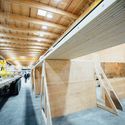
Desenvolvido para Harmony Timber Solutions (https://harmonytimber.com/). Image Cortesia de Steven Emerson
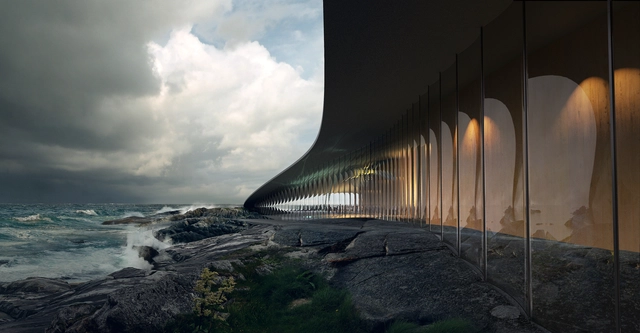
Incredible lighting, shining finishes, healthy trees, and properly positioned human figures seem to be the perfect kit for a good and traditional image of architecture, which, however, is not always representative of reality or context. We are accustomed to thinking of renderings as visions of future buildings, occupied and in use, which serve to sell or convince customers of the worth of a project. But what if rendered images also helped us understand the construction, systems, and functioning of some parts of the building? We talked to two professionals who have developed images that are both beautiful and explanatory.
Prefabrication is not a new concept for architects, but its usage is evidently on the rise. With today’s limited spatial capacity and need for cost efficiency, the industrial strategy of architectural production has shifted towards an all-around-efficient approach, in some cases assembling projects in a matter of days or weeks [1][2].
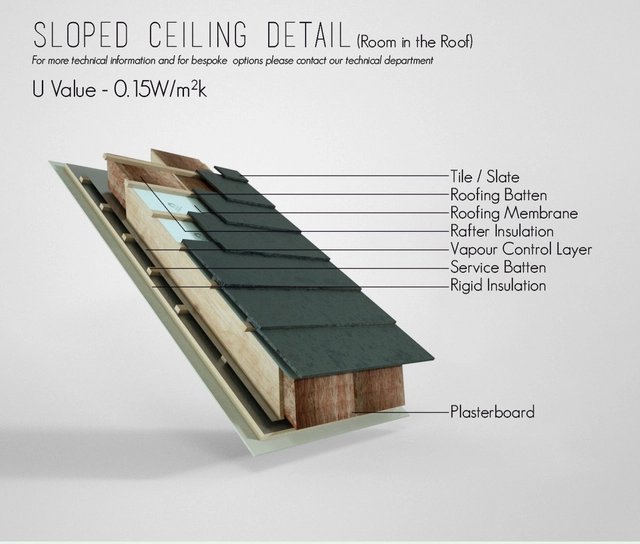
Prefabricated wood components, used in both wooden frames and mass timber constructions, have helped solve many design and engineering challenges. In addition to material and time efficiency, reduced waste, and cost control [1][2], prefabricated wood elements offer the advantages of high performing and energy efficient passive designs [3].
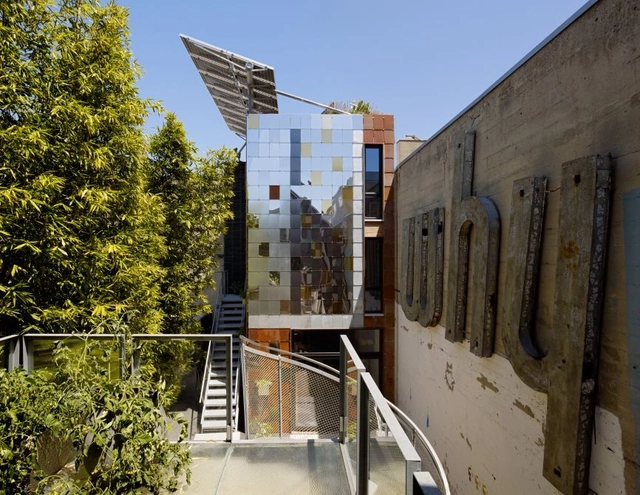
Few places have embraced sustainable design practices like California. Experiencing dramatic droughts, wildfires and environmental issues, the state has started to create new policies and initiatives to promote environmentally-conscious design solutions. From eco-districts and water management strategies to net-zero building projects, the Golden State is making strides to reshape its future. Forming long-term visions and procedures through the lens of physical resource consumption, California is working to better integrate its economic development plans with sustainable building methods.
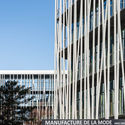
Designed by award-winning architect Rudy Ricciotti, the designer of the MuCEM in Marseille, the Jean-Boutin Stadium in Paris, and the Islamic Arts Exhibition in the Louvre Museum, the Manufacture de la Mode reintroduces Chanel's intricate craftsmanship in an architectural and urban context. Architectural photographer Simon Garcia uncovers the newly-inaugurated fashion community in a series of photographs.
Videos
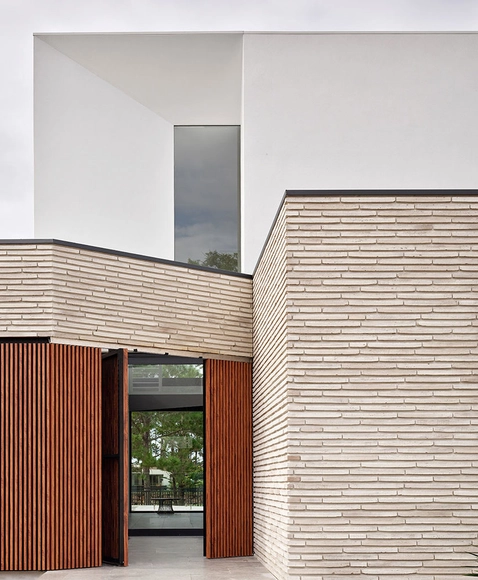
Stratum, Australia. Image Courtesy of Randers Tegl
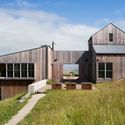
When creating a contemporary atmosphere for living, many factors come into play. The surrounding environment, its climate, use of materials, spatial organization, and the attention to detail in both the interior and exterior design, all impact the quality of the design as a whole.
With increasingly better renderings becoming ubiquitous, students and architects alike feel the pressure of mastering an additional set of skills to get their ideas across. To what extent do renderings make or break a portfolio or a project? How important are they in the design process, and do renderings inform of a particular set of skills besides the software ones? This article explores different perspectives on the role of renderings within the profession.
Would you be willing to buy a home from a robot using only an app? As technology becomes more and more integrated into the design and real estate sector, that once an outlandish idea has become a reality. Only a decade ago, almost no one talked about technology and start-ups in the built environment. The real estate industry, which has historically lacked technological innovations compared to other sectors, is now taking a stance to reinvent itself as an industry that is more efficient, flexible, and automated- all resulting in one of the newest buzzwords that has taken the world by storm, proptech or Property technology.
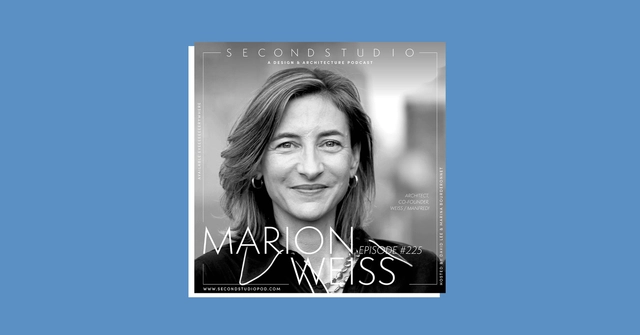
The Second Studio (formerly The Midnight Charette) is an explicit podcast about design, architecture, and the everyday. Hosted by Architects David Lee and Marina Bourderonnet, it features different creative professionals in unscripted conversations that allow for thoughtful takes and personal discussions.
A variety of subjects are covered with honesty and humor: some episodes are interviews, while others are tips for fellow designers, reviews of buildings and other projects, or casual explorations of everyday life and design. The Second Studio is also available on iTunes, Spotify, and YouTube.
This week David and Marina are joined by Marion Weiss, architect and co-founder of Weiss/Manfredi. Marion discusses her childhood interests in the arts, architecture, and landscape design, how her office was formed and its design process, working with clients on large cultural projects, how architecture can have a social impact beyond its physical footprint, and more. Enjoy!
https://www.archdaily.com/959806/marion-weiss-you-could-spend-30-percent-less-and-with-good-design-do-something-thats-200-percent-betterThe Second Studio Podcast
Videos
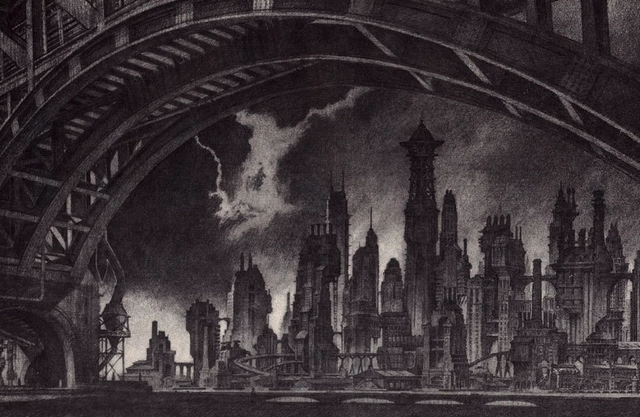
Looking west from across the Gotham River, by Anton Furst
Graphic novels fold drawings of people, space, and time into their narrative structure to produce powerful visual stories. Graphic novels and architecture also share a set of common tools that are central to their depiction — drawing, sequencing, text, action, character, etc. This makes for a natural allegiance between graphic novels, architecture, and the city. In this episode, Stewart pulls the graphic novels off his bookshelf to show how and why they influenced his approach to architectural design and led to the creation of award-winning competition entries. In particular, David Mazzuchelli’s City of Glass and Asterios Polyp, and Chris Ware’s Building Stories offer lessons for developing a holistic approach to architecture that involves multiple points of view, politics, fiction, and visionary design.
Believing firmly that "architecture is [...] too important to leave solely to architects", Ole Bouman embarked on diverse activities throughout his three decades of work, reflecting on “architecture, not so much as the art or technique of making buildings, but architecture as the intelligent way to organize our lives on earth, and infuse it with purpose”.
After having shared Bouman's essay Finding Measure, ArchDaily had the chance to discuss with DesignSociety’s founding director his thoughts on the role of architecture, the current challenges of the world, the digital revolution, and many other thought-provoking topics.
During the week of the final selection of ArchDaily China Building of the Year 2021 Awards, we received a total of 75,000 votes, thanks to our readers from all over the world. ArchDaily China strives to bring more Chinese firms to the wave of global exchanges and introduce Chinese architecture to the world.
This year, CCTN Design, with Shougang NO.3 Blast Furnace Museum, were selected for the first position, adopting the design strategy of “sealing the old, dismantling the surplus, and replenishing the new”, and transforming the industrial remains of Beijing into an inviting urban space. MAD Architects, with YueCheng Courtyard Kindergarten, won second place by dismantling and expanding the traditional courtyard house. gad, with Mountain & Sea Art Museum, won the third position by solving the problem of mountain construction and shaping the sculpture form of the art museum.
Dan Klyn, who teaches information architecture at the University of Michigan, is currently researching and writing a biography entitled Richard Saul Wurman’s 5 Lives. It’s an apt title, since the intellectually peripatetic Wurman has had several career incarnations: architect, author, publisher, designer, painter, sculptor, impresario (he created and thoroughly curated the early TED talks). “In a sense, I’m an amateur, a dilettante, I don’t do anything particularly well, but I see patterns between things,” he said to me in a recent interview, although his modesty here seems somewhat false: Wurman is a member of the Art Directors Club Hall of Fame; an AIA Fellow; has written, designed, and published more than 100 books; won a lifetime achievement award from the Cooper Hewitt; and is the recipient of the AIGA Gold Medal.
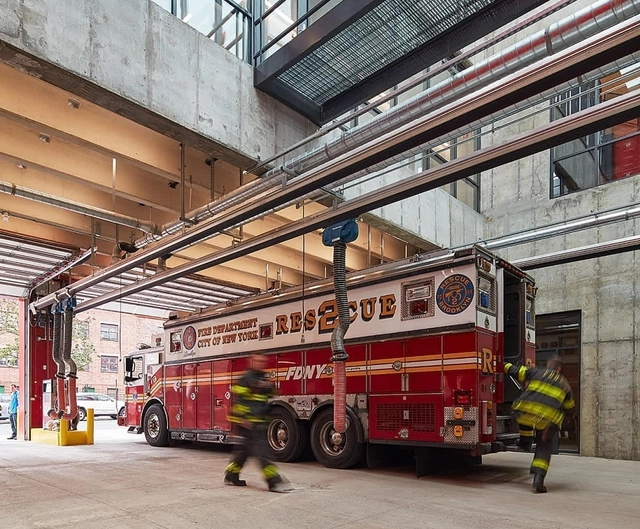
Architects are charged with protecting the public’s health, safety, and well-being. When buildings fail, whether through increased loads, poor design, or natural disasters, that charge also falls to those capable and willing to aid people in need. Firefighters regularly experience architecture’s collapse, often risking life and limb to save occupants and individuals they do not know. Yet firefighters and emergency personnel also have their own buildings they call home, rare typologies where recreational, domestic, and professional activities collide.
March 9 of last year marked Luis Barragán's 119th birthday and, in celebration of their namesake, the Barragan Foundation announced via their Instagram that they were launching the institution's newly revamped website. This signified two things--one, the absolute effort needed in order to compile every known Barragan work and the value this archive will have in aiding in the study of the architect's work and, two, the sweeping de-mystification of Barragan himself.

























.jpg?1617861414&format=webp&width=640&height=580)




-14.34.gif?1616187182)