

Produce personalized presentation boards that distill complex concepts into simple visual representations with a few helpful tools and effects.
Articles
How to Create Architectural Presentation Boards
| Sponsored Content
https://www.archdaily.comhttps://www.archdaily.com/catalog/us/products/37234/how-to-create-architectural-presentation-boards-lumion
The 22 Most Anticipated Projects of 2022
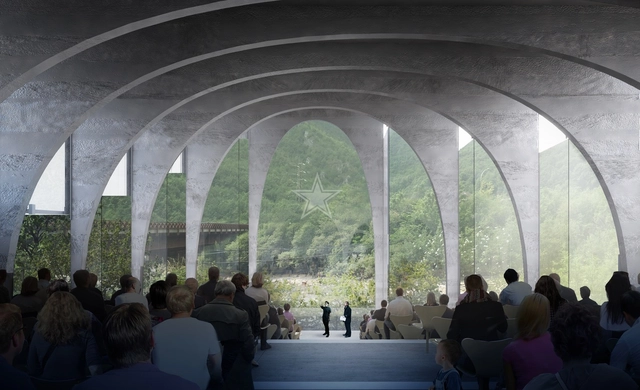
As the new year kicks off, we're taking a look ahead to the projects we're most looking forward to in 2022. With a mix of cultural and commercial programs, the designs are located across five continents, with many under construction for multiple years. Designed across a wide range of scales, they represent a mix of interconnected landscapes, museums, and new skyscrapers.



https://www.archdaily.com/975055/the-22-most-anticipated-projects-of-2022Eric Baldwin
"How Designers Think": Winners of the German Design Awards 2022
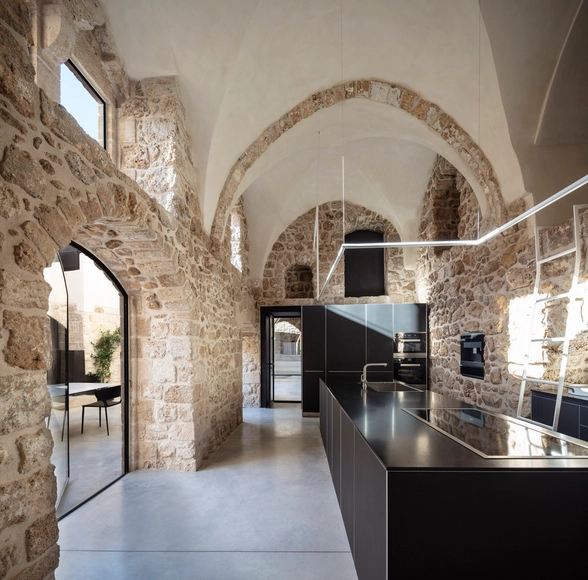
The German Design Awards have been presented by the German Design Council for the tenth time. The internationally renowned prizes are awarded to companies whose pioneering products and projects stand out in the categories of “Excellent Product Design”, “Excellent Communications Design” and “Excellent Architecture”. In addition to the “Winner” and “Special Mention” awards, the jury gave out a total of 81 “Gold” awards – the highest distinction of the German Design Awards.
https://www.archdaily.com/974789/how-designers-think-winners-of-the-german-design-awards-2022Eduardo Souza
20 Architecture Tips from 2021
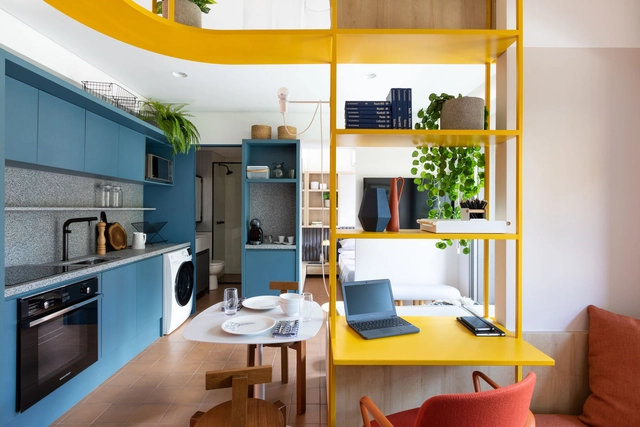
We are starting to say goodbye to the year and after a review of all the contents developed, we find ourselves with a wide range of architectural advice that involves both interior and exterior spaces. Addressing issues from the domestic sphere to more technical and decisive questions, these are intended to serve as a guide and/or suggestions, rescuing those necessary considerations to take into account when planning our spaces, regardless of the use or the future they contemplate.
https://www.archdaily.com/974958/20-architecture-tips-from-2021Agustina Iñiguez
The Architecture of Museums: The Evolution of Curatorial Spaces
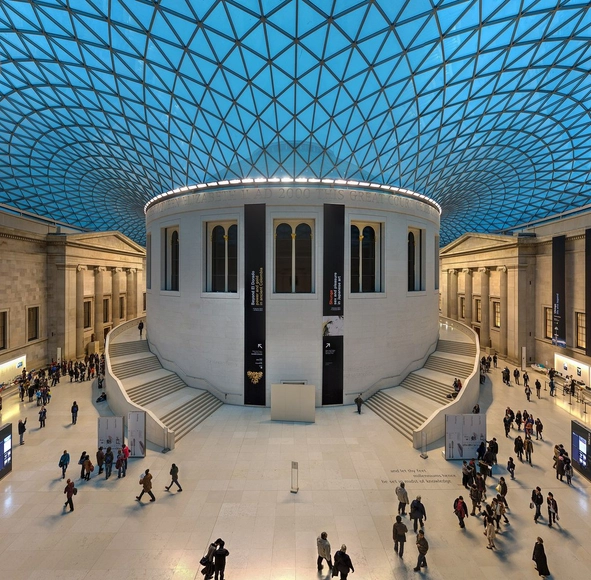
Across the globe, museums function as cultural landmarks – spaces of significance that quite often become defining symbols of a city’s architectural landscape. Historical examples such as the Museum de Fundatie in the Netherlands and The Louvre Museum in France continue to attract millions of visitors, with contemporary architectural interventions to them redefining their spatial contribution to their local context.




https://www.archdaily.com/975099/the-architecture-of-museums-the-evolution-of-curatorial-spacesMatthew Maganga
How Can Effective Management of Project Information Improve Project Delivery?
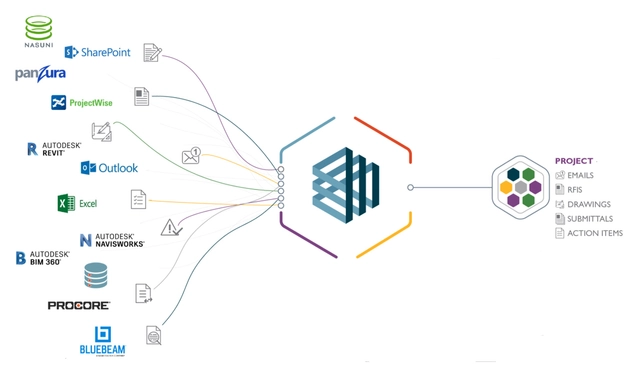
From planning to construction, architecture is more than designing buildings. With many multidisciplinary actors involved and the continuous flow of images, plans, and files, any project is also about managing large amounts of information. Because architects usually have tight deadlines – having to complete a certain number of buildings in a specific time frame – data must be managed productively and efficiently. However, as construction projects and delivery methods continue to increase in complexity, managing information has become more difficult than ever. And with the COVID-19 pandemic added to the mix, architecture firms now have a remote workforce which impacts how and where employees access information. Therefore, in order to ensure effective project delivery, the challenge lies in successfully managing project information.
https://www.archdaily.com/974664/how-can-effective-management-of-project-information-improve-project-deliveryRene Submissions
Architectural Salvage: Cultural Hotspots using Adaptive Reuse
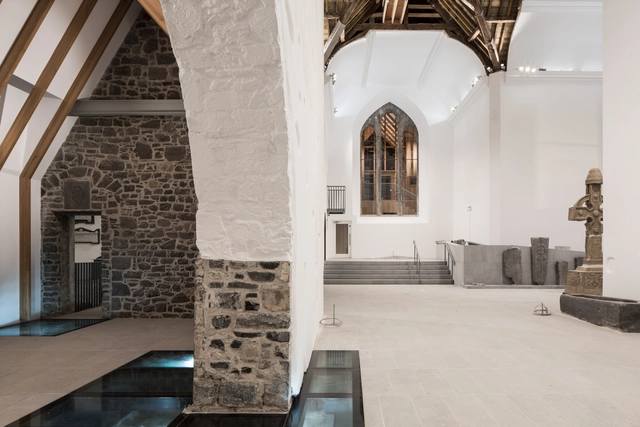
The dawn of the Anthropocene has thrown the idea of adaptive reuse into the limelight: effectively the pinnacle of urban regeneration and revitalization. It utilizes the presence of existing buildings with historic and cultural value and re-purposes them to be functional. Essentially a form of architectural salvage; a sustainable and viable means of rebuilding.
Recent events such as the pandemic has highlighted inequalities in our cityscape, the inadequate segments in a state of disuse and disrepair. Adaptive reuse can replenish these areas and create new cultural hotspots, encouraging activity and creating vibrant and healthy mixed-use environments.
Below is a diverse selection of cultural hotspots using Adaptive Reuse


https://www.archdaily.com/974939/architectural-salvage-cultural-hotspots-using-adaptive-reuseRebecca Ildikó Leete
How Video Game Architecture is Speaking to You

Video games and virtual worlds are jam-packed with imaginative environments to explore, time periods to peruse, and invented architectural styles to thumb through within every reality we choose to engross ourselves into. With recent advancements in technology, greater than ever are we witnessing the latest PC and console generations harboring the ability to produce life-like settings for players to roam around, get lost, and explore all the nuances the seemingly authentic reality holds.


https://www.archdaily.com/974690/how-video-game-architecture-is-speaking-to-youJullia Joson
The Architecture of Salvage
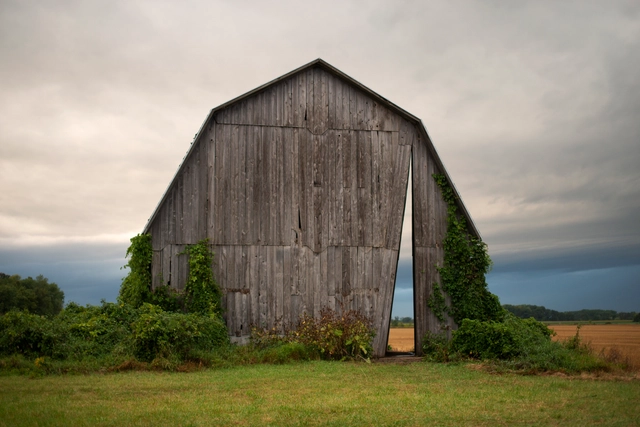
Buildings are like bodies with organs. When this is the case, with a little extra effort, buildings can be dismantled instead of demolishing them. Dismantling involves carefully removing salvageable components, storing them, and finding them new homes. While this solution is not always possible, it can be part of a sustainable effort that — in addition to keeping material out of landfills — preserves the history and memory embedded within unique materials and fragments. It also honors the human labor invested in our environment. This video explores the reuse of building materials and what it means to be surrounded by fragments with history. It also profiles institutions dedicated to the dismantling and dissemination of building materials, as well as artistic practices that reconfigure our existing built environment including Noah Purifoy and Catie Newell of Alibi Studio.
https://www.archdaily.com/975167/the-architecture-of-salvageDiego Hernández
An Architectural Language Shaped by Sustainability

With its quantifiable objectives and measurable performance, sustainability often passes as a technological challenge. Its primary language is that of data, equipment, and engineered systems, most often translated into a hyper-technologized layer hidden within a design upholding pre-existing aesthetic norms. As architecture is the image of society at one moment in time, how does the focus on sustainability translate into architectural language, further legitimatizing the efforts to establish an equitable relationship with the environment? Architecture serves as an expression of attitudes, and since sustainability has become a fundamental value, it is worth looking at whether or not it has produced an aesthetic transformation.


https://www.archdaily.com/975126/an-architectural-language-shaped-by-sustainabilityAndreea Cutieru
Support for Architects and Planners: Specifications, CAD Drawings, BIM Objects, and Other Design Tools
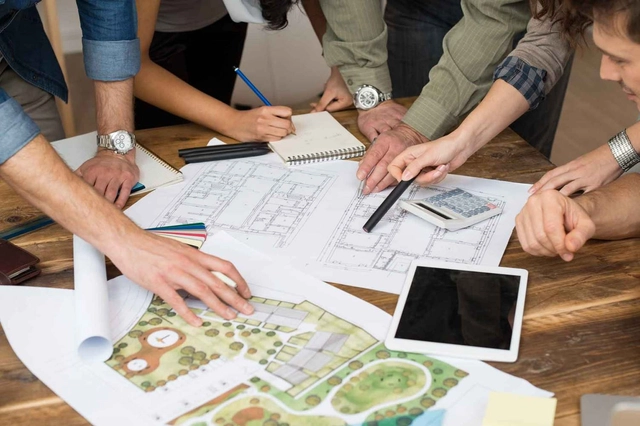
Technology manufacturer 2N is diversifying its range of products by offering A&E, BIM technology, and other strategies for architects and designers.
2N is a Prague-based company engaged in the development and manufacturing of products in the field of IP intercoms and access control systems. According to an IHS report in 2016, 2N is the largest global manufacturer of IP intercoms, and a major innovator in the field of IP access systems, IP audio, and IP lift communicators. The company was established in 1991 in the Czech Republic, where its headquarters remain to this day.
https://www.archdaily.com/965151/support-for-architects-and-planners-specifications-cad-drawings-bim-objects-and-other-design-toolsOlivia Bartolini
Synesthetic Architecture: Getting to Know the Work of Superlimão
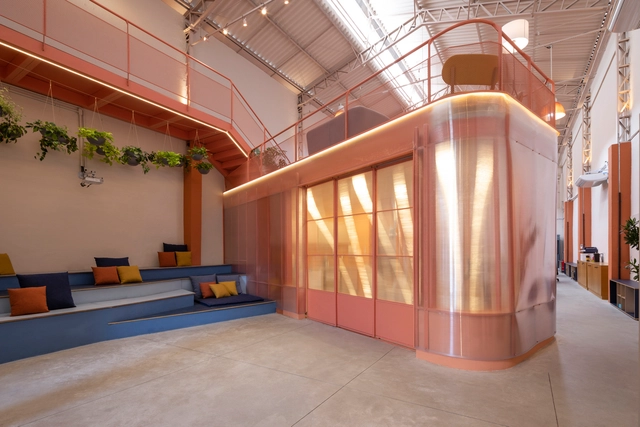
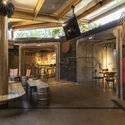
Unusual materials, vibrant colors and daring compositions are some adjectives that can be applied when talking about Superlimão's work. It all started in 2002 when Antonio Carlos Figueira de Mello, Lula Gouveia, Thiago Rodrigues and former partner Sergio Cabral founded the firm, naming it in honor of the Super Lemon candy – “sour at the beginning and sweet at the end”. Since then, this hint of humor - present even in the name itself - permeates all of the team's creations, hinting at new experiences and arousing curiosity as well as the taste of the candy.



https://www.archdaily.com/975096/synesthetic-architecture-getting-to-know-the-work-of-superlimaoCamilla Ghisleni
Mapping Improvisation: The Role of Call and Response in Urban Planning

This article was originally published on Common Edge.
New Orleans was designed by its early settlers in 1721 as a Cartesian grid. You know it as the famous French Quarter or Vieux Carré. Such grids are named for the Cartesian coordinate system we learned to use in algebra or geometry class, perpendicular X and Y axes, used to measure units of distance on a plane. The invention of René Descartes (1596–1650), these grids reflect his rationalism, the view that reason, not embodied or empirical experience, is the only source and certain test of knowledge. William Penn used a similar grid in 1682 in selling Philadelphia as an urban paradise where industry would thrive in the newly settled wilderness. And just as the massive buildings of Italian Rationalist (i.e., Fascist) architecture express authoritarian control, so, too, Cartesian grids implicitly say: Someone is in charge here. We’ve got this. Trust us.

https://www.archdaily.com/975058/mapping-improvisation-the-role-of-call-and-response-in-urban-planningRandy Fertel
What External Membrane Failure Means for Sustainable Architecture
| Sponsored Content

With the increase of extreme weather events due to climate change, sustainable architecture is only becoming more important. After all, to mitigate the impact of climate change, the International Energy Agency has recommended that industries aim for a net-zero energy system. For the construction sector, that means working to mitigate 11.4 Gt of CO2 emissions.
To help, architects should ensure their specifications are sustainable. External membranes, for instance, are often a go-to waterproofing method, but they come with many risks, including the tendency to fail frequently, and they are not environmentally friendly. In short, a better alternative is necessary.
https://www.archdaily.com/974413/what-external-membrane-failure-means-for-sustainable-architectureRene Submissions
What Is Art Nouveau?
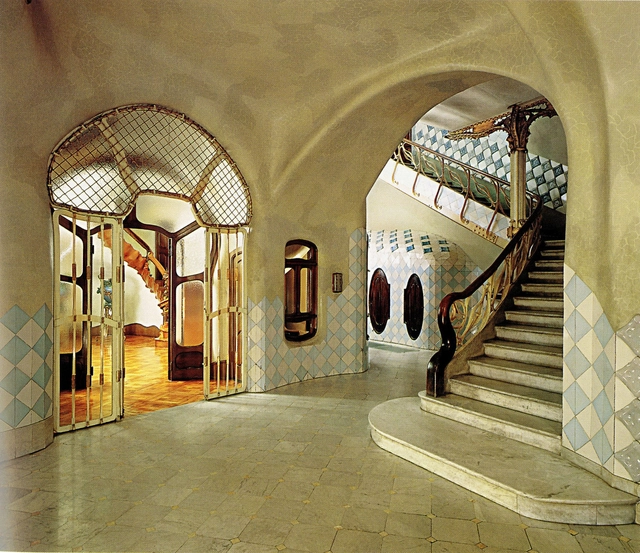
Emerged in a period marked by the development of the industry and the experimentation of new materials, the Art Nouveau artistic movement was opposed to historicism, favoring originality and a return to handicrafts. In this context, it is portrayed as an attempt at dialogue between art and industry, revaluing beauty and making it available to everyone through series production.


.jpg?1639596820 "Escadaria Victor Horta. Via Victor Horta The Architect of Art Nouveau by David Dernie and Alistair Carew-Cox")


https://www.archdaily.com/974955/what-is-art-nouveauCamilla Ghisleni
The Sobriety of Untreated Wood Facades: Tips and Inspiring Examples
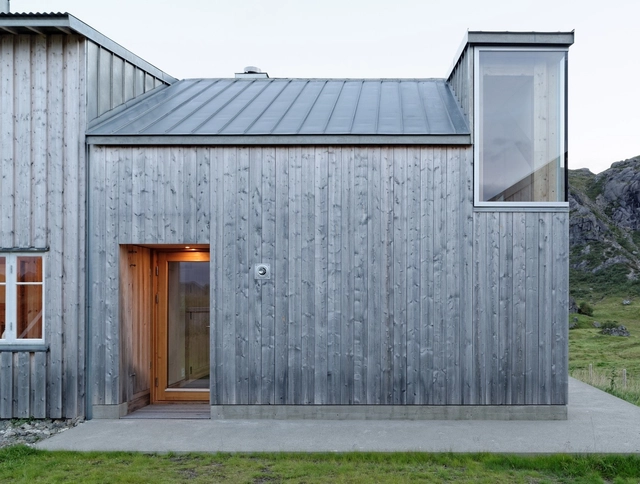
The moment a tree is cut down and its biological processes are interrupted, it can be said that the deterioration process of wood also begins. Steps such as the correct cutting of the trunk, drying and storage or the precise specification of the best species for each use will determine its durability. Composed basically of cellulose, hemicellulose and lignin, each wood species has a certain natural durability, also influenced by the environmental conditions of where it is inserted, such as temperature, humidity, oxygen content, and the microorganisms and insects present there. Generally, surface treatments are used to increase the protection of different parts, such as varnishes, oils and other chemical processes. But there are situations in which untreated wood can be used outdoors, achieving a gray and sober aesthetic that blends into the exterior and brings personality to the building.
https://www.archdaily.com/974576/the-sobriety-of-untreated-wood-facades-tips-and-inspiring-examplesEduardo Souza
How Color Affects Architecture
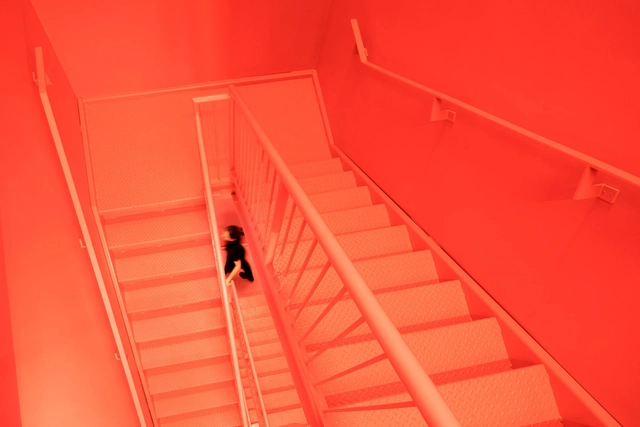




Just as the colors of an abstract painting or photograph can produce a certain mood, so can the colors of a building or room profoundly influence how the people using it feel. Physiologically, study after study has shown that blue light slows the production of melatonin, keeping people more alert or awake even at night. Psychologically, people associate certain colors with certain feelings due to cultural symbols and lived experiences – for example, they might perceive the color red as menacing or frightening because of its connection to blood.
Altogether, the way a room is colored can have complex effects on how its users feel, while a façade can be perceived in dramatically different ways depending on how it is colored. Below, we summarize the emotional associations of every color, assessing their differing effects as each is used in architectural space.
https://www.archdaily.com/930266/how-color-affects-architectureLilly Cao
What Is the Difference Between an Architect and a Civil Engineer, After All?
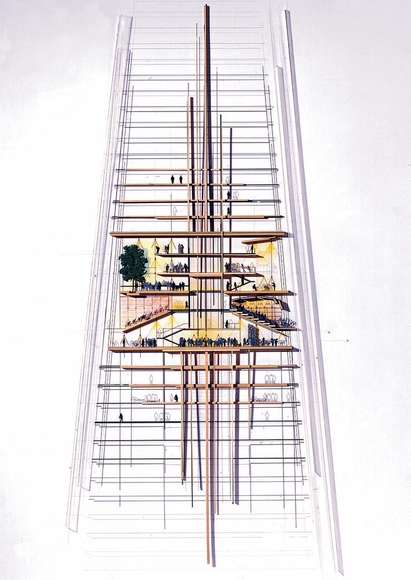
Architecture and engineering as we know it today are two distinct higher formations, which share similar scopes and which, therefore, have moments of intersection, but also preserve fundamental differences. Even though this overlapping of activities results in a lack of consensus both in relation to the history of the professions and current professional practice, it is important to highlight the differences and specificities that characterize each of these professions today.
https://www.archdaily.com/974960/what-is-the-difference-between-an-architect-and-a-civil-engineer-after-allGiovana Martino
Hybrid Houses: 15 Projects that Explore the Variations of the Home Office
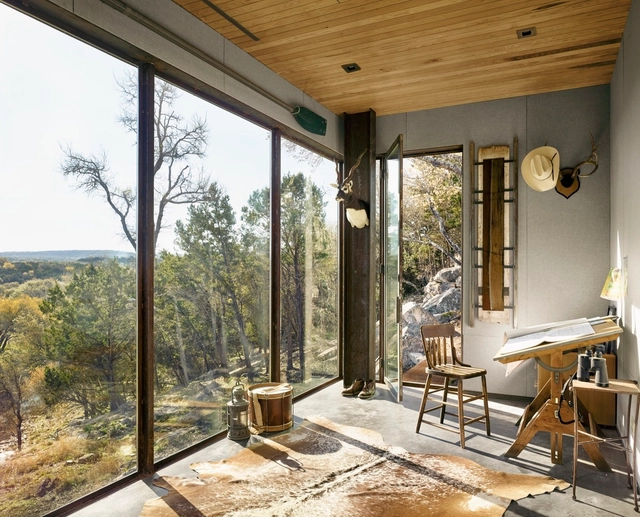
It's not uncommon to see housing complexes integrate commercial spaces at the ground level, but the challenge of mediating between the private and public realm on a smaller scale, especially with the rise of the home office, has forced architects to explore all aspects of the structure, from the topography it sits on, to the direction of light and wind, to the design and organization the domestic space. This interior focus explores different design solutions that show how architects and interior designers transformed their projects from a living space into a mixed-use typology, taking into account privacy, flexibility, functionality, and predefined spatial requirements.


https://www.archdaily.com/974950/hybrid-houses-15-projects-that-explore-the-variations-of-the-home-officeDima Stouhi
How Architects Design for Less Lonely Living
Data shows that many more people are living alone, but the surprising fact is that living alone does not necessarily correspond with an increase in feelings of loneliness. Architecture has been evolving towards increases in privacy and private space for centuries. This video looks at architectural designs that attempt to reverse those trends by designing living scenarios that incorporate more opportunities for public engagement. These include Studio Gang’s City Hyde Park project in Chicago with its angled balconies. But the video goes deeper to look at examples that radically rethink residential architecture, its construction, design, and inclusion of public space.
https://www.archdaily.com/974868/how-architects-design-for-less-lonely-livingDiego Hernández
Concrete Benches: Furniture for Inside and Outside the Home
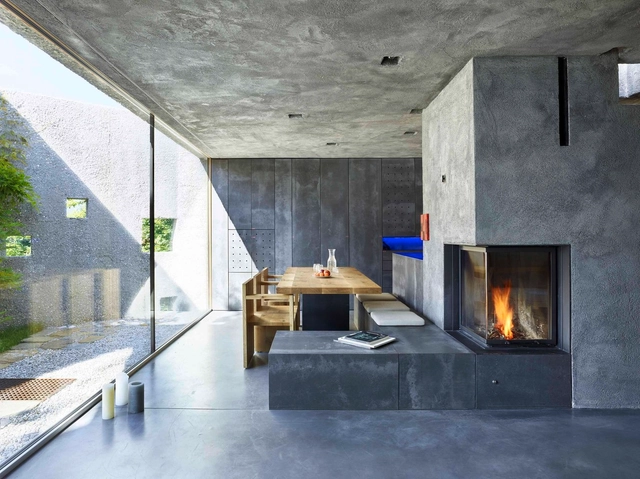
Concrete is not purely a structural element. As we demonstrated in an article about kitchen projects using concrete countertops, the material is gaining significant traction in the world of residential furnishings and fixtures. To further exemplify this, we have curated a list of several projects that use concrete benches to create beautiful moments inside and outside the home.
https://www.archdaily.com/931643/concrete-benches-furniture-for-inside-and-outside-the-homeMatheus Pereira
Six Houses With Impressive Views (and Windows)
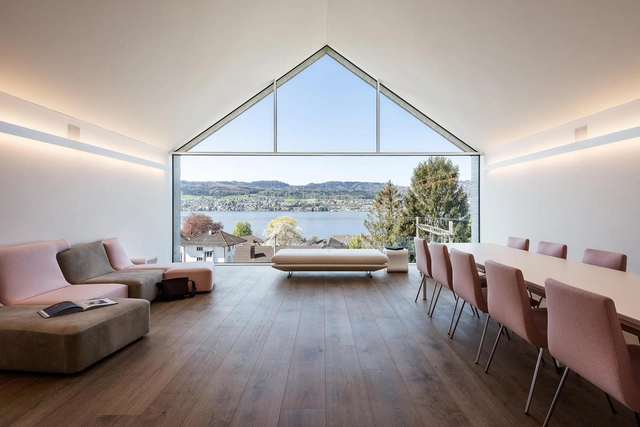

We love to fill our houses with wonderful creative decoration that brings us pleasure every time we enter a room. It’s these decorative features that transform a house into a home. But for those houses lucky enough to be surrounded by captivating landscapes, why shut out all that natural decoration only to replace it with interior imitations?
Using either glass partitions or ground-flush, floor-to-ceiling sliding glass panels, by inviting the environment in, specifiers can connect interior and exterior spaces for a deeper connection with nature, allowing the local landscape itself to become the largest interior in the home. Here is a selection of residential projects that use the latest innovations in sliding windows to form a relationship with the surrounding landscape:
https://www.archdaily.com/974863/six-houses-with-impressive-views-and-windowsJames Wormald
Exploring the History of the Ideal Renaissance Cities
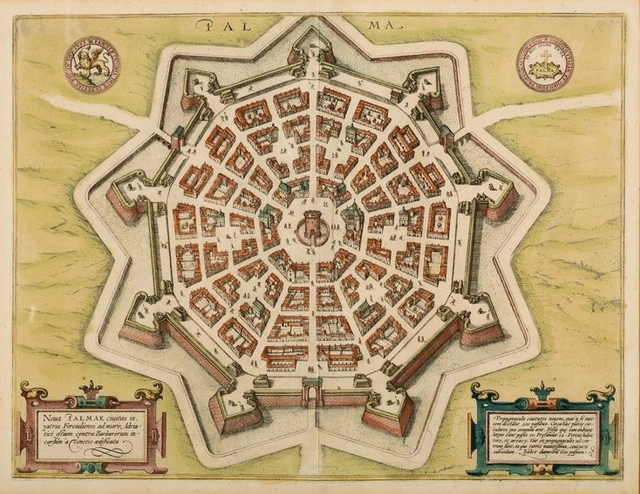
The concept of an “ideal city” is something that is often talked about today, as we look towards the future and think about what aspects of urban life we feel are most important for residents to thrive in a healthy community. However, ideal cities were conceived during the Italian Renaissance, as planners and architects prioritized rationale in their designs focusing on human values, urban capacities, and the recursive waves of cultural and artistic revolutions that influenced large-scale planning schemes.
https://www.archdaily.com/974799/exploring-the-history-of-the-ideal-renaissance-citiesKaley Overstreet
B&B Italia Furnishes Villa 17 at Amanyangyun to Present the 2021 New Collection to the Asian Market
| Sponsored Content


.jpg?1639435789 "© Wen Studio")


Bringing the latest contemporary furniture from Milan Design Week straight to Shanghai, B&B Italia curated the setting at Villa 17 in Amanyangyun, an impressive Chinese antique architecture.
https://www.archdaily.com/973512/b-and-b-italia-furnishes-villa-17-at-amanyangyun-to-present-the-2021-new-collection-to-the-asian-marketRene Submissions
10 Architectural Opinions of 2021
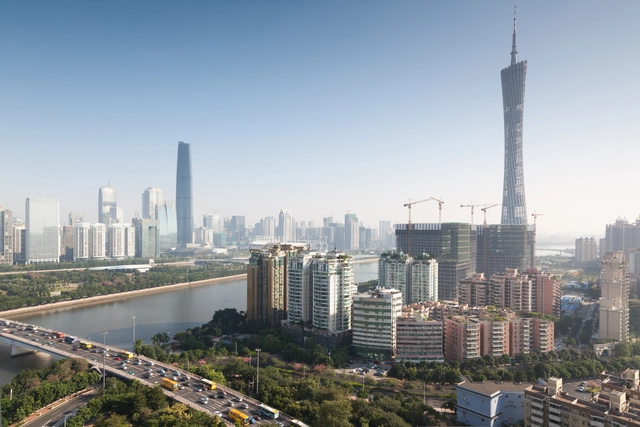
This second year of the pandemic was a tremendous opportunity to continue reflecting and debating on the most pressing issues in architecture. Along these lines, we wanted our readers to actively join in, contributing their experiences and knowledge. Throughout the whole year, each month we invited you to share your comments and opinions about the most diverse issues - from the future of cities, automation in architecture and collective design, to green architecture, adaptive reuse, migration, equity and interior wellbeing.
After reading and compiling all the messages received, both from construction professionals, as well as students and those interested in architecture, it is time to present the main points of view. Thank you very much for your opinions!
https://www.archdaily.com/974494/10-architectural-opinions-of-2021Fabian Dejtiar