Produce personalized presentation boards that distill complex concepts into simple visual representations with a few helpful tools and effects.


Produce personalized presentation boards that distill complex concepts into simple visual representations with a few helpful tools and effects.

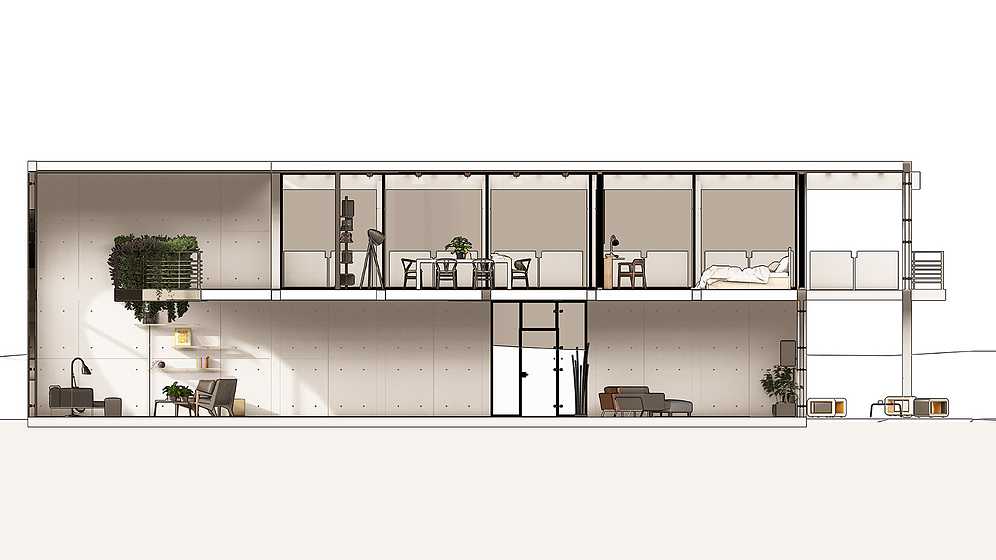
For many people, the bed and bedroom are no longer just a place to rest. Beatriz Colomina has already presented different studies on how work and leisure came to occupy this environment, and, today, this becomes increasingly present in our daily lives. If the way we occupy space is constantly changing, how can we better use their area to cover all the necessary functions?
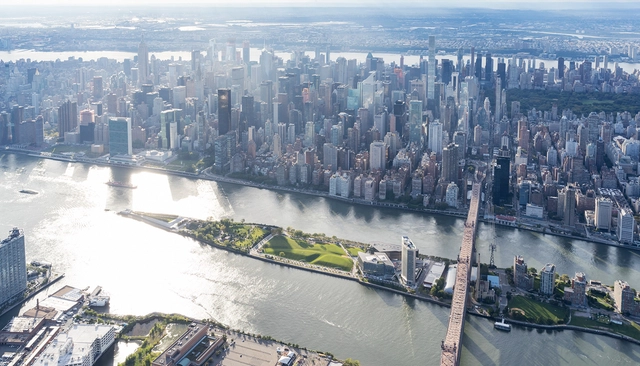
Carbon footprints and CO2 emissions are large topics in our conversations about how we create a more sustainable future. Over time, different companies, organizations, and individuals have pledged to alter their lifestyles and habits to make changes that show that they are dedicated to combating climate change. Especially in the design industry, where buildings generate nearly 40% of annual CO2 emissions broken down between daily operations and construction/demolition, architects have long been feeling the pressure of exploring ways to prove that we are doing our part.
When we take a look at the different scales of emissions, one question commonly occurs- how can we measure the different levels of impact? Is it on us individually to recycle and ensure we never use plastic straws again? Does this even have a major impact? Do more car manufacturers need to find alternates for gasoline-fueled automobiles? Do architects need to only source sustainable materials? What are the actionable steps that truly have an impact?
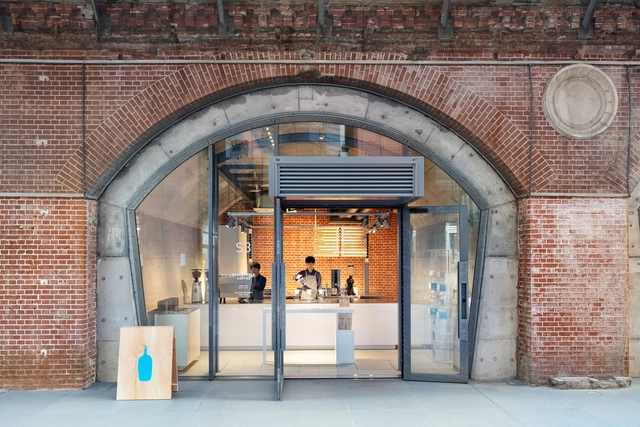
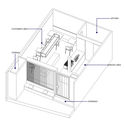
The interior design of a coffee shop can make-or-break an establishment. With an inviting design, you can transform drinking a simple cup of coffee into a wonderful experience. However, when you only have a few square meters and various machines and properties to distribute, finding an efficient configuration is not easy.
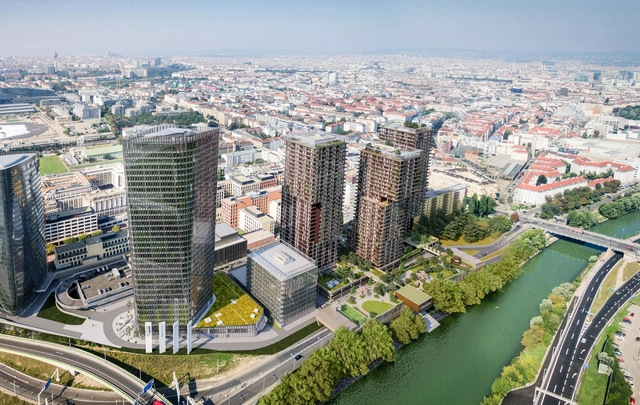
Climate change, the scarcity of resources, and urbanisation are hot topics in the building and construction industry. In this context, the importance of sustainability cannot be overemphasised: almost 40% of global CO2 emissions and 36% of global energy usage is associated with building and construction. These figures clearly illustrate the increasing need for more sustainable solutions in the industry.
Companies that play an active role in the building industry have a responsibility to pave the way toward a more sustainable future. This is why partners like Uponor, one of the leading international providers of solutions that move water for buildings and infrastructure, strive to help customers in Europe to choose the perfect solutions for greener building designs.

If the maxim "the first impression is the one that stays" is taken seriously, in architecture, the entrance hall takes on a fundamental importance. This small space, in addition to welcoming the house, can also gain several other functions: storing objects, housing a waiting and reading area, distributing the movement of the residence, displaying a painting. Finally, there are several possibilities to think about and occupy this environment, so here we present three design guidelines that can help you when thinking about it.
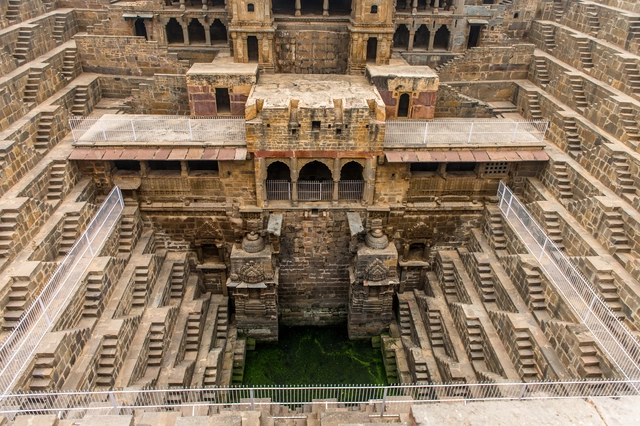
The 22nd of March 2022 saw the twenty-ninth commemoration of World Water Day – as a worldwide water crisis continues to leave populations vulnerable. It is an extremely multi-faceted issue. Governance sadly determines water accessibility, with marginalized people disproportionally affected. Urban typologies are another factor. The over-pumping of groundwater sources to meet the water demands of Hanoi, for instance, has resulted in arsenic being drawn into Vietnam’s village wells.
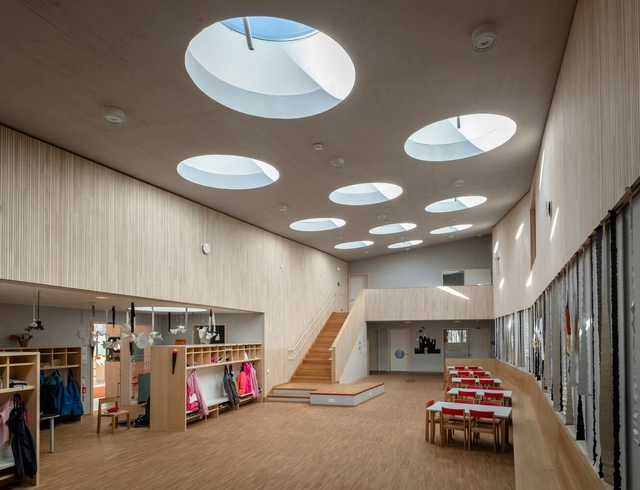
Our environment influences how we feel; we have all experienced this. For students, it is easier to study in a bright place, artists look for inspiring atmospheres, and our mood can improve with the right color scheme. These aspects are also important for kindergartens, daycare centers and schools, because a child-friendly design can stimulate the curiosity and imagination of children, so that they learn in a playful way. The design of a room supports the learning and creativity of children. Daylight systems, for example, flood rooms with light, making them appear larger and friendlier.
Meet 2022 Pritzker Architecture Prize winner, Francis Kéré, Burkina Faso-born black architect, in an interview about his architectural philosophy, with Louisiana Channel. As the official statement of the Pritzker Architecture Prize notes, “Through buildings that demonstrate beauty, modesty, and invention, and by the integrity of his architecture and geste, Kéré gracefully upholds the mission of this Prize”, continually “empowering and transforming communities through the process of architecture.”
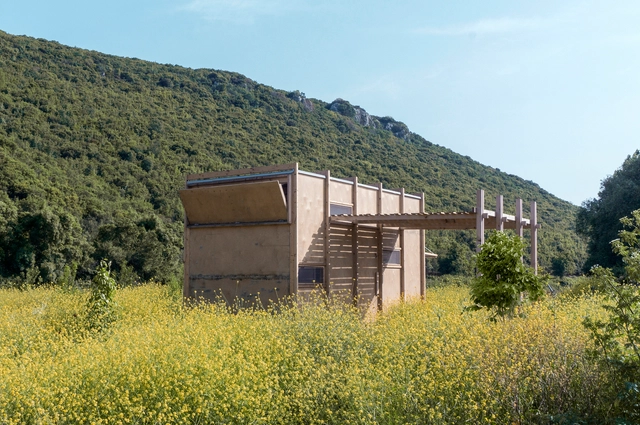
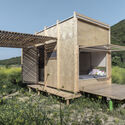
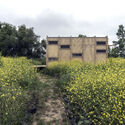
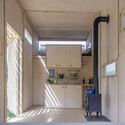
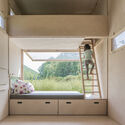
Architects Sevince Bayrak and Oral Göktaş from SO? Architecture&Ideas were attracted to the idea of having the opportunity to escape the urban bustle of Istanbul into a natural setting, and in 2017, they designed and built the Cabin on the Border. Since its completion, the project has undergone several changes, and the dwelling experience prompted the architects to re-evaluate their initial ideas and assumptions and change how they see the tiny house typology. Five years after the project's design, the architects share what they've learned from living in a tiny house, providing valuable insight for the design of such projects.
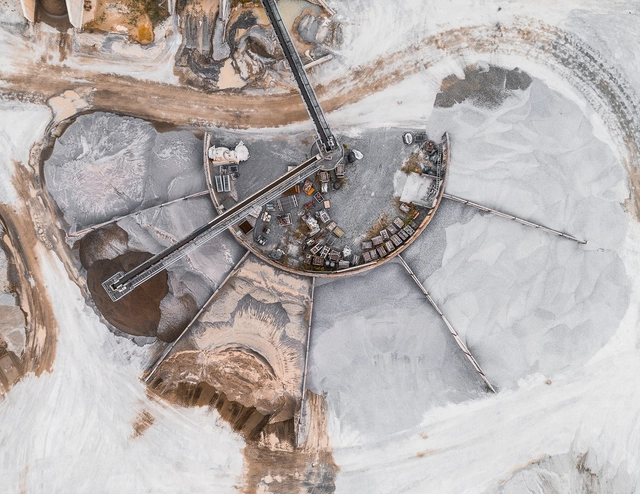
As with any industry, most skills are acquired through years of hands-on working and problem solving, and not just what's taught at school. For fresh architecture graduates, engaging with general contractors, engineers, and builders during their first site visits might feel overwhelming, especially since they are exploring the practical side of the practice.
Among the many things acquired on site are the terminologies used by construction workers that may not have been necessarily taught at school. And while an architecture dictionary might seem like the most suitable solution, carrying around a book with over 25,000 terms such as Cyril M Harris' Dictionary of Architecture and Construction wouldn't be the most convenient on a construction site. This is why we have put together list of 50 construction terms and concepts that every architect will come across at least once during their practice.

"A city of rooms" is a research work by architect Paula Olea Fonti that focuses on the study of shared housing, which is one of the most common ways for young students and professionals to live in the city. A popular and ordinary house, if you will. One that many architects would distinguish for its low architectural value.
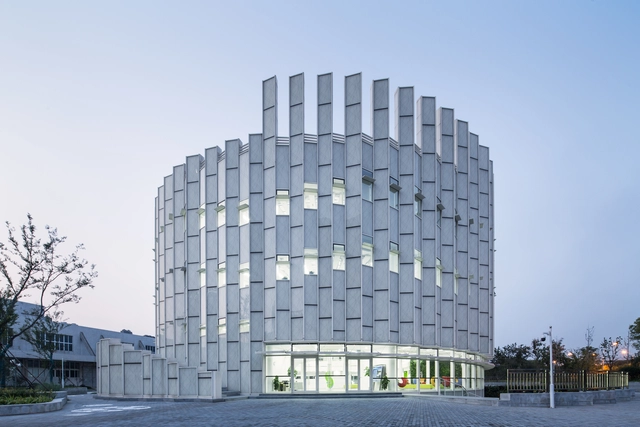
Climate change mitigation has become a priority issue, with the architectural industry accounting for 38% of global energy-related CO2 emissions. In December 2015, the Paris Agreement proposed to limit global warming to less than 2 ℃ above pre-industrial levels and strive for no more than 1.5 ℃. The architectural industry must achieve net zero carbon emissions by 2050 in order to meet the Paris Agreement's goal.
China proposed at the 75th Session of the United Nations General Assembly on September 22, 2020, that "China will work to peak carbon dioxide emissions before 2030 and achieve carbon neutrality by 2060." It has defined its carbon neutrality goal and execution approach in order to solve global climate and environmental concerns effectively.

This article was originally published on Common Edge.
In the early 1980s, when I first saw the film The Social Life of Small Urban Spaces and then read the book, both by William H. Whyte, I was enthralled. I had met Holly, as he was affectionately known, while I was still a reporter at the New York Post in the 1970s, and we had great discussions about New York City, what planners got wrong, what developers didn’t care about. By the 1980s I was at work on my first book, The Living City: Thinking Small in a Big Way, and having conversations with Jane Jacobs, who would become my good friend and mentor. Jacobs had validated the small, bottom-up community efforts around New York City that I was observing and that would be the too-often-unacknowledged sparks to jumpstart the slow, steady rebirth of the city. My observations were resoundingly dismissed—even laughed at—by professional planners and urban designers, but they were cheered and encouraged by both Whyte and Jacobs, and today they are mainstream.

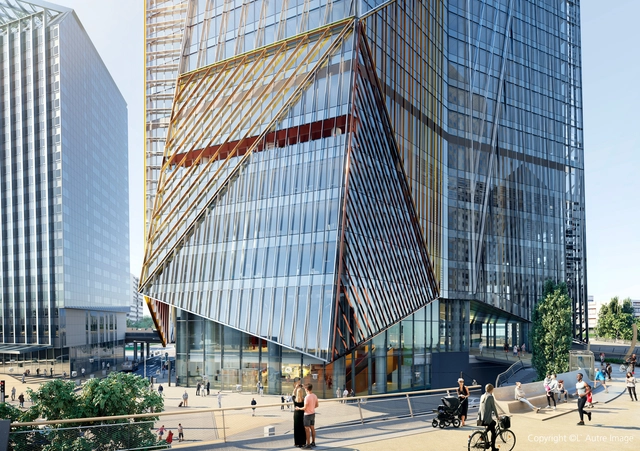
Overtaking the Tour First skyscraper, the 48-story, 220-meter HEKLA Tower will be the tallest building in Paris’s La Défense business district, as well as the second tallest building in all of France. Currently under construction and designed by Pritzker prize-winning Jean Nouvel, it is set to become a powerful architectural statement. Due to complete this 2022 in the midst of the sector’s redevelopment program, the futuristic skyscraper spreads over 76,000 sqm of floor area distributed in offices, services, lobbies, an amphitheater, projection rooms, performance halls, restaurants, bars, gyms and loggias. All of this with the aim of providing a unique user experience with vast, flexible workspaces that promote interaction and well-being.
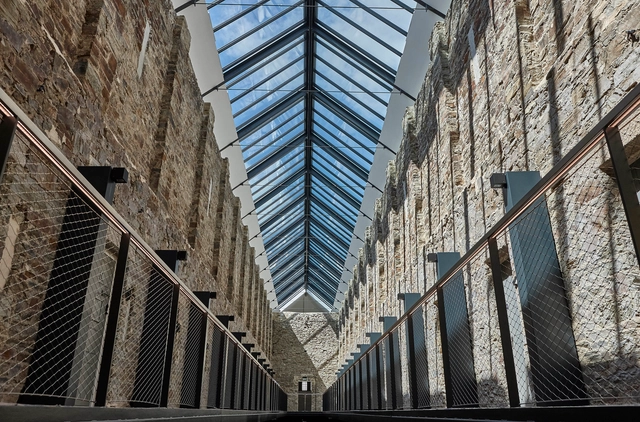
Commercial building refurbishment projects present architects with design challenges. Transforming 18th century Bodmin Jail into a modern hotel meant an acknowledgement of restrictions in relation to the building’s infrastructure. Listed buildings often have construction regulations to preserve historic and architectural interests, impacting thermal comfort and how daylight is introduced to transform building spaces.
These design challenges can make architectural planning appear more complex, particularly when a building is being repurposed. Common challenges include sourcing materials to replicate or meet existing infrastructures. The adaption of floor plans, consideration of user comfort and introduction of technology in planning phases, also influence contemporary design. The Bodmin Jail Hotel required skylight installations that could work within an existing and iconic sloping roof.
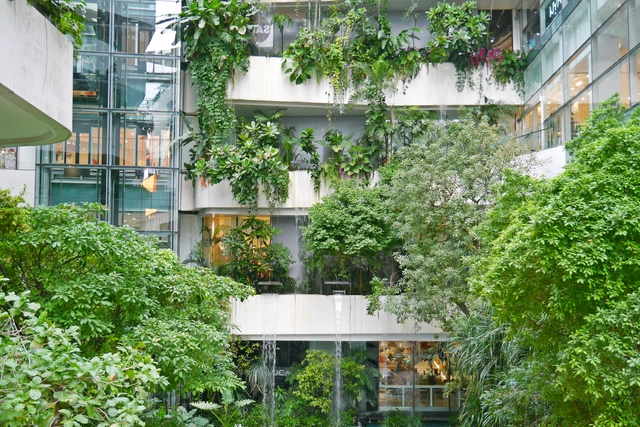
Nowadays everything is “painted” green. It's green packaging, green technologies, green materials, green cars and, of course, green architecture. A “green wave”, stimulated by the environmental and energy crisis we are facing, with emphasis on climate change and all the consequences linked to global warming. This calamitous situation is confirmed by the second part of the report entitled Climate Change 2022: Impacts, Adaptation and Vulnerability prepared by the Intergovernmental Panel on Climate Change (IPCC) and presented in recent weeks. It reveals that, although adaptation efforts are being observed in all sectors, the progress implemented so far is very low, as the actions taken are not enough.

A carbon neutral building is achieved when the amount of CO2 emissions is balanced by climate-positive initiatives so that the net carbon footprint over time is zero. Considering their unmatched ability to absorb CO2, planting trees is often viewed as the best carbon offsetting solution. But as cities become denser and the amount of available horizontal space for green areas drastically reduces, architects have been forced to explore other approaches. Therefore, to address these climatic challenges and connect people to nature, exterior green walls have become a rising trend in increasingly vertical cities. Even if there is research to claim that these can positively impact the environment, many question if they can actually contribute to a carbon neutral architecture. Although the answer may be quite complex, there seems to be a consensus: green walls can be effective, but only through good design.
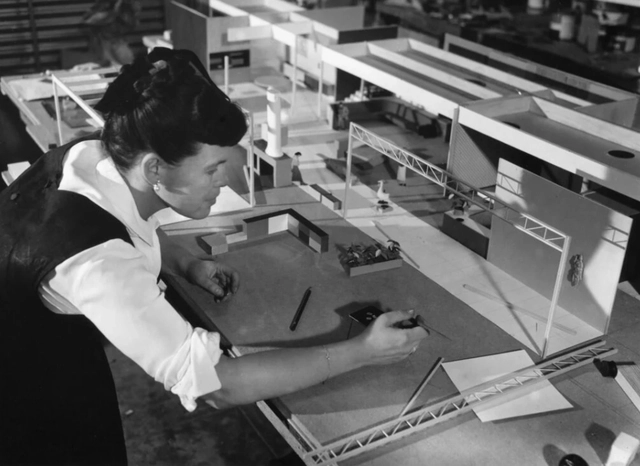
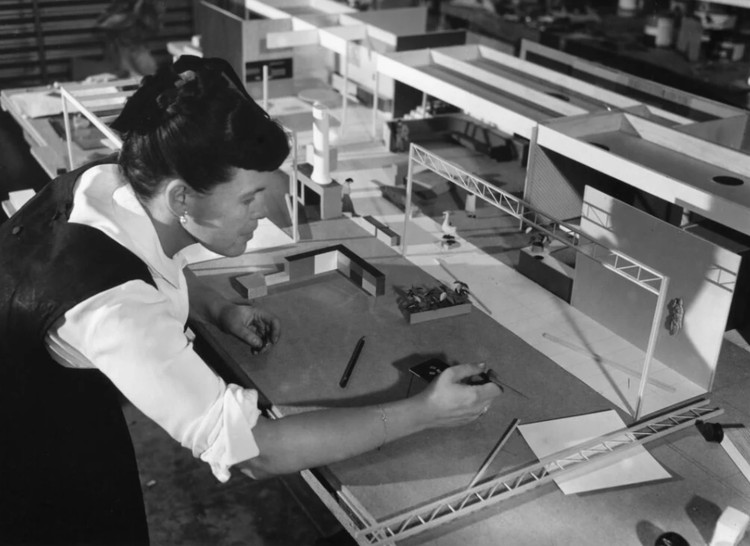
On the heels of the Eames Office’s 80th anniversary marked by an exhibition and a Ray-inspired sneaker, director Eames Demetrios spoke to Metropolis about the matriarch who continues to inspire design.

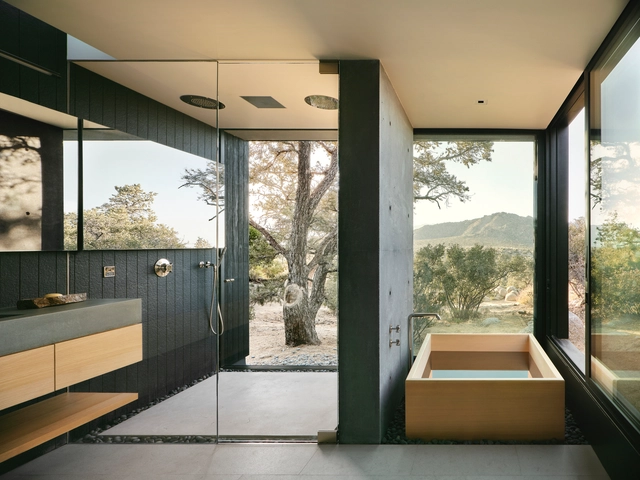
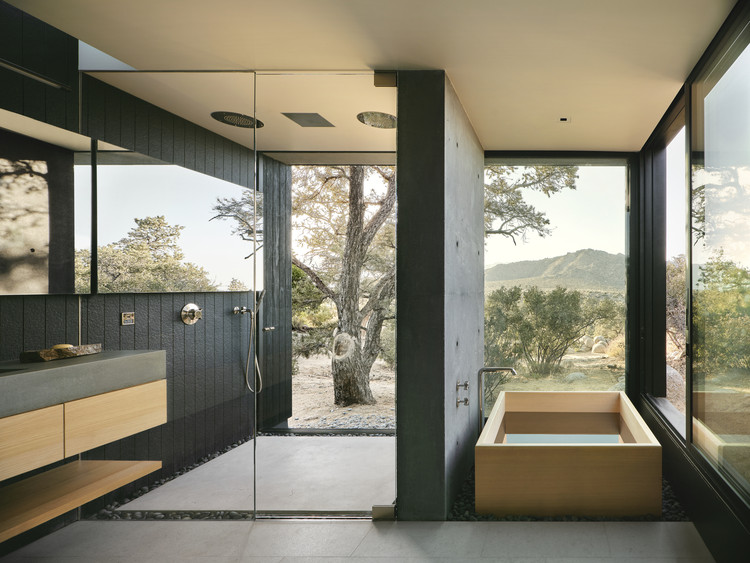
Despite being the smallest rooms of houses, bathrooms have always been one of the most challenging and critical to design, which often left them fairly simplified. The past few years, however, saw these spaces undergo significant change; what was once only limited to functionality, ease of maintenance, and privacy, is now being given a strong character with pops of color, classic fixtures, and patterned surfaces. Similarly for public bathrooms, where "functionality" and "ease of maintenance" are now complimented with aesthetics, technology, and high quality finishing. In this interior focus, we explore the three main bathroom typologies used in residential projects, and look at how architects have employed them through 12 examples.
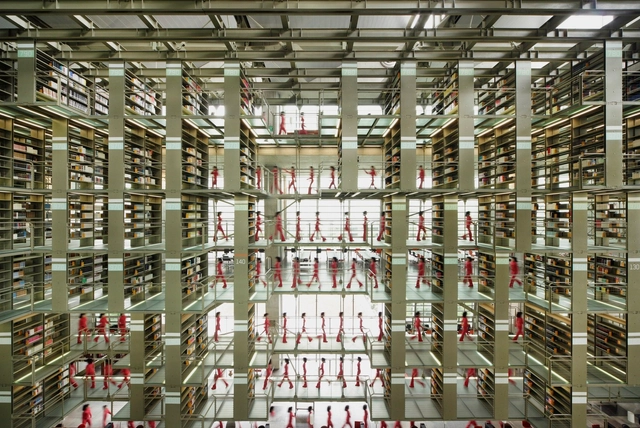
Over the years, interior design has evolved according to the needs that arise, but above all according to the experiences we seek to provoke in the user. In the last two years, we witnessed a radical change and a particular interest in this subject because the pandemic forced us to pay specific attention to the configuration of the places we inhabit. This brought about much more holistic designs that cater to the wellbeing of the user, combining colours, sensory experiences, technology and natural elements that promote health.
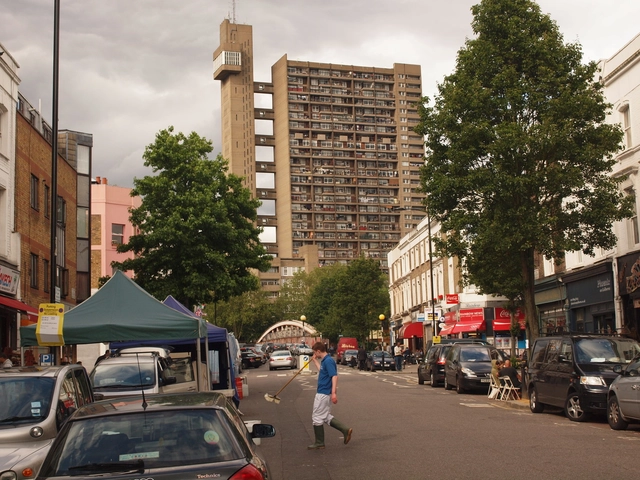
For centuries and centuries we’ve built – and the diversity in our global built environment is a testament to that. The many different cultures around the globe have had different ways of building throughout history, adapting locally found materials to construct their structures. Today, in our globalized present, building materials are transported across the globe far from their origins, a situation that means two buildings on completely opposites sides of the world can be more or less identical.

Tragedy, protest, insurrection, and political turmoil have led to a renewed awareness of racial injustice and democratic instability. These issues create new challenges for users and designers of public spaces in America. Cultural spasms have resulted in contested public spaces — sites of killings, protests in streets and parks, and forgotten burial grounds. These spaces need a new form of environmental justice.

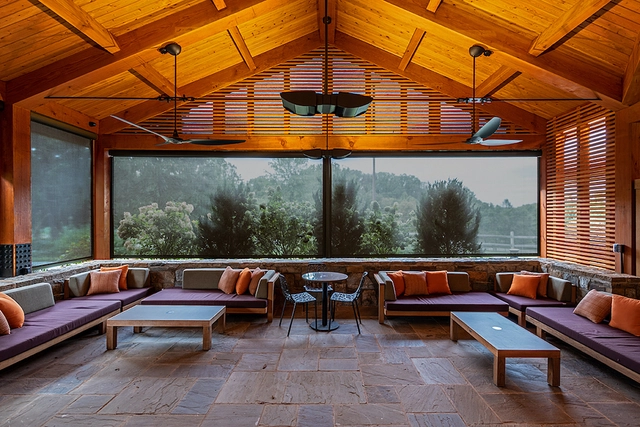
Comfortable outdoor spaces are more desirable than ever. Over the past couple of years, people have been spending more time at home, connecting with nature from the relative comfort of covered balconies, patios, and pergolas. But even with pleasant views, cooling breezes, and the warmth of the sun, covered outdoor spaces can be uncomfortable. Temperature variations, glare, rain, and wind quickly create an unpleasant experience. In warmer climates, insects can be an additional a nightmare.





.jpg?1648133923 "Burkina Institute of Technology (BIT) / Kéré Architecture. Image Courtesy of Francis Kéré")