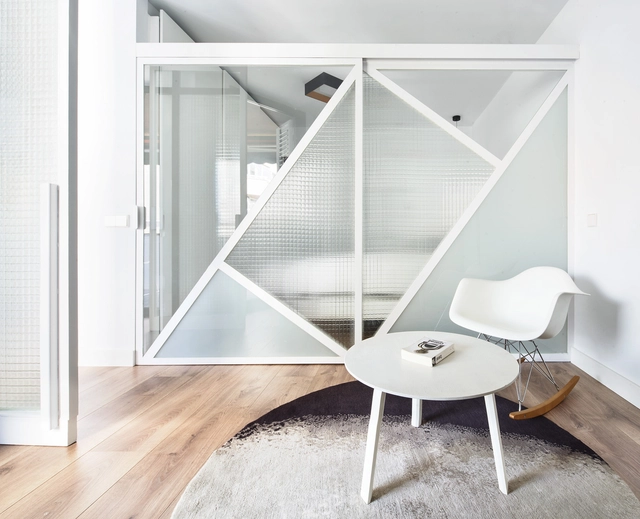
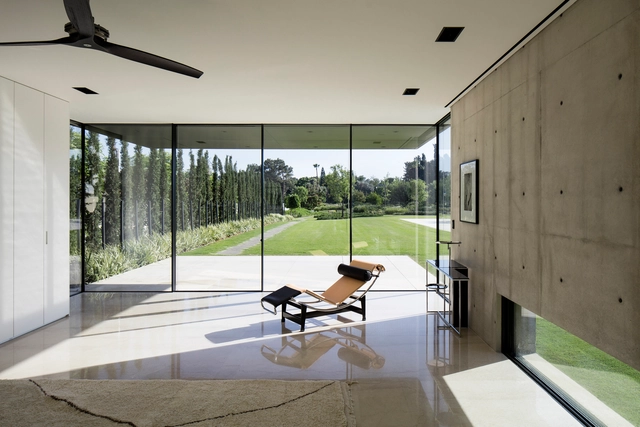
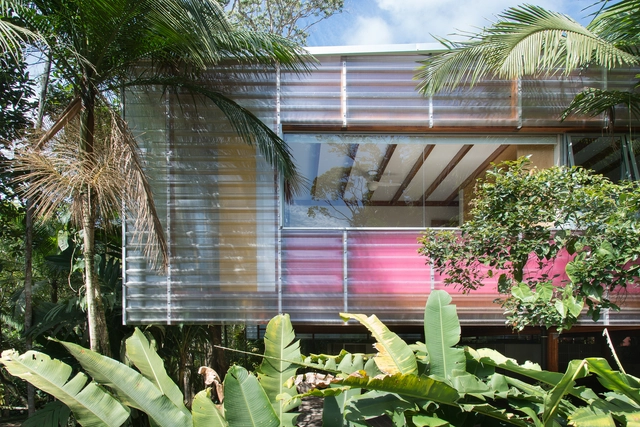
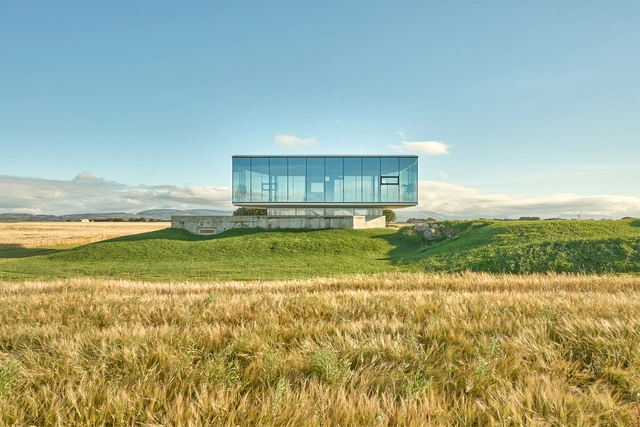
Glass is one of the most important discoveries of mankind. Originally used as a cutting tool, it has been around for about 75,000 years. The first records of glass making, however, date back to the Egyptian and Mesopotamian. Since then, the mastery of the manufacturing technique has been developing in different civilizations and nations until the Industrial Revolution popularized the material and allowed its production on a large scale. In architecture, glass was first used as a sealing element around 100 AD.
Besides reflecting the aspirations of a society, public spaces also configure the scenarios in which new ideas of coexistence and the collective can emerge from their qualities. Thinking about the streets, squares, parks, and even nature is a way of dealing with common ideals and ensuring the social dynamics in the relationship between bodies and the environment.
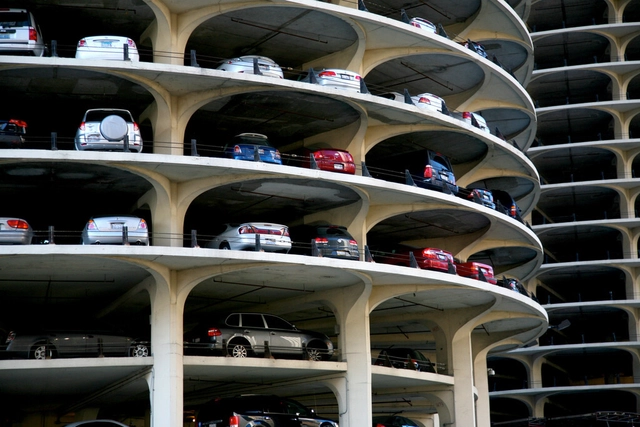
For every car that drives on the road, we need to find a place to put it- but are parking garages the answer? Parking garages are often seen as the antithesis of people-friendly urban planning. Large gray boxes are used solely to store cars that make temporary visits and seem like a poor use of space, especially in cities where land comes at a premium. Because of these garages, urban cores have quickly been transformed into parking districts, where vehicle storage dominates the aesthetic of a business district. Building codes only contribute to the problem, where the number of spaces is passed down as a mandate, even spreading out into suburban areas. Parking garages are everywhere- flanking shopping malls, connecting to residential towers, and surrounding sporting venues.
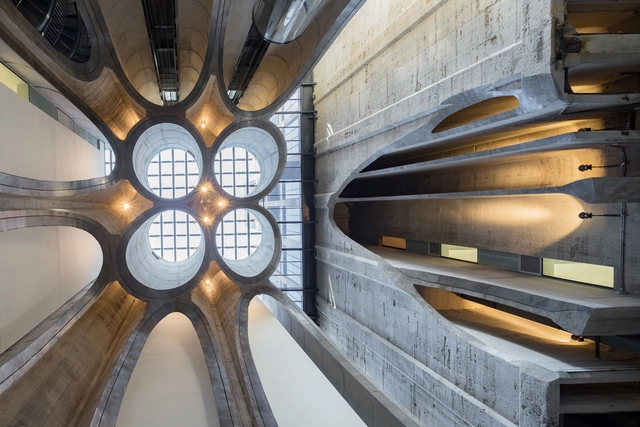
Hulking, imposing, and utilitarian, silos are an enduring urban feature, structures typically used for the storage of materials in bulk. They are important physical elements of the agricultural industry, storing grain, fermented feed, and other foodstuffs. These tall, typically cylindrical forms remain the subject of architectural fascination — from being symbols of technological progress for Modernist architectural figures of the early 20th century, to in contemporary times, instigating inventive approaches to adaptive reuse.
Le Corbusier once described architecture as “a learned game, correct and magnificent, of forms assembled in the light.” Natural light –and its accompanying shadow– plays a crucial role in shaping our perception of architecture, serving a long list of functions that define how users experience, engage and interact with buildings. From illuminating and accentuating to enhancing views and evoking warmth, the presence of daylight has the power to set a room’s tone and aesthetic language. It even has a significant impact on human health and well-being, including boosting mood and productivity, regulating circadian rhythms and reducing eyestrain and headaches –it makes our lives brighter, literally.
The use of translucent materials in Brazilian architecture has been a growing trend in recent years. Translucent laminated glass, polycarbonate and acrylic are just a few of them. They have different advantages and disadvantages regarding cost, impact resistance, and thermal and acoustic insulation. What outlines the common benefit between them is the constant dialogue they provide between interior and exterior.
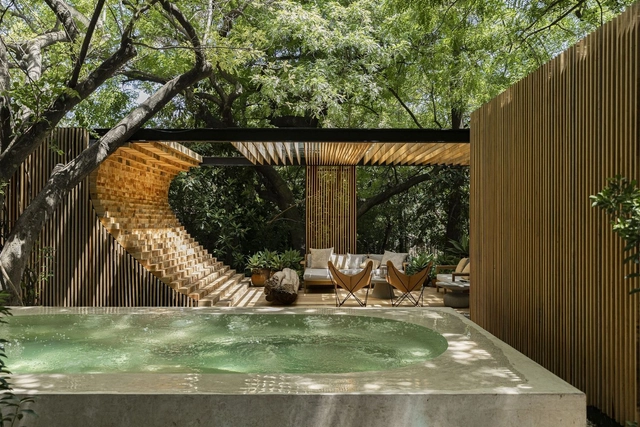
Residential swimming pools are nothing new, but they have become an unique component of modern living. Increasingly popularized, pools became a status symbol and a residential recreation element. Today, private swimming pools can be found across the world, and in many different climates. As more pools were built, so too were structures that could house equipment and pool amenities, as well as guest rooms or living quarters. These “poolhouses” were designed as spaces for accommodation, storage, and maintenance.
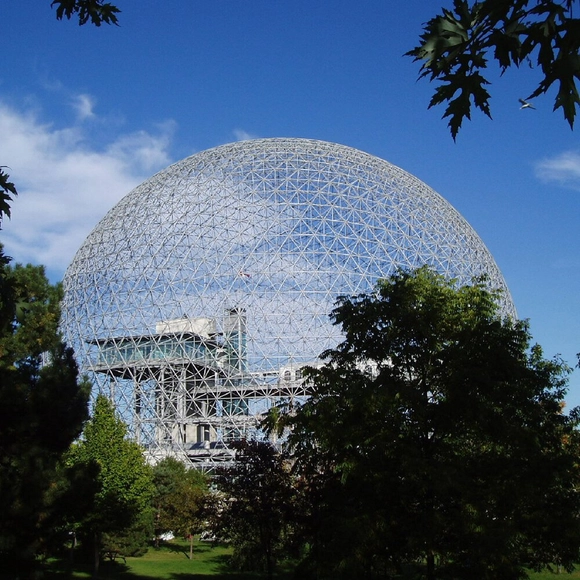
Today we know R. Buckminster Fuller primarily through his oeuvre of iconic objects and ideas created over the arc of a nearly 90-year life. Born in the last decade of the 19th century, Fuller lived long enough to hang out with Steve Jobs. He’s variously described as a “systems thinker,” perhaps the first “futurist,” a visionary, engineer, geometer, and architect (he won the AIA Gold Medal in 1970). But “inventor” is probably the most accurate description. Historian and writer Alec Nevala-Lee’s 2022 biography, aptly titled Inventor of the Future: The Visionary Life of Buckminster Fuller (Dey St. Books), tells a nuanced story of the man known for geodesic domes; space frames; “Spaceship Earth”; the Dymaxion map, house, and car; and concepts such as tensegrity, synergy, and “ephemeralization” (“doing everything with nothing at all,” as he described it).
https://www.archdaily.com/998130/bucky-fullers-most-complex-invention-may-have-been-himselfMichael J. Crosbie
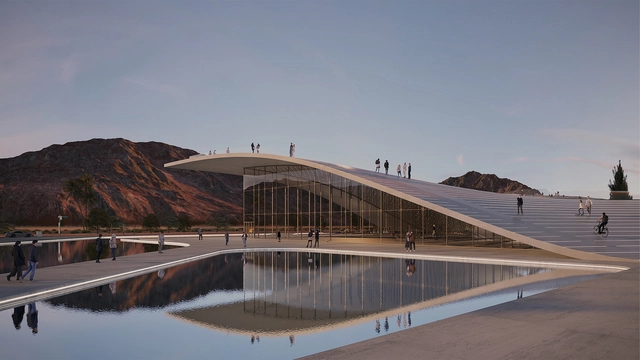
In any city, cultural centers can play a significant role in preserving and celebrating the community’s heritage and history, officing space for a vast array of activities and initiatives to encourage social interaction and the sharing of ideas and memories. They are also institutions that promote education and learning, often offering classes, workshops, and lectures on various topics related to culture, history, and the arts. By fulfilling these crucial roles within a given community, they can also become attractive centers for tourists eager to learn about local identities, cultures, and traditions.
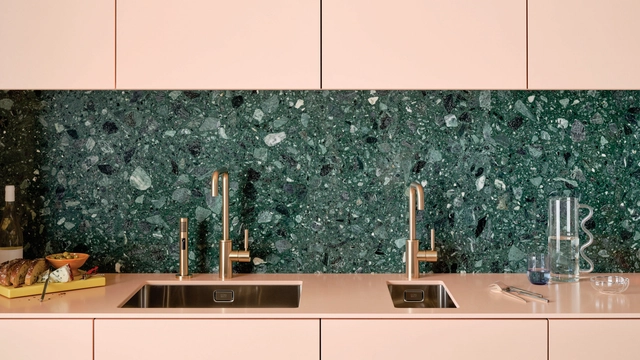
META SQUARE Brushed Champagne. Image Courtesy of Dornbracht
Appropriate fittings are as crucial to interior design as any other prominent feature, enhancing aesthetic appeal and providing the finishing touches to a space. Considered spaces where some of our most basic needs are met, kitchens are ideally designed to suit the lifestyles of its inhabitants, and can include customized fittings with diverse faucet systems, functions and finishes. Seeking style and functionality, we showcase a round-up of Dornbracht’s latest series of kitchen faucets, which seamlessly integrate cutting-edge refinements with timeless design to create versatile living spaces.
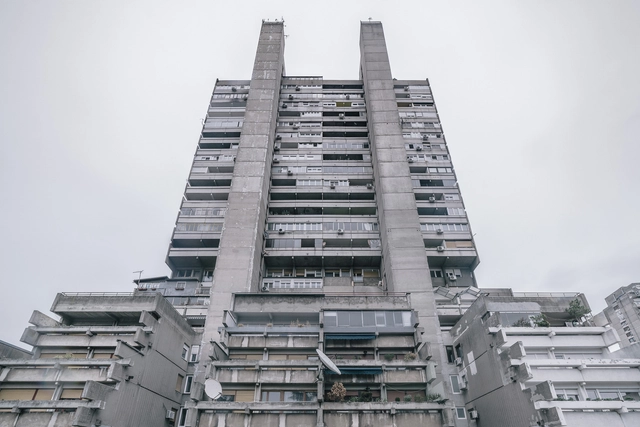
Brutalism is a deeply dividing architectural style - a subcategory of the Modernist movement that featured bare concrete finishes, unusual shapes, and an undoubtedly unique aesthetic. Whilst emerging into prominence in 1950s Great Britain, the most iconic examples of this architectural style are arguably found in Eastern Europe - particularly in the territory formerly known as Yugoslavia.
Whenever light falls on a surface there will be a shadow, no matter how insignificant its focus is. The outline will hardly be visible, but other shapes will come to the fore in this play of light and dark. In the case of being projected by solar dance, a latent dynamic is added to the shadows that can be used to intensify everyday phenomena, breaking the monotony of space. Orthogonal openings in a long corridor or woven pieces in a courtyard are examples of constructive elements that create patches of light and shadow, bringing in addition to aesthetic delight and thermal comfort to its users. In this way, it becomes evident that these intangible elements are essential parts of an environment that, long before Louis Kahn declared the power of shadows, was already being manipulated.
As trivial as the act of flipping a switch and lighting up a room may seem, we've had to come a long way to have safe and reliable light sources. It is estimated that the first lamps were invented 70,000 years ago, consisting of hollowed out stones or shells filled with an absorbent material soaked with animal fat that could be ignited. The Egyptians, on the other hand, used decorated ceramic vessels filled with oil, which provided a constant flame. Candles were popularized during the Middle Ages, made of tallow (animal fat) or beeswax, and could be burned in simple candlesticks and chandeliers. It was in the late 19th century that Thomas Edison and his team invented an incandescent light bulb that could be mass manufactured and was economically viable, soon becoming the dominant form of lighting for much of the 20th century. Although it was a revolutionary invention at the time, we are now aware that these lightbulbs are not very efficient, and they were eventually replaced by fluorescent and, more recently, LED bulbs. But if we have already advanced so much in such a short time, what can we expect for the future of lighting, and more specifically, how will our interiors be lit in a few years or decades?
David Chipperfield, laureate of the 2023 Pritzker Prize, has designed over a dozen museums throughout his career, with some still under construction. As a typology that has significant urban and social impact, Chipperfield and his team have skillfully leveraged each commission to transform neighborhoods and cities while still honoring the essence of the place and what was there before. His museums make powerful statements without being obtrusive, and this is reflected in the choice of materials and the construction solutions used.
Like an oversized minimalism, Chipperfield gives the materials space to unfold and be understood. In his galleries and museums, the materials appear exposed, clean, and highlighted through contrast. They give character to the space while giving prominence to the art on display, generating suitable atmospheres for its proper appreciation. Regularity, continuity, and repetition help shape this background, while the filtered light finishes building the right scene.
Higher noise emissions, higher wind loads and a desire for greater energy efficiency – the structural requirements for façades in multi-storey residential buildings and skyscrapers are becoming increasingly demanding, for both new builds and renovations. This is the result of the urban densification that is taking place in response to the acute lack of available housing and the more extreme weather conditions brought about by climate change.
Sunshine has been an integral part of life ever since the sun and the earth began their merry dance. The feel-good ambiance provided by natural light is a recurring theme in human culture, from popular music, fashion, and photography, to our most luxurious environments.
But our bodies’ craving for sunlight is more than just a feeling. Scientific research has proven it helps our bodies to produce more melatonin which aids sleep and reduces stress, vitamin D which improves immunity and strengthens bones, and serotonin which fights depression. As well as helping us to live healthier and happier lives, research suggests the sun also helps us to live longer, too.
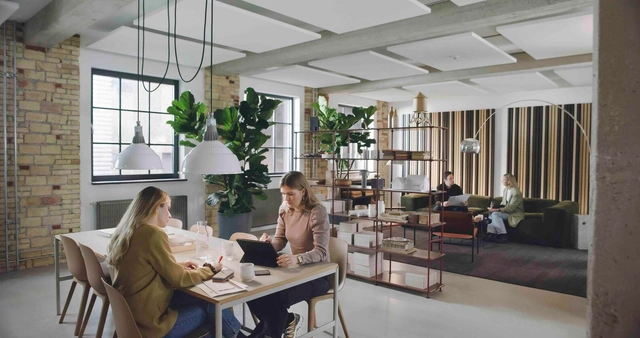
Rockfon are to host a debate about what it means to be human-centric when it comes to office design, and is expected to address everything from acoustic comfort to engendering community and inclusion. Image Courtesy of Rockfon
What’s more important, work or wellbeing? Should we have to choose? A ‘good work ethic’ –as in placing work before all else– used to be a badge of honour, certainly among generation X-ers who grew up with post-war parents and a recession to wrestle with just as they were getting going on working life in the 1990s. Today’s economic situation might present similar wrangles in securing a wage among their off-spring, so-called generation Z, but it is nevertheless this emerging set of workers that are teaching the rest of us that work at any cost –particularly that of our mental and physical wellbeing– should not be a life ambition.
https://www.archdaily.com/997709/the-art-of-human-centric-design-for-healthy-office-spacesEmma Moore
Contrary to what we might believe, hearing loss is not always congenital, but could sooner or later happen to any of us. According to the WHO, almost a third of people over 65 suffer from debilitating hearing loss. Yet from a certain perspective, hearing loss could be considered more of a 'difference' than a 'disability'. Although the spatial demands of people with hearing disabilities are not as noticeable as spaces for the blind or for those who experience reduced mobility, the reduction of hearing capacity does entail a particular way of experiencing the environment. Is it possible to enhance this experience through interior design?
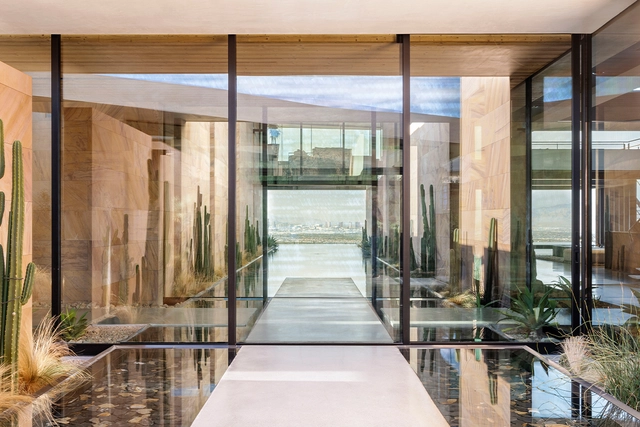
VM01 House / Blue Heron. Image Courtesy of Western Window Systems
A home’s entry is often its first impression, and modern architects are using large scale glass to create impressions that are dramatic, surprising, and uniquely welcoming. See how six architects designed unique entries for homes, regardless of size and location.
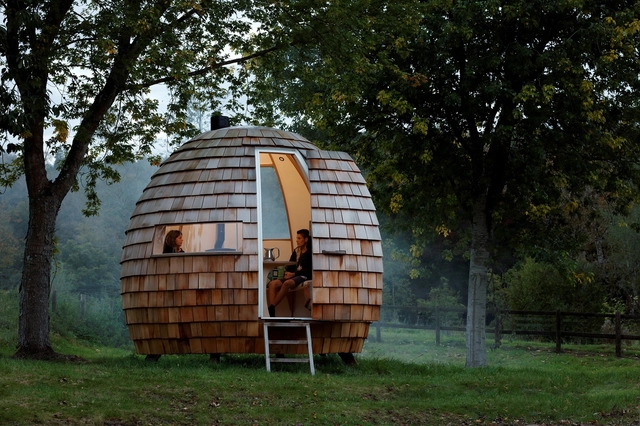
“With the forgiveness of the master [Le Corbusier], the house is a machine to carry with you and the city a machine to which you connect”. That phrase was said almost 60 years ago by David Greene, the founder of the English group Archigram. He was speaking on the presentation of the Living Pod, a capsule house that could be transformed into a trailer. The idea was that the structure could be connected and disconnected from the cities, forming the Plug-In City. Designed as an airtight capsule, the interior was small and comfortable, with multiple compartments. The Living Pod was one of many similarly utopian and daring projects by this group that seemed to have a fixation on nomadic and mutant structures like the Walking City and the Instant City.
Falling in love is easy. When eyes meet tufting over a crowded showroom, the beauty of a sofa’s slender legs, soft fabric skin, and inviting curves are like a siren song, blinding you from the truth. Then, six-eight weeks after the night before, the bubble bursts.
There’s nothing better after a hard day than cozying up on a comfortable sofa. In fact, there’s nothing better after an easy day either. But what if that settee stunner you fell head over cushion for, isn’t as nice to live with when you get it home?
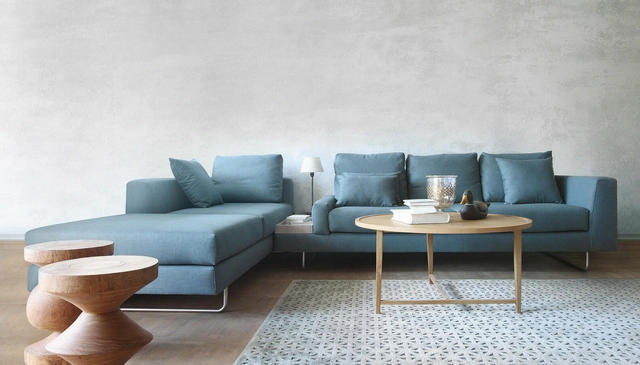
In order to avoid relationship pain (and neck and back), and ensure long-term compatibility, here are some rules for selecting the right sofa.
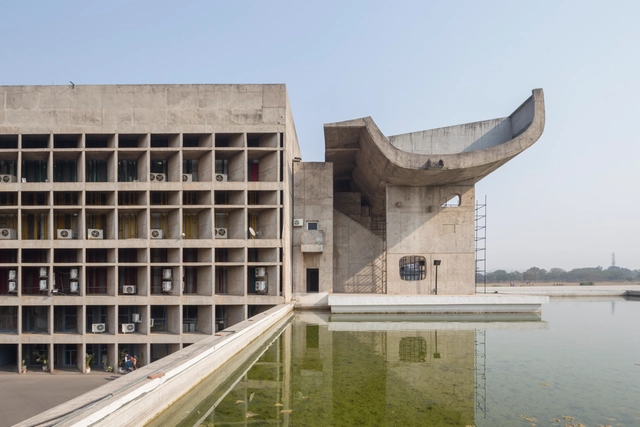
In 1950, the famous Le Corbusier was asked to design the new state capital of Chandigarh for Punjab following its separation and recent independence. The opportunity to create a new utopia was unparalleled- and is now seen as one of the greatest urban experiments in the history of planning and architecture. The city employed grid street patterns, European-style thoroughfares, and raw concrete buildings- the zenith of Corbusier’s ideals throughout his career. But what is lesser known about the ideation and realization of Chandigarh, was the woman who brought her experience of designing social housing across Africa to the project. For three years, working alongside Corbusier, and helping him design some of the best-known buildings in Chandigarh, was Jane Drew.
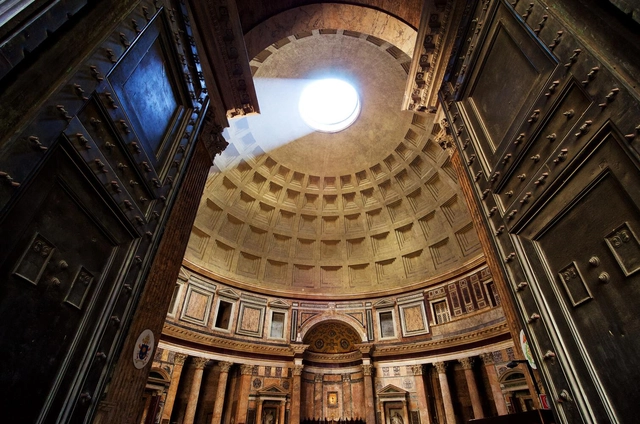
The significance of daylight in volumes of space exceeds its function of illumination. Light is a creative tool manipulated by architects to infuse a space with a metaphysical spirit, influencing the emotional states of its occupants. Having a phenomenological effect on the human psyche, light and shadow have been played with to invoke a sense of divinity and spirituality into the character of religious buildings. The interplay between architecture and light is a powerful one, shaping a deeper experience of spirituality.
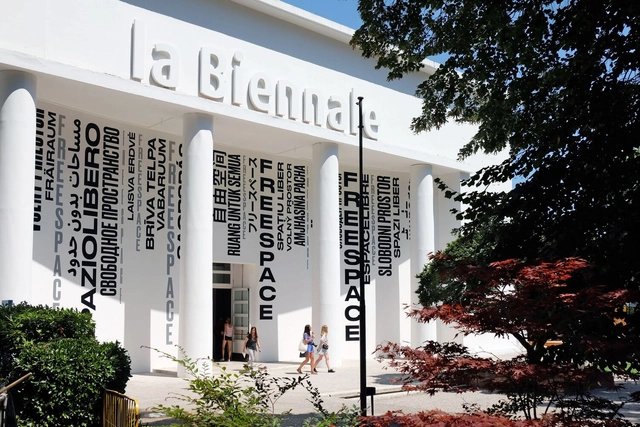
Since 1998, the Venice Architecture Biennale has been divided into three pillars: the national pavilions (each country chooses its own curators and projects), the international exhibition (curated by the Biennale's curator), and the collateral events (approved by the Biennale's curator).
In the 2023 edition of the event, the international architecture exhibition curated by Lesley Lokko is structured in six parts, including 89 participants. Over half of them are from Africa or the African Diaspora, with a 50/50 gender balance, and an average of 43 ages for participants.