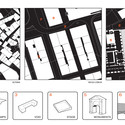
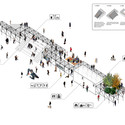
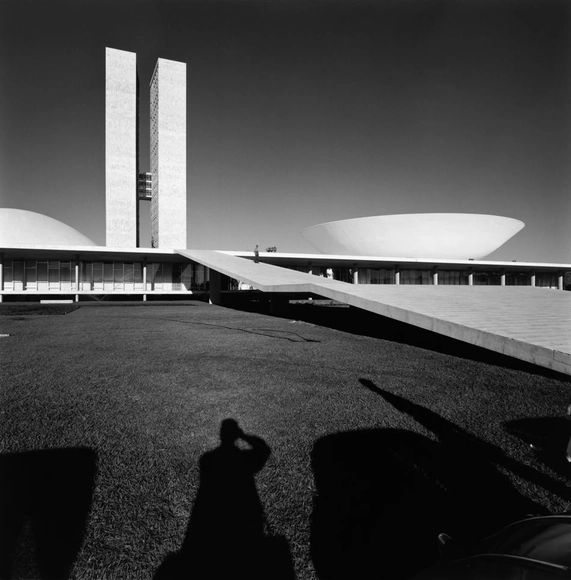
The United States Department of State (DOS) has released a request for information (RFI) in search of architects interested in designing a New Embassy Compound (NEC) in Brasília, the federal capital of Brazil. The (up to) $350 million, design-bid-build project will be located on a 4.86 hectares (12 acres) site near the seat of the Brazilian Government within the city's planned "Diplomatic Sector." All proposals must take in considering the site's conditions, the city planning context and the architectural significance of Brasilia as a 1956 urban planned city and now UNESCO World Heritage Site. More details after the break.
Eleven has launched its inaugural ideas and design international competition based on Cambodia’s Tonle Sap Lake: a chance for architects, designers and students to engage in a unique design challenge and help make a difference along the way.
Located just a few miles south from the magnificent Angkor Temples, the Tonle Sap Lake is the largest fresh water basin in Southeast Asia. It boasts a UNESCO biosphere status since 1997 due to its ecological significance as a haven for hundreds of species of birds and fish, many of which are endangered. The lake is also home to more than 1.2 million people living in traditional floating villages. These remote communities migrate seasonally around the basin and rely heavily on its waters for sustenance.
https://www.archdaily.com/636268/cambodia-2015-open-competition-seeks-proposals-for-floating-structures-on-tonle-sap-lakeSponsored Post
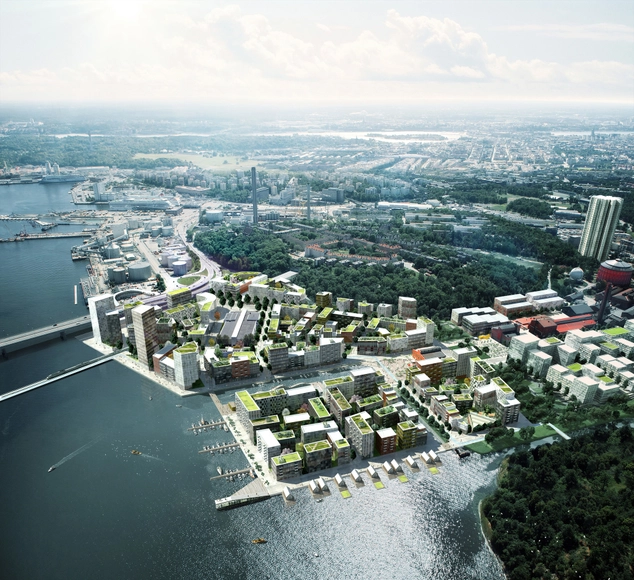
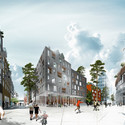
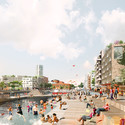
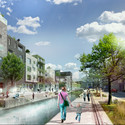
ADEPT and Mandaworks have been declared the winners of a design competition for an urban development in the Kolkajen-Ropsten area of Stockholm's Royal Seaport. Dubbed the “Royal Neighbour,” the masterplan is anticipated to provide more than 12,000 new homes, supply 35,000 jobs in the next two decades, and create a new cultural area.
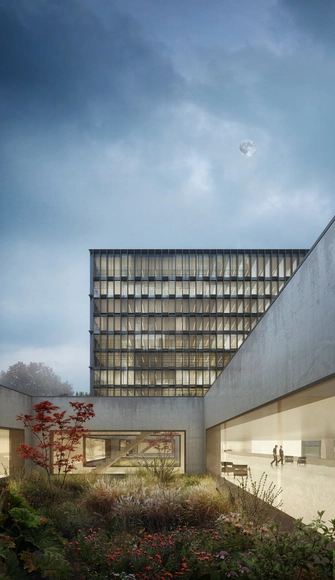
Berrel Berrel Kräutler has won the World Health Organization's (WHO) two-stage international design competition to expand its headquarters in Geneva, Switzerland. Employing a restrained approach, their design for a cubic office building will replace numerous temporary structures and unify the complex’s permanent infrastructure.
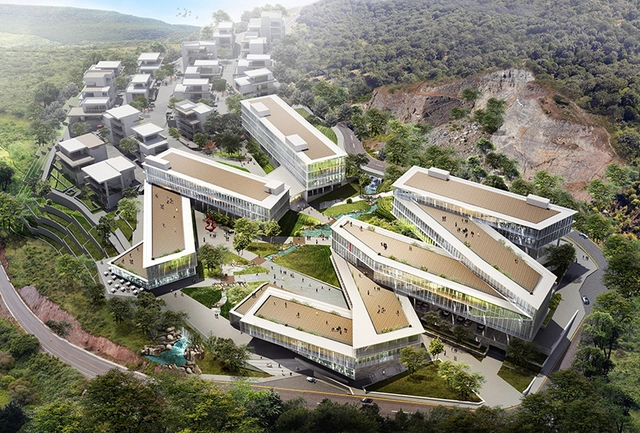
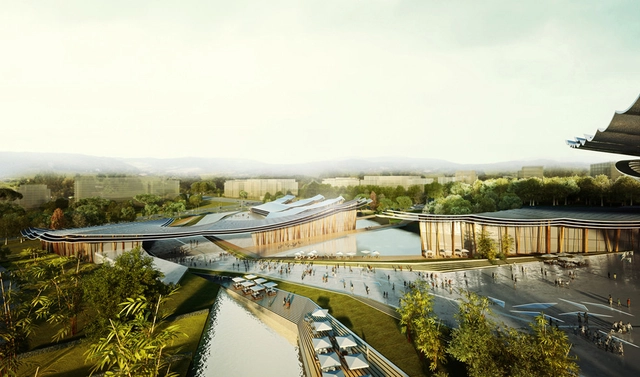
China-based firm PWD Architecture will soon break ground on Dali Creative Area, a mixed-use development in Dali City, in Yunnan province. The project took home first place in a 2014 design competition, and takes significant direction from the area’s landscape, employing a minimalist stepped-form that celebrates its setting. The development will include a hotel, restaurants, offices, retail and exhibition space. It is slated for completion in 2016.
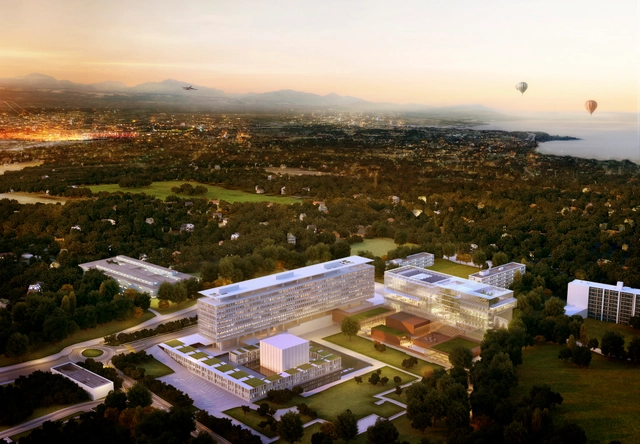
WHO Headquarters after intervention. Image Courtesy of Latitude Studio
Latitude Studio’s entry for the World Health Organization’s (WHO) design competition to expand its Geneva headquarters seeks to embody WHO’s sustainable and collaborative approach to enhancing universal health. Their design consolidates individual offices and open workspaces within one facility, maximizing areas for collaboration and communication, while solar panels and rainwater collection systems improve the building’s sustainability. If chosen, the proposal would become one of three main buildings at the WHO headquarters.
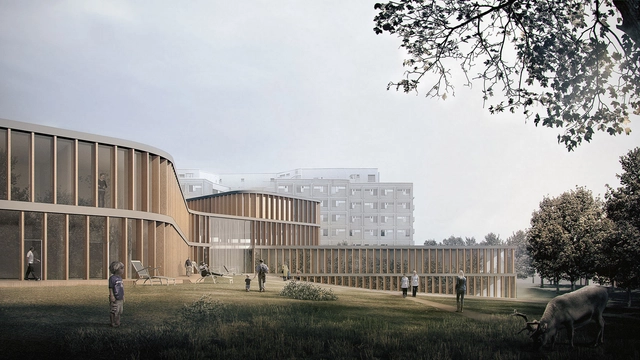
Finnish firm Verstas Architects has been awarded first place in a competition for the expansion of Finland's Lapland central hospital for their design of a functional complex of "healing architecture." Responding to the challenge of Finland's aging population and changes in municipal funding, the winning proposal reflects the "hospital of tomorrow," creating a flexible and functional space in conversation with its urban surrounds.
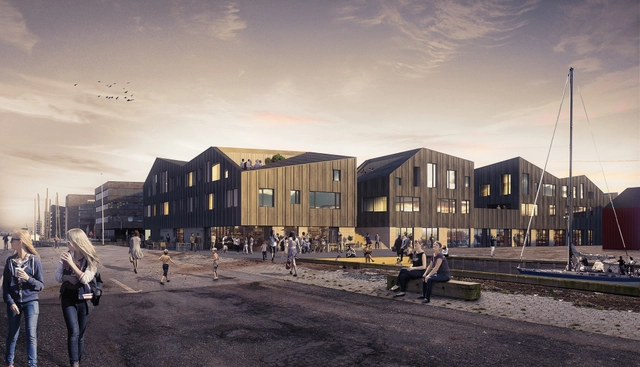
A team of architects from the Danish design firm Kullegaard have been awarded first place in a competition for the seaport municipality of Holbæk in Denmark. Seeking to form a connection with the surrounding architecture, their proposal for a mixed-use complex, entitled "Holbæk HavneBy," derives its form from the distinction of public and private spaces.
Read more on the $22 million proposal after the break.
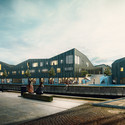
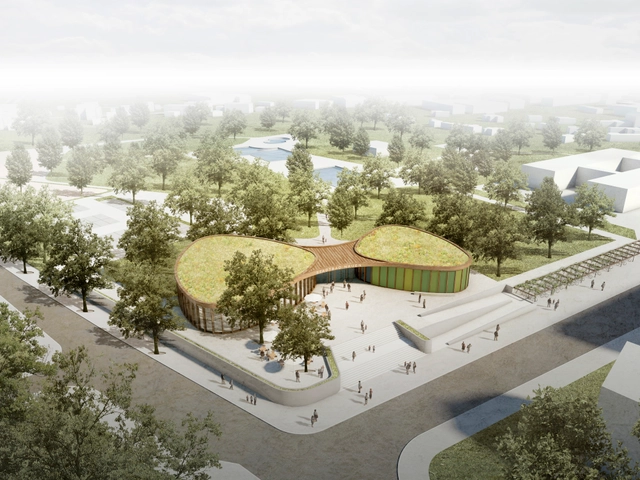
This first-prize competition winning proposal by nps tchoban voss and Hager Partner gives new life to the municipal outdoor pool facility in Nauen, Germany. Commissioned for future construction, the recreation center brings a multi-functional layout to the complex, activating the space year round and providing the public with a recreational hub.
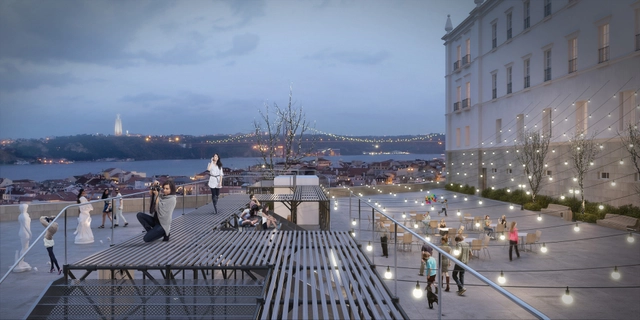
Recent graduates Bumjin Kim of MIT and Minyoung Kim of Columbia University have won first place in ARCHmedium's Lisbon Open Room competition for their project "Urban Platform".
One of 67 teams to enter the competition's "Young Architects" category, the team developed a modular urban intervention for Lisbon, Portugal, with the intention of "[providing] a more flexible space" for the city's urban centre. Learn more about the winning project and view selected images after the break.
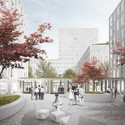
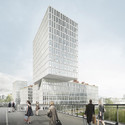
AZPML and SHARE architects have won a competition to the design a new prominent office tower in Vienna. The building, Schnirchgasse 11 “aims to strike a balance between a distinctive identity for the complex and an efficient operation, both in terms of flexibility of use and environmental performance,” by taking on a rhomboidal shape derived from the site’s geometry and shade conditions.
More about the competition-winning scheme, after the break.
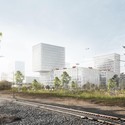
Wiel Arets Architects (WAA) has won a competition to design a cluster of four mixed-use towers adjacent to Munich’s Hirschgarten station. Each “horseshoe-shaped” building, perched upon a six to seven story plinth, will offer space for office, hotel and retail space as part of the “Am Hirschgarten” development.
Read on to learn more about WAA's winning proposal.
Spanish studio Rafael de La-Hoz and Chinese design institute Architectural Design and Research Institute of Harbin Institute of Technology (ADRI-HIT) have been announced as the winners of a competition to construct a new cultural centre in Meishan, China. Located in Sichuan province in the nation's south, the complex will combine a sports centre with five museums, a library, and exhibition hall.
Occupying a sprawling 260,000-square-meters, the new complex is sited near the campus of the University of Meishan, and responds to the terraced topography of Sichuan's rice paddies. Learn more about the project and view selected images after the break.
"It is refreshing to see how the Dutch have dealt with this design task," says the jury in regards to the team's community-centric, winning scheme. "The Dutch are one step further in thinking about how neighborhoods should function."
More about their winning entry "Neue Nachbarschaften," after the break.
The green interior courtyard. Image Courtesy of ADEPT
ADEPT has won a competition to design a new city gate in the German city of Flensburg along Bahnhofstrasse - a central urban axis leading to the city’s main station. Designed as a “small piece of the city,” the winning proposal adapts itself to the existing typology by combining different types of “facade expressions” that creates a “playful synergy between new and old.”
“The proposal gives us a unique chance to transform and influence our future city at a very high level of quality and creativity - Bahnhofstrasse can really become a real and vibrant piece of city,” says the client.
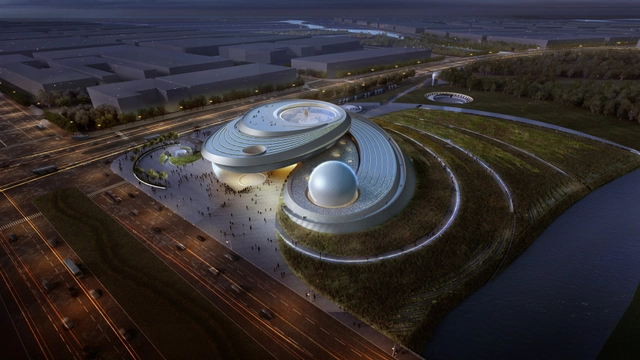
Ennead Architects has won an international competition to design the Shanghai Planetarium. The “celestial” design hopes to elevate the Shanghai Science and Technology Museum’s (SSTM) “scientific and technological capacity” while redefine the district Lingang upon its completion in 2018.
“Drawing inspiration form astronomical principles, our design strategy provides a platform for the experience of orbital motion, and utilizes that as a metaphorical reference and generator of form,” says Ennead Architects.
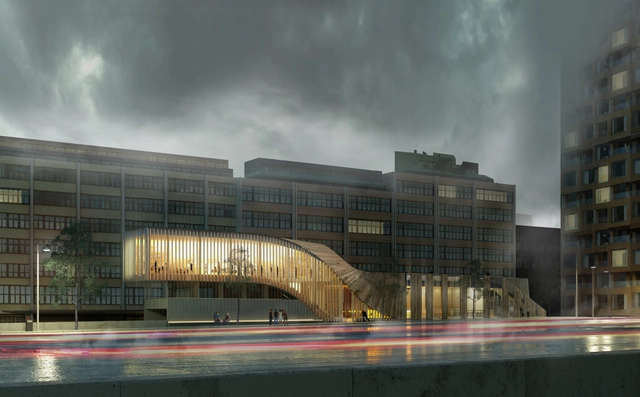
Named for its location at the intersection of Vasastaden and "the Haga city" of Hagastaden, Belatchew Arkitekter's "HagaTwist" has been selected by Atrium Ljungberg as the winner of an invited architectural competition for the construction of a public building in Stockholm. Envisioned as a "meeting place" for visitors, workers, and locals alike, the project will feature a flexible program and incorporate a restaurant and rooftop terrace.



.jpg?1432826267&format=webp&width=640&height=580)