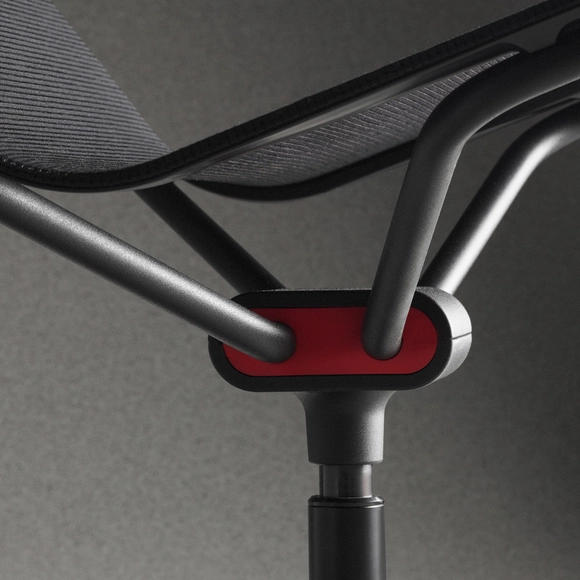
The D1 swivel chair family designed by Stefan Diez for Wagner keeps users moving with its innovative joint mechanism, while fundamentally changing our conception of how office chairs look.


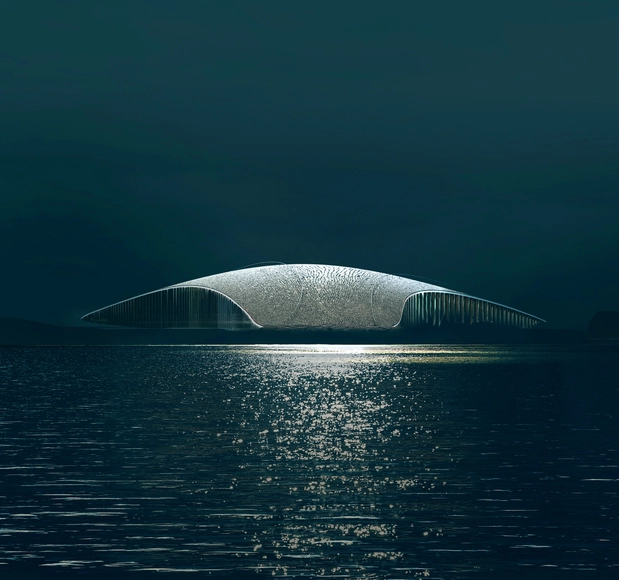
As architecture is increasingly reliant on renderings to convey its message and depict the unbuilt, many practices turn to seasoned 3D artists to help them portray their designs in the most favourable light; thus they externalize visualizations to a handful of firms.
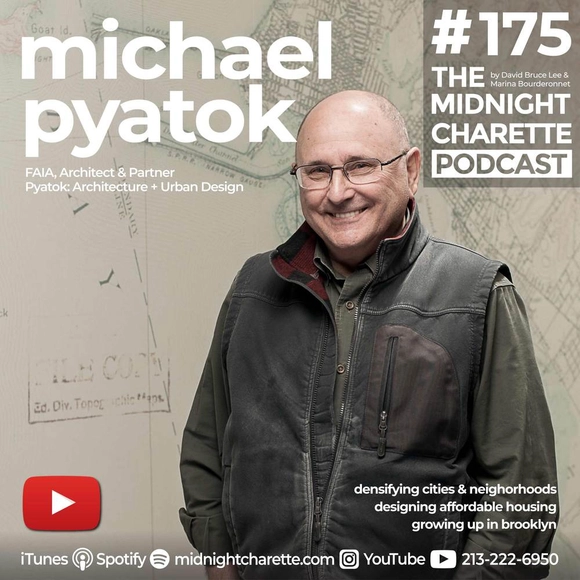
The Midnight Charette is an explicit podcast about design, architecture, and the everyday. Hosted by architectural designers David Lee and Marina Bourderonnet, it features a variety of creative professionals in unscripted conversations that allow for thoughtful takes and personal discussions. A wide array of subjects are covered with honesty and humor: some episodes provide useful tips for designers, while others are project reviews, interviews, or explorations of everyday life and design. The Midnight Charette is also available on iTunes, Spotify, and YouTube.

This week David and Marina are joined by Michael Pyatok, FAIA Architect, Educator, and Principal of Pyatok Architecture and Urban Design, to discuss his proposal for density in cities, growing up in Brooklyn, low-income housing design, working with communities, and more. This episode is part of a series produced with the support of the SF Urban Program, Architecture Department, Cal Poly. In 2012 Michael was inducted into the Marvin Design Hall of Fame and in 2013 the AIA awarded him its annual Thomas Jefferson Award for Public Architecture in recognition of his contribution to the design of affordable housing.
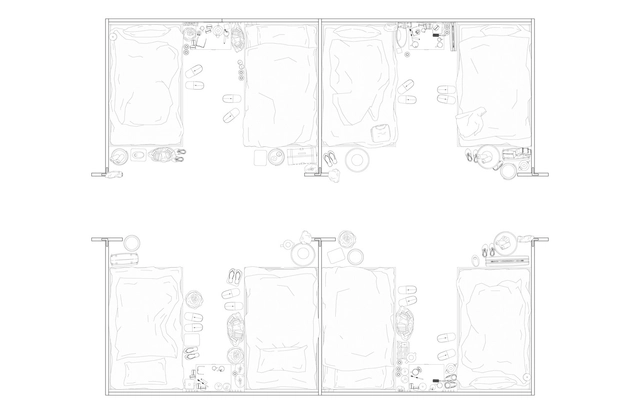
The work presented in this article is the outcome of drawings done by the students of the Graduate School of Design at Harvard University in their second-semester studio, conducted by Alfredo Thiermann (ThiermannCruz). The work was produced during a 6-week long period of distance-learning after the school was shut down at the beginning of March.
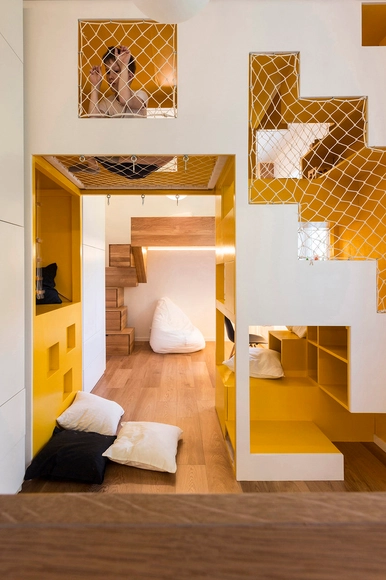
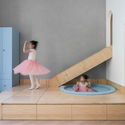
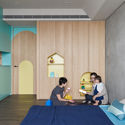
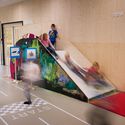
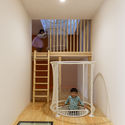
The environment we inhabit influences us directly. For kids, this environment must be especially safe and accessible, yet simultaneously stimulating, so that they can move and develop freely without jeopardizing their physical safety. We have already written about how to create playgrounds in interior spaces. Today, we put together a series of examples that use the warmth and versatility of wood to create interactive, creative, and fun interiors for children.

In the 1920s, work was completed on the Cité Frugès housing complex in Pessac, France. The project, meant to house Pessac's industrial workers, would be one of seventeen Le Corbusier works on UNESCO's list of World Heritage Sites.
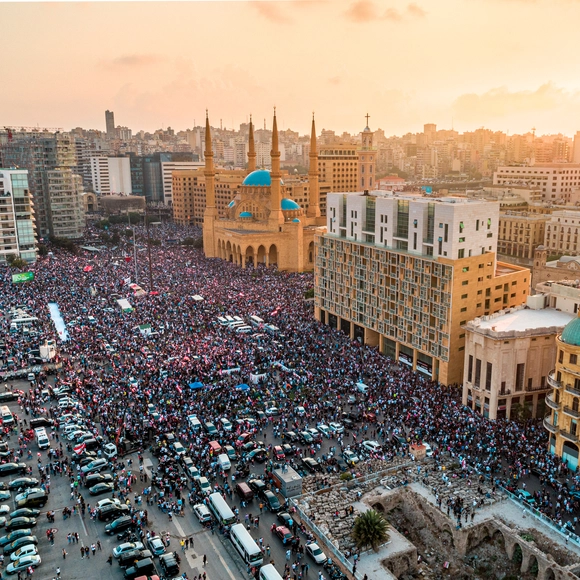
"Public space" is a legal terminology that tackles the notion of land ownership, suggesting that this type of parcel does not belong to anyone in particular, but to the state itself. Open, free, accessible to all, and financed by public money, these spaces are not only the results of planning, but the consequences of the public practices they hold. Actually, people define how public space is used and what it means.
Protests - powerful political tools for change - from the March on Washington in 1963, the Arab Spring in the early 2000s to recent Black Lives Matter Movements, are altering the world. In times like these, while people still need to "take their issues to the streets" to be heard and seen, public spaces have resurfaced as a topic of discussion.
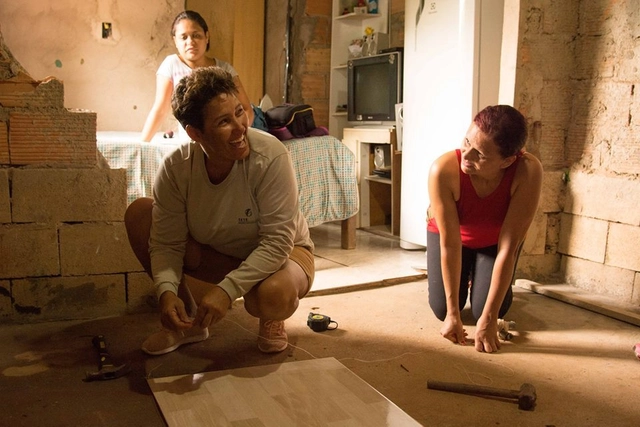
The spirit of the women who participate in the movements fighting for housing in Brazil is as hard as lime and wood. As a majority in land occupations, they vigorously coordinate organizational and political practices of settlement and popular housing construction. It is no wonder that many of the occupations of the MST (Landless Rural Workers' Movement) or the MTST (Homeless Workers' Movement) carry the names of women such as Dandara, a quilombo leader from the colonial period.

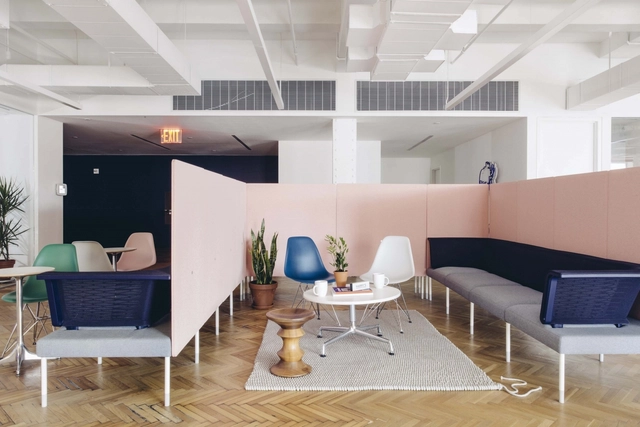
At ThinkLab, our passion lies at the intersection of specification and design, where we use research to improve communications between designers and manufacturers. Today, that research is helping companies within the interiors industry make critical business decisions as we face economic uncertainty. Here, we share some recent data and insights from our Industry Impact Survey—an ongoing research initiative that we invite you to participate in.

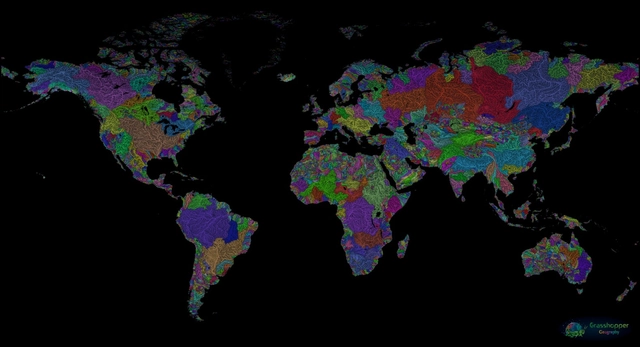
GIS analyst and Hungarian cartographer Robert Szucs has shared an impressive collection of maps that bring together all the drainage basins of the world in vibrant colors. Titled Grasshopper Geography, the maps showcase the rivers and watercourses of the world, featuring the basins of selected regions, countries and continents.
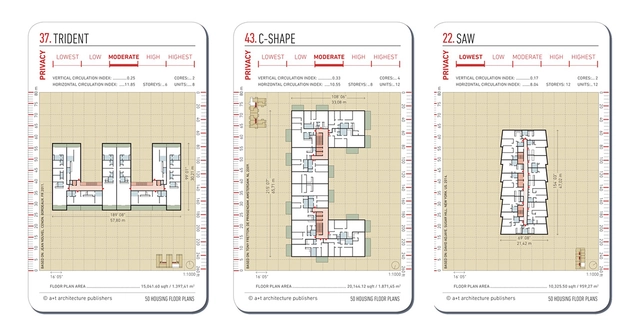
Following up on their series of urban block flashcards, Spanish publisher a+t architecture publishers launched in 2018 a new deck of cards featuring collective living floor plans as part of one of their series of cards about urban density, Density. As a courtesy to ArchDaily, the publishing house shared some of these expanded cards, both typical floor plans, and each unit, where you can see the designs and privacy parameters and openings to the outside of each project.
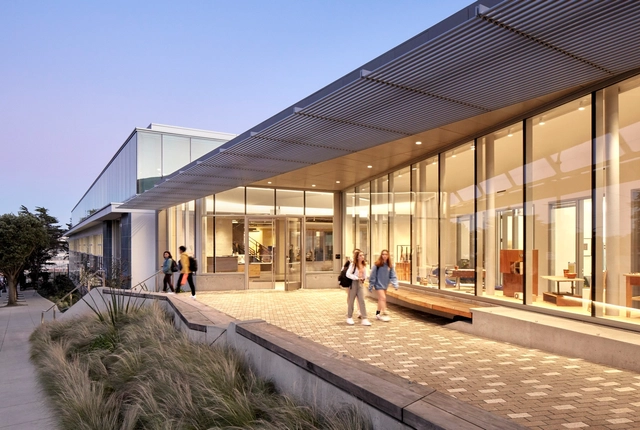
Architecture has an inherent role to the play in the global climate crisis. Buildings and their construction together account for 36 percent of global energy use and 39 percent of energy-related carbon dioxide emissions annually. Brad Jacobson is a principal at EHDD and a leader working to implement climate responsive design. Designing for the future, Brad synthesizes diverse perspectives to craft high performance solutions.
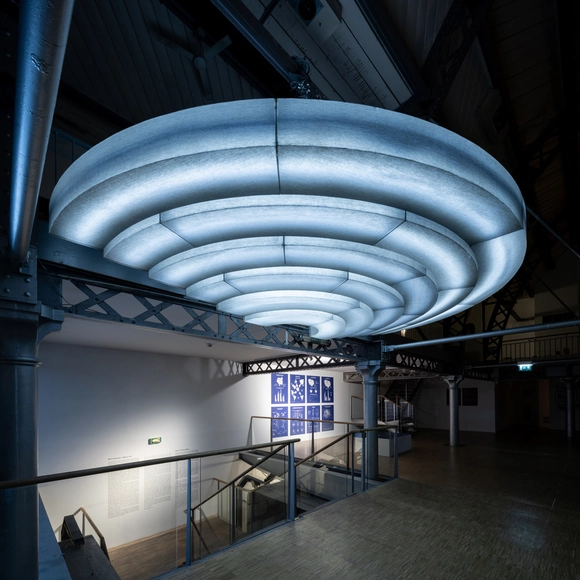
New Generations is a European platform that analyses the most innovative emerging practices at the European level, providing a new space for the exchange of knowledge and confrontation, theory, and production. Since 2013, New Generations has involved more than 300 practices in a diverse program of cultural activities, such as festivals, exhibitions, open calls, video-interviews, workshops, and experimental formats.
New Generations has launched a fresh new media platform, offering a unique space where emerging architects can meet, exchange ideas, get inspired, and collaborate. Recent projects, job opportunities, insights, news, and profiles will be published every day. The section ‘profiles’ provides a space to those who would like to join the network of emerging practices, and present themselves to the wide community of studios involved in the cultural agenda developed by New Generations.
Archdaily and New Generations join forces! Every two weeks Archdaily publishes a selection of studio profiles chosen from the platform of New Generations.


Nearly four months after the World Health Organization (WHO) declared a public health emergency of international concern on January 30, the number of coronavirus cases in the world continues to grow. Although some countries, where the virus transmission rate has declined, are reopening businesses and returning to normal, the impacts of the pandemic are continuing to influence people's daily lives, affecting not only the population's health but also their jobs, habits and the economy. Such changes may still endure and may have an impact on the future of architecture and construction, given the prospect of a crisis in the sector.
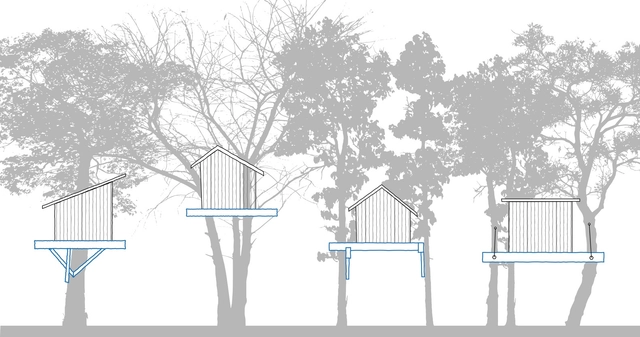
It is difficult to find someone who has never dreamed of building or having a tree house to call their own. The idea of a refuge, a space fully integrated with nature and with a privileged view, pleases almost all ages. There are examples of tree houses of all scales and complexities, from small elevated platforms to highly complex structures, including electrical and hydraulic installations. Some sites specializing in the topic (yes, that exists!), offer valuable tips for building these dreams. In general, they subscribe to the motto: "Choose your tree, make your project, but be ready to adapt it!"
“Architecture for Landscape” was created on these premises: it aims to train designers to meet the diverse needs of transforming territories. The course encourages an attentive and productive dialogue with the surrounding landscape to respond to the needs of clients' unique contexts. Via a thorough analysis of the natural world, light and geomorphological terrain features, the designers will become increasingly able to reconnect human design to the natural environment. In becoming inspired by the landscape, they can design outstanding, sustainable and impressive architecture.
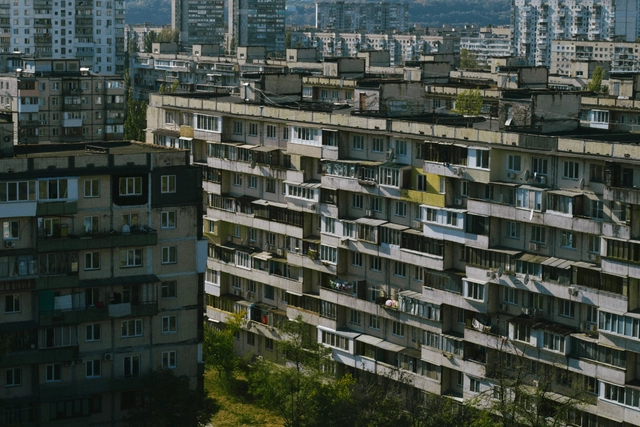
Taking advantage of a lack of governmental regulations, many Ukrainians turn to their balconies to compensate for the shortage of space in prefab-Soviet housing, rebuilding them in a variety of shapes and sizes. The short documentary Enter Through The Balcony explores this phenomenon in Ukrainian architecture, revealing a compelling image of post-Soviet history through local everyday life and culture.
In addition to showcasing a unique attitude towards private versus public space, the makeshift balconies phenomenon is also a symptom of the dramatic pendulum swing from mass uniformity and anonymity, to freedom of expression and ownership of private space, which shaped attitudes and architectures across the former Eastern bloc after 1991.
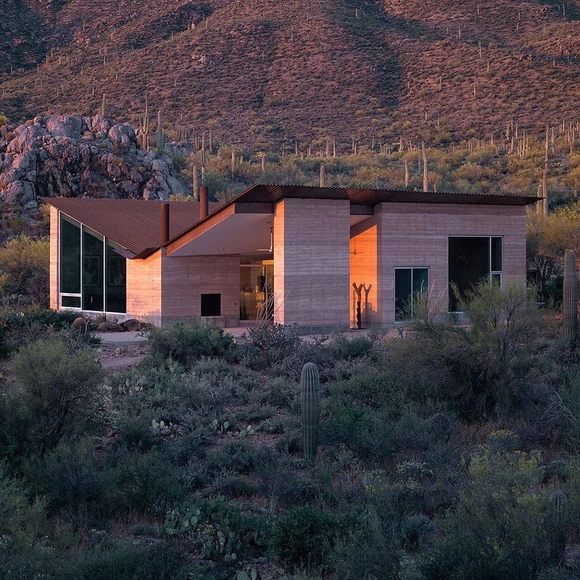
There is a slide I like to show at the beginning of the architecture courses I teach that provides an overview of the last hundred years or so in design and technology. In the left column, a car from the beginning of the 20th Century (a Ford Model T) is poised over a contemporary car (a Tesla). The middle column contains a similar juxtaposition, showing a WWI-era biplane and a modern-day stealth fighter (an F-117A). In the right column, Walter Gropius’s 1926 Bauhaus Dessau building is seen next to an up-to-date urban mixed-use building. The punch line, of course, is that the two buildings—separated by roughly 100 years—look basically the same, whereas the cars and planes separated by the same timespan seem worlds apart. What is the reason for this?