Lehrer Architects has designed a tiny home village for homeless residents in Los Angeles. Called Whitsett West, the project was completed with the City of Los Angeles’ architects and engineers in the Bureau of Engineering. Located in North Hollywood, the project is the fourth collaboration in the past seven months designed to be a prototype for transitional housing formats.
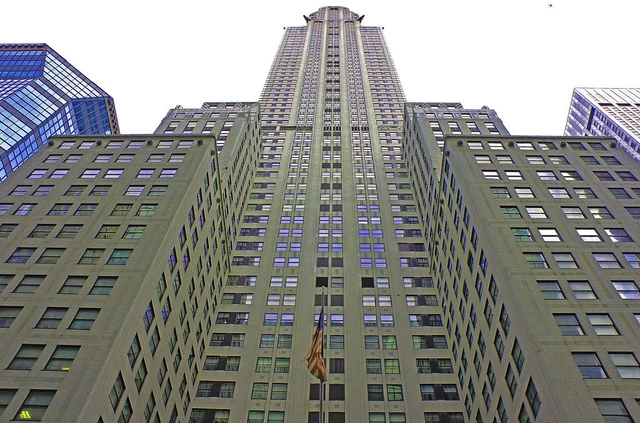
"Chrysler Building NYC NY" by dog97209 is licensed under CC BY-NC-ND 2.0
Art Deco architecture derives from a style of visual arts of the same name that emerged in Europe in the 1920s, which also influenced the movie industry, fashion, interior design, graphic design, sculpture, painting, and other forms of art, in addition to architecture. The milestone of this style was the International Exhibition of Modern Decorative and Industrial Arts held in Paris in 1925, from which it took its name.
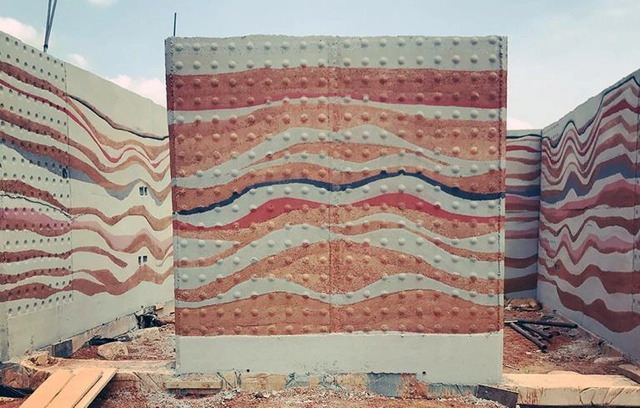
Rammed earth constructions are not a novelty, on the contrary, some sections of the Great Wall of China were made using this technique. Relegated and replaced by modern methods of construction, the mud walls are currently re-emerging as an economic, sustainable solution, with low environmental impact. Even Joelle Eyeson, a young African entrepreneur, is betting that it may be the answer to the housing deficit in her region.
This is a rudimentary construction system in which earth is compressed into wooden boxes. The clay is horizontally placed in layers of 15 cm in height, and compacted with manual or pneumatic tools, to achieve its ideal density creating a resistant and durable structure.
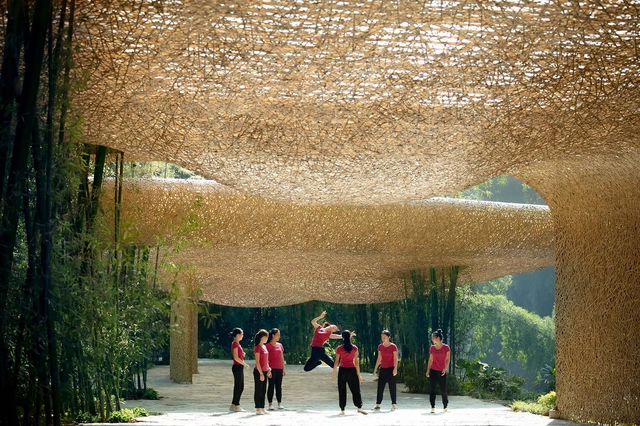
Bamboo is a very resistant, versatile, and sustainable natural building material, which can be used to build structures and decorative elements. This article explores its diverse applications in a selection of projects for public spaces.
When the 2008 Great Recession destroyed advertising revenue for all of publishing and limited the cash that architects had for PR and photographers, the established way of promoting architects and architecture was brutally compromised. That same moment saw the instant availability of smartphones, with insanely good cameras, huge memory, and soon 5G transmission. Those technological revolutions turned graphic duffers into artists. Anyone can now photo, video, and narrate any perception anywhere, instantly, free - and share universally. The cliché of saying that the internet “everything changed” is true in how the world sees architecture.
This one-two punch of fiscal devastation and technological revolution has realized a New Practice; the Self-Promoting Architect, independent of the Machine of Defining Cool in architecture.
For some years now, wood has received an increasing amount of attention in the construction industry. With concerns raised about sustainability and the carbon footprint of buildings, new construction methods and innovative possibilities in the use of timber have developed rapidly. This interest in wood stems in part from its renewability, though this benefit is contingent on sustainable logging and the appropriate management of forests to be allowed to regenerate naturally. However, it is the versatility of wood that serves as the primary impetus for its widespread use. From boards, to beams, to floors, and even to thermal and acoustic tiles and insulators, wood can be used in several different stages of a single project and with different degrees of processing and finishing.
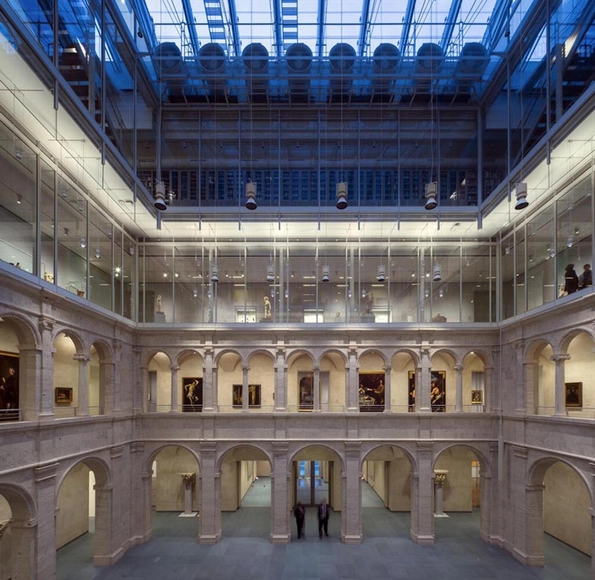
Responsible use and consumption of natural resources and the impacts of the building industry have been ongoing concerns in the field of architecture and urban planning. In the past, concepts such as clean slates, mass demolitions, and building brand new structures were widely accepted and encouraged. Nowadays, a transformation seems to be taking place, calling for new approaches such as recycling, adaptive reuse, and renovations, taking advantage of what is already there. This article explores a selection of projects and provides a glimpse into interventions by renowned architects in pre-existing buildings.
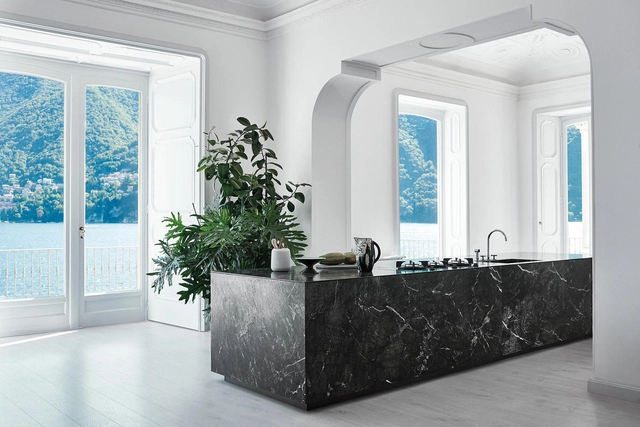
With contemporary lifestyles meaning more entertaining from home, forward-facing kitchen islands with integrated seating make staying in the new going out. But what makes the perfect kitchen island?
The use of organic and natural materials, as well as products that successfully emulate them, has been a strong ongoing trend that continues to gain popularity in interior design. Especially in the past year, where confinement restrictions have heavily influenced the amount of time people spend in their homes, the industry has experienced an increased demand for products capable of bringing nature and visual comfort indoors – whether it be in the form of furniture or other decorative elements. It is, without a doubt, a design movement that is here to stay.
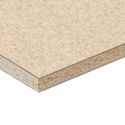
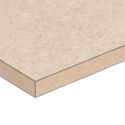
However, besides the interest in nature inspired objects, architects’ and designers’ primary consideration when selecting a material is often its quality, resistance, and maintenance needs. It is, therefore, ideal to combine a natural look with functionality when creating a user-friendly indoor environment. With that in mind, wood-based materials manufacturer EGGER has expanded its lacquer portfolio to develop a new line that unites an organic look with other beneficial properties.
Designing a public space means contemplating the aspects of everyday life in the city. Creating places for gatherings, conflicts, demonstrations, relaxation, and enjoyment. These spaces can be used in many different ways, depending on who interacts with them, and one of the main roles of those who design them is to expand these possibilities and sensations. Including plants, benches, sports facilities, spaces for culture, arts, and performances, conservation areas, or any other element that stands out, is essential to improve the quality of life of the citizens who enjoy these squares and parks.
https://www.archdaily.com/971738/parks-and-squares-20-public-space-designsEquipe ArchDaily Brasil
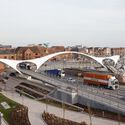
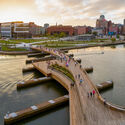
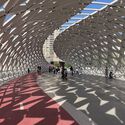
The technical needs of the construction of bridges many times guide the development of the design itself. However, architecture is never put aside, rather the opposite. The aesthetics of bridges that we collect in this article are the result of an intense, demanding, and stimulating dialogue between architecture and engineering, where the search for solutions only ends when both disciplines are fully satisfied.
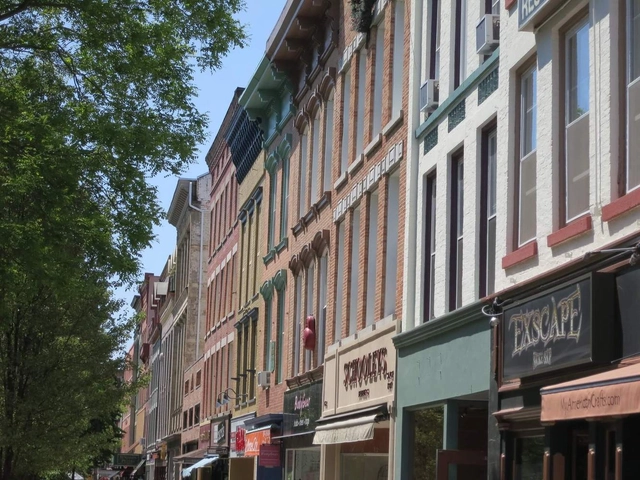
The Ithaca Commons, a downtown pedestrian mall, pictured in 2012.. Image via Paul Sableman/Flickr/CC BY 2.0
Last week, the Common Council of Ithaca, New York, voted to approve a first-in-the-nation decarbonization plan in which the roughly 6,000 homes and buildings located within the notably “enlightened” lakeside college town will be electrified to meet goals established by the city’s impressively aggressive Green New Deal (GND) plan. That carbon-neutral-by-2030 GND plan was adopted unanimously by the Common Council in June 2019 to “address climate change, economic inequality, and racial injustice,” per the city.
We are twenty-one years into the twenty-first century. The world has never been more connected with the advent of new technologies, yet historical inequalities still run rampant. These inequalities manifest themselves in different ways. Global travel, for example – despite the ubiquity of aeroplanes nowadays – is still only widely accessible to citizens of “developed” countries due to prohibitive visa restrictions. In architectural education, many institutions still prioritise a Eurocentric curriculum, the architecture of non-Western populations largely ignored. Another perpetuation of prejudiced systems is Orientalism – and exploring this concept through an architectural lens is useful for interrogating contemporary design approaches and approaches of the future.
In an ever more connected world Architects, not Architecture supports the cultural exchange in the architecture community and connects architects on a personal level beyond borders. If you’ve missed out on it in recent times, here is the talk from Dong Gong, founder and design principal of Vector Architects, who is based in Shanghai, China.
https://www.archdaily.com/971649/architects-not-architecture-dong-gong-from-vector-architectsAbhinav Thakar / Architects, not Architecture
This video takes us inside a professional model-building shop in Chicago called Presentation Studios International (PSI). They make models for all kinds of clients, but mostly for developers and architects. We get a tour of the shop from Robert Becker, an architectural designer and former employee. He helps us understand how models are conceptualized a little differently here than within an architectural office or in school. Here, they are almost strictly miniature buildings with the job of faithfully depicting a building design and serving as a persuasive tool to motivate investment. Then, we hear from Martin Chadwick, a life-long model builder to talk through the process of making high-quality miniature buildings and landscapes.
Hidalgo is a landlocked state to the north of Mexico City and bordered by the states of San Luis Potosí, Veracruz, Puebla, Tlaxcala, Mexico, and Querétaro. It's territory spans 20,821 km² and it's the sixth smallest state in the country. It's capital and most populous city is Pachuca de Soto. Hidalgo's diverse cultural wealth comes from the various indigenous groups that call the state home, such as the Otomíes, the Nahuas, and the Tepehuas. Hidalgo's cultural heritage centers on the cuisine, the Fiesta de Toros, Huapango and Bandas de Viento music, the Charreria rodeo, and the Xantolo celebration.


.jpg?1637201794&format=webp&width=640&height=580)



.jpg?1637201794)