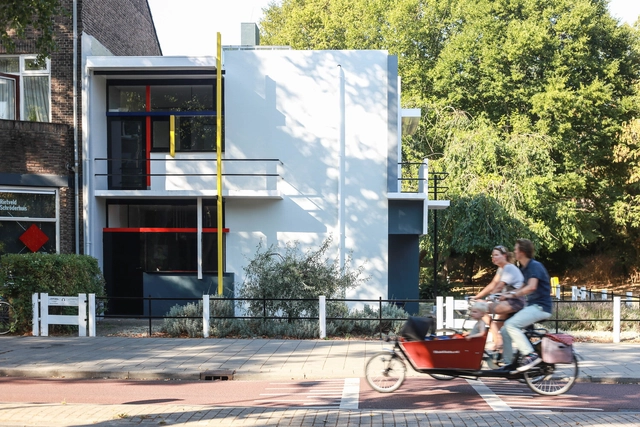
Given that the architects of modernity were in search of purity of form, it stands to reason that the image of this modern architecture is almost inevitably rendered in white in the collective imagination. Relieved of superfluous decorations, modern architecture became associated with the predominant use of white surfaces to highlight the volumetric composition. Combined with the concept of “material truth” first articulated by Victorian critic John Ruskin, white-colored architecture is often understood as straightforward, clear, and sincere.
In the face of a climate emergency, various fields are under pressure to reformulate their operations and actions, and architecture is no exception. After all, the built environment and the construction industry are responsible for a considerable percentage of carbon gas emissions into the atmosphere. Rethinking and restructuring the construction chain - from design to execution - is the order of the day for construction professionals.
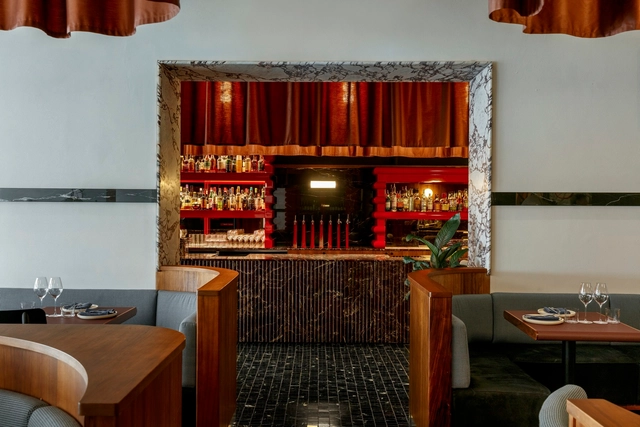
In the competitive world of restaurants – particularly at a time when influencers are gaining more and more control over the sphere of fine dining –, creating a memorable meal experience is crucial for attracting and retaining customers. While factors like food quality and service certainly play pivotal roles in making diners return to their eatery of choice, the impact that restaurant interiors can have on an establishment's longevity should not be overlooked. Among the various elements contributing to a memorable ambiance, color takes center stage. We delve into the significance of striking the right tone in restaurant design through 20 projects from our ArchDaily database.
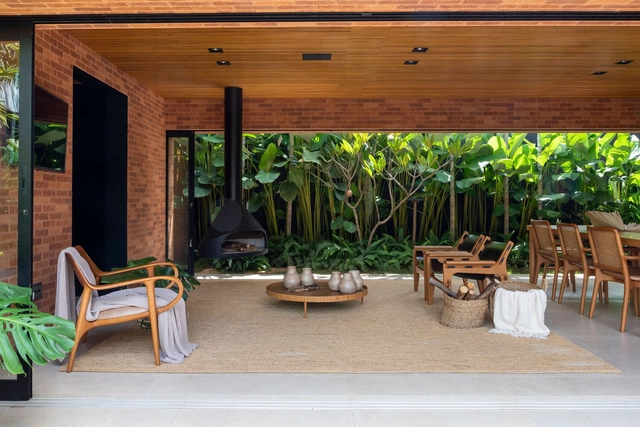
A residential architectural project almost always seeks to integrate interior and exterior to get closer to nature and improve comfort or aesthetics. Considering living spaces, this dialogue between open and closed environments becomes even more relevant. After all, it makes the room more flexible and suggests various ways of occupying it, regardless of the number of people or the time of year.
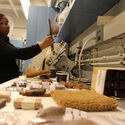
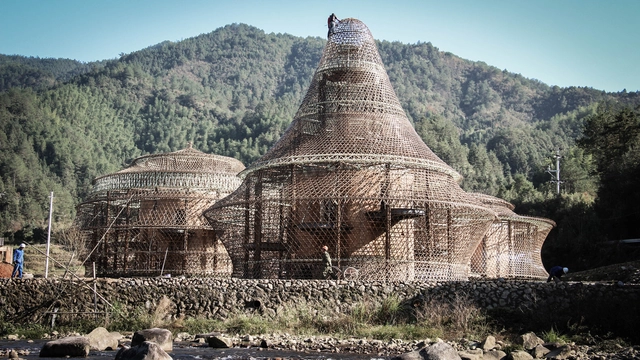
With its unique blend of form, function, and sustainability, bamboo architecture stands out due to its complex geometries, tridimensional spatiality, and heavy reliance on craftsmanship. For many years, physical models have been central to materializing architects' visions and conveying intricate designs to the skilled craftspeople responsible for construction. Now, we are in the midst of a paradigm shift. The digital revolution is bringing computer-aided and parametric design tools to the forefront, unlocking bamboo's potential in ways never before imagined. This evolution presents exciting possibilities and new challenges for builders and craftsmen alike.
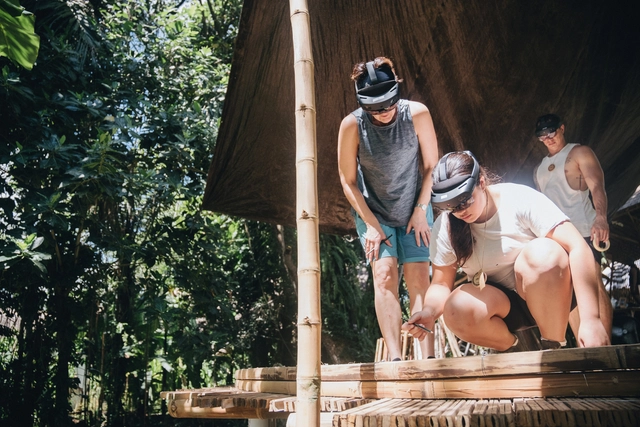
The burning question now is: Can we effectively translate these cutting-edge design innovations to the hands-on world of the craftsmen who bring these visions to life? At a recent 11 day Bamboo Build and Design Course at Bamboo U, we immersed ourselves in a world where technology meets tradition, experiencing the groundbreaking blend of bamboo construction and Augmented Reality (AR) technologies. Guided by the expertise of Dr. Kristof Crolla and Dr. Garvin Goepel from the University of Hong Kong and the Chinese University of Hong Kong, we embarked on an exciting journey to build not one, but two, charming grid shell domes, under the aid of holographic instructions. In this article, we explore this dynamic intersection of tradition and technology in the world of bamboo architecture from the perspective of Bamboo U.
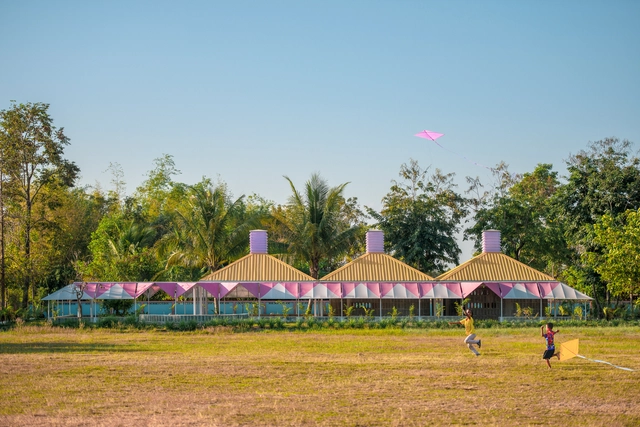
Increasingly, the concept of social sustainability has become a central theme in contemporary architecture discussions as users' subjective and non-static needs become paramount in the design process. Social sustainability in architecture aims to design and construct buildings and urban spaces that promote well-being, inclusion, and community cohesion. It focuses on creating environments that enable positive human interactions, support diverse needs, and improve the overall quality of life for people who inhabit and use these spaces. Socially sustainable architecture considers the social, cultural, economic, and health aspects of a community to address societal challenges and provide long-term benefits to residents.
The relationship between architecture and music has existed throughout history and can be observed in various aspects. The way architectural spaces are designed can affect the sound quality and auditory experience of a musical piece. The acoustics of a place, determined by its shape, size, and materials used in its construction, can influence how sounds and music are perceived. That's why architecture plays an essential role in the design of auditoriums and concert halls. The aspects to consider include space distribution, seat placement, the shape of the venue, and acoustics to ensure an optimal sonic experience.
With the rise of small houses and dense cities, we were forced to sacrifice a good amount of storage space. Ironically, we did not compromise our purchasing habits, so with a few square meters to work with, architects and designers had to come up with efficient storage solutions and make the best of the limited space they have. However, if you were lucky enough to be occupying a large, unobscured space with a generous budget, your storage design possibilities are endless. In this article, we look at how architects and designers found creative ways to store their belongings in spaces with different functions, scales, and spatial constraints, ranging from completely invisible units to sculptural centerpieces.
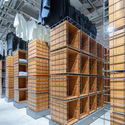
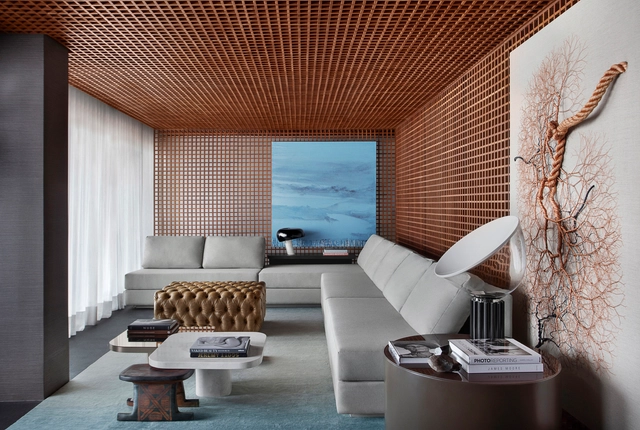
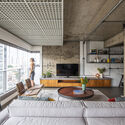
More than just hiding and protecting installations, ceiling lining can transform an environment's perception. Combining functionality and aesthetics, this element, in addition to serving as a support for lighting, can add layers of texture and colors that enhance interior quality and comfort. Factors that vary depending on the chosen material. Therefore, understanding their differences, benefits, and disadvantages is essential when designing internal spaces.
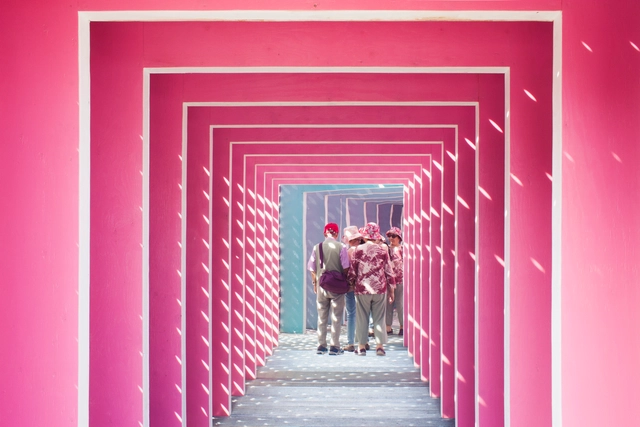
Pantone 219C, or Barbie Pink, is a vibrant and bright magenta pink shade synonymous with the Barbie brand. Since the inception of the Barbie doll in 1959 by a company named Mattel, the doll has slowly trademarked this specific shade of pink. As Barbie’s popularity grew, the global association with the color pink did, too. From pink accessories, pink houses, pink haircuts, and pink packaging, there is no Barbie without pink. Moreover, as the doll became a popular cultural icon, her iconic shade of pink started to influence various industries beyond just toy manufacturing, including fashion, beauty, and interior design.
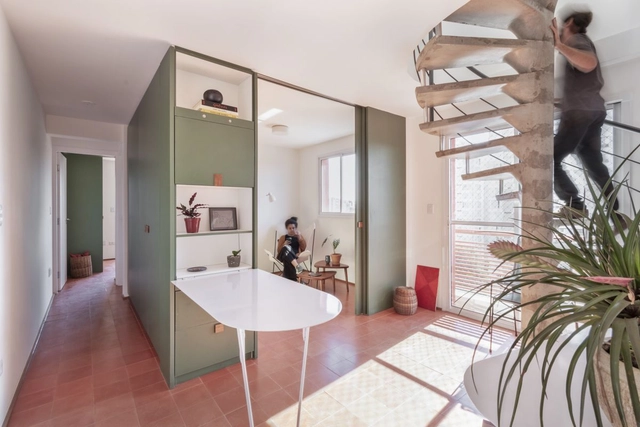
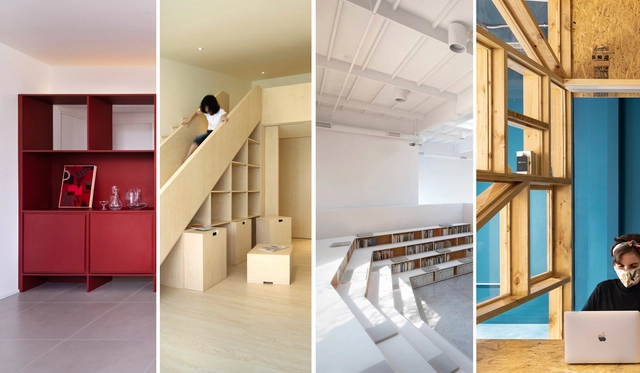
Many architectural projects have been giving special attention to cabinetry and built-in furniture. These custom-made wood pieces are designed for specific purposes and can be used to organize the space, which can be living rooms, bedrooms, studies, kitchens, and bathrooms. Besides functionality, these elements also introduce different materials, textures, and colors into the environments. This article will explore some examples of how colorful cabinets and furniture can make architectural projects more vibrant.
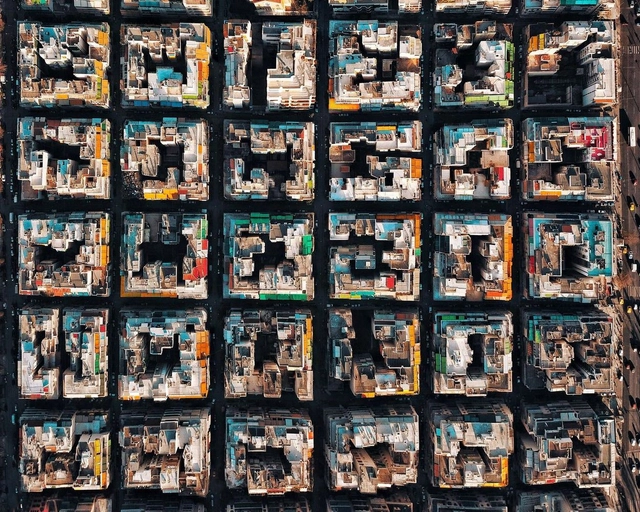
Urban blocks can be defined as the space within the street pattern of a city that is subdivided into land lots for the construction of buildings. This morphological element has been shaped according to the current views on urban design and its expectations over the centuries. It may consist of a single building structure or an area with several buildings that vary in size, detached structures surrounded by nature, or intricate labyrinths. Regardless of the composition, an urban block is the basic unit of a city's urban fabric and plays an important role in mediating between the public and private spheres.
Willow Technologies is a material research and building technology practice that has been selected as part of ArchDaily's 2023 Best New Practices. Founded by Ghanaian-Filipino designer and architectural scientist Mae-Ling Lokko, it operates in the gap between research, development, and diffusion of bio-based building materials. Working with agro-waste and bio-based materials usually incurs technical questions regarding scalability, industrial production, standardization, fireproofing, and mechanical strength. Exploring this data is where Willow Technologies situates itself, but peculiarly through the lens of developing regions in West Africa. Through comprehensive works with coconuts, moringa, rice, and other indigenous crops, Lokko’s practice has been able to investigate and catalog the material character of various crops, their possible by-products, local transformation techniques, and the prospect and challenges of scalability as building materials.
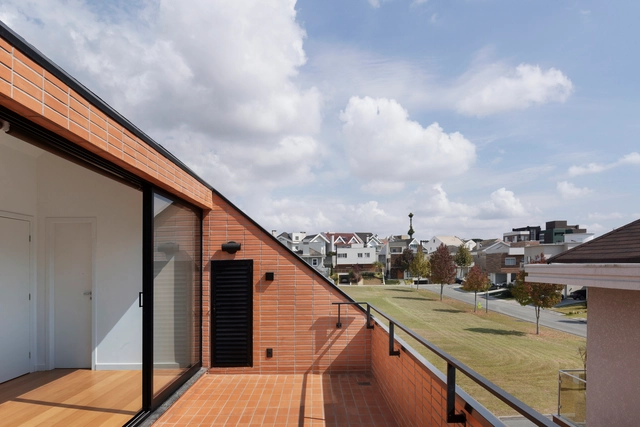
Attics are floors at the top of a house, close to the roof. Due to the roof slope angle, they usually have an inclined shape, which limits their space and makes them underutilized environments. However, despite this particularity, attics can have several uses in a project and convert into multifunctional spaces for residents.
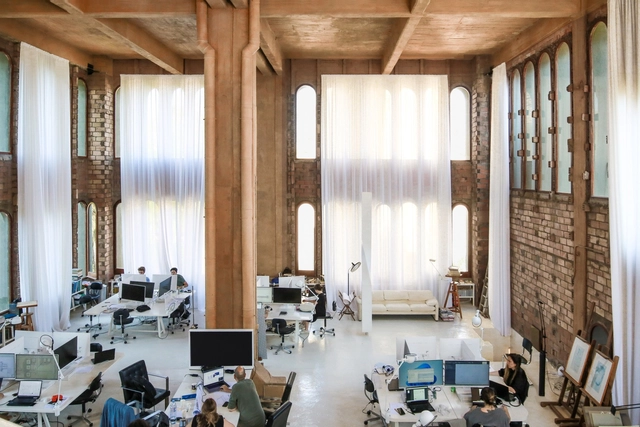
La Fábrica, an iconic project by Ricardo Bofill, stands as a testament to the transformative power of architecture. Located in the environs of Barcelona, this creation showcases the remarkable metamorphosis of an abandoned cement factory into a stunning architectural masterpiece.
https://www.archdaily.com/1004625/la-fabrica-by-ricardo-bofill-a-harmonious-blend-of-past-and-presentArchDaily Team
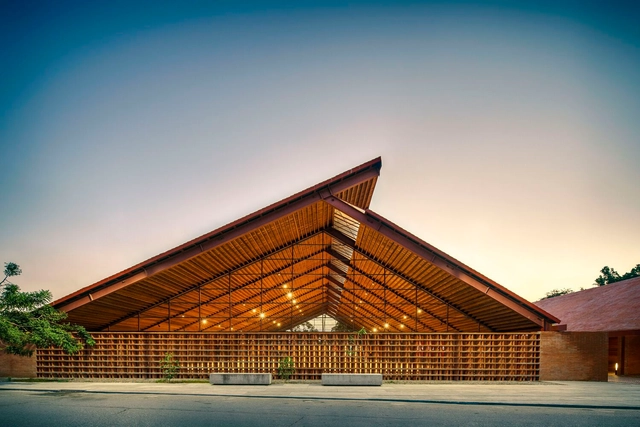
Contemporary architecture does not come from scratch. Today’s projects are based on a series of experiments that have occurred since humanity began to conceive living and coexistence spaces. An intrinsic connection between customs, traditions, local materials, and construction techniques gave rise to ancestral and vernacular architectures. The influence of each population's context and culture can be an inspiration for contemporary architects who, by looking to the past, can effectively respond to the future.
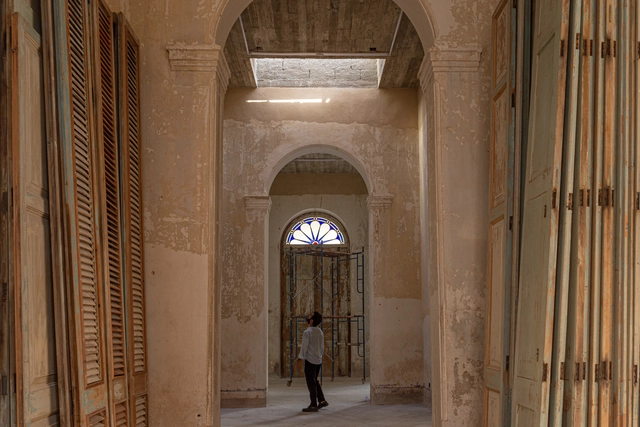
Infraestudio is an architecture and art practice based in Havana that has been obsessed with fiction since its foundation in 2016. Fernando Martirena, Anadis González, and other members and collaborators work from a narrative and discursive approach to experiment with various resources such as buildings, research, exhibitions, writings, and activism. This has allowed them to operate discreetly in a city frozen in time, recounting how contemporary architecture is done in Cuba today.
For these reasons, Infraestudio was selected by ArchDaily as one of the best new architectural practices of 2023. They are concerned with creating architecture that blends into the landscape, showcasing emptiness as a representation of an idea, focusing not on forms but on strategies, and building with the bare essentials.


















.jpg?1627408898 "© Anna Positano")