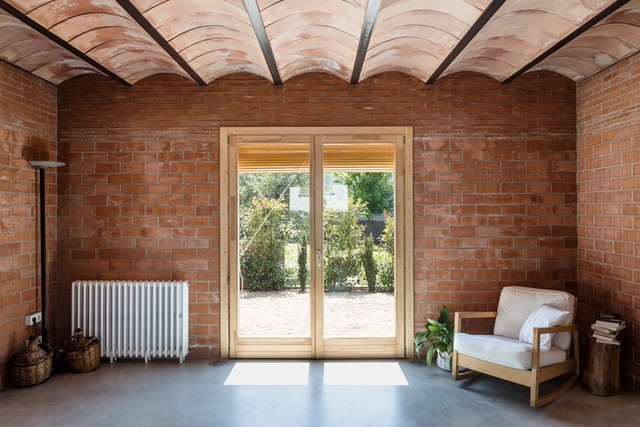
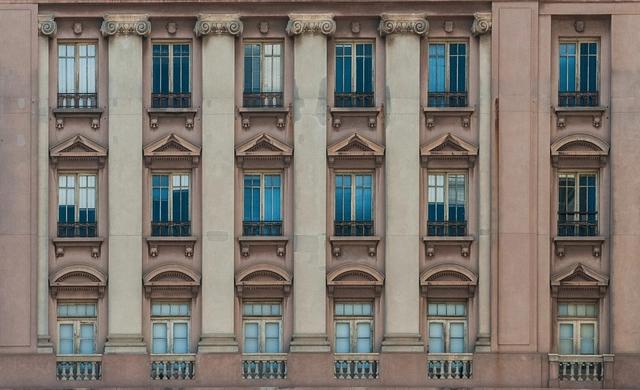
The ample supply, durability, and affordability of brick makes it one of the most widely used and iconic materials in Spanish architecture, especially within the Mudejar tradition. Throughout history, they have added both beauty and function to the spaces that use them, offering protection from the elements while also permitting the entry of natural light and air flow.
In recognition of brick's impact on Spanish architecture throughout history, we have created a compilation of contemporary projects that highlight its aesthetic and functional benefits along with advice from their creators about how best use this tried and true material.
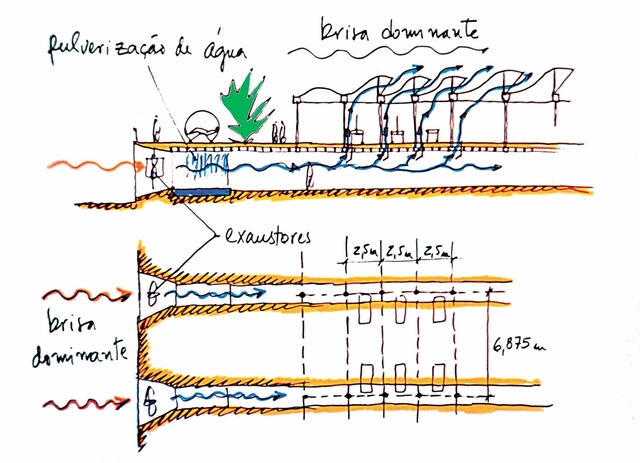
Design of the ventilation system at the Sarah hospital / João Filgueiras Lima (Lelé). Image via Concrete
Architecture is a transdisciplinary field. It incorporates principles and knowledge from several other disciplines to ensure a built structure functions as intended. This fundamentally involves considering the context in which a building is placed, including its immediate surroundings, such as neighboring structures, local biodiversity, and climate. Essentially, architecture only exists within a particular context. When we expand this context to a broader scale, it becomes what we commonly refer to as the "environment."
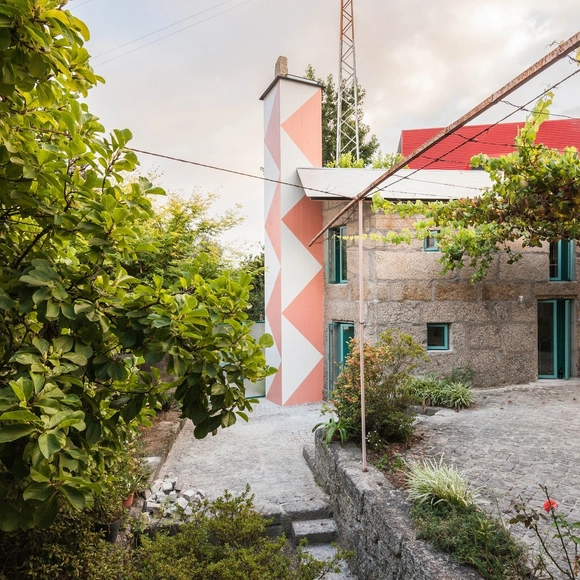
With a diverse and highly distinctive portfolio of projects, particularly notable for their innovative representations, the architecture office fala is marked by a bold, refined, and dynamic creative process. Established in 2013 by architects Filipe Magalhães, Ana Luisa Soares, and Ahmed Belkhodja, fala is headquartered in Porto, Portugal, and typically engages in projects across various scales, ranging from territories to birdhouses.
Minotti’s Dylan seating system and Raphael family of seats have different identities yet harmonise elegantly in a variety of different spaces, whether private or hospitality areas. Image Courtesy of Minotti
Upholstery is at the heart of every living space, providing comfort both physically and visually. It’s the basis for an interior to grow and evolve, setting the tone for a wider 360-degree landscape. To create a truly dynamic foundation, it usually takes a few different sofas or armchairs, but pairing them up to create the desired harmony between color, texture, form and function can be a challenge without experiencing them side by side in space.
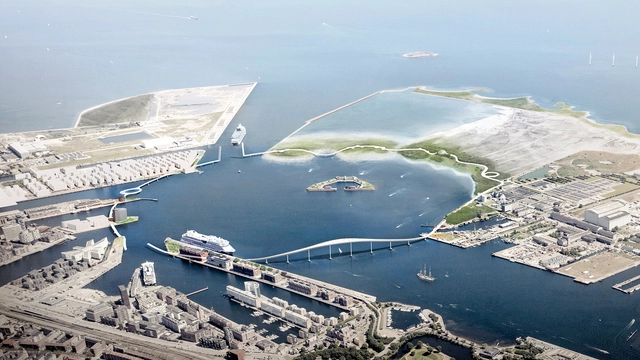
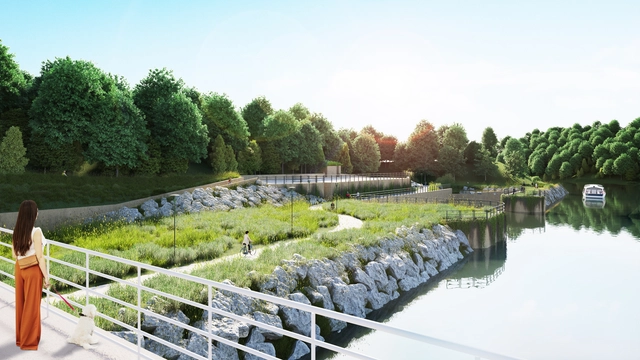
The Copenhagen Harbour Ring – “Kronløbsringen” / Third Nature. Image Courtesy of JJO By Tredje Natur
Through urban renewal projects, architects, urban planners, and designers can infuse new life into dilapidated urban landscapes by upgrading the infrastructure, introducing new functions into the urban fabric, and reimagining the character of open public spaces. These types of projects present interest due to their dual character: on the one side they offer an opportunity for reimagining the potential of the city, but the areas they affect are already well-ingrained within the urban fabric, raising challenges of integration and contextual adaptation.
This week's curated selection of Best Unbuilt Architecture highlights projects submitted by the ArchDaily community that enhance functionality, aesthetics, and sustainability of urban areas while respecting and embracing the existing fabric of the city. From a residential neighborhood that prioritizes self-sufficiency and circularity in the Netherlands, to a highway ramp transformed into productive spaces in California, United States, or a new elevated path designed to alleviate urban congestion in the harbor of Copenhagen, his selection features projects that highlight the ever-changing character of our cities. Featuring projects from both emerging and established architectural offices such as Benthem Crouwel Architects, Space&Matter, and Vincent Callebaut Architectures, the projects demonstrate the variety of approaches needed to adapt urban environments to the needs of their residents.
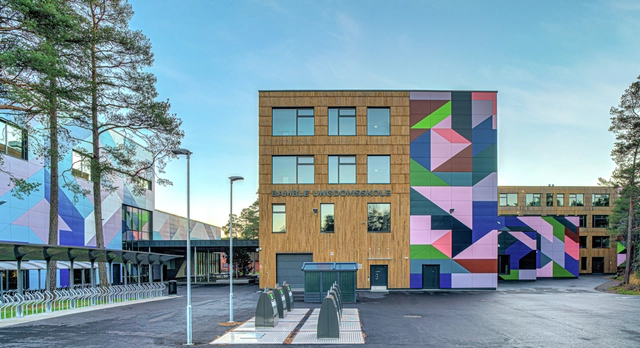
Façade colors are closely linked to place identity and help influence the surroundings and inhabitants of an area; they make it easier to safeguard and correct the use of color in urban areas. During the launch of their new color collection, STENI worked in collaboration with Scandinavia's leading expert in color and architecture, Kine Angelo, Associate Professor at NTNU, Department of Architecture and Technology, who has been working with color for over 12 years.
Martinelli Building. Photo: Wilfredor, CC BY-SA 4.0 , via Wikimedia Commons
World Tourism Day is observed every year on September 27th. Tourists create itineraries based on a wide range of interests, such as architecture, gastronomy, or natural beauty, which are the most common choices. However, some travelers seek out hints of mystery and places with haunting histories. In a city as rich in stories as São Paulo, it's not hard to discover locations with a past marked by unsettling events, which have now been repurposed into cultural attractions, enriching the tapestry of the city's society.
Cities are the bedrock of civilization. For millennia, they have attracted people with the promise of superior standards of living — from better economic and educational opportunities to easier access to quality public infrastructure such as housing, healthcare, and public transport. Today, however, many cities around the world are finding it challenging to live up to this promise. With urban migration accelerating at a dizzying rate – the United Nations projects that over two-thirds of the world's population will live in cities or urban centers by 2050 – existing resources and services in cities are coming under increasing pressure, rendering them dysfunctional and leading to glaring inequities.
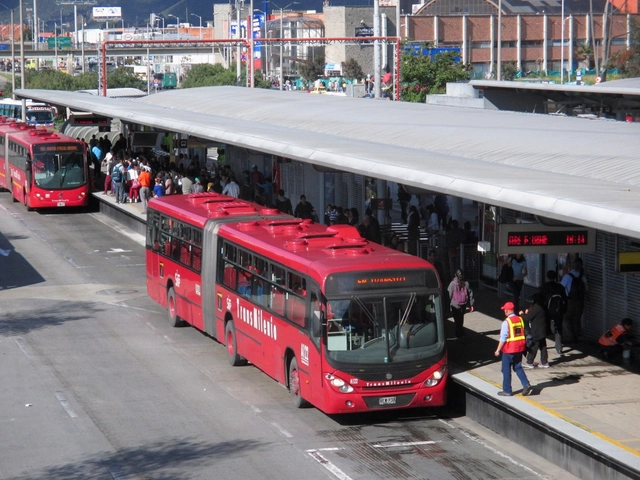
There is no singular way to define or assess liveability; every city has a unique set of characteristics, from its history, culture, geography, and demographics, to how it is governed and what urban issues plague it. Therefore, improving liveability requires concerted efforts from multiple stakeholders including people, governments, and experts, to identify critical problem areas and opportunities, and devise contextual solutions. The TV show Tale of Two Cities, where Indian architect and urbanist Dikshu C. Kukreja sits down with global leaders, brings out great insights into what some major cities in the world are doing to create more liveable environments for their inhabitants. Here we present five examples: from Bogotá, Kolkata, Hannover, Tirana, and Washington, D.C.
As urban areas around the world continue to experience population growth and increasing demand for housing, the land available for development is becoming both more limited and expensive. In large urban centers, many people deliberately choose the convenience and efficiency of compact living spaces in exchange for the benefits of city life, such as proximity to work, amenities, and cultural attractions. For others, however, the need to live in small spaces is a reality imposed by circumstances. In order to make construction feasible and increase urban density, builders and developers end up significantly reducing the size of rooms in homes, occasionally compromising the quality of life of those who live there. This has led to the adoption of various creative strategies to improve the efficiency of reduced interior spaces and provide greater comfort for occupants.
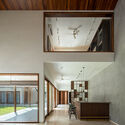
For over half a century, the open floor plan has remained at the cutting edge of interior architecture, with both new-build and renovation clients choosing to splice together rooms and their functions to bring more harmonious connectivity to their homes. Families, despite busier schedules, were able to cook, talk, study, and relax together, all at the same time.
As it can force users to share their space with competing sounds, smells, and ambiances, however, many are turning away from the open plan with new concepts such as the broken plan gaining ground. Another evolutionary route for the open-plan, meanwhile, is to move upwards. In combination with double-, triple-, or even higher-story living spaces, the open-plan is given the space it needs to breathe while staying connected to the rest of the home.
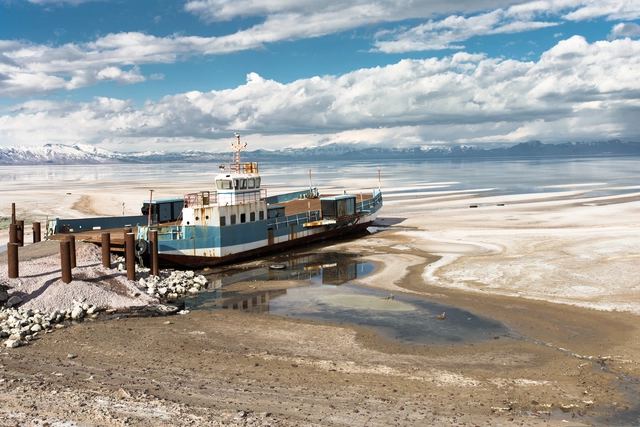
Water is a fundamental resource that sustains life, underpins agriculture, and fuels industry worldwide. However, water scarcity is becoming an increasingly pressing issue around the globe. Factors such as climate change, rapid urbanization, and industrial expansion exacerbate this situation. Among these contributing elements, water leakage remains an often underestimated and deprioritized aspect of water wastage.
In 2019, as the world was on the brink of facing one of the most significant pandemics in recent history, Ailton Krenak, a Brazilian indigenous leader, environmentalist, and philosopher, published a book titled Ideas to Postpone the End of the World. This brief booklet, comprising slightly more than 80 pages, came into circulation at a critical juncture, providing both reassurance and a cautionary message to humanity during a time when it observed the rapid evolution of history.
The world's recent shift towards prioritizing wellness has influenced people to seek healthier lifestyles by understanding the body and the mind collectively. External factors such as the geographic location, the environment, the community, financial status, and the relationships with friends and family have all shown to have considerable impacts on an individual's health. However, it became evident that ensuring physical and mental health was not limited to having access to medical facilities and professional treatments, but was also determined by several factors related to the quality of the built environment.
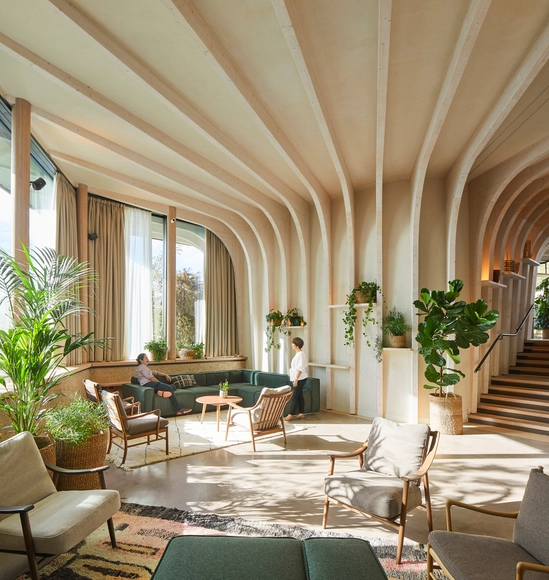
Architects have a choice to design better and consequently, help people make better choices. So what is considered a good interior design, and what are the factors that make any interior space a good one? In this interior focus, we will explore this "good" side of design, looking at how architects ensured the needs of users by acknowledging accessibility, demographic diversity, economy, and the environment, regardless of aesthetic.
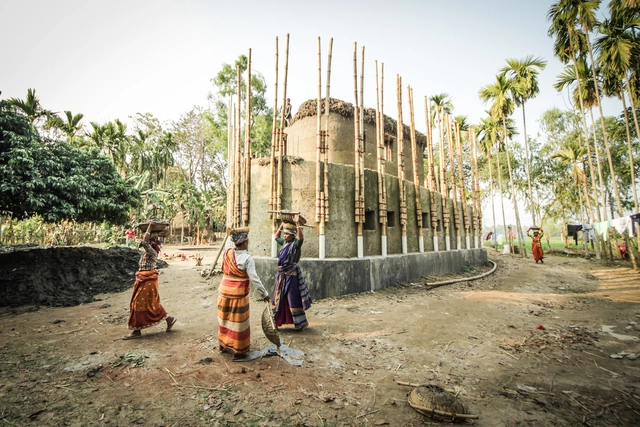
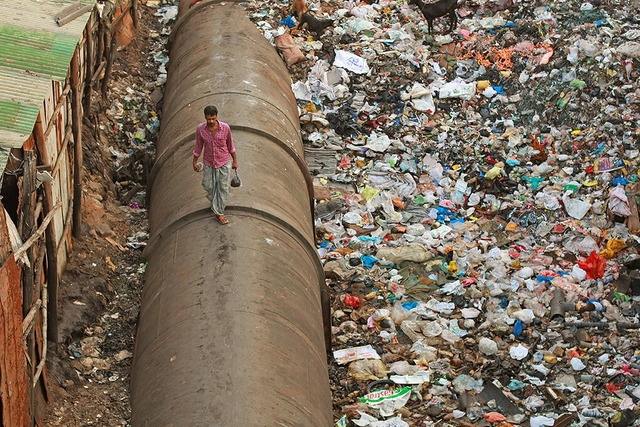
With large populations come formidable challenges, particularly in the realm of health and hygiene. In the last century, upholding sanitary conditions in urban areas has remained a persistent challenge, particularly in a nation that houses over 1.5 billion people. India grapples with a myriad of issues- inadequate infrastructure for sanitation, lack of public toilets, and poor waste management practices. In densely populated cities, the struggle intensifies as sanitation and cleanliness management falters. India's rapid urbanization has outpaced the development of sanitation infrastructure and cleanliness issues have deeply entrenched in the nation's built environment.
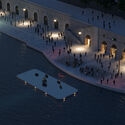
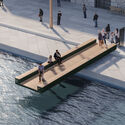
Carlo Ratti Associati has revealed the design transformation of Turin’s historic waterfront in Italy. The project’s main aim is to address the current climate crisis and leverage architectural solutions to create spaces that can withstand the recurring floods of the Po River. Throughout the scheme, many architectural elements are kinetic, allowing them to rise above the water. “Floating Above the Floods” creates new solutions for urban climate adaptations and provides insights into universal strategies for urban waterways.
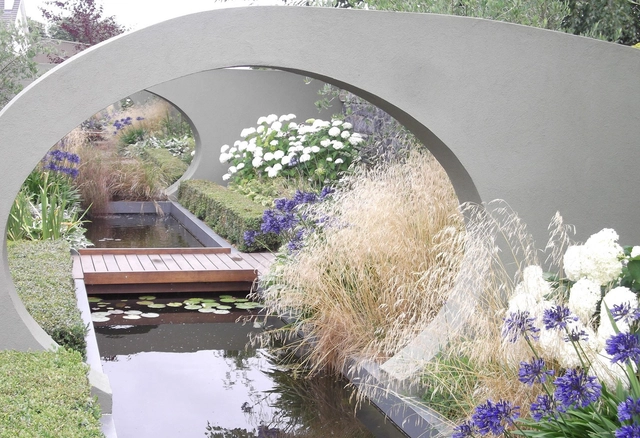
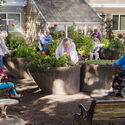
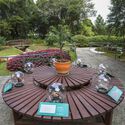
The convergence of neuroscience, architecture, and landscaping has ignited a creative revolution in the design of our built environments. Neuroarchitecture, an emerging discipline that blends principles of neuroscience with architectural design, sheds light on the significant impact of physical spaces on our emotions, behaviors, and overall well-being. Amidst this, sensory gardens emerge as intriguing therapeutic spaces, investigating the distinct interplay between the human brain and nature.
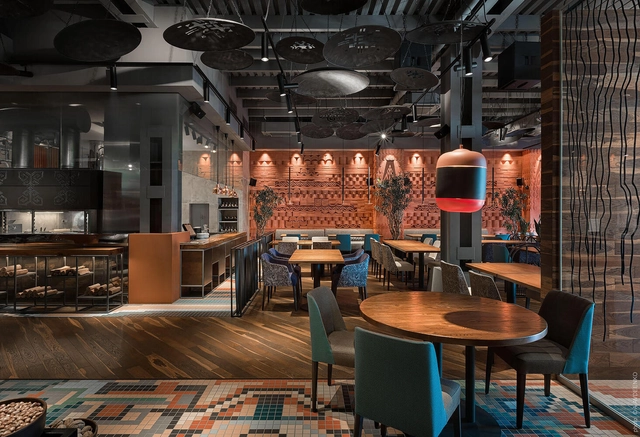
What you see is said to be what you get. The low-skilled cooking techniques and apparatus employed at branded fast-food restaurants, for example, are presented in full visibility to waiting customers. But this concept for designing open, transparent hospitality environments at least serves customers with honesty, because although the freshest ingredients and cordon bleu techniques are nowhere to be seen, neither is the grease and grime formerly associated with the category of eatery.
Compare that to more upmarket establishments that keep the cacophony of a commercial kitchen hidden from view during service, and you start to wonder what else they might be hiding. By installing the same open-kitchen concept, professional kitchens that use talented chefs and high-quality ingredients are able to prove it.