How to visualize architectural concepts in SketchUp using D5 Lite for faster design exploration.
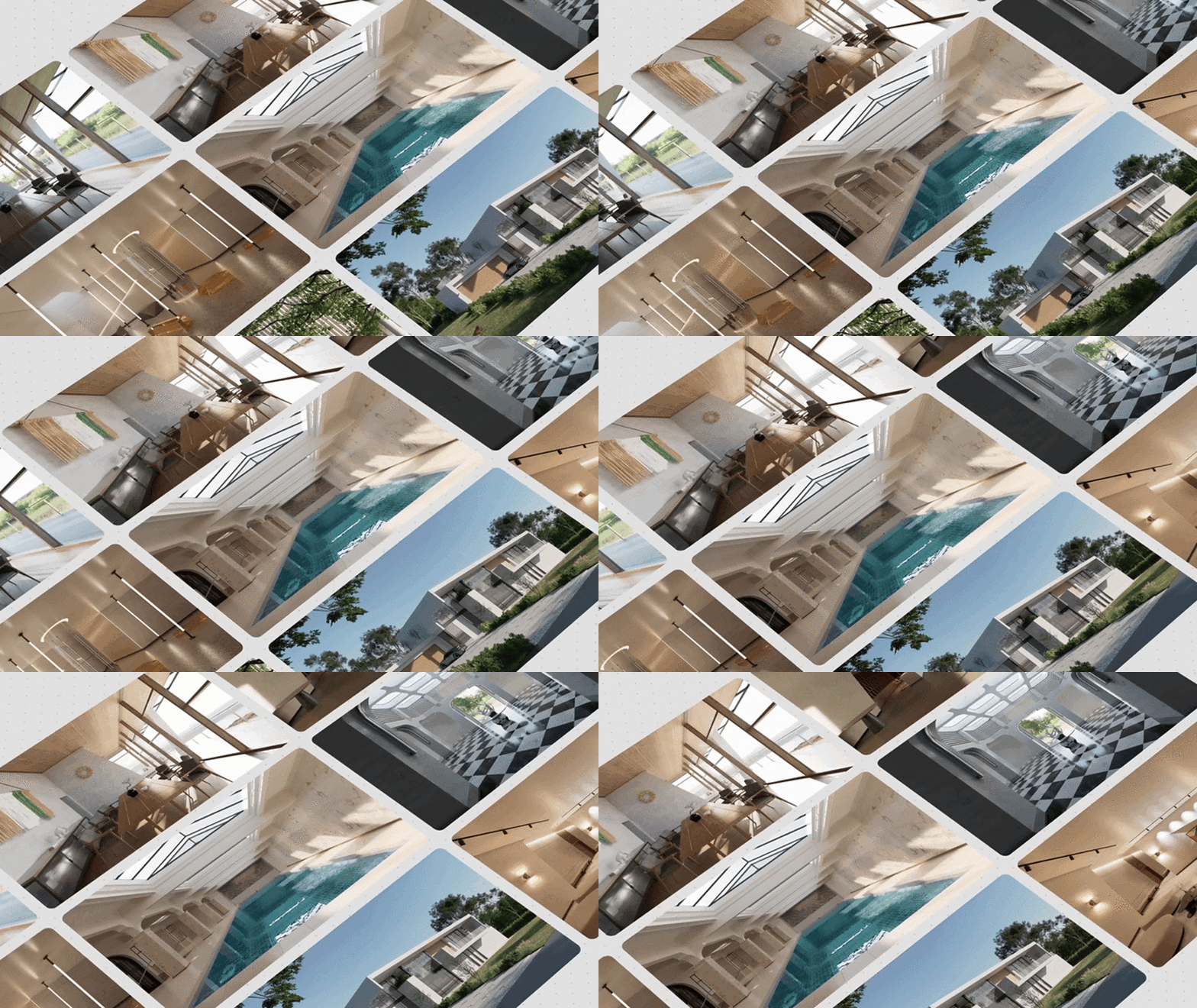
How to visualize architectural concepts in SketchUp using D5 Lite for faster design exploration.


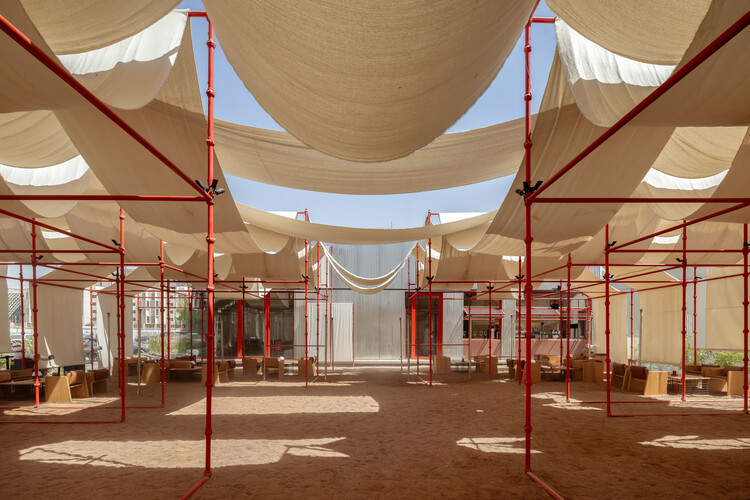
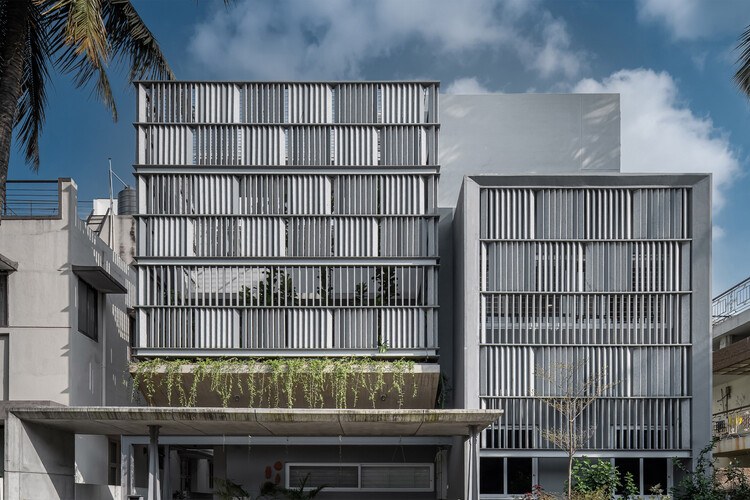
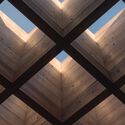
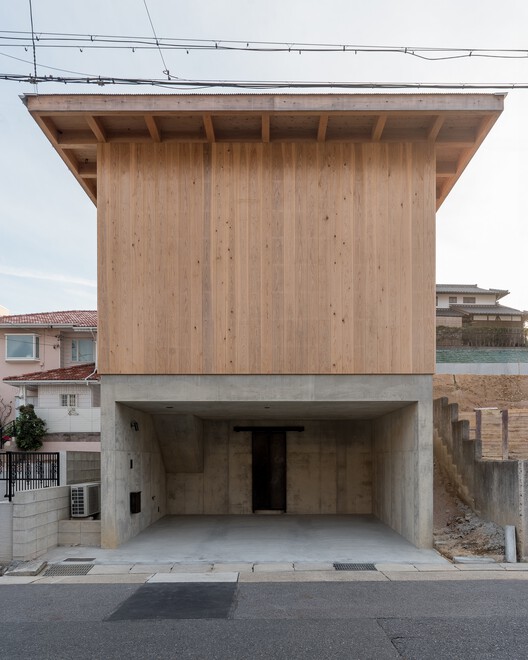
In the story of the Three Little Pigs, the choice of material determines the fate of each house. The wolf's breath brings down the structures made of straw and wood, while the brick house remains standing. The moral is that the more solid the construction, the greater its ability to resist. A building, however, has to respond to much less straightforward questions. Remaining standing is still essential, but heat, light, air, and sound are not forces that necessarily need to be blocked. Sometimes sunlight needs to be kept out; at other times, daylight needs to be let in. Retaining heat may be desirable in winter and counterproductive in summer. Air needs to circulate, sound may need to be absorbed, and the conditions that determine these responses change throughout the day, across seasons, and over the life of the building itself. More material does not necessarily mean better performance. In some cases, it can simply add complexity without improving how the building responds.

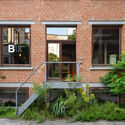
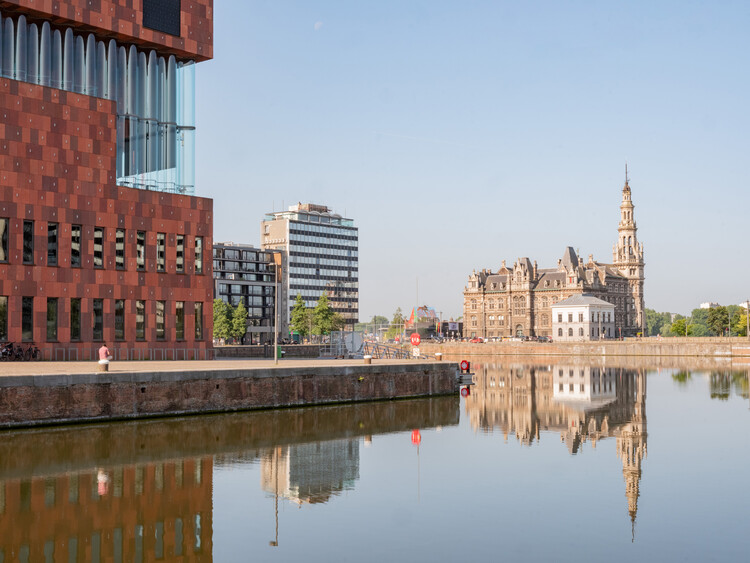
Photographer Marc Goodwin has extended his Atlas of Architectural Atmospheres to Belgium, capturing the workspaces of architecture studios in Antwerp, Brussels, and Ghent. The series includes large offices such as B-architecten, POLO, and Binst Architects, alongside smaller-scale practices like Studio Okami, Stand Van Zaken, and Bruno Spaas Architectuur. Many of them occupy buildings with layered pasts from former workshops, to cinemas, and from storage facilities, to waterfront structures.
In addition to photographing the studios, Goodwin asked each practice the same question: "What makes for a good office space and office culture for you?" Their responses accompany the images, offering insight into how architects define the atmosphere of their workplaces. Studio Okami describes its workplace as a "home office away from home," while Brut highlights the role of shared meals and greenery in softening their penthouse space.


Through October 11, 2026, Mexico City once again becomes a global epicenter of innovation and creative excellence with the opening of Design Week Mexico 2026 (#DWM26). This edition adopts a broader and more diverse curatorial vision, inviting both the public and design professionals to reflect on the discipline from global, fluid, and inclusive perspectives that transcend traditional approaches.

The week began with World Architecture Day, drawing attention to the global housing crisis as a fundamental element of human dignity, inclusion, and well-being. In a joint message between the UIA and the United Nations, this year's call is to focus disciplinary efforts on building not only residential structures but also systems to better distribute and use what already exists, proposals that enable new ways of living and alternatives for a more sustainable industry. Aligned with this concept, we featured three projects where reuse and representation converge, and three others that help establish a dialogue between what we consider old and what we can expect from the new. On this week's radar, we find another instance to reexamine the canons of modern architecture in Switzerland, the start of construction on a translucent yet hurricane-resistant building in the United States, and a winning entry for a mixed-use urban complex in Austria.

Far from simply transporting goods from A to B, shipping containers have become a go-to building material across the US, forming the basis of everything from tiny homes to container pools, site offices to workshops. But given the size of the country, and the range of climates found within its borders, the approach to container architecture can vary significantly from state to state, even county to county.
A container conversion in the desert Southwest faces very different conditions from one in New England, while projects along the Gulf Coast must account for humidity, storms, and salt air. These regional differences can influence everything from insulation and ventilation to roofing, foundations, and exterior protection. Let's take a closer look at these regional approaches, the local climate challenges to consider before a build, and the adaptations that can address them.

The North Gate of Taipei, also known as Beimen, stands not only as a reminder of the city's complex history but also as a witness to the changing urban landscape around it and its shifting attitudes towards the urban spaces bordering heritage buildings. Initially a Chinese imperial frontier, spared from demolition during the Japanese colonial dominion, crowded by overpasses and highways in the postwar modernization efforts, it has recently regained its prominent status through the development of the plaza that now frames it. The gate's resilience through shifting urban priorities and architectural policies tells a story of heritage preservation not only through the built form, but also through the open spaces framing it.


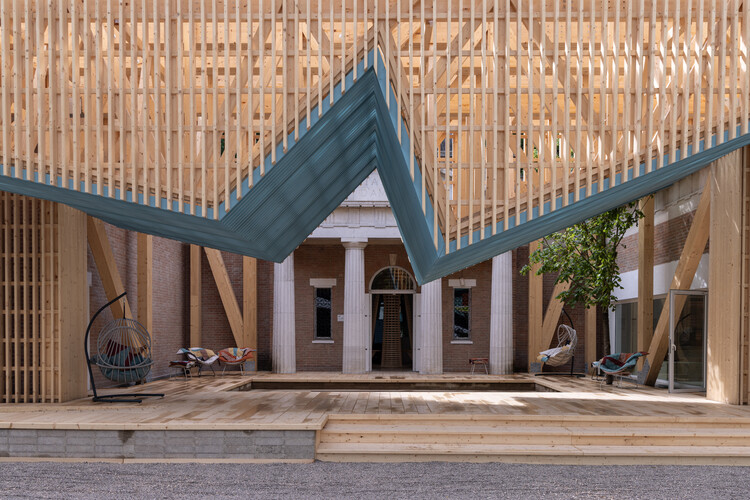
The timber-framed structure designed by Marlon Blackwell Architects for the U.S. Pavilion at the 2025 Venice Architecture Biennale will be reconstructed at Crystal Bridges Museum of American Art in Bentonville, Arkansas, in late 2027. Originally installed in the Giardini as part of PORCH: An Architecture of Generosity, the structure will return in a new setting as a freestanding pavilion on the museum's 134-acre campus. Following the close of the Biennale in November 2025, it was dismantled and transported from Venice to Arkansas, where it has remained in storage ahead of its planned reconstruction.