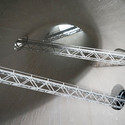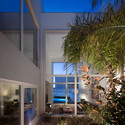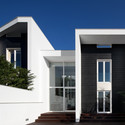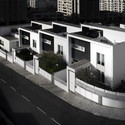

a.jpg?1415762213 "© Artur Silva")


-
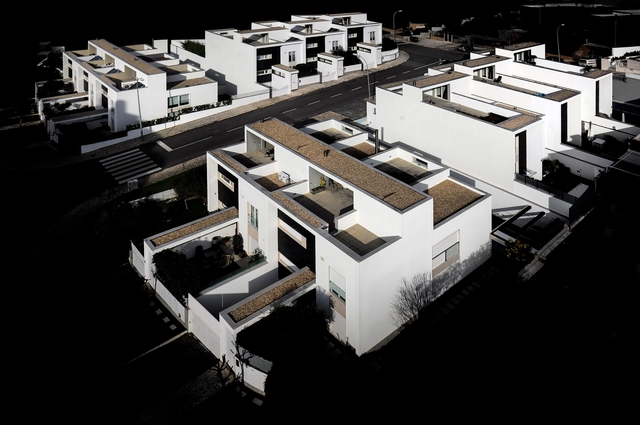
Architects: M-Arquitectos
- Area: 500 m²
- Year: 2012
-
Professionals: Unipessoal Lda

The Busan Port Authority (BPA) has named the SYNWHA Consortium winners of an international competition for the Busan North Port Redevelopment in South Korea. The winning proposal is an "Interactive Pier" slated to transform the original port into a cultural center that celebrates the marriage of mountains, river, and sea, while crafting dynamic connections between the city of Busan and its seaside.
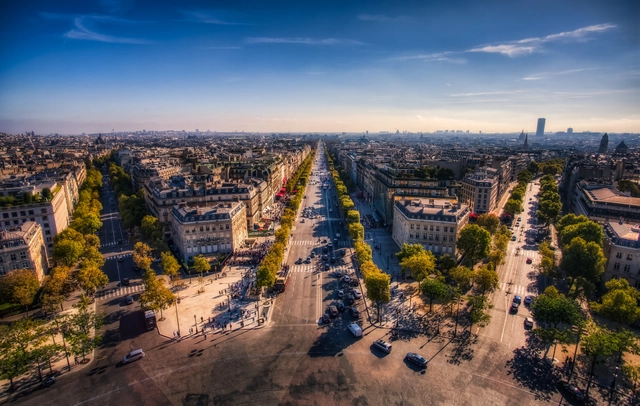
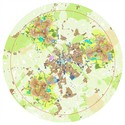
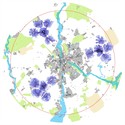
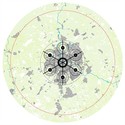
Why do cities exist and how will they grow and change? As more than half of the world’s population now lives in cities it is becoming increasingly important for urban designers and planners to seek answers to these questions. This article by Laura Bliss from City Lab presents the “science of cities,” and the ways in which the urban-planning world is moving away from traditional methods of simply putting cities into categories, in favor of a more evolutionary theory. Benefiting from the vast amounts of data available today on statistics such as crime and voting patterns across cities, researchers have worked to establish the quantifiable characteristics of urban areas as a whole, and recent studies in this area reveal how the shapes of cities themselves could be connected to internal economic and social processes. Learn more about these radical developments in the full article from City Lab.
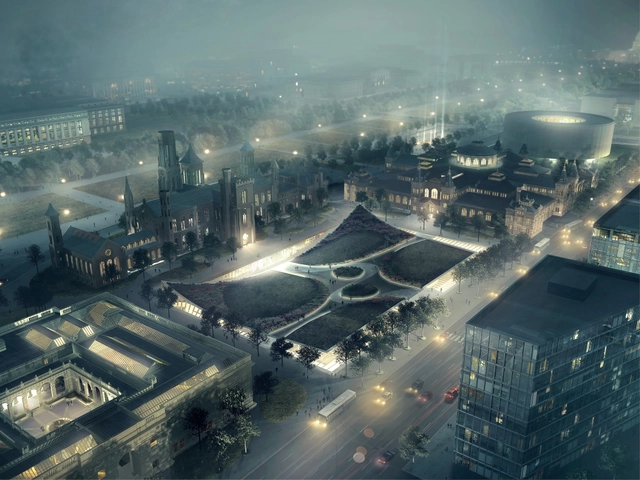
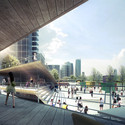
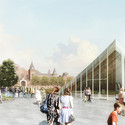
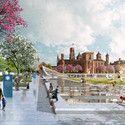
Nearly a year-and-a-half since the announcement of their selection, BIG has unveiled plans for a massive, 20-year-long overhaul for the Smithsonian’s southern campus in the center of Washington DC. With an overarching goal to unite the site by dissolving the notable impediments and discontinuous pathways that plague the area, BIG plans to also expand visitor, education and gallery spaces, while updating aging and inefficient building systems.
"Where today each museum is almost like a separate entity, in the future, it’s going to be a much more open, intuitive and inviting campus to meander around," Bjarke Ingels explained.
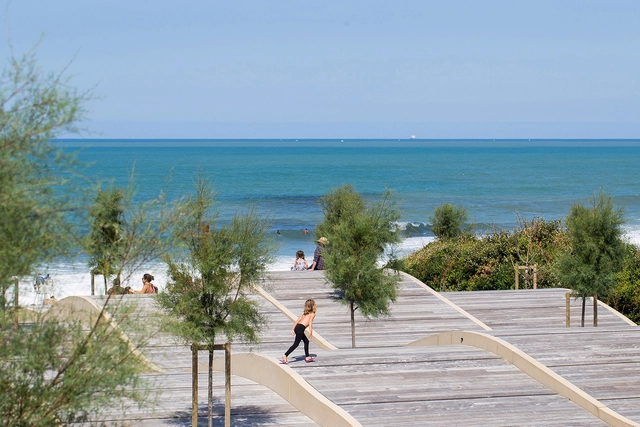
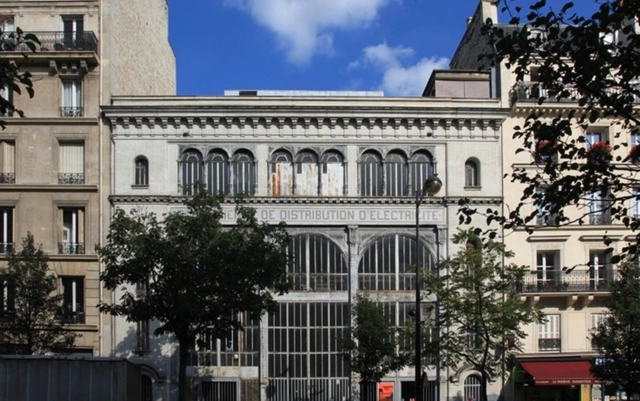
The City of Paris has called upon the architects of the world to propose "innovative urban projects" to reimagine the city's urban future. As the first competition of its kind in the world, Mayor Anne Hidalgo and her Deputy, Jean-Louis Missika, will "select and implement the new forms of buildings that will shape the future of Paris," putting innovation at the top of the criteria. Offering 23 sites, located in the centre of Paris and on the peripheries, the City is convinced that "the challenges faced by the world can be addressed through local answers." According to the Mayor, "from today, world creators are given carte blanche to reinvent the ways of living, working and trading in Paris." "Surprise us!"
Youngchae_Park.jpg?1414039175&format=webp&width=640&height=580)

Update: The Los Angeles County Metropolitan Transportation Authority Board of Directors has approved approved the proposed masterplan by Grimshaw and Gruen; the scheme will now go ahead, subject to the availability of funding. The below article is from 22 September 2014.
The New York office of Grimshaw and LA based Gruen Associates were officially awarded the Los Angeles Union Station master plan in July of 2012 after six initial proposals for the project. Now the Metro Board has begun to finalize plans and move towards implementation, with their Planning Committee scheduled to discuss the proposals in early November. Read on to learn more about how the plan has developed over the past two years and the next steps towards its implementation.

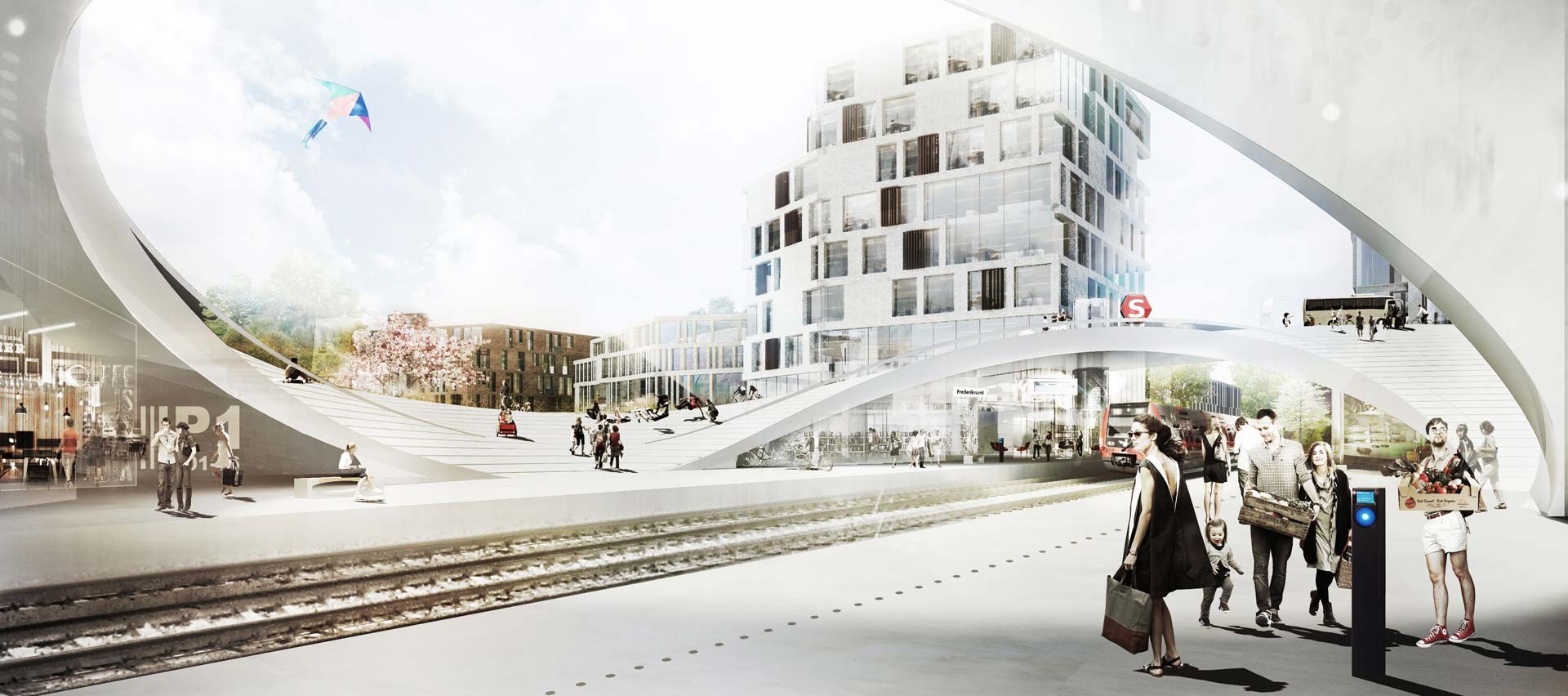
Henning Larsen Architects, in collaboration with an international team consisting of Tredje Natur, MOE and Railway Procurement Agency, has won Frederikssund municipality’s architecture competition to design a regional train station and new quarter in the future town of Vinge. While primarily serving to connect Vinge to the regional public transit system, the undulating, circular urban hub is designed to prevent the railway from dividing the town in two halves.
“The proposal best connects the train station, nature and town structure as one united whole,” lauded the selection committee regarding Henning Larsen’s winning scheme.
.jpg?1413387013 "© Henning Larsen Architects")



Nearly 9,000 kilometers separate Venice, Italy from Houston, Texas, and yet, both cities are bound by a simple connection: the coexistence of the urban fabric with the waterfront. This connection was brought to life this summer through The University of Houston’s exhibition at the Venice Architectural Biennale's Time Space Existence Event: RISKY HABIT[AT]: DYNAMIC LIVING ON THE BUFFALO BAYOU. Awarded the Global Art Affairs Foundation (GAAF) Award for Best Exhibition, the exhibition showcased the complexities and potential of the city's relationship with its waterfront. To better understand Houston’s waterfront and the changing relationship between the city and its river we visited the site ourselves. Read after the break to see what it’s like to talk a walk along the Bayou, and to find out what the Houston river project can learn from similar undertakings in Chicago, Des Moines, and Newark.
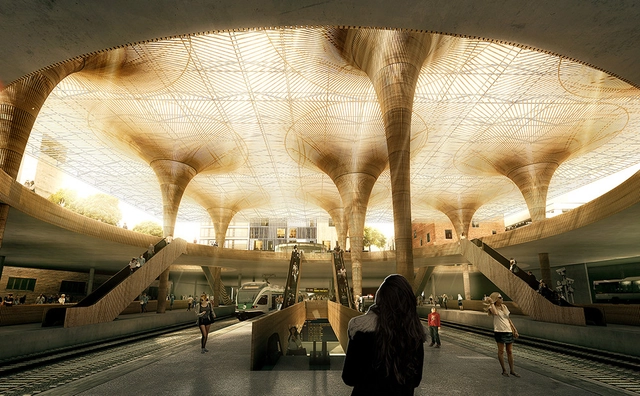
The Mayor of Tampere has announced Danish architects COBE and Finnish Lundén Architecture as winners of an international competition for the Tampere Travel and Service Centre. The winning scheme, “Reconnecting Tampere” will join two disparate districts in the heart of Finland’s second largest city and establish a “new urban living room” beneath an expansive steel canopy.
”Tampere’s new Travel and Service Centre has not only the potential to become a gateway to Tampere and the rest of Finland, but also the potential of becoming a generator for the future development of the urban center of Tampere,” says Dan Stubbergaard, Founder and Creative Director of COBE.
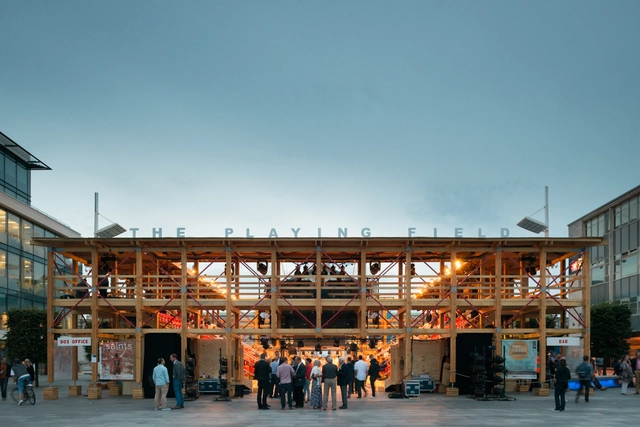
The Playing Field, a 450-seat "high tech Tudor theatre" in the heart of the British city of Southampton, represented a major collaboration between the city’s arts organisations and was realised through a collaborative effort between engineers Structure Workshop and Assemble Studio, the London based practice known for innovative interventions within the public realm. Their Cineroleum, coupled with a bold renovation of a yardhouse, are part of a small canon of cultural buildings designed to temporarily reimagine the urban landscape on a small scale.
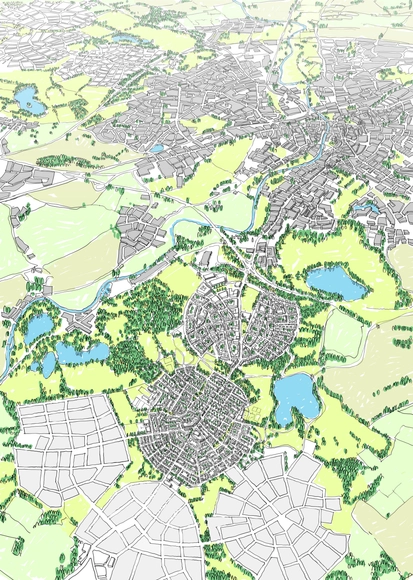
British urban design consultancy URBED (Urbanism, Environment, Design) have been announced as the winners of the 2014 Wolfson Economics Prize for their proposal to reenergise the Garden City (GC) movement, first conceived by Sir Ebenezer Howard in 1898. David Rudlin and Nicholas Falk's submission argues that forty cities in England, including Northampton, Norwich, Oxford, Rugby, Reading and Stafford, could benefit from 'GC status'. The award comes in the wake of polling conducted for the prize showing that 68% of the 6,166 Britons polled thought that garden cities would protect more countryside than the alternatives for delivering the housing we need.
Read about URBED's submission, and the fictional town of Uxcester, after the break.
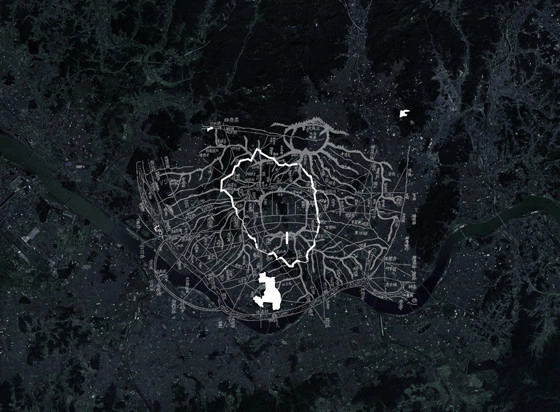
On Thursday, the Aedes Network Campus Berlin (ANCB) Metropolitan Laboratory hosted a symposium to mark the opening of the exhibition "Seoul: Towards a New City," in collaboration with the City of Seoul. The city has identified three key objectives to help them strike a balance between restoration and change when moving forward with future development: revival of history, restoration of nature, and renewal of people's lives. Seven projects that reflect these goals are on display at the exhibition. For more details, continue reading after the break.

A major competition for reuse has just been announced for the Malagrotta Landfill, one of the European Union's biggest landfill sites. After Malagrotta was closed in August 2013 due to its controversial size and negative impact on the surrounding community, the Municipality of Rome began a process of redevelopment through community engagement. Multi-displinary teams are tasked with a creating a proposal to reinvent the sprawling 240-hectare property while considering its original purpose. The competition is designed to begin a conversation on the long-term vision for the property.
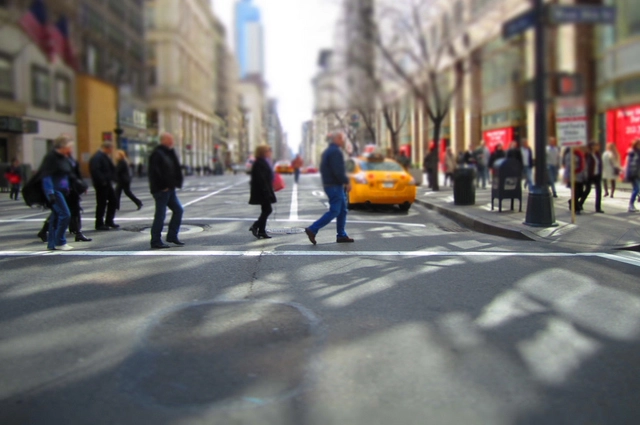
Originally published by Metropolis Magazine as “Playing in Traffic“, this article by Jack Hockenberry delves into the relationship between man and vehicle, illustrating the complex dynamic created in New York - a city with over 2.1 Million registered vehicles. Contrary to the car-centric schemes of New York's infamous former Master Planner Robert Moses, Hockenberry argues that the city is the "negative space" while vehicles are obscured by our unconscious.
It is a curiosity of modern urban life that the more cars crowd into cities, the more they become invisible. It’s a great feature that comes standard on any model these days. Unfortunately we can’t control it from the driver’s seat—however much we would like to wave our hands and watch through our windshields as gridlocked cars disappear, liberating us from traffic imprisonment. The invisibility I am speaking about only works if you’re a pedestrian or bicyclist. The number of motorized vehicles parked or driving at any given moment on the streets of New York City is astounding. An estimated 2.1 million are registered in the city, according to the state’s Department of Motor Vehicles. Yet we never fully register them visually when we’re walking on the streets. The city is the negative space and that is how our eyes increasingly navigate urban landscapes. Everything around the cars and trucks gets knitted together by the eye and, even though the vehicles are present, we have gradually learned to ignore them unless we’re standing in the direct line of moving traffic.



.jpg?1415911708 "Courtesy of BIG")




Youngchae_Park.jpg?1414039205 "© Park Young-chae")
Youngchae_Park.jpg?1414039200 "© Park Young-chae")
Youngchae_Park.jpg?1414039106 "© Park Young-chae")
Youngchae_Park.jpg?1414039078 "© Park Young-chae")
Youngchae_Park.jpg?1414039175)






.jpg?1413156030 "Courtesy of UH College of Architecture")