



-
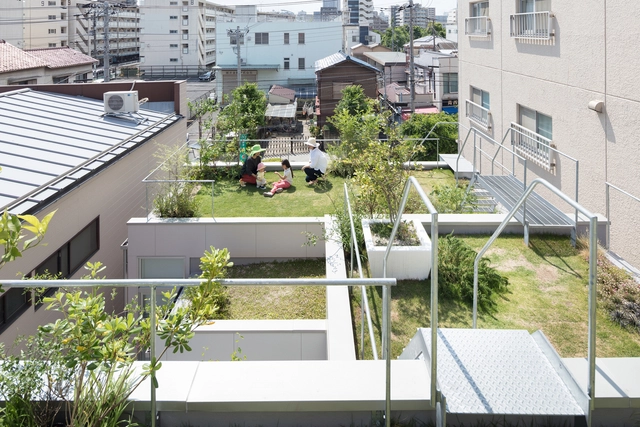
Architects: moss.
- Area: 55 m²
- Year: 2021
-
Manufacturers: Slaptone inc., plots inc.
-
Professionals: TATSU Planning, DESIGN STUDIO pintto

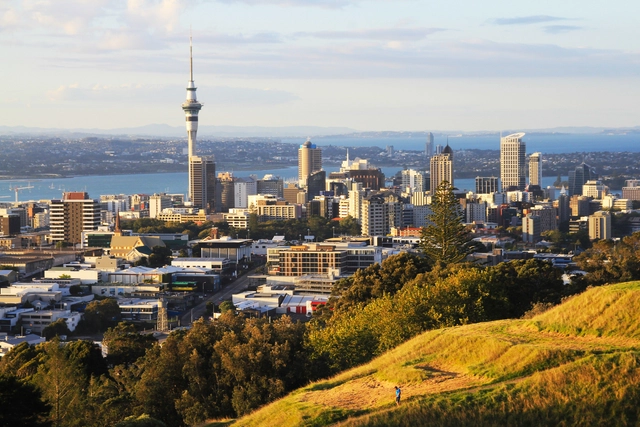
Auckland in New Zealand has topped the ranking in the 2021 EIU's annual world's most liveable city survey. Classifying 140 cities across five categories including stability, healthcare, culture and environment, education, and infrastructure, this year’s edition of the review has been highly affected by the global pandemic. Australia, Japan, and New Zealand took leading positions, while European and Canadian cities fell down the ranking.
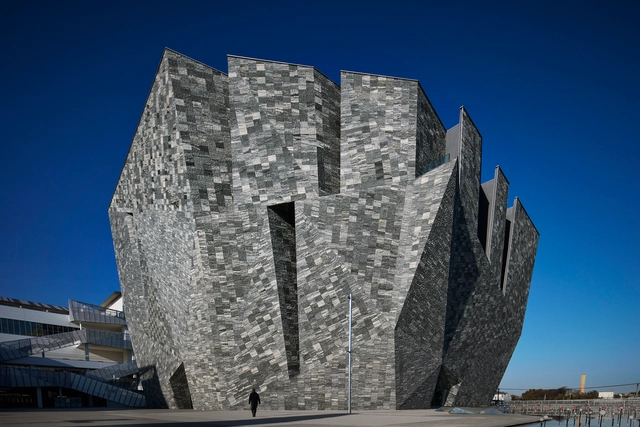
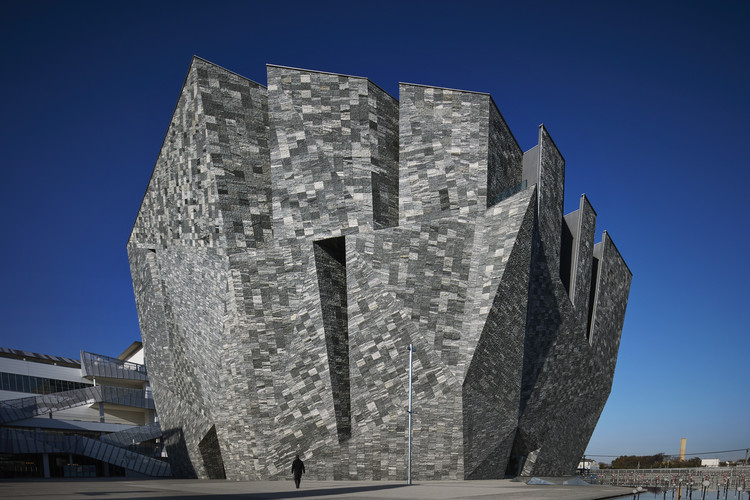
Talking to the Louisiana Channel, iconic Japanese architect Kengo Kuma discusses the many influences that have shaped his work - and also delves into the impact that the ongoing pandemic has had on the architectural field. In the interview, Kuma describes how influential his early upbringing was to his architectural career. Growing up in a small wooden house in the 1950s - originally built in 1942, would go on to guide his architectural perchance of using wood in his projects. Kuma also mentions Japanese architect Kenzu Tange as a key inspiration and cites Tange's Yoyogi National Gymnasium - constructed for the 1964 Summer Olympics in Tokyo - as a project that would influence him towards an architectural career.
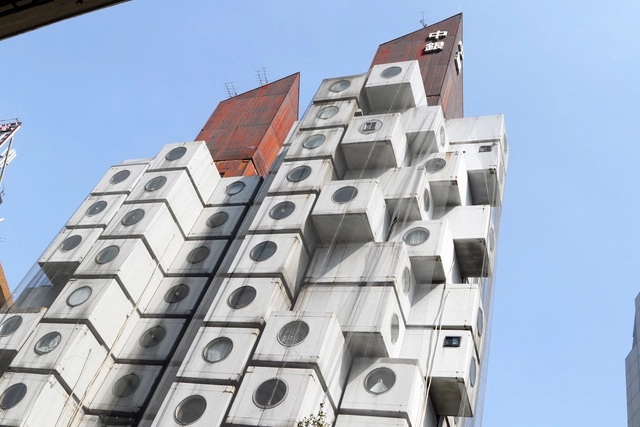
One of the most iconic examples of Metabolist architecture, Kisho Kurokawa's Nakagin Capsule Tower, might be headed for demolition, as the building was sold by the management association to the landowner earlier this year, as reported by Japan Forward. The tower's demise has been intensely speculated in recent years due to the structure's precarious state and incompatibility with current seismic standards.




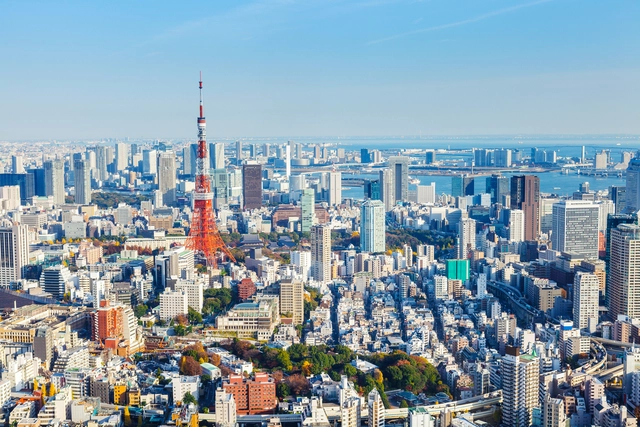
According to the United Nations’ latest report on populations in cities, by 2030, “urban areas are projected to house 60 percent of people globally and one in every three people will live in cities with at least half a million inhabitants”. Growing in both size and number, cities are hubs of government, commerce, and transportation, and in 2021, the world’s 20 largest cities are home to half a billion people. In fact, one in five people worldwide lives in a city with more than 1 million inhabitants.
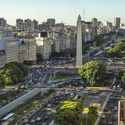
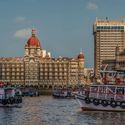
Below, we have rounded up the top 20 megacities in the world of 2021, according to the number of people that live in their metropolitan area. While Tokyo is the largest city on a global level, with a total of more than 37 million residents, the majority of the most populous cities in the world are in the two most populated countries, China and India. Among these, we have 5 metropolises in China, Shanghai, Beijing, Chongqing, Tianjin, and Guangzhou, and 3 in India, Delhi, Mumbai, and Kolkata. The largest city in the American continent is Sao Paulo in Brazil with 22 million people, followed by Mexico City and Buenos Aires in Argentina. Istanbul takes the 13th position with one part of the city lying in Europe and the other part in Asia.
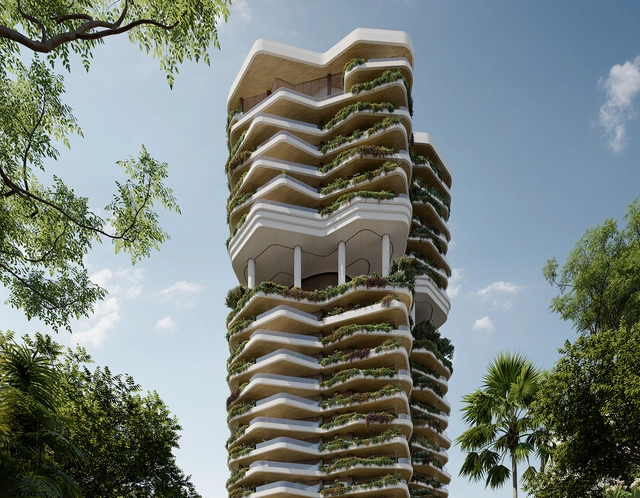
PLP revealed its design for a luxury residential tower in Singapore, featuring a lush vertical garden inspired by the city’s greenery. The biophilic design that blurs the line between indoor living areas and outdoor spaces strives to redefine metropolitan living by promoting health and wellbeing.
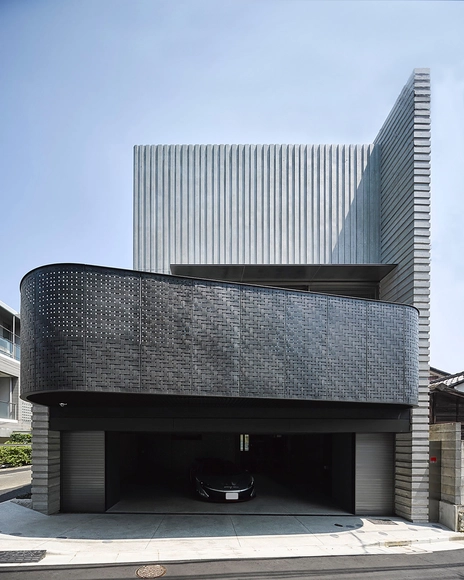
_Atchain.jpg?1617649894&format=webp&width=640&height=580)
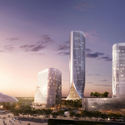
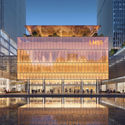
Japan plans on transforming the area around Shinagawa station into a global hub, further connecting Tokyo to the international scene of business and innovation. The Connecticut-based architecture firm Pickard Chilton recently completed the masterplan and concept design for the area's redevelopment into the Global Gateway Shinagawa, an innovative urban environment.
.jpg?1616605036&format=webp&width=640&height=580)
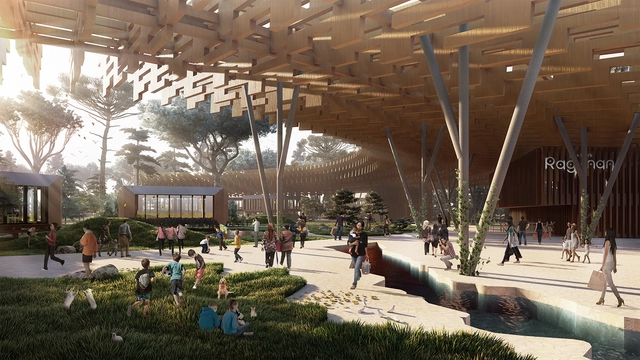
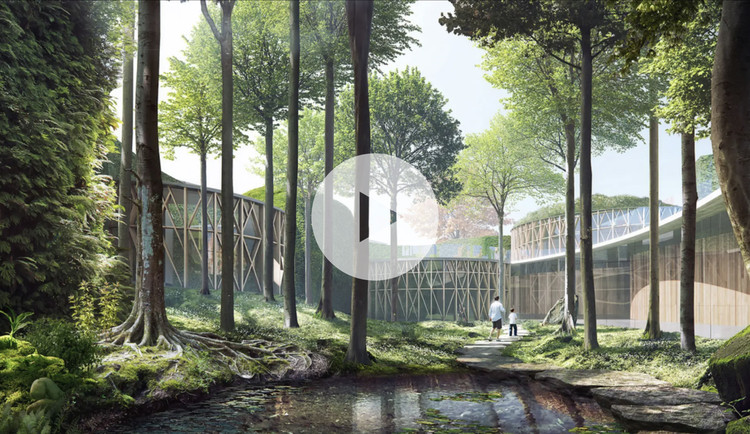
Focusing on competition entries, this week’s curated selection of the best-unbuilt architecture draws from proposals submitted by the ArchDaily Community to highlight award-winning design across the globe. Made for diverse programming, the entries each explore how to build upon the identity of local sites to win their respective competition. Together, they showcase contemporary formal, spatial and conceptual approaches.
The award-winning entries include a range of different projects: a mixed-use redevelopment proposal for a post war suburb of Antwerp, a high-rise on the site of a historic former Police HQ building in downtown Frankfurt, a leafy urban heat island proposal in Abu Dhabi, and a ‘Ireland House’ in Tokyo, which will bring diplomats and state agency personnel together under one roof. These are but a few of the best unbuilt architecture this week.





















_Lifang.jpg?1617649814 "© Lifang Courtesy of Pickard Chilton")
_Lifang.jpg?1617649761 "© Lifang Courtesy of Pickard Chilton")
_Lifang.jpg?1617649682 "© Lifang Courtesy of Pickard Chilton")
_Atchain.jpg?1617649557 "© Atchain Courtesy of Pickard Chilton")
_Atchain.jpg?1617649894)


.jpg?1616605043 "© Daici Ano")
.jpg?1616605166 "© Daici Ano")
.jpg?1616605449 "© Daici Ano")
.jpg?1616605516 "© Daici Ano")
.jpg?1616605036)