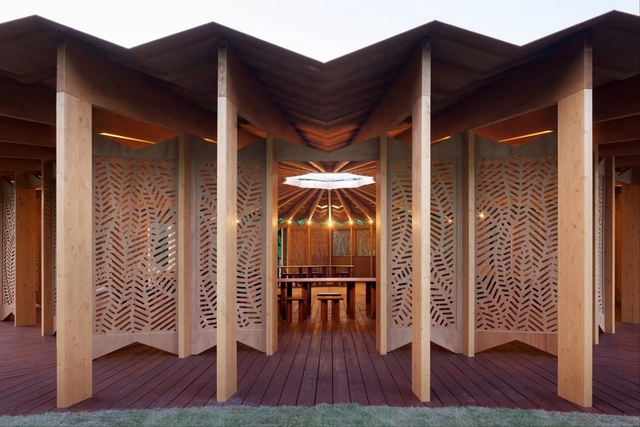
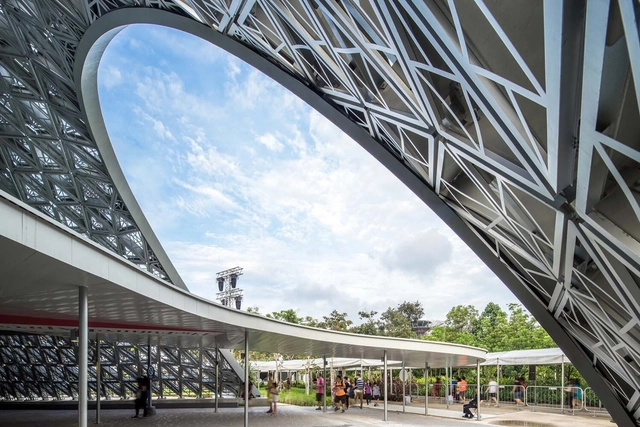
As you make your way through the symphony of wooden colonnades, leafy screen walls, and unfurled roofing, towards the converging veins of flooring and ceiling ribs leading to the light, it feels like a space that was always meant to be there. Part of the park, the pavilion complements the nature around it, reflecting its patterns, and illuminates a main interior feature: a concentric set of tables and stools that inspire people to sit at the moment, hold conversations, and connect with each other. This narrative tells the tale of this year's Serpentine Pavilion, designed by French-Lebanese architect Lina Ghotmeh.
Titled, À table, It draws inspiration from the designer’s connection with nature growing up and is reminiscent of the French call to sit together at a table, share a meal and enter a dialogue. It foregrounds the table as a laboratory of ideas, concerns, joys, connections, and essentially brings people together. It further reflects on the architectural ideals that can provoke and welcome moments of collective conversations.
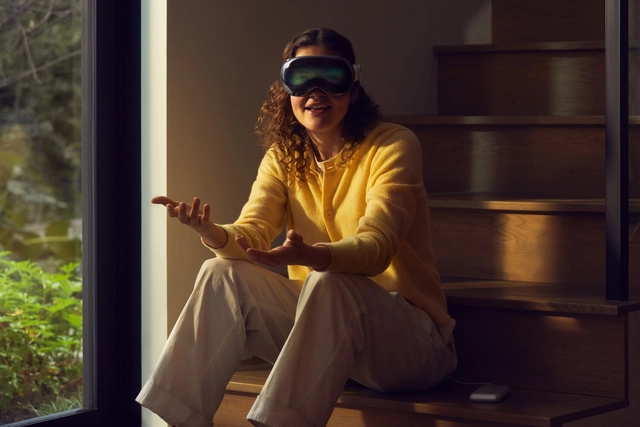
On June 5, Apple launched Apple Vision Pro, a new type of spatial computer that uses augmented reality goggles to allow users to experience a blend between the digital and physical worlds. The device promises to offer its users an infinite canvas for apps, larger and more immersive than traditional displays, while allowing them to stay present and connected to others. It features visionOS, the first spatial operating system to create this new way of interacting with digital content. Previous concepts like the metaverse have promised to transform the way we experience digital worlds, with architects taking the opportunity to delve into the design of restriction-free virtual spaces. Could this new device bring new ways of experiencing three-dimensional spaces, to better integrate architecture with digital environments?
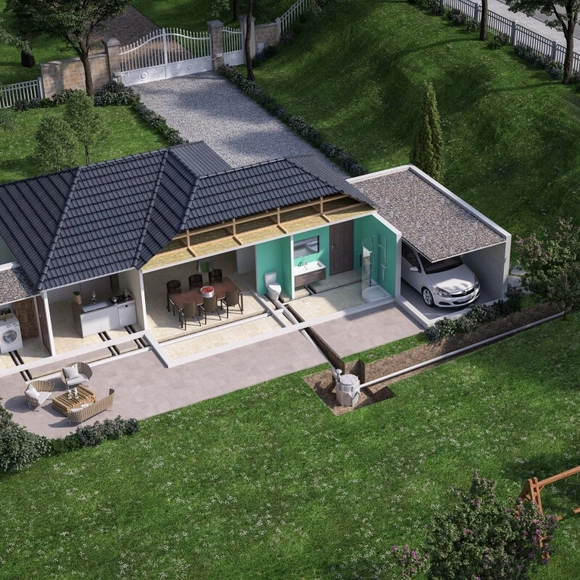
Ancient civilizations like the Egyptians, Greeks, and Romans understood long ago the importance of sanitation and wastewater management, building elaborate sewage systems by using underground drainage channels to carry wastewater away from their cities. These systems relied on gravity to transport wastewater to nearby bodies of water, since water cannot flow upward without being pumped. Today, many sewage systems continue using gravity in a similar way, with a suitable slope that facilitates the flow of wastewater downhill to treatment facilities or other infrastructure. This also occurs inside private lots, where a height difference is needed between the building's piping and the urban drainage or sewage system. But there are times when the available height difference is not sufficient, or when the system is lower than necessary, causing gravity to get in the way, and making the system impossible to function in turn.
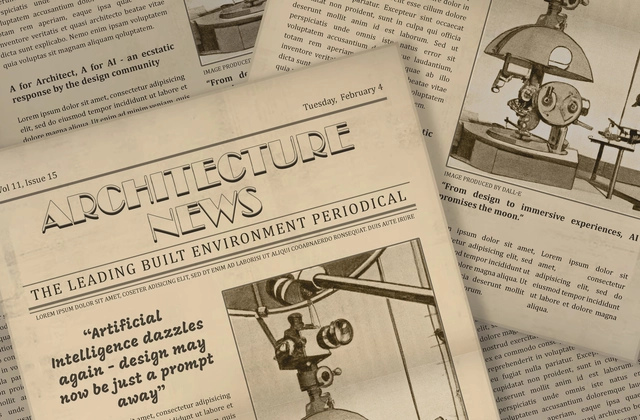
It’s here! The 21st-century digital renaissance has just churned out its latest debutante, and its swanky, sensational entrance has sent the world into an awed hysteria. Now sashaying effortlessly into the discipline of architecture, glittering with the promise of being immaculate, revolutionary, and invincible: ChatGPT. OpenAI’s latest chatbot has been received with a frenzied reception that feels all too familiar, almost a déjà vu of sorts. The reason is this: Every time any technological innovation so much as peeks over the horizon of architecture, it is immediately shoved under a blinding spotlight and touted as the “next big thing.” Even before it has been understood, absorbed, or ratified, the idea has already garnered a horde of those who vouch for it, and an even bigger horde of those who don’t. Today, as everyone buckles up to be swept into the deluge of a new breakthrough, we turn an introspective gaze, unpacking where technology has led us, and what more lies in store.
Can current design and manufacturing technologies be incorporated into vernacular and traditional construction techniques? On the IE University campus in Segovia, a group of researchers from IE University, Princeton University, and the University of Bergamo built an unreinforced masonry structure called innixAR that demonstrates how digital technologies can enhance craftsmanship. This pavilion explores the intersection between the latest augmented reality (AR) innovations and 4D funicular design to allow vault craftsmen to build masonry structures without the need for physical guides and costly temporary molds.
Cities are a canvas for architectural creativity and the dynamism of urban life. In recent years, they have taken on an additional role: that of living laboratories for innovative architecture and urban design. International cities have become experimental grounds for architectural technology, sustainable practices, and human-centered design principles to be tested and refined. This paradigm shift has not only transformed the physical aspects of urban environments but has also redefined the relationship between architecture, community, and the built environment.
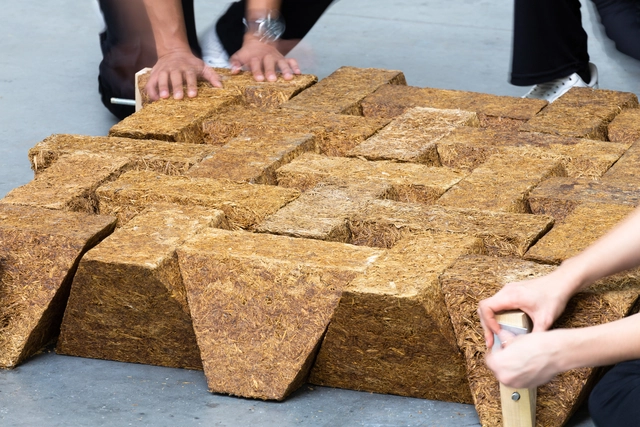
Finding effective and valuable solutions for agricultural waste management has been an inspiring challenge for researchers. By-products from monocultures, such as residues from soybean production, corn cobs, straw, sunflower seeds, and cellulose, are often destined for soil composting, used as animal feed, or even converted into energy in order to reduce waste and mitigate the environmental impacts associated with agricultural activities. Sugarcane production, for example, generates a significant amount of by-products, totaling about 600 million tons of bagasse fiber waste from an annual production of two billion tons of sugarcane. This by-product has a promising potential to replace energy-intensive building systems, such as concrete and brick, by providing building materials that combine sustainability and structural efficiency.
With this perspective in mind, the University of East London (UEL), in partnership with Grimshaw Architects and manufacturer Tate & Lyle Sugar, has developed an innovative building material called Sugarcrete™. The aim of the project is to explore sustainable building solutions by recycling biological by-products from sugarcane, which in turn reduces carbon emissions in the construction industry – all while prioritizing social and environmental sustainability during the production and implementation of these building materials.
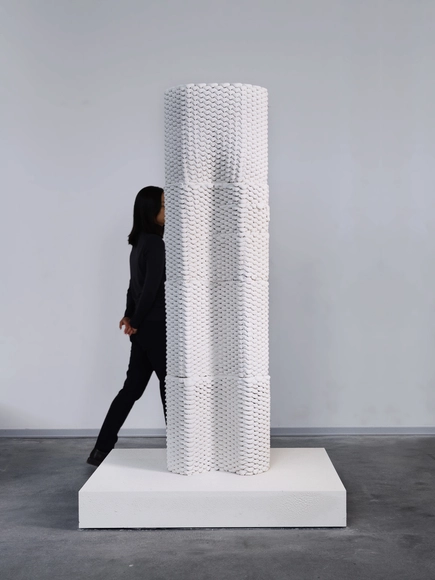
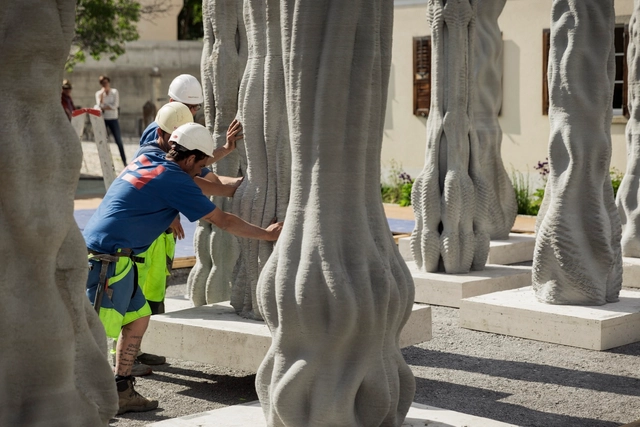
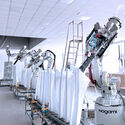
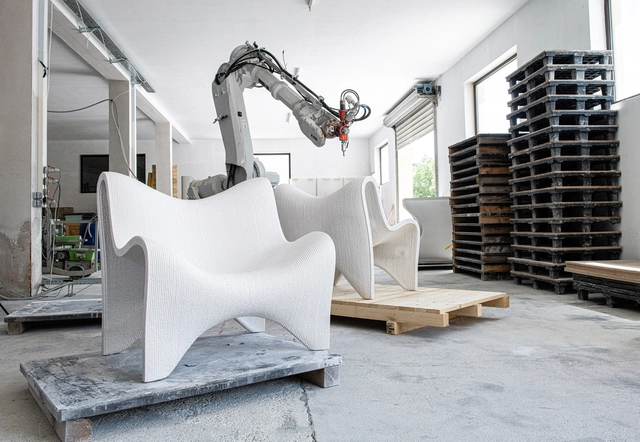
Harnessing the power of moldless manufacturing through large-scale robotic 3D printing, research at ETH Zürich in collaboration with FenX AG delves into the use of cement-free mineral foam made from recycled waste. The objective is to build wall systems that are monolithic, lightweight, and immediately insulated, minimizing material use, labor requirements, and associated costs.
Professionals in the AEC industry are well aware of the issues that grapple the built environment. That the construction industry is the largest consumer of materials and is responsible for 40% of all carbon emissions is a commonplace fact. Construction work is also a large waste generator and could greatly benefit from circular design principles. Almost three-quarters of all construction projects tend to be over budget, and nearly half of the spending on buildings goes into the overheads. In a fast-paced world with multi-faceted challenges, technology, and digitization seek to deliver significant solutions.
“Can you help me design my residential tower? It's 30 stories and located in Brooklyn, New York.” ChatGPT’s response may be surprising. Given that the bot has no architectural experience, and is certainly not a licensed architect, it was quick to rattle off a list of considerations for my building. Zoning codes, floor plan functionality, building codes, materiality, structural design, amenity spaces, and sustainable measures were just a few of the topics ChatGPT shared information about.
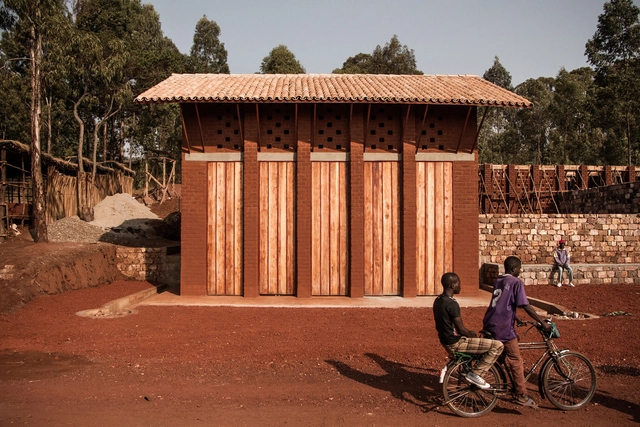
Library of Muyinga. Image Courtesy of BC Architects
Nowadays, the understanding of our building culture and the application of local construction methods may seem like a distant and obsolete concept given the role of industrialization and globalization in the construction industry. We can now obtain almost any material from around the globe just by searching the internet for a distributor in our region. But this practice has important implications for our society, from the loss of architectural identity to environmental costs related to high CO₂ emissions associated with the processes of extraction, manufacturing, transportation, and disposal of these materials.
The increasing global need to reduce our carbon emissions and use materials in more efficient ways has led us to research and learn about the origin of our region's resources, eventually leading to better understanding their applications within a circular economy approach. But why not look right under our feet? Soil is one of the most common materials on the planet, and when it is locally sourced, it does not generate considerable amounts of embodied CO₂. It seems that after industrialization, we have forgotten that building with earth was for many years a viable construction method for our ancestors in different parts of the world. We spoke with Nicolas Coeckelberghs, one of the four founders of BC Materials, a worker cooperative based in Brussels that has been working with earth, rediscovering its use, and sharing its knowledge on a global scale while working with a local conscience.
https://www.archdaily.com/999074/building-with-waste-transforming-excavated-earth-into-architectureEnrique Tovar
Do you remember seeing images of designers leaning over large sheets of paper, usually in spaces that resemble warehouses, concentrating on their own technical drawings? While some may view these images with nostalgia for a simpler time as a sign of working passionately in the architecture, engineering and construction industry, many others might shudder at the thought of doing an entire project with an India ink pen, and especially without the convenience of the Undo tool (CTRL+ Z or command + Z). From the first CAD programs to the powerful modeling programs we have today, computing technology has radically transformed the landscape of AECO offices. In the past, integrating multiple designs required overlapping sheets of tracing paper; but today, we have a variety of software that produce files with numerous extensions, saved versions, sizes, and which often require powerful machines to run. With the growing adoption of remote and hybrid work in AEC organizations, implementing the right computer systems can be a major challenge.
Fueled by pressing issues such as the climate crisis, population density and rapid urbanization, the built environment has become increasingly complex. Architecture and design professionals are faced with a challenging, yet fundamental task: to translate society’s ever-evolving needs into tangible and future-oriented solutions. In pursuit of this goal, they must embrace the countless tools, materials and technologies emerging every day in the construction field –from AI to virtual reality software and smart home systems. After all, to remain at the forefront in an industry where change is the norm, the ability to adapt and evolve is crucial for success.
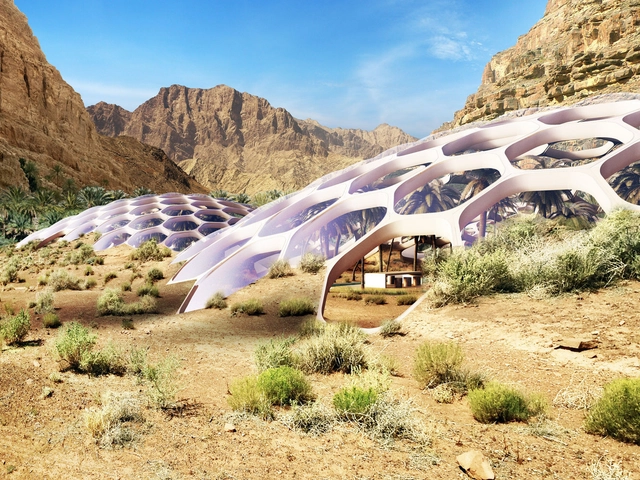
"Biodomes" in the mountains of the United Arab Emirates seek to promote ecotourism. Courtesy of Baharash Architecture
Buckminster Fuller's obsession with geodesic shapes placed them in architectural history. The spherical appearance and the complex structural framework gained different appropriations and scales over the years, one of the most iconic works being the Montreal Biosphere, the US pavilion for the 1967 World Expo, designed by him. These structures emerged from his interests in material efficiency, structural integrity and modularity. Back in the 60s, he understood these features as essential for a sustainable and easily replicable intervention
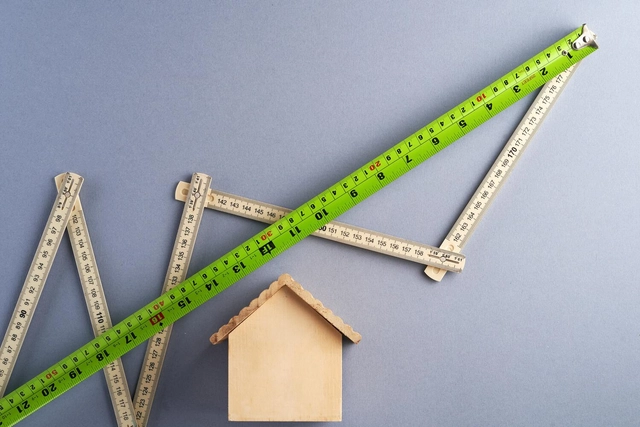
Animals measure distances and weight for their survival. On the other hand, stemming from their need to communicate to live in society, humans created languages and, later, established the standards of measuring. Whether for moving around, portioning food, making tools, or calculating the weight of objects and animals, measurement standards arise from this need that was already present in human activities in the age of chipped stone and has been with us ever since. Nowadays, most of the world's population uses meters and centimeters to measure distances. These standards come from the need to establish comparisons that allow trade between peoples and also from political and social disputes.
“Our planet is choking in plastic,” states the United Nations. While the man-made material has many valuable uses, our addiction to single-use plastic products has led to severe economic, health and environmental issues. Roughly one million plastic bottles are purchased every minute, and five trillion plastic bags are used every year worldwide –used just once, then thrown away. Plastics and microplastics have found their way into every corner of our natural environment, from the peaks of the highest mountains to the depths of the deepest oceans. So much so, that they have become part of the Earth’s fossil record and created an entirely new marine microbial habitat known as the “plastisphere.”
Can you imagine being able to prototype a piece of furniture at the touch of a button and testing it in just a few hours? This might become a common practice sooner than we may think. Fueled by material innovation, automation and cutting-edge technology, a new era in home decor is emerging; one where 3D printing opens up a world of creative possibilities that transcend the bounds of traditional design. Yes, furniture is still mass-produced using conventional methods –molding, cutting, bending–, but 3D printing continues to disrupt the industry. As the revolutionary technology evolves and becomes more accessible, it has unleashed an unparalleled level of creative expression and efficiency. The concept is simple: a digital design is created using 3D modeling software and then printed, layer by layer, in the form of a physical object, bringing complex geometries to life. It’s a whole new kind of digital craftsmanship.
Through shapes, colors, and the elements on their facades, many architects have sought to bring a sense of movement to works that are otherwise physically static. Santiago Calatrava, Jean Nouvel, and Frank Gehry are only a few of the masters who managed to provide a dynamic effect to motionless structures, highlighting the work in context using formal strategies borrowed from the plastic arts. In other cases, however, architects have also opted for physically kinetic structures that could bring a unique aesthetic or functional dimension to the work.