Architecture goes beyond its fundamental function of defining spaces and providing protection; it shapes the user experience, influencing sensations of comfort, spaciousness, and well-being. Among the many elements that make up a building, openings play a crucial role in connecting the interior and exterior, balancing privacy with transparency, and allowing the entry of natural light and ventilation. In particular, natural light transforms environments, defines atmospheres, and enhances architectural details, making spaces more dynamic and inviting.
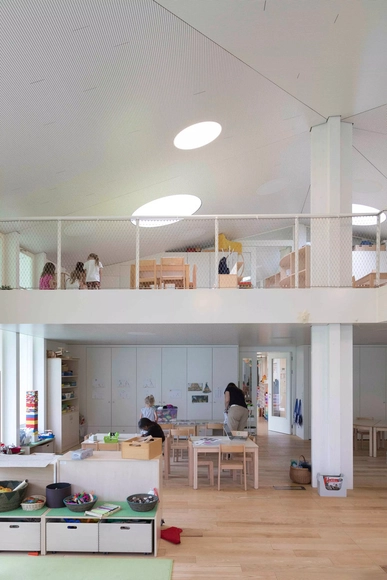
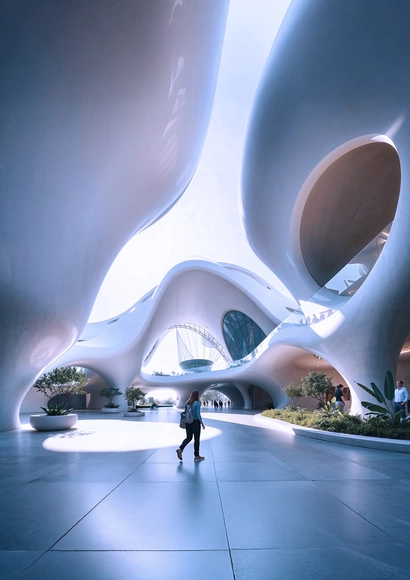
Windows, once simple openings in walls, have evolved through advancements in materials and technology, maximizing efficiency and expanding their role in architectural design. If Gothic architecture showcased marvelous glazing through towering stained glass windows, modern architecture shifted toward horizontal forms and fully glazed facades, transforming how daylight is integrated into spaces. However, relying solely on facade glazing presents a limitation—natural light is often confined to the building's perimeter, leaving central areas in shadow. Overhead openings, such as skylights and flat roof windows, overcome this challenge by channeling daylight deep into interior spaces, reducing reliance on artificial lighting.
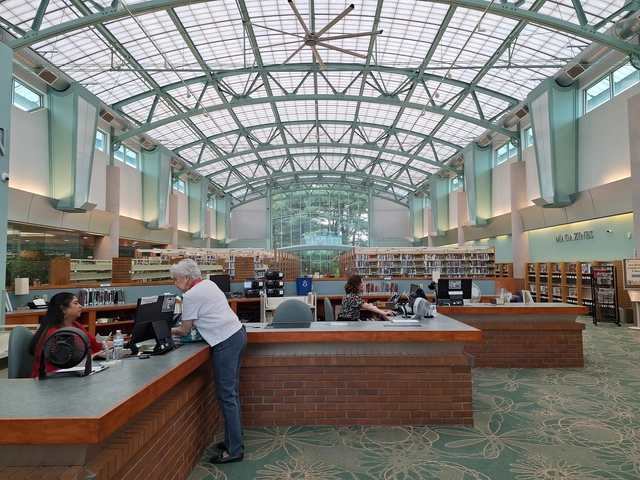
In the construction sector, the pursuit of immediate cost savings during the design or building phase—whether through hiring less qualified professionals, using low-quality materials, or modifying construction systems without technical backing—can lead to financial losses and future rework, compromising a building's performance and durability. The Franklin Township Library in Somerset, New Jersey, is a clear example of the consequences of inadequate material choices, particularly regarding energy efficiency and carbon footprint.
During its construction in 2005, the originally specified Kalwall translucent fiberglass-reinforced polymer (FRP) panels were replaced with polycarbonate panels on the roof to achieve an initial savings of $90,000. This seemingly harmless decision quickly proved problematic, resulting in significant operational challenges.
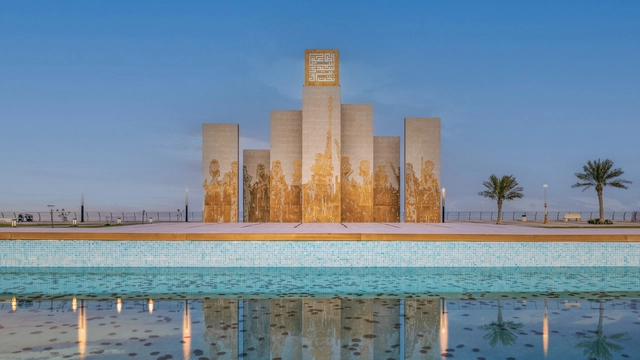
Saudi Arabia is undergoing a remarkable transformation, guided by Vision 2030, with investments in tourism, culture, technology, and sustainability reshaping the Kingdom's identity. As part of this cultural evolution, the Mujassam Watan Urban Sculpture Challenge, organized by Buildner in partnership with the Mujassam Watan Initiative (an initiative by Al Fozan Social Foundation), invites architects and artists to shape Saudi Arabia's evolving public spaces through contemporary sculptural design.
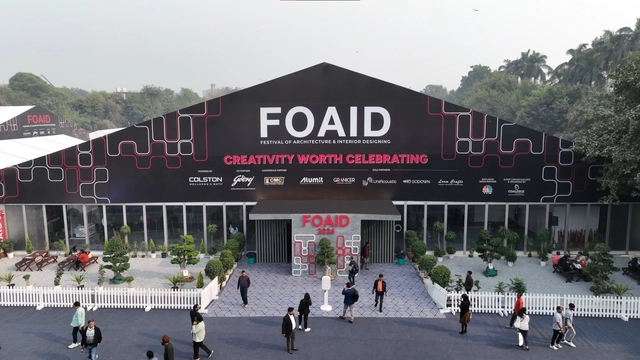
Architecture and design today are not just about constructing an urban sprawl or focusing solely on spatial design, rather they involve the integration of diverse elements and ideologies that enrich one's work and environment. This is where 'FOAID- Festival of Architecture and Interior Designing' comes in, celebrating a legacy of 11 years. This event has it all, be it architects, designers, brands, artists, or innovators from across the nation and around the globe, all united in one single platform. With over 10,000 visitors, the event aimed to exhilarate the connected yet fragmented design world, showcasing Avant-garde design techniques and celebrating the legacy of established patrons and emerging talents in the design fraternity. Additionally, they promoted interdisciplinary networking opportunities strengthening the architectural community's impact on society. In collaboration with CNBC TV18, the event marked its marvelous presence in New Delhi on November 22nd -23rd at NSIC Ground and December 20th -21st at the Jio Conventional Center in Mumbai.
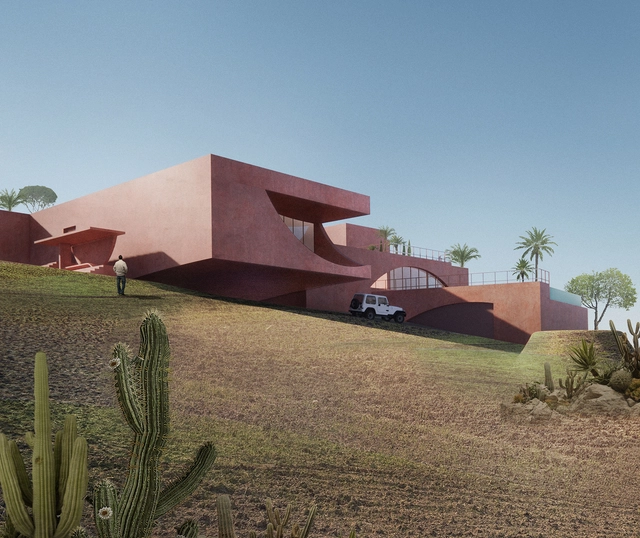
Buildner has released the results of the Morocco Oasis Retreat Competition, an international design challenge inviting architects, designers, and urbanists to envision a self-sustaining oasis in the Moroccan desert. Participants were tasked with designing an architectural intervention that responds to the region's extreme climate, integrating shelter, water conservation strategies, and energy-efficient design.
The competition encouraged exploration of how architecture can support resilience in remote environments while drawing from both traditional building techniques and modern sustainability principles. Entrants had the flexibility to determine the scale and purpose of their projects. Key considerations included passive cooling strategies, resource management, and integration with the desert landscape. The competition highlights the role of architecture in creating functional and sustainable spaces in challenging environments. Full details on the winning projects are available on the Morocco Oasis Retreat Competition website.
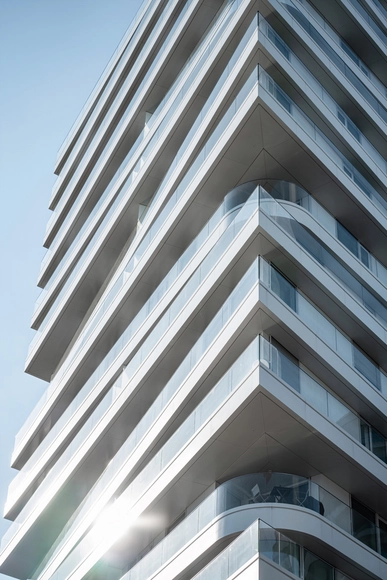
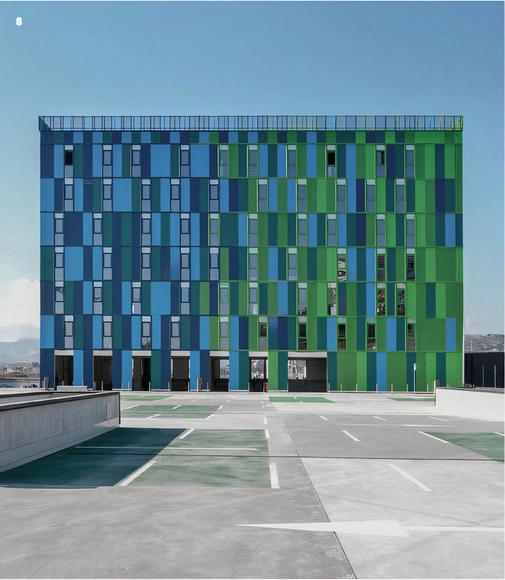
In the Port of Hamburg, the "FiftyNine" rises as a 16-story residential tower that combines elegance and technical sophistication to withstand the demanding weather conditions of the harbor. Here, 60 floor-to-ceiling air-lux sliding windows have been installed – with impressive dimensions of up to 5400 x 3085 mm. Thanks to the innovative, air-assisted sealing system, they withstand heavy driving rain, intense wind loads, and high noise pollution.
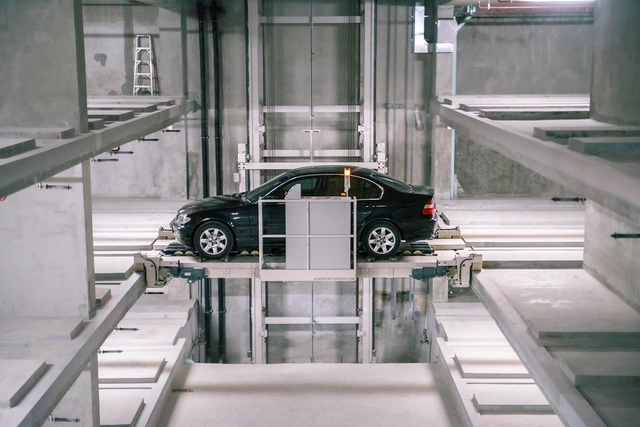
In the world of urbanization, space is becoming a scarce commodity. Cities are bursting at the seams, with limited space for both private and public development. This creates a need for a shift towards more efficient urban planning that would combine aesthetic design with high functionality. MPSystem robotic parking offers the perfect solution by combining function and architectural design freedom.
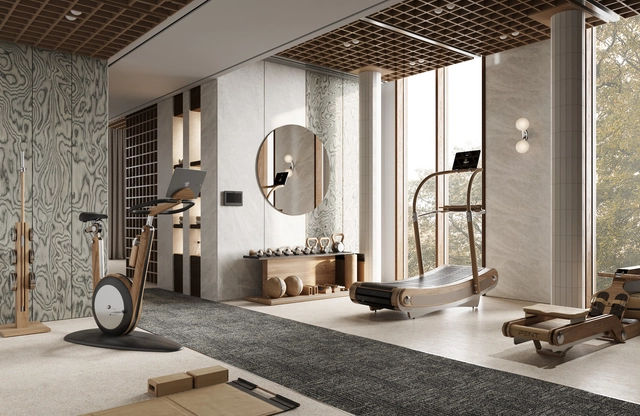
As time progresses, our understanding of the spaces we inhabit evolves in response to changing circumstances. This transformation is natural and essential, as architecture must adapt to the unique demands of each era. Recent global trends, particularly remote work, have highlighted the need for adaptability in design. Coupled with a generational shift that brings fresh perspectives on the built environment, these factors have driven notable changes in interior design, reshaping our understanding of comfort—not just at home but also in gyms, where people now spend more time. This evolution invites a reconsideration of how we engage with our surroundings based on our experiences. As a result, fitness spaces are undergoing an interesting transformation in light of these changing perceptions.
https://www.archdaily.com/1022906/reimagining-gym-spaces-the-rise-of-design-driven-fitness-experiencesEnrique Tovar
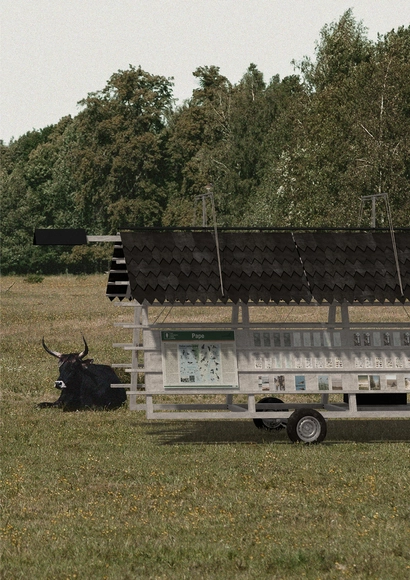
Buildner has released the results of its Pape Info PointCompetition, organized in partnership with The Latvia Programme of the World Wide Fund for Nature (WWF Latvia) which focuses on environmental conservation, biodiversity protection, and sustainable resource management in Latvia.
This international competition invited architects and designers to propose a new visitor information point for Pape Nature Park, a protected area on Latvia's Baltic coast. Participants were challenged to design a structure that enhances the park's role in conservation and ecotourism while blending harmoniously with the surrounding landscape. The goal was to create an engaging and educational space that informs visitors about the park's rich biodiversity, migratory bird populations, and unique ecosystems while maintaining a minimal environmental footprint.
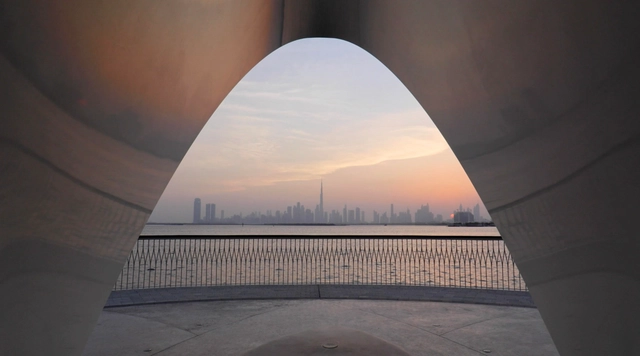
Buildner in collaboration with the Dubai Roads and Transport Authority (RTA), invites architects, designers, and visionaries worldwide to participate in theDubai Urban Elements Design Challenge. This international competition seeks innovative designs for small-scale architectural elements that enhance public spaces and contribute to Dubai's evolving urban identity.
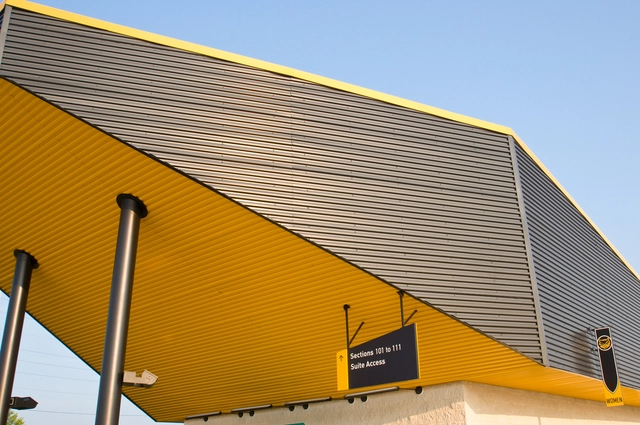
Metal roofs have a long history dating back to ancient civilizations, with early examples found in Roman and Byzantine architecture, where copper and lead sheets were used for durability and weather resistance. During the 19th century, advances in industrial manufacturing led to the widespread adoption of corrugated iron and steel roofing, which became popular for their strength, affordability, and ease of installation. Today, modern metal roofing systems use materials such as aluminum, galvanized steel, and zinc, offering superior performance against extreme weather conditions, fire resistance, and energy efficiency. These surfaces can be designed in various profiles, including standing seam, corrugated, and metal shingles, allowing for aesthetic flexibility and structural integrity. Additionally, reflective coatings and insulation options contribute to energy savings, making metal roofs a preferred choice for sustainable and long-lasting building solutions.
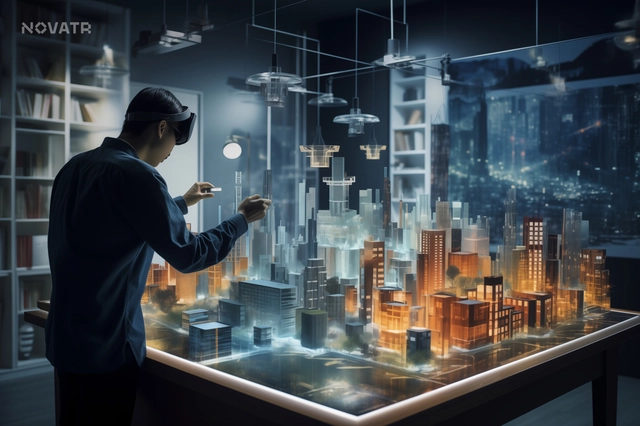
For many years, technology has been shaping the future of various industries, and the architecture, engineering, and construction (AEC) industry is no different. Initially, architects used to draw sketches on paper, which later progressed to 2D drawings, 3D digital blueprints, and now BIM—these technological advancements have changed how modern architects approach design by making it more sustainable and efficient. According to the 2024 RIBA AI study, 57% of architects believe AI will improve design process efficiency, and 54% expect to integrate it into their practice within the next two years.
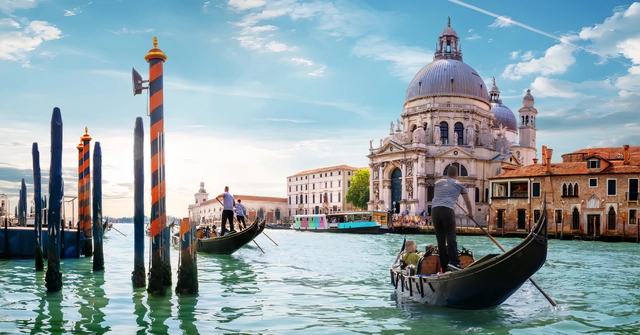
For the 5th Anniversary Edition of the "Monaco Smart & Sustainable Marina Rendezvous", M3 Monaco unveils the new theme of its annual international architecture competition. Students, young architects, and professionals are challenged to imagine a new vision or rethink the development of Certosa Island's infrastructure in Venice, creating a unique dialogue that incorporates regenerative tourism, the maritime journey, the UNESCO World Heritage listing, and the context of "La Serenissima."
As the construction industry intensifies its efforts towards sustainability, architects and developers are actively seeking innovative solutions to reduce the environmental footprint of buildings. Trimo, a global leader in architectural façade and roofing solutions, is at the forefront of this transformation with its NEXT product range—Qbiss One NEXT and Trimoterm NEXT—which are setting new standards in sustainability. Designed to support the global shift to net-zero carbon construction, these products embody cutting-edge technology, lower carbon emissions, and high recyclability, all while delivering superior performance and aesthetics.
Leonardo.ai. AI-generated image by ZIGURAT Institute of Technology. Image :Courtesy of ZIGURAT
"We stand on the brink of a revolution in construction. The introduction of Artificial Intelligence is set to inevitably transform a sector that has, until now, been traditional and scarcely digitalized. Soon, we will witness a paradigm shift in how we approach every stage of the construction process, and industry professionals must lead the change," warns Lilian Ho, BIM & Digital Leader in AEC industry.
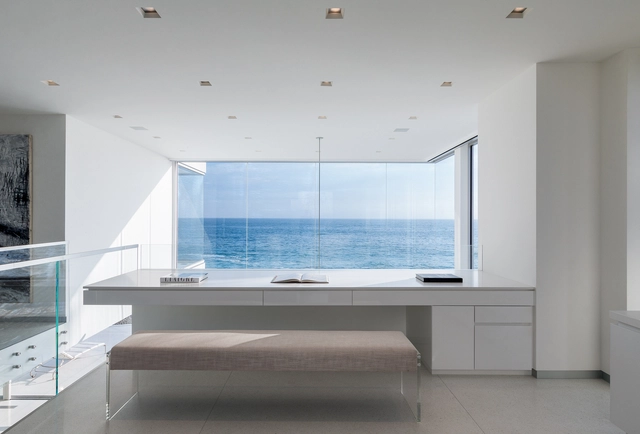
Challenging conventions has been a constant in artistic production throughout history, always seeking to reframe established limits. In the 20th century, societal, historical, and technological changes created the perfect context for profound architectural reconfiguring. In this process, modernism introduced new ideas around functionality, breaking with the ornamentation of the past. However, building on that foundation, minimalism further refined the reduction of form to its essence. Focusing on the relationship between space, restraint, and light, the Minimalist movement transformed contemporary architecture and interior design, turning windows into a fundamental resource for sensory perception and interaction with the atmosphere and space, opening up a realm of introspective, sensitive, and refined exploration.
https://www.archdaily.com/1027602/frameless-is-more-how-minimalist-windows-shape-architectural-atmospheresEnrique Tovar
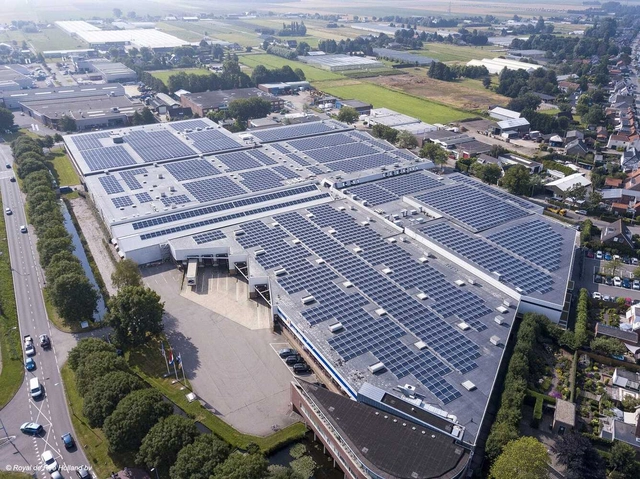
Transforming urban buildings into clean energy plants is a bold and powerful strategy to combat the climate crisis, reduce dependence on centralized grids, and promote more resilient, sustainable cities. Since 2010, cities have been responsible for over 75% of global electricity use, a demand historically met by fossil fuels as urbanization has increased since the Industrial Revolution. By the late 19th century, hydroelectric power began gaining relevance as a renewable alternative. However, with rapid advancements in solar technology, urban buildings now have the unprecedented potential to become self-sufficient power hubs.
In a world facing resource scarcity, rapid digital transformation, and evolving societal demands, the need for dynamic dialogue between architects, designers, product developers, and manufacturers has never been more crucial. In 2025, the ICONIC AWARDS will take things further with an expanded and refreshed platform that unites architecture, interior design, and product innovation—spanning from buildings to furniture—all under one roof. The German Design Council is merging the former "Innovative Architecture" and "Interior Products" awards to create a powerful new stage for visionary ideas and groundbreaking solutions.