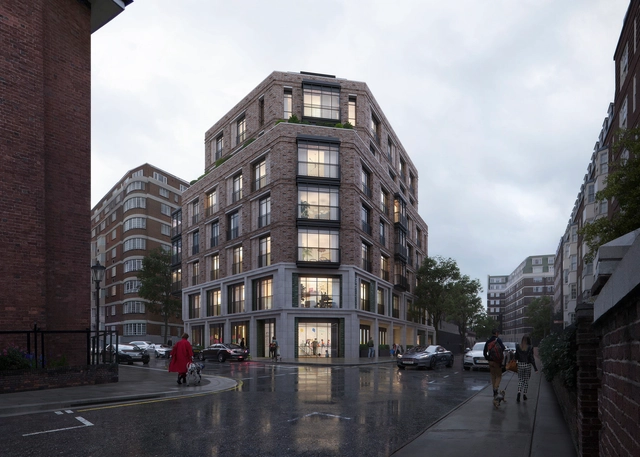
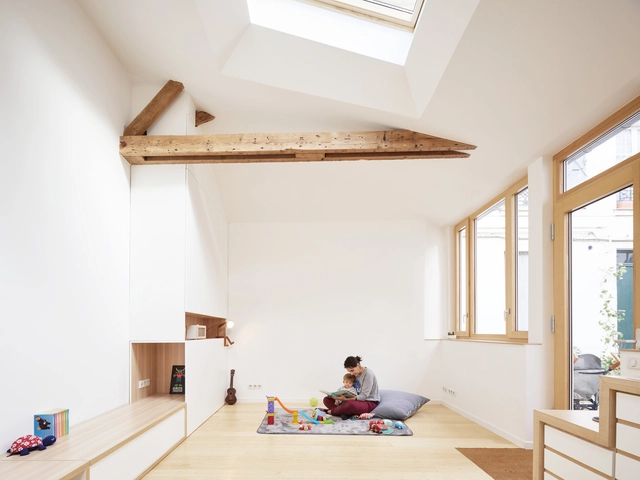
Kohn Pedersen Fox Associates (KPF) has just received planning consent for Lucan Place in Chelsea, a mixed-use project that provides new homes, nursery, and specialist educational accommodation. The project, a redevelopment of the site of the former Chelsea Police Station, will generate a total of 31 new homes, as well as social and community functions.
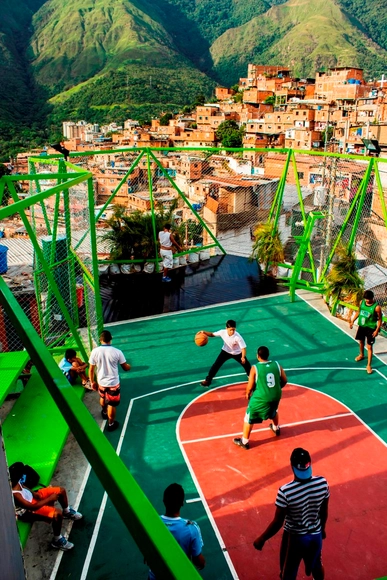
Espacios de Paz / PICO Estudio & Movimiento Por la Paz y la Vida. . Image Cortesía de ASF International Awards
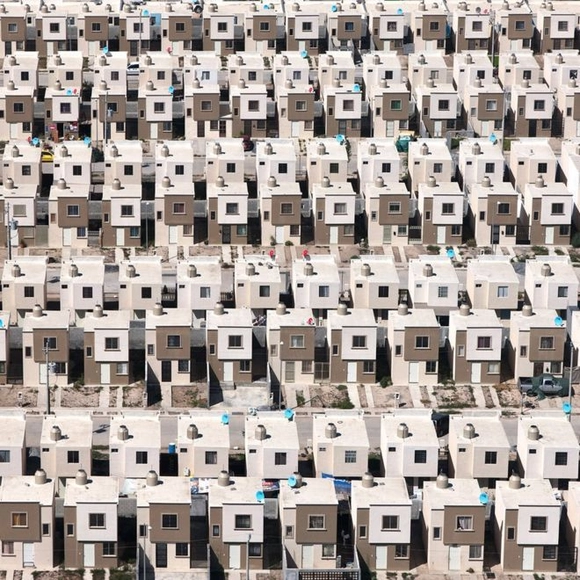
The series of articles developed by Nikos A. Salingaros, David Brain, Andrés M. Duany, Michael W. Mehaffy and Ernesto Philibert-Petit researches the peculiarities of social housing in Latin America.
This time, the proposal focuses on how human health and well-being depend on the geometry of the environment. Check the previously published pieces and the new article, below.
https://www.archdaily.com/922149/socially-organized-housing-biophilia-connectivity-and-spiritualityNikos A. Salingaros, David Brain, Andrés M. Duany, Michael W. Mehaffy & Ernesto Philibert-Petit
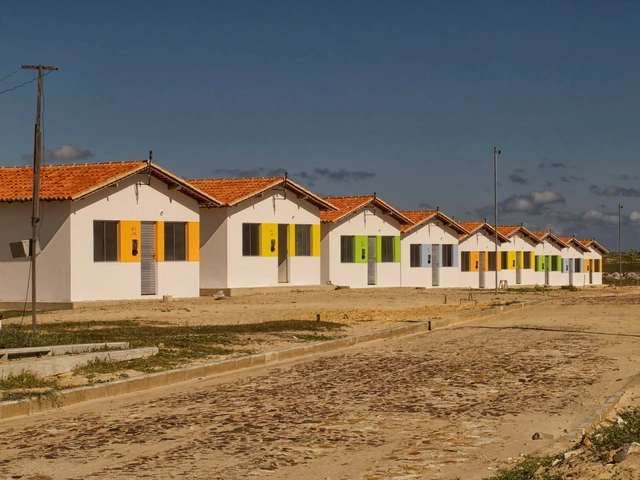
Program Minha Casa Minha Vida - Luís Correia/PI. Foto: Otávio Nogueira, via Flickr. Licencia CC BY 2.0
Having explored the design that establishes 'emotional ownership' and the antipatrons of social housing, Nikos A. Salingaros, David Brain, Andrés M. Duany, Michael W. Mehaffy and Ernesto Philibert-Petit continue their series of articles on social housing in Latin America. This time, the proposal studies how control influences the urban form and the form of housing.
https://www.archdaily.com/917182/socially-organized-housing-the-geometry-of-controlNikos A. Salingaros, David Brain, Andrés M. Duany, Michael W. Mehaffy & Ernesto Philibert-Petit
Last week, we asked our social media followers, "What does public architecture mean to you?" These thoughts are intrinsic to the architectural debate and come into play in various types of projects, especially in those related tothe planning of common-use spaces in cities.
Continuing the series of articles developed by Nikos A. Salingaros, David Brain, Andres M. Duany, Michael W. Mehaffy, and Ernesto Philibert-Petit, in this article we'll be exploring how observations on social housing in Latin American have been approached from an outdated and antagonistic point of view. Notions and errors committed in previous studies - in some cases simply by inertia - are discussed in the Latin American context, and propose adaptable solutions focused on the long-term, urban roots of residents.
https://www.archdaily.com/914752/anti-patterns-of-social-housing-in-latin-americaNikos A. Salingaros, David Brain, Andrés M. Duany, Michael W. Mehaffy & Ernesto Philibert-Petit
With the aim of generating an architecture that incubates the wellbeing, self-realization, and fulfillment of its inhabitants to become the best version of themselves, CEBRA has launched an ambitious Research and Development Program (R&D) called WISE (Work, Innovation, Space and Education).
As explained by its creators, the purpose of WISE is "to bridge the ongoing and rapid change in the sectors of workspace and education to inform the design of buildings that stimulate learning and innovation. We are connecting ideas of the foremost thinkers of education and entrepreneurship, research and studies in sensory stimuli, cognitive psychology, and behaviorism with architecture."
We spoke with Carsten Primdahl, founding partner of CEBRA, and Klaudio Muca, R&D Architect at CEBRA, to better understand the approach and expected results of the program.
Developed by Nikos A. Salingaros, David Brain, Andrés M. Duany, Michael W. Mehaffy, and Ernesto Philibert-Petit, this series of articles offers here a set of evidence-based optimal practices for social housing, applicable in general situations. Varying examples are discussed in a Latin American context. Adaptive solutions work towards long-term sustainability and help to attach residents to their built environment.
They propose, then, new insights in complexity science, and in particular the work of Christopher Alexander on how to successfully evolve urban form. By applying the conceptual tools of “Pattern Languages” and “Generative Codes”, these principles support previous solutions derived by others, which were never taken forward in a viable form.
https://www.archdaily.com/913586/socially-organized-housing-design-that-establishes-emotional-ownershipNikos A. Salingaros, David Brain, Andrés M. Duany, Michael W. Mehaffy & Ernesto Philibert-Petit
Architects are increasingly aware of our influence on the well-being and good health of the users of our projects. Natural lighting –and how it should be complemented with artificial lighting– is an essential factor to consider for the visual comfort of interior spaces. But, do we know how to handle it correctly?
Architects' general ignorance about the needs and requirements of people with special needs is worrisome. Beyond complying with mandatory regulations (different in each country), the quality of life for different-abled people depends on specific and daily factors that go beyond a railing or a ramp, and are often left in the hands of professionals who have never dealt with such issues.
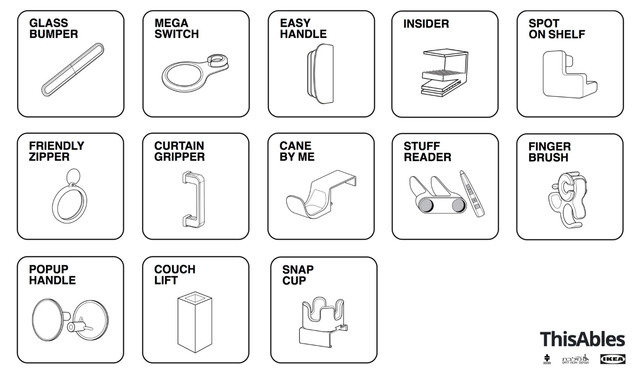
This Ables, a project developed by IKEA and the non-profit organizations Milbat and Access Israel, provides an excellent resource for how to create an equitable design in the smallest and simplest of details. From door handles that are can be opened with a forearm to a couch lift that enables users to sit down and get up easily, these 13 products are available to the general public on ThisAbles.com. Some products can even be 3D-printed independently.
See the video below for more details of the project.
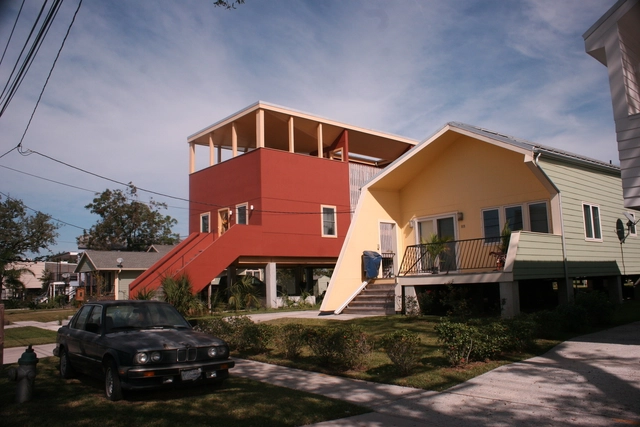
This article was originally published on CommonEdge as "Rob Walker on the Mistakes of Brad Pitt's Make it Right."
I will start with a confession: I was part of the fawning media swarm that lauded and applauded the accomplishments of Make It Right, Brad Pitt’s bold attempt to rebuild a portion of the Lower Ninth Ward in New Orleans. The project was, it seemed once, one of the few post-Katrina success stories coming out of that flood-ravaged community.
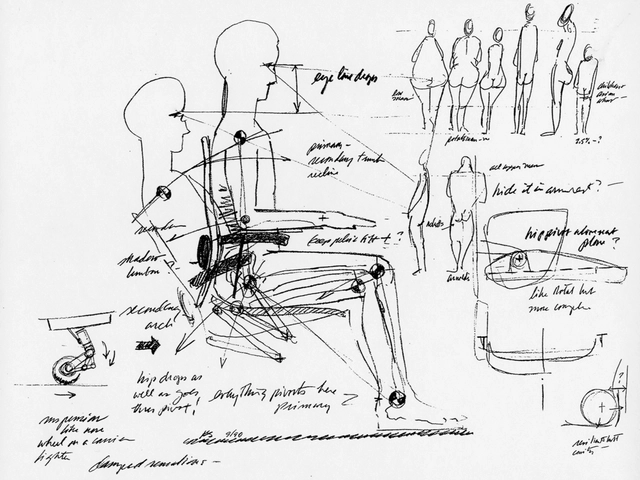
Sketches by Bill Stumpf, that show his desire to design a chair that works for all kinds of bodies. Image Courtesy of Herman Miller
It's common sense: a good design is based on people and what they really need. As architects, are we deepening enough to give the correct answers to the requirements we face in each project?
Herman Miller is a great example of this understanding. Founded in 1905 by Dirk Jan De Pree, the American company produces equipment and furnishings for offices and housing, including a high level of research to understand the human body and the way we inhabit our daily spaces. These investigations, supported by usability testing and multidisciplinary work, results in a large number of furniture pieces and spatial designs that are now used by people around the world.
We had the opportunity to visit their headquarters in Zeeland, Michigan to understand how these studies have been carried out for several decades.
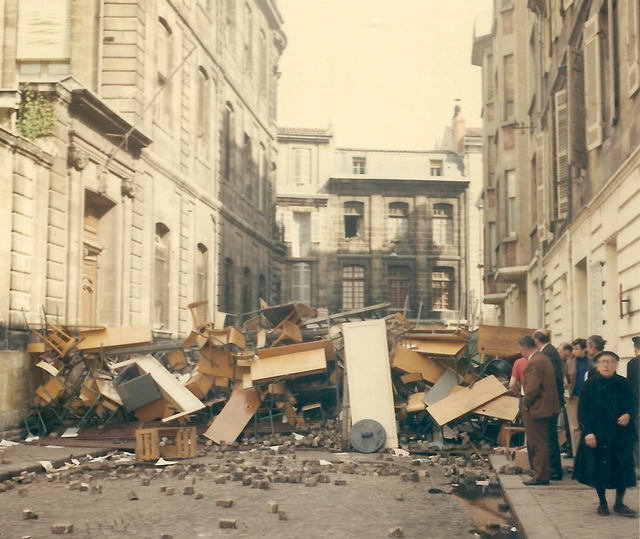
Barricades in the streets of Bordeaux during the May 1968 protests in France. ImageCourtesy of Wikimedia
This article was originally published as "What Marchers Today Can Learn from the May 1968Protests in Paris" on CommonEdge in May 2018. In the 50 years since the historic and worldwide protests of 1968, much has changed. But today's political climate seems equally volatile, with seismic changes threatening social and political establishments across the globe. Lessons from the past are, to borrow the phrase of the moment, more relevant than ever.
American friends recently sent an email: “What’s going on with the French political system? Why all the strikes? What about the endless protest marches? We’d like to visit you in Paris, but we’re a little wary.”
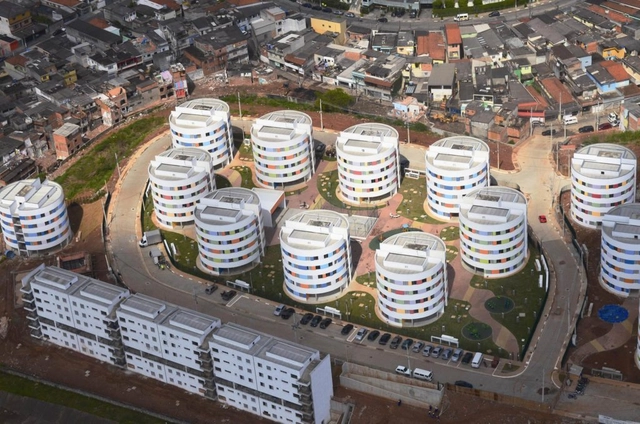
The story of the "Redondinhos" housing project in Heliópolis, São Paulo began with a misinterpreted quote by Ruy Ohtake. In 2003, a magazine published the following statement attributed to the prestigious architect and urban planner: "What I find most ugly in São Paulo is Heliopolis." After seeing the report, Ohtake clarified that his intention was to say that the ugliest in the city is the difference between rich and poor neighborhoods - "the difference between the Morumbi neighborhood and Heliopolis, the largest favela," he corrected.
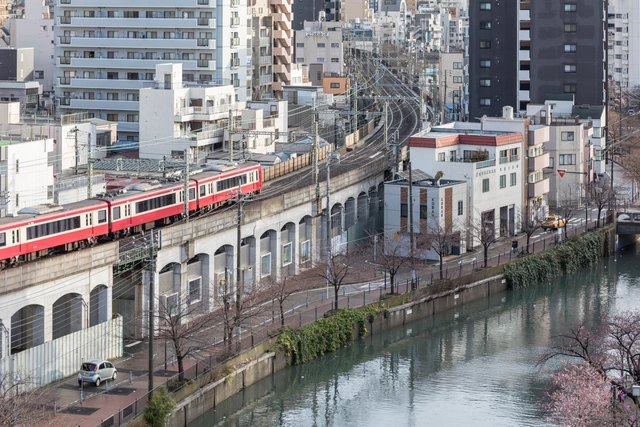
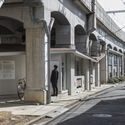
A +100 meter stretch of land beneath a train overpass in Koganecho, a district of Yokohama, Japan, underwent a progressive refurbishment in which seven different types of community space, each designed by a different architect, were built within a pre-set spatial grid. Historically there were many social issues in the area, largely in relation to its profitable but dangerous black market and red-light district. Once the illegal activity was eradicated in 2005, the underpass presented a great opportunity for social re-development, and the resultant project - the Koganecho Centre - emphasized an age-old Japanese cultural commitment, where what was once broken is used to make something new.
2017 is in the past. Nevertheless, the year has left us a series of lessons, new wisdom and better tools to help us face the challenges of 2018. What surprises will this year bring us?
We asked our editors at Plataforma Arquitectura (ArchDaily's Spanish arm) to make predictions based on what they've learnt in 2017, and to share with readers the topics they expect to be in the limelight in 2018.
https://www.archdaily.com/889638/the-9-architecture-topics-you-need-to-know-about-in-2018ArchDaily Team
Violent conflict and persecution, compounded by rising food insecurity, environmental degradation, poor governance and countless other factors, drove more than three million people to leave their countries as refugees or to seek asylum in 2016, joining millions of others already in exile. By 2050, because of the consequences of climate change, the amount of climate migrants could reach the number of 200 millions refugees. Refugee camps are usually planned, built and designed with the aim of fulfilling the basic human needs for only a short time, but only 189.300 refugees were resettled in 2016 and approximately 40% of the refugees
The "about" section of Vancouver-based studio Henriquez Partners Architects' website boldly states: "We believe that architecture should be a poetic expression of social justice." While empowering communities through socially conscious design is hardly a new concept, the term "public-interest architecture" tends to call to mind images of low-budget constructions. Rarely is it employed to describe the large, mixed-use projects that have come to characterize downtown Vancouver and Gregory Henriquez's firm.
However, experimenting with different models of social regeneration through architecture is the driving principle of the studio's work. Throughout the years, Henriquez has explored concepts such as affordable ownership and dignifying design for the city's disenfranchised communities. In partnership with local real-estate development and culture company Westbank, he has built a number of projects that seek to equalize living conditions for all in one of the world's most affluent and progressive societies. Here, in an exclusive interview with ArchDaily, Henriquez describes his firm's ethos, his stance on issues such as homelessness, affordable housing, and gentrification, and the lessons he's learned in over 30 years of heading Henriquez Partners Architects.
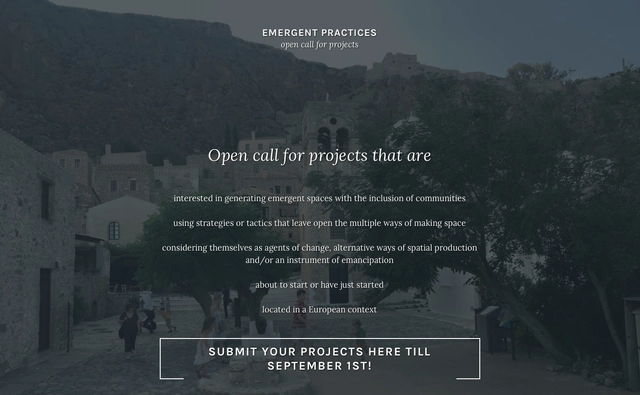
Emergent Practices - a joint project joint between XXI Architecture and Design Magazine and Faculty of Architecture, campus Sint-Lucas Brussels/Ghent, KU Leuven- launches an open call in search of everyday life impact of spatial practices. The open call is the first step of the research that aims to collect and generate critical content on the emergent practices of social architecture.
A selection of submitted projects will be used as case studies, observed and intervened during their implementation processes to generate a grounded discourse on social architecture and its impacts. A wider selection among submitted projects will be published accompanying the research entitled "Understanding the Emergent Practices of Social Architecture".