

-
Architects: YUANISM ARCHITECTS
- Area: 33200 m²
- Year: 2018


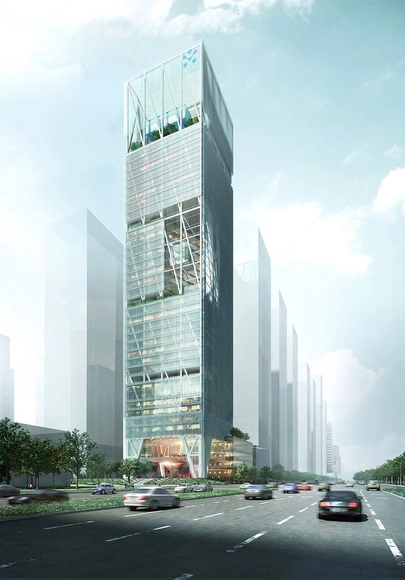
bKL Architecture has released its design for the UBTECH Headquarters in Shenzhen, China. Seeking to harmonize technology and nature, the 212-meter-high scheme features an expressive structure and mass, and vast, expansive sky gardens. The expressive gardens allow for all floors of the mixed-use office building to host an interactive experience with nature.

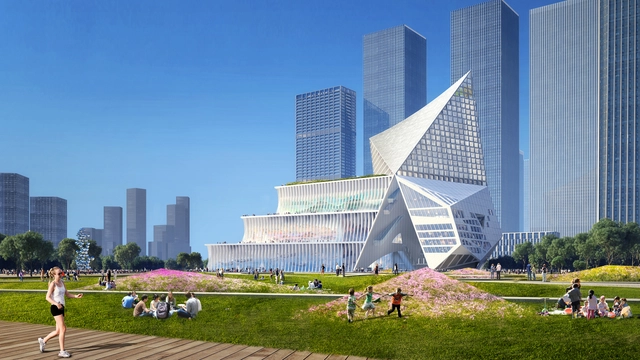
OMA has won the competition to design a new international financial center in Shenzhen, China. Called the IFEC, the project combines large scale conference facilities with a 400-room hotel and public programs. Located at the waterfront of Qianhai, the New District in the Pearl River Delta, the IFEC was designed to be a beacon for ships sailing along the 21st-century maritime silk road.
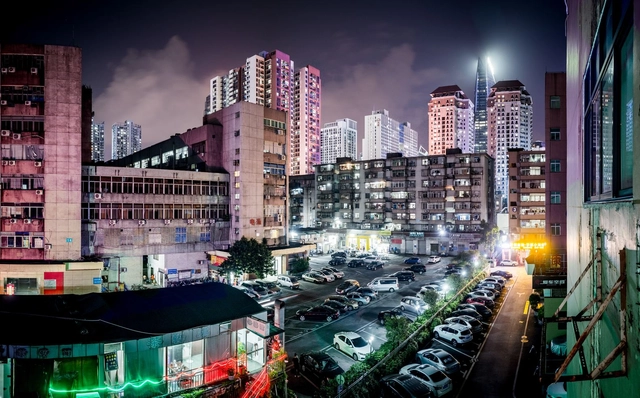
What happens when the sensor-imbued city acquires the ability to see – almost as if it had eyes? Ahead of the 2019 Shenzhen Biennale of Urbanism\Architecture (UABB), titled "Urban Interactions," ArchDaily is working with the curators of the "Eyes of the City" section at the Biennial to stimulate a discussion on how new technologies – and Artificial Intelligence in particular – might impact architecture and urban life. Here you can read the “Eyes of the City” curatorial statement by Carlo Ratti, the Politecnico di Torino and SCUT.
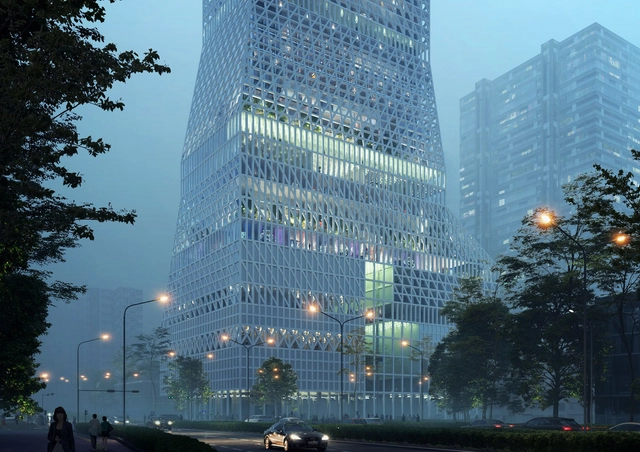
Dutch design practice Mecanoo has won 1st Prize in the Futian Civic Culture Center Competition. The proposal includes a new cultural tower for Shenzhen in one of the city's oldest and densest districts. The project is designed to house cultural programs and social spaces to stimulate urban activity in the neighborhood. Made with three theaters, a library and exhibition halls, the project aims to be open to the city and bring people together.

What happens when the sensor-imbued city acquires the ability to see – almost as if it had eyes? Ahead of the 2019 Shenzhen Biennale of Urbanism\Architecture (UABB), titled "Urban Interactions," ArchDaily is working with the curators of the "Eyes of the City" section at the Biennial to stimulate a discussion on how new technologies – and Artificial Intelligence in particular – might impact architecture and urban life. Here you can read the “Eyes of the City” curatorial statement by Carlo Ratti, the Politecnico di Torino and SCUT.

.jpg?1562247588&format=webp&width=640&height=580)
What happens when the sensor-imbued city acquires the ability to see – almost as if it had eyes? Ahead of the 2019 Shenzhen Biennale of Urbanism\Architecture (UABB), titled "Urban Interactions," ArchDaily is working with the curators of the "Eyes of the City" section at the Biennial to stimulate a discussion on how new technologies – and Artificial Intelligence in particular – might impact architecture and urban life. Here you can read the “Eyes of the City” curatorial statement by Carlo Ratti, the Politecnico di Torino and SCUT.
What happens when the sensor-imbued city acquires the ability to see – almost as if it had eyes? Ahead of the 2019 Shenzhen Biennale of Urbanism\Architecture (UABB), titled "Urban Interactions," ArchDaily is working with the curators of the "Eyes of the City" section at the Biennial to stimulate a discussion on how new technologies – and Artificial Intelligence in particular – might impact architecture and urban life. Here you can read the “Eyes of the City” curatorial statement by Carlo Ratti, the Politecnico di Torino and SCUT.
First, let me declare my unambiguous aversion to the envisioned future in which “any room, street or shop in our city can recognize you, and autonomously respond to your presence.” Despite this, can I see any positive potentials in pervasive systems of urban surveillance and response?
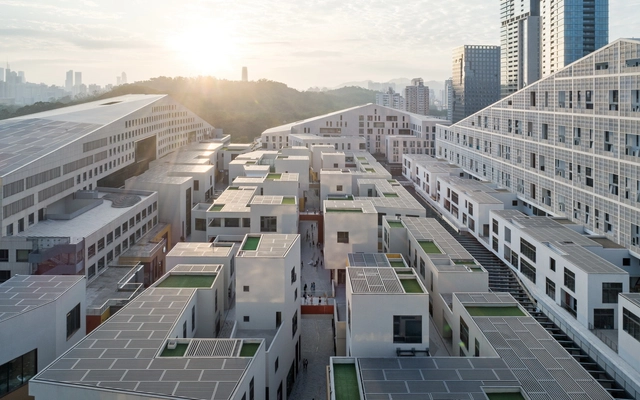
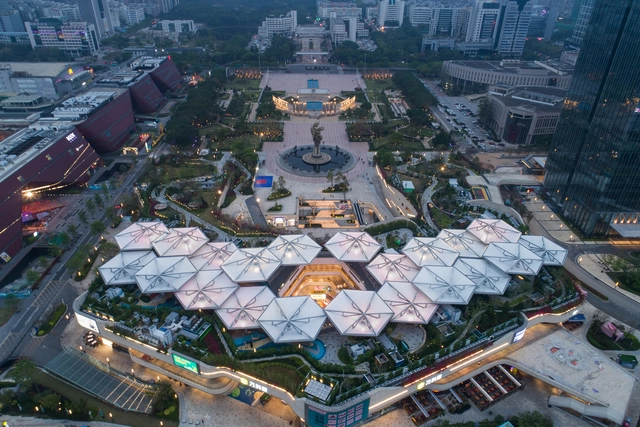
.jpg?1560851416&format=webp&width=640&height=580)
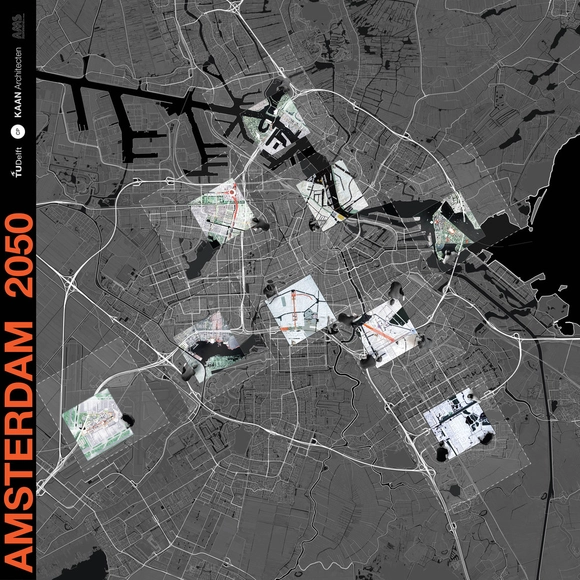
What happens when the sensor-imbued city acquires the ability to see – almost as if it had eyes? Ahead of the 2019 Shenzhen Biennale of Urbanism\Architecture (UABB), titled "Urban Interactions," ArchDaily is working with the curators of the "Eyes of the City" section at the Biennial to stimulate a discussion on how new technologies – and Artificial Intelligence in particular – might impact architecture and urban life. Here you can read the “Eyes of the City” curatorial statement by Carlo Ratti, the Politecnico di Torino and SCUT.

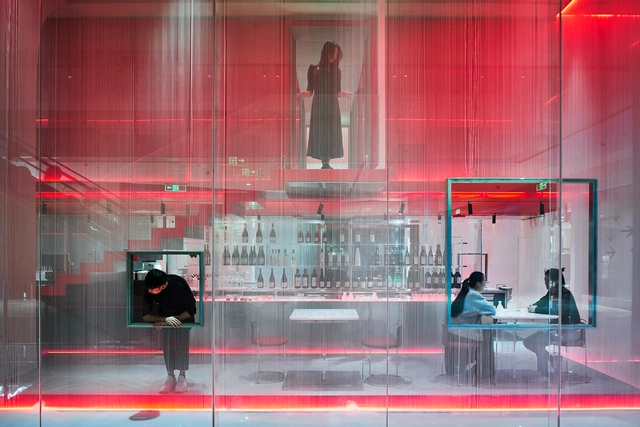
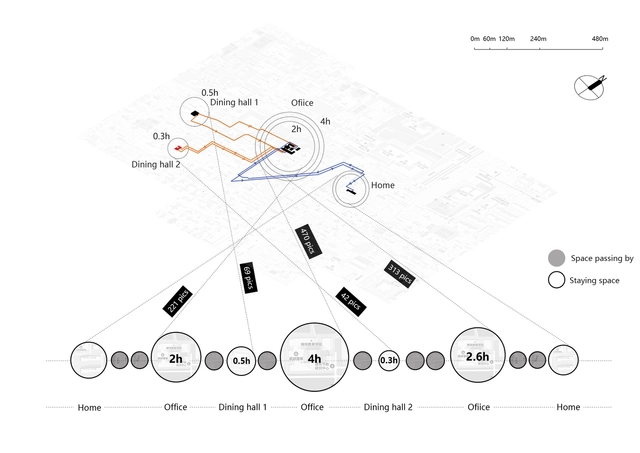
What happens when the sensor-imbued city acquires the ability to see – almost as if it had eyes? Ahead of the 2019 Shenzhen Biennale of Urbanism\Architecture (UABB), titled "Urban Interactions," ArchDaily is working with the curators of the "Eyes of the City" section at the Biennial to stimulate a discussion on how new technologies – and Artificial Intelligence in particular – might impact architecture and urban life. Here you can read the “Eyes of the City” curatorial statement by Carlo Ratti, the Politecnico di Torino and SCUT. If you are interested in taking part in the exhibition at UABB 2019, submit your proposal to the “Eyes of the City” Open Call by May 31st, 2019: www.eyesofthecity.net
We live in a world full of electric products, and we have been influenced by them deeply, especially by those with digital screens, like cell phones, computers and TVs. We use computers for work and social media like Twitter and WeChat to connect with others, we use Mobike for short-distance commutes, Dianping to navigate us to a good lunch and then Alipay to pay the bill. At the end of a long day, we usually spend the rest of our time watching TV or playing online games in order to finally relax. These electric products bring convenience to our life, but at the same time, they are kidnapping it. The overuse of them immerses us in a virtual world and pushes people farther apart. We are losing face-to-face communication and ignoring the enjoyment of real life. Currently, people are spending more time on their mobile phones than ever before. According to a report published by Aier in 2018, the average screen time in China is 6 hours per day, and the average person uses their cellphone 108 times. This mobile-dependency is leaving our lives increasingly fragmented.

The Prequalification Meeting of the International Competition for the Landmark Design of Qianhai New City Center was held in Banquet Hall, 3F, Tower C, MingWah International Convention Centre on May 20, 2019. The jury was made up of 7 experts and 2 client representatives. The jury studied the registration documents and conceptual proposals of the 124 applicants. After deep discussion, through 5 rounds of open votes the jury selected 10 shortlisted competitors into the competition and 2 alternatives in order who will enter Stage 2 - Proposal Preparation and Review by order if any of the 10 competitors quit.












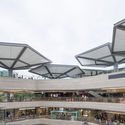
.jpg?1561295003 "Mall atrium. Image © Yu Bai")
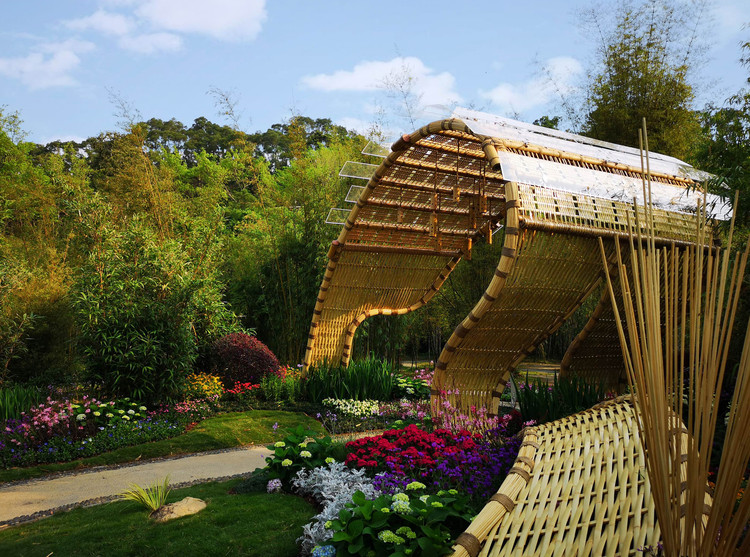
.jpg?1561295133 "Sunshade and rain shelter for the mall. Image © Yu Bai")

.jpg?1560851433 "© Lv Lin")
.jpg?1560851282 "© Lv Lin")
_室内.jpg?1560851187 "interior. Image © Lv Lin")
.jpg?1560851320 "© Lv Lin")
.jpg?1560851416)