Seoul: The Latest Architecture and News
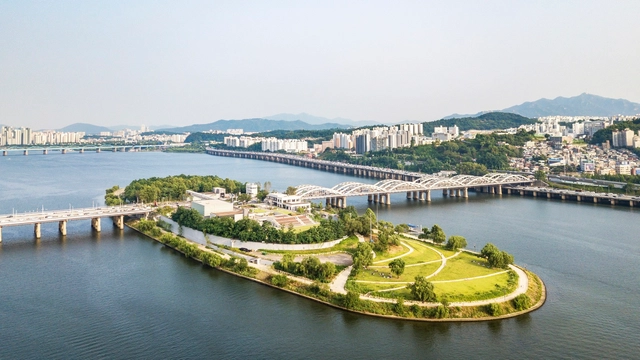
Nodeul Island Park / mmkplus


https://www.archdaily.com/995359/nodeul-island-park-mmkplusHana Abdel
KPF Reveals Design for a Mixed-Use Neighborhood in Seoul, South Korea
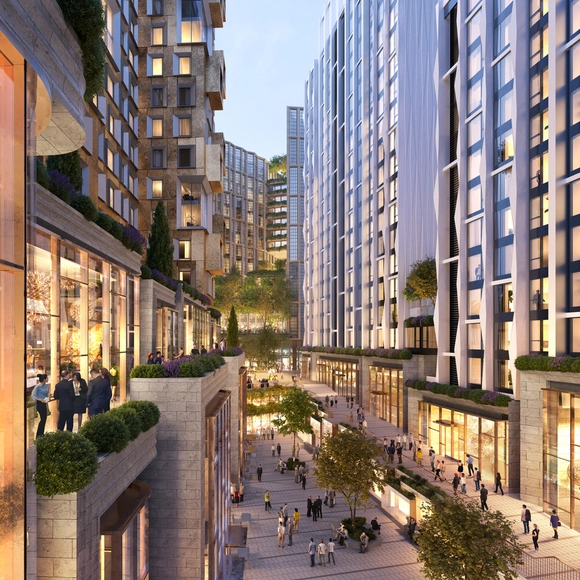
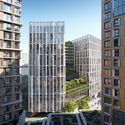
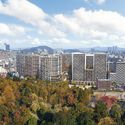
International architecture office KPF has unveiled the design for Parkside Seoul, a new mixed-use neighborhood planned for the South Korean capital designed to complement the surrounding natural elements and pay homage to Yongsan Park. The 482,600 square meter development is composed of a layered exterior envelope that encompasses various programs and public amenities with the purpose of enhancing the residents’ experience of space. Besides the residential units, the complex includes office and retail spaces, and hospitality facilities along with public and green spaces.

https://www.archdaily.com/994542/kpf-reveals-design-for-a-mixed-use-neighborhood-in-seoul-south-koreaMaria-Cristina Florian
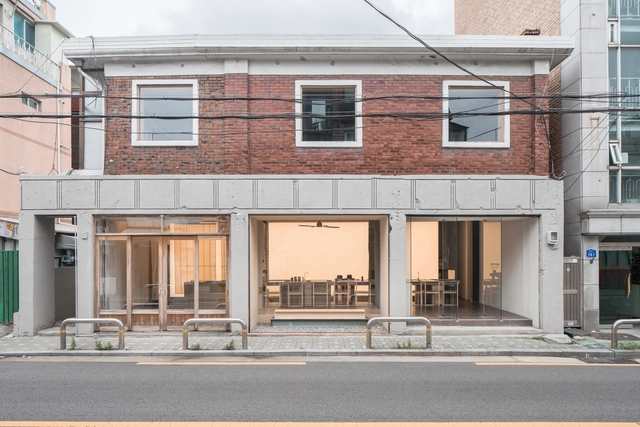
eert Mangwon Cafe / Workment


https://www.archdaily.com/969960/eert-mangwon-cafe-workmentHana Abdel
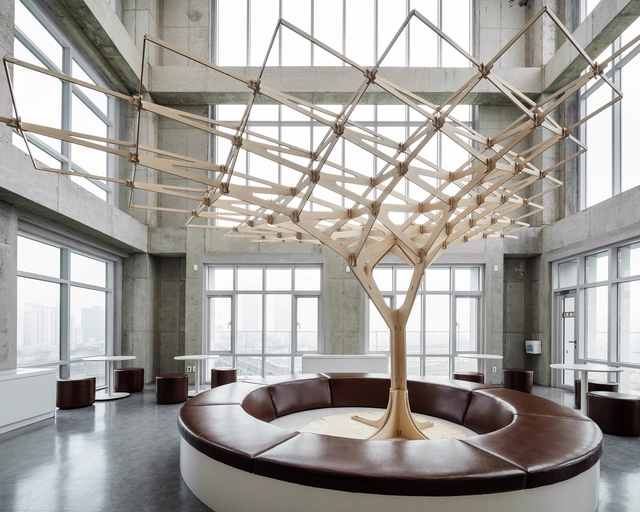
Tree Series Installation / JK-AR


https://www.archdaily.com/993702/tree-series-installation-jk-arHana Abdel
29CM Seongsu Store / studio fragment
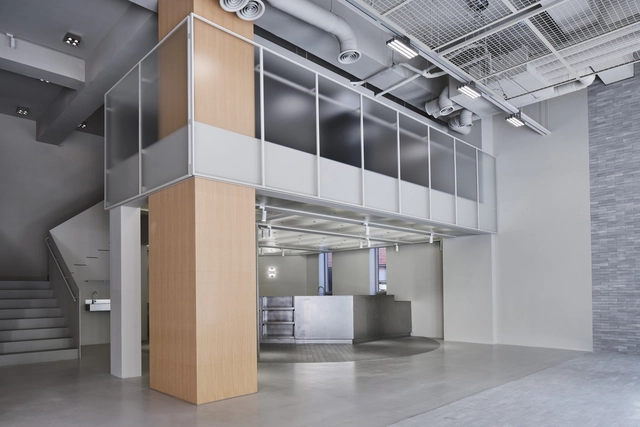


-
Architects: studio fragment
- Area: 339 m²
- Year: 2022
-
Professionals: C.F.C
https://www.archdaily.com/993555/29cm-seongsu-store-studio-fragmentHana Abdel
Chinmok Restaurant / Workment + Malf
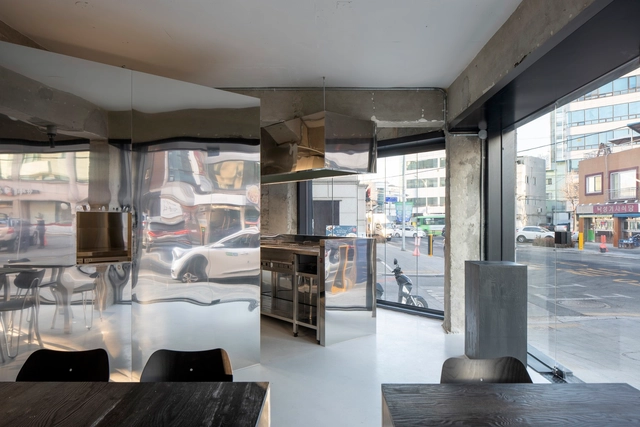


https://www.archdaily.com/990336/chinmok-restaurant-workment-plus-malfHana Abdel
Aquarius Pyramid House / IROJE Architects & Planners
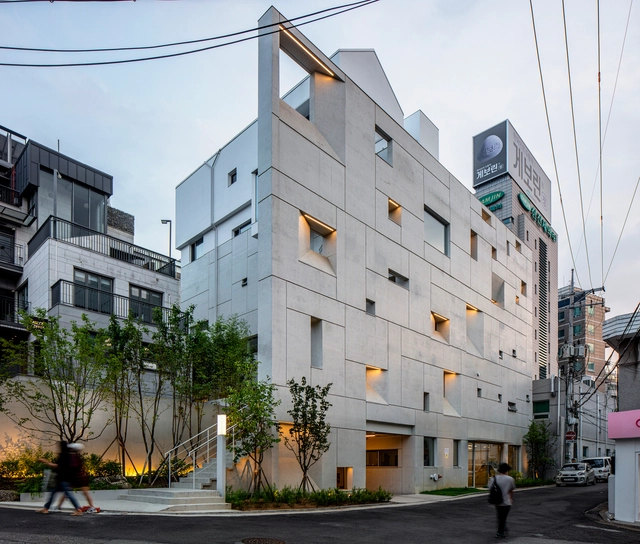
.jpg?1651837048 "light and shadow in the pyramid. Image © Jae Min Lee")


https://www.archdaily.com/981492/aquarius-pyramid-iroje-architects-and-plannersCollin Chen
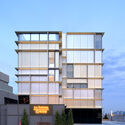
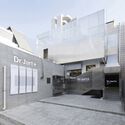
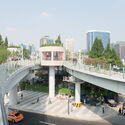
Seoul Architecture City Guide: 30 Projects to See in the Heart of South Korea
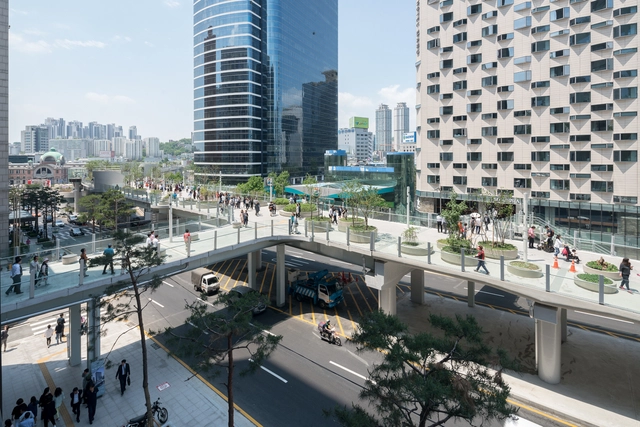
The capital of South Korea, officially known as Seoul Special City, is the largest metropolis in the country. From modern skyscrapers, high-tech subways, and expressions of pop culture, to traditional temples, palaces, and pagodas, Seoul is a captivating melting pot of old and new that all are guaranteed to enjoy.
If you plan on visiting Seoul and taking in most of what the vibrant city has for locals and tourists alike, the following list features 30 unique projects for you to indulge in and explore, providing you with a starting point for your metropolitan travels.

https://www.archdaily.com/987186/seoul-city-guide-30-projects-to-see-in-the-heart-of-south-koreaJullia Joson
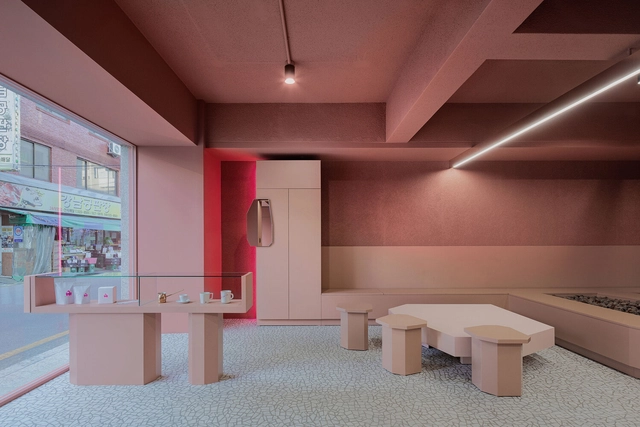
Pink Gorilla Coffee / Plainoddity


https://www.archdaily.com/986340/pink-gorilla-coffee-plainoddityBianca Valentina Roșescu
PaletteH Beauty Salon / studio fragment
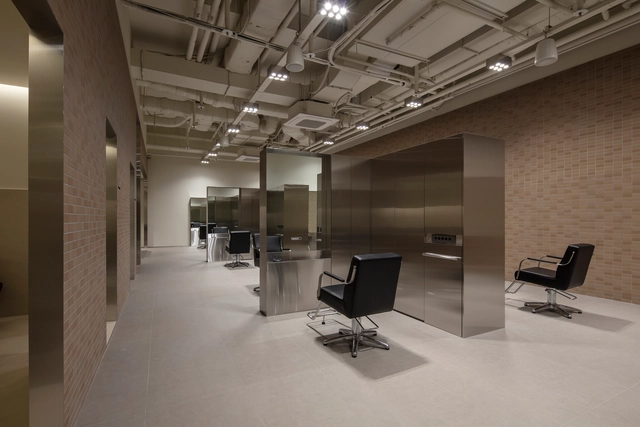


-
Architects: studio fragment
- Area: 264 m²
- Year: 2022
https://www.archdaily.com/986001/paletteh-store-studio-fragmentHana Abdel
OUR Bakery / studio fragment
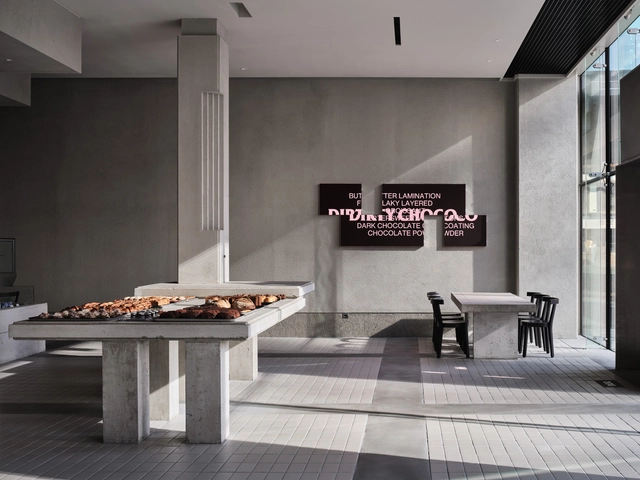


-
Architects: studio fragment
- Area: 185 m²
- Year: 2022
https://www.archdaily.com/985998/our-bakery-studio-fragmentHana Abdel
ZHA Inaugurates Design Museum in Seoul with Meta-Technology Exhibition

Dongdaemun Design Plaza (DDP) has collaborated with Zaha Hadid Architects (ZHA) for the 'Meta-Horizons: The Future Now' exhibition in Seoul, Korea. Designed by ZHA to promote the instigation and exchange of new ideas and to showcase innovative technologies and media, the inaugural exhibition of DDP’s new Design Museum explores ZHA’s work across multiple fields, from digital technology to artificial intelligence and virtual reality, featuring the firm's recent designs, process, and research that incorporates immersive technologies and new fabrication techniques. The exhibition will be on display from 26 May - 18 September 2022.
.jpg?1653902387 "ZHA_RAS_Architecting the Metaverse Render. Image Courtesy of RAS")
.jpg?1653902366 "ZHA_RAS_Architecting the Metaverse Render. Image Courtesy of RAS")

.jpg?1653901572 "ZHA_RAS_Architecting the Metaverse. Image © Kyungsub Shin")

https://www.archdaily.com/982745/zha-inaugurates-design-museum-in-seoul-with-meta-technology-exhibitionDima Stouhi
PINOCCHIO Gelato and Coffee Shop / WARP AND WOOF


•
42 Sapyeong-daero 22-gil, Seocho-gu, Seoul, South Korea, South Korea
-
Architects: WARP AND WOOF
- Area: 35 m²
- Year: 2022
https://www.archdaily.com/981152/pinocchio-gelato-and-coffee-shop-warp-and-woofHana Abdel
Hidden Hour Bar / all around design company
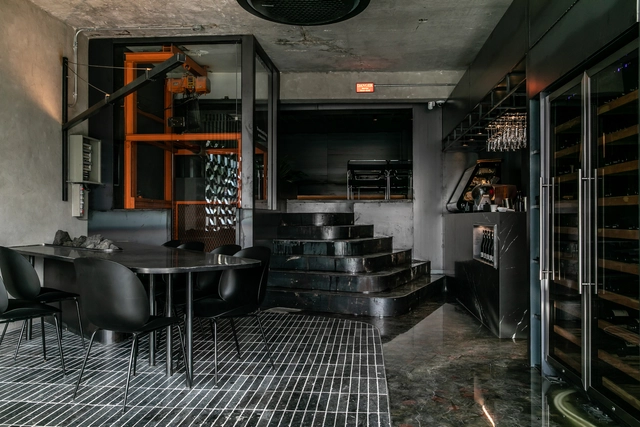


-
Architects: all around design company
- Area: 284 m²
- Year: 2021
-
Manufacturers: Ilshinstone, JEVISCO
-
Professionals: Kijoong Kim
https://www.archdaily.com/980238/hidden-hour-bar-all-around-design-companyHana Abdel
Highway Removals: Restoring the Urban Fabric and Unlocking New Development Opportunities

Over the past two decades, urban highways' social and economic ramifications have been brought into focus as a large part of this mid-century infrastructure comes to the end of its lifespan, prompting conversations over its role in contemporary urban planning. Freeway removal entails the replacement of the transport infrastructure with new urban developments, green amenities and alternative street grids to promote a healthier urban environment and smart growth. In some cases, the idea of removing highways is met with concern over the potential increase in traffic and gentrification of the areas adjacent to the road, but the pandemic has further exacerbated the need for quality public spaces and brought once again into question the hegemony of the car. The following highlights various highway removal projects, discussing how these interventions restore the urban fabric, reknit communities and recover urban spaces for city dwellers.


https://www.archdaily.com/979904/highway-removals-restoring-the-urban-fabric-and-unlocking-new-development-opportunitiesAndreea Cutieru
The 2022 World's Best Cities To Live In: Discover the Top 20
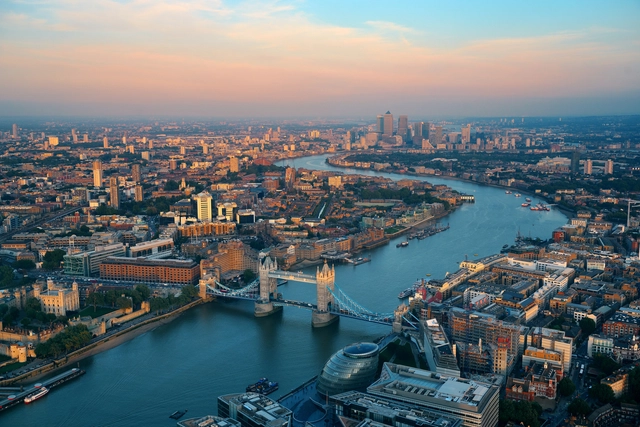
Global Finance's ranking of the world's best cities to live in, during 2022 has just been released. Centered on 8 different parameters that calculate and compare the quality of life of people living in urban areas such as economy, culture, population, environment, etc., this year’s edition also took into consideration Covid-19 deaths per thousand for each country, to reflect the new reality we live in. With data from the Global City Power index, Johns Hopkins University, Statista, and Macrotrends, the list seeks to have a complete vision, putting together traditional metrics with new factors.
Claiming the first position is London, U.K, a city that although didn’t get high rankings in its Covid-19 metrics, still topped the list, mainly due to its scores in culture, accessibility, and population growth. Tokyo was selected for the second position, showing weakness in one parameter, population, as its numbers have been declining for the past 10 years. Shanghai followed next, in the third position, because of relatively low Covid-19 death figures and strong population growth. Singapore and Melbourne came in 4th and 5th positions.


https://www.archdaily.com/979316/the-2022-worlds-best-cities-to-live-in-discover-the-top-20Christele Harrouk
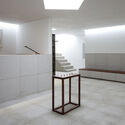
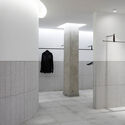
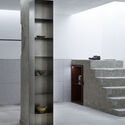
Soui Flagship Store / HOFFICE



https://www.archdaily.com/979245/soui-flagship-store-hofficeBianca Valentina Roșescu


