The entertainment industry frequently captures unusual architecture from theme parks that explore bygone eras to remote locales in the hills of Las Vegas that often go unseen.
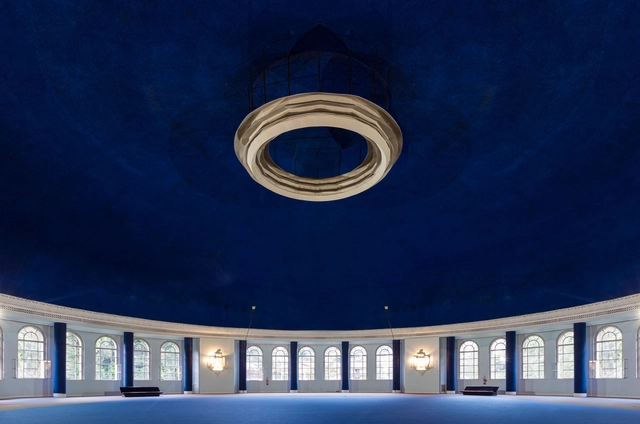
A two-hour drive from Rio de Janeiro's renowned beaches you can find a 20th century French Normandy building in the state's sierra region: The Palácio Quitandinha.
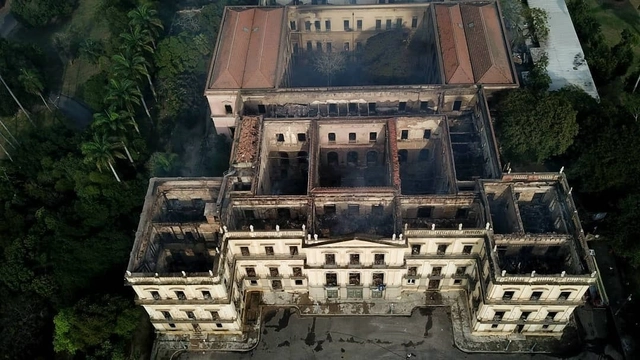
The Institute of Architects of Brazil (IAB), fulfilling its mission of contributing to the technical-scientific and sociocultural development of the country and preserving the national cultural heritage, deeply mourns the irreparable loss of the National Museum, the central institution of culture and science located in the district of São Cristóvão, in Rio de Janeiro, that was consumed by fire on the night of September 2nd.
The fire in Quinta da Boa Vista not only left a an architectural ensemble declared national heritage in ruins but also destroyed millions of artifacts and historical documents belonging to its collection, which were of worldwide relevance and among the most representative of Brazilian history. It is, therefore, an irrevocable loss, which is being lamented by everyone who cares about Brazilian culture and memory, both in Brazil and abroad.
https://www.archdaily.com/901520/open-letter-from-the-institute-of-brazilian-architects-regarding-the-tragic-irrevocable-loss-of-brazils-national-museumEquipe ArchDaily Brasil
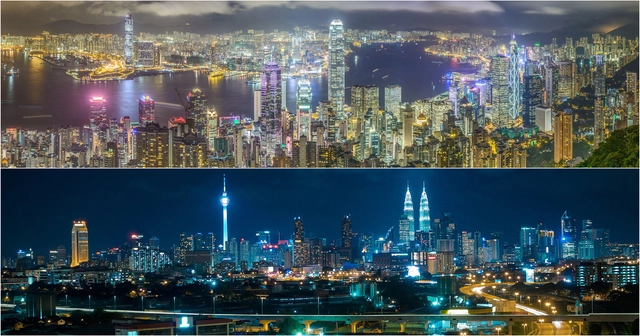
The downtown skyline of a city is perhaps its most symbolic feature. The iconic cityscapes that we know and love are typically formed by skyscrapers, but much of the surrounding context is made up of other high-rise buildings. Yes, there is a difference between a skyscraper and a high-rise. Research company Emporis defines a high-rise as a building at least 35 meters (115 feet) or 12 stories tall. These high-rise buildings play a major role in the more sprawled urban context of larger cities today.
Read on for Emporis' list of the 20 cities in the world with the most high-rises. You might be surprised by which cities made the cut.
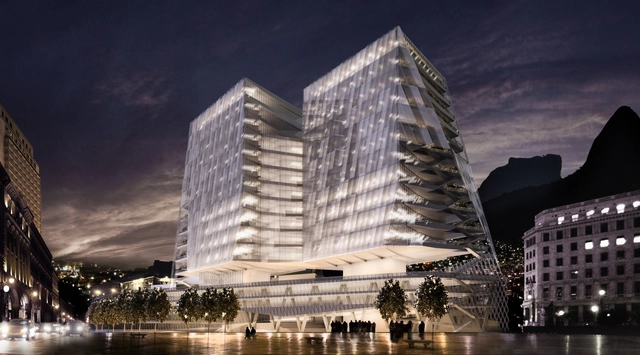
Cannon Design has unveiled its proposal for a mixed-use Cancer Hospital in Rio de Janeiro, Brazil. Originally envisioned as a “private hospital serving patients that can afford a high quality of health care,” the project transformed into a partnership between the public and private sector after preliminary feasibility studies determined the price of the site to be prohibitively high.
Thus, the project expanded to become a mixed-use complex with ownership shared between socially minded city government and private investors.
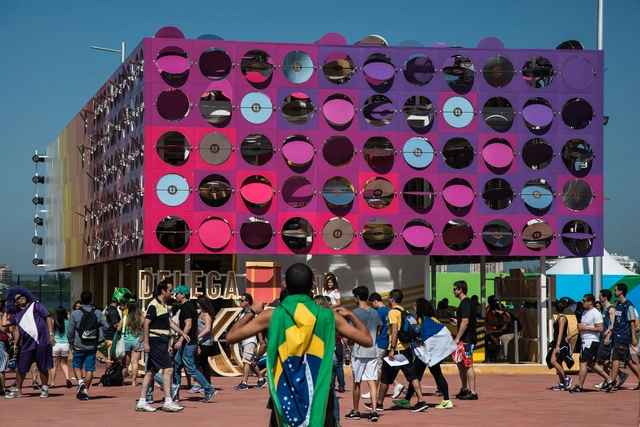
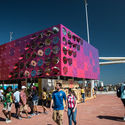
At the Rio 2016 Olympics, Studio GTM Cenografia developed a temporary installation for Nike. The space, inspired by containers and industrial sheds, occupies a total area of 600 square meters and was built in a metallic structure and wrapped in galvanized trapezoidal tiles. The cube used in the project is an installation from Brazilian artist and designer Muti Randolph, one of the pioneers of digital illustration in Brazil.
Our friends from ArchDaily Brasil talked with the architect Daltro Mendonça (GTM Cenografia) to find out more details on material choices and the execution of the project.
https://www.archdaily.com/799270/gtm-cenografia-uses-shipping-containers-in-rio-olympic-pop-up-store-for-nikeArchDaily Team
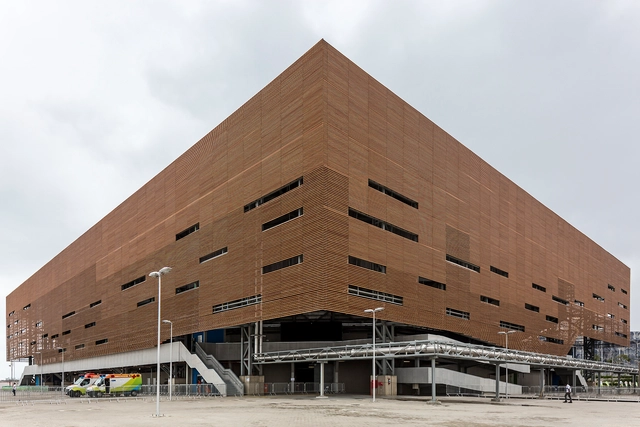
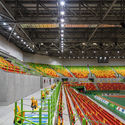
Just over a week ago in beautiful Rio de Janeiro the Olympic Games, the world's largest sporting event, came to an end. The Games, as well as the FIFA World Cup, have been a driving force for the city over the last six and a half years. In the wake of the frenzy caused by the much-anticipated event, Rio will have the Paralympics, which will take place between the 7th and 18th of September. But then what?
The word "legacy" being associated with major world events is nothing new. We see it used a lot when referring to the Olympics and the World Cup, and it’s come up time and time again in recent years when we look at the lasting effects these events have had on host cities like Barcelona (1992), Athens (2004), Beijing (2008) and London (2012). Essentially, the issue revolves around some fundamental questions: Who are the major beneficiaries of the "legacy" of the Olympic Games? Were the huge public investments worth it? Will there be any improvement for the general population? Can the equipment that was built be adapted for everyday use?
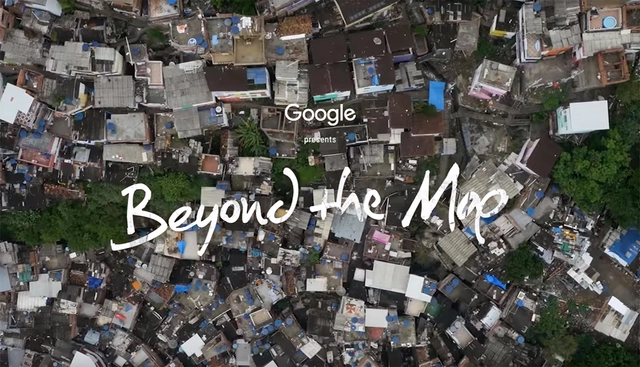
Google recently launched a new platform "Rio: Beyond the Map," showing Rio's favelas using 360º videos. The tool also includes panoramas more than three thousand images and historical exhibitions of Rio de Janeiro. The project integrates Google Arts & Culture, which brings art collections from around the world.
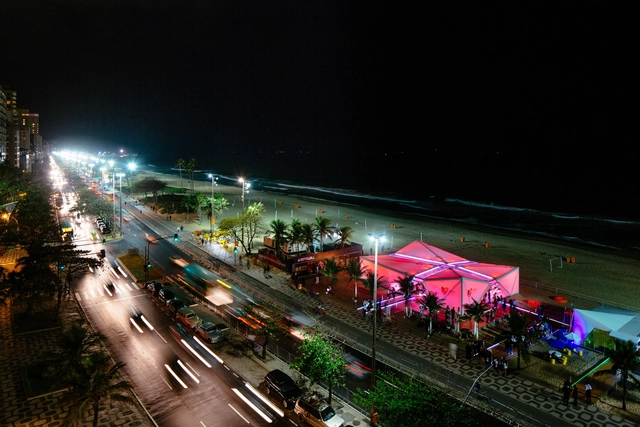
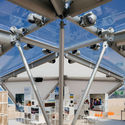
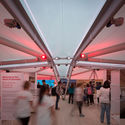
The Henning Larsen Architects-designed Danish Pavilion has opened to the public on Ipanema Beach to celebrate Denmark's participation in the Rio 2016 Olympic Games. The pavilion is the only national pavilion at the games, and contains displays featuring Danish companies and products. The design takes inspiration from the nation's seafaring and yachting traditions, while programmable LED lights allow the pavilion to resemble a number of different flags from bird's eye view.









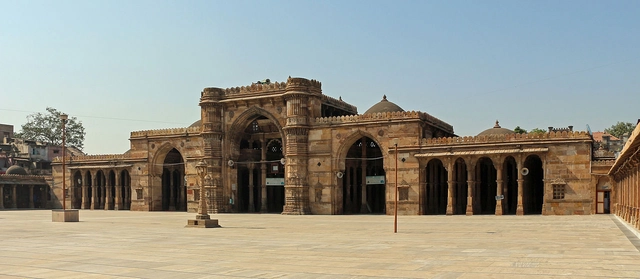
.jpg?1499781753 "Asmara. Image© <a href='https://commons.wikimedia.org/wiki/File:Asmara_(8351468351).jpg'>Wikimedia user David Stanley</a> licensed under <a href='https://creativecommons.org/licenses/by/2.0/deed.en'>CC BY 2.0</a>")