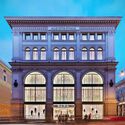
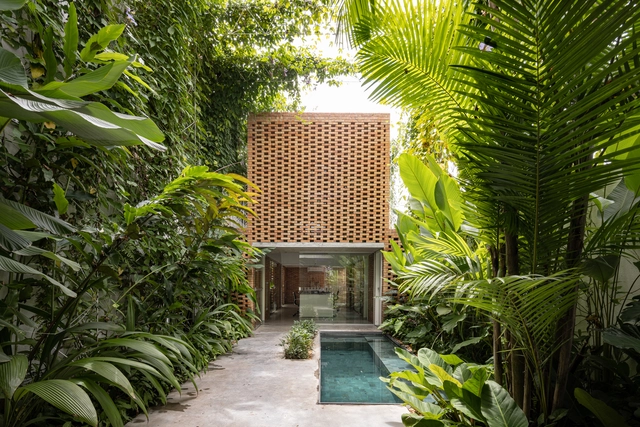
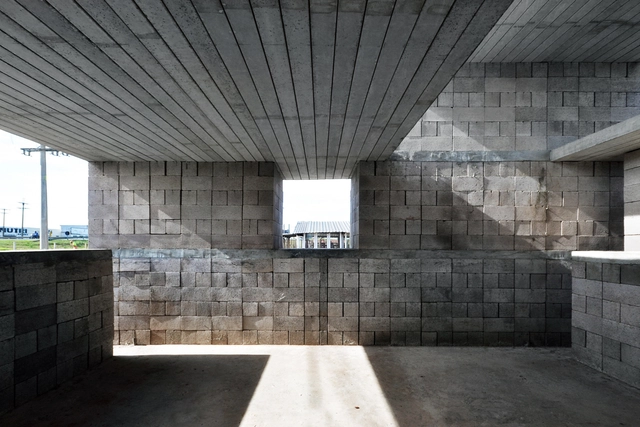
Amidst the immense possibility of constructive solutions, all have advantages and disadvantages, gains and limitations. Whether for economic reasons, deadlines, material availability, or spatial performance, each type of material responds to the project in a certain way and gives it a specific visual and environmental aspect. In general, multiple construction systems are required, enabling the offsetting of any shortcomings in one material through the performance of another. This approach ensures a balanced and effective implementation of diverse materials to address specific project requirements. Drywall panels, or drywall, are on this threshold between rejection and preference.
The history of architecture is marked by a rich array of styles and expressions, each of which reflects the specific environment it was created in. Numerous unique narratives have emerged, giving rise to various architectural traditions. The notion of a single, universal tradition is quickly debunked when one explores the pages of any architectural history book.
While contemporary architectural movements may share common principles, it's important to note that this doesn't necessarily result in a uniform appearance. However, when we consider the diversity of historical architectural styles and traditions, it becomes evident that specific regions have distinct architectural identities. Portugal has a well-defined architecture, and Carlos Castanheira is one of its notable representatives.
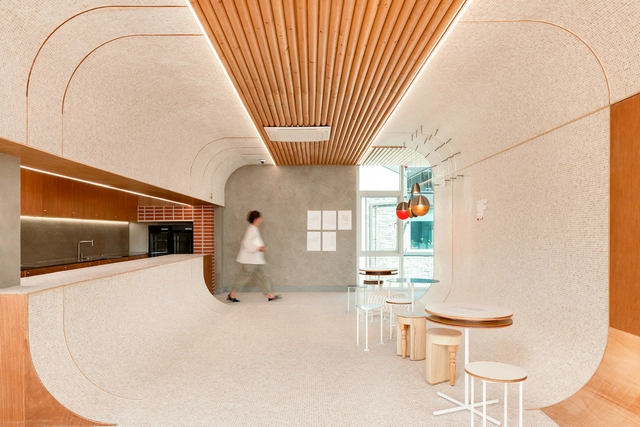
After years of dominance, orthogonal lines and right angles are giving way to organic designs and rounded shapes within interior design projects. This profound shift in formal language has led to the infiltration of gentle curves and amorphous volumes into design pieces, furniture, and decorative elements, a transformation that's becoming increasingly evident. Some argue that this change may be indirectly linked to the growing interest in sustainability and the pursuit of strategies that reconnect people with nature, as seen in the consistent presence of biophilia across projects of various scales. The period of social isolation during the COVID-19 pandemic further heightened this inclination, prompting individuals to devise ways to incorporate nature into their living spaces, thereby enhancing well-being in day-to-day life.
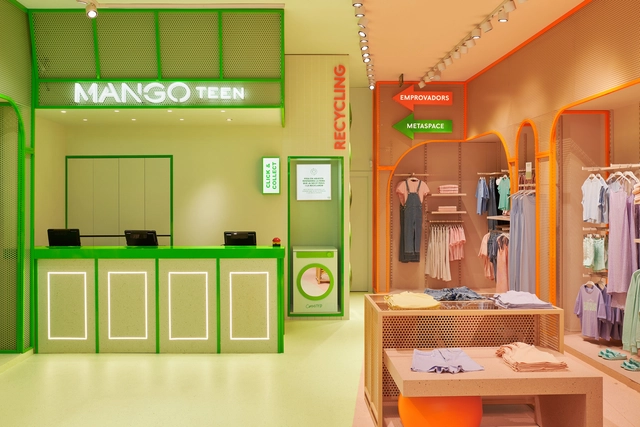
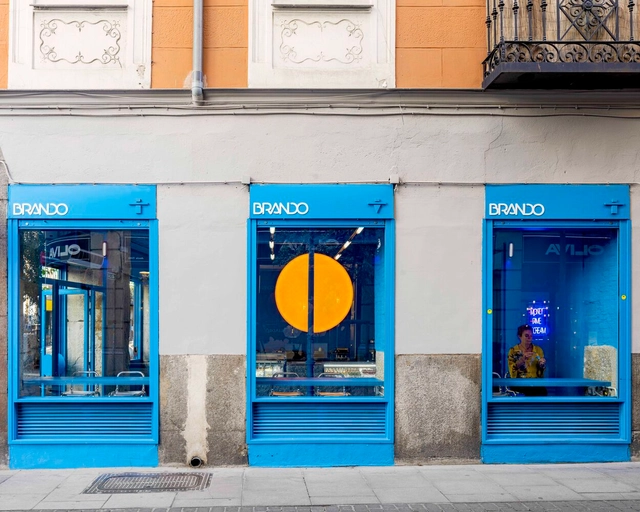
In the world of retail, competition is fierce. Brands find themselves in pursuit of distinguishing their presence and developing intimate connections with their customers. Amidst the array of products they offer, thoughtful brands recognize the value of curating immersive retail environments that empathize with the core of consumers' sentiments and desires. In retail design, color stands as a powerful instrument that affords brands the means to articulate their values, evoke emotions, and carve memorable shopping experiences into the minds of their patrons. Color transforms retail centers into more than spaces for transactions - it positions strategic interior design as a marketing tool to attract and retain customers.
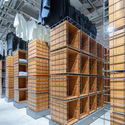
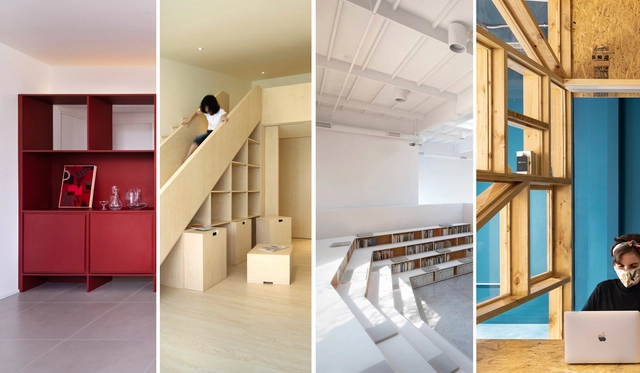
With the rise of small houses and dense cities, we were forced to sacrifice a good amount of storage space. Ironically, we did not compromise our purchasing habits, so with a few square meters to work with, architects and designers had to come up with efficient storage solutions and make the best of the limited space they have. However, if you were lucky enough to be occupying a large, unobscured space with a generous budget, your storage design possibilities are endless. In this article, we look at how architects and designers found creative ways to store their belongings in spaces with different functions, scales, and spatial constraints, ranging from completely invisible units to sculptural centerpieces.
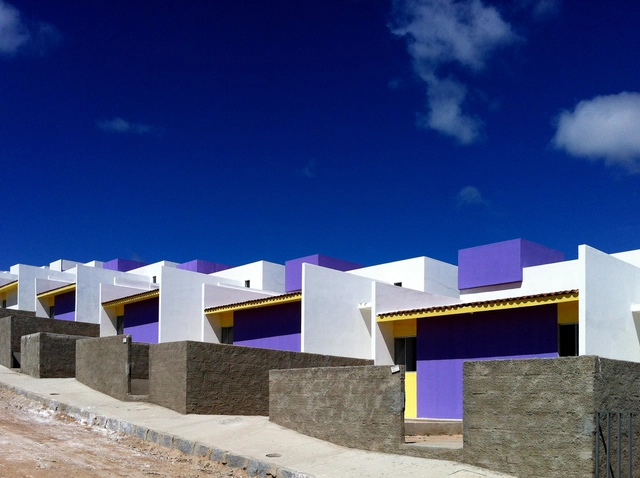
When it comes to architecture, scale is inevitably mentioned for graphic and two-dimensional representation of the built area, land size, and city extension. Architecture is a grand discipline with robust constructions and large areas, but the field of action is vast, encompassing "smaller" scales: essential housing, restricted land, and small cities.
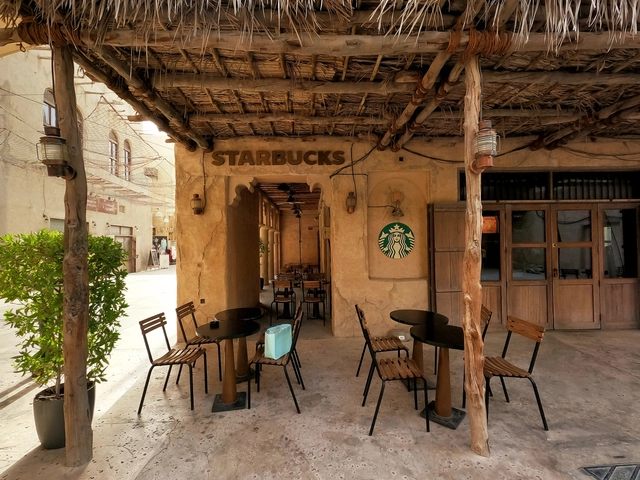
Two years ago, Starbucks' branch in Al Seef, Dubai captivated the internet with its contextual design. Located in the oldest part of Dubai, the renowned coffee outlet boasts a thatched roof, mud-like exterior finishes, traditional screens, and wooden furniture, all of which retain the picturesque charm of the landscape. The design not only garnered immense attention on social media but also attracted curious customers to the store. Effortlessly blending in with its regional context, the Al Seef branch has become an integral part of the locality. The store is one of Starbucks' many efforts at regionalizing its international outlets to create authentic connections with customers. In an era where consumers crave meaningful connections, regionalism in retail design emerges as a powerful design strategy.
Architecture involves mobilizing several aspects of the environment where the building is located: the socio-cultural, political and economic context, aesthetics, legislation, and functionality. Functionality includes use efficiency, occupancy, and comfort. Laurent Troost's work has shown the articulation between these various factors, with particular attention to comfort, especially thermal comfort. His projects prioritize natural ventilation over artificial air conditioning, which has become almost mandatory in current city models.
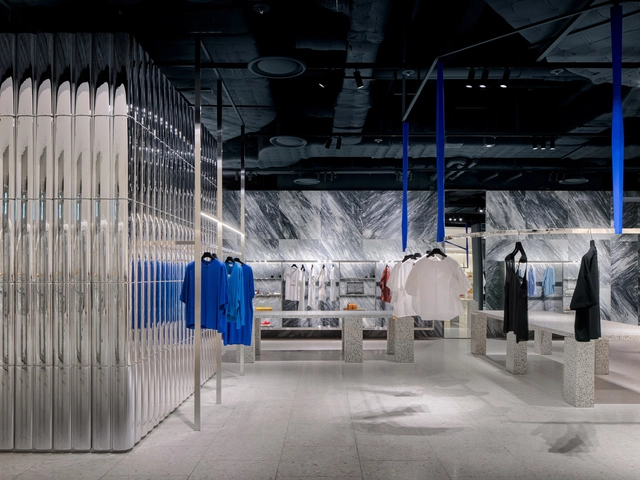
Within the realm of commercial architecture, the design of spatiality can adopt multiple approaches, conceiving proposals that achieve a balance between aesthetics and functionality. Taking into consideration that various cultural variables, social tensions, and economic interests are involved, the construction of these spaces directly involves the interaction between users, brands, and their products, participating in the experience on-site from colors and materials to lighting, climate control, sounds, aromas, and more.
In theory, architecture is separate from art. Some even argue that there is a hierarchy between the two. Fortunately, Vão is an example of how this separation doesn't need to exist and how having a hierarchy between them is unproductive for both sides. Founded in 2013 by Anna Juni, Enk te Winkel, and Gustavo Delonero in São Paulo, the office develops architectural projects fueled by artistic thought. It also develops artistic works on an architectural scale.
The importance of lighting in interior design cannot be overstated: done right, it not only accentuates a space's architectural features but also makes inhabitants feel at ease. As Carmelo Zappulla of Lighting Studio External Reference explains in an interview with Architonic, light is a crucial tool to add an emotional element and 'animate a space.'
There are a plethora of artificial lighting options to choose from. Which works best is usually determined by the nature of the interior they're in and the desired spatial effect. One of the most common is indirect lighting. This technique uses fixtures to aim light onto surfaces that act as reflectors, softening the emitted rays to prevent pillar-like, bulky beams in favor of a more evenly distributed glow.
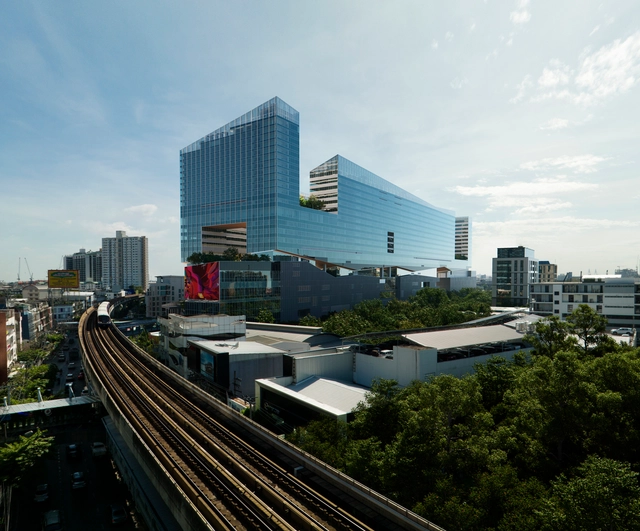
Snøhetta, in collaboration with MQDC, has released the design for Cloud 11, a large-scale mixed-use complex in the South Sukhumvit district in Bangkok, Thailand. The new development addresses the pressing need for urban green spaces in the densely built neighborhood. The project, measuring a total of 250.000 square meters, also aims to help transform the Sukhumvit into a hub for innovation and tech companies in the city while providing the area with a large, green public space and spaces for artists, makers, and tech entrepreneurs. Construction has already started, and the project is expected to be completed by the end of 2024.
When lockdowns first hit and retailers were forced to shut up shop, many took to the digital high street instead, with those investing hardest and quickest in their online personas invariably winning the battle for our bookmarks. As the world opened again, some kept both their physical and digital presence in a hybrid model, while others chose to remove themselves from bricks and mortar altogether.
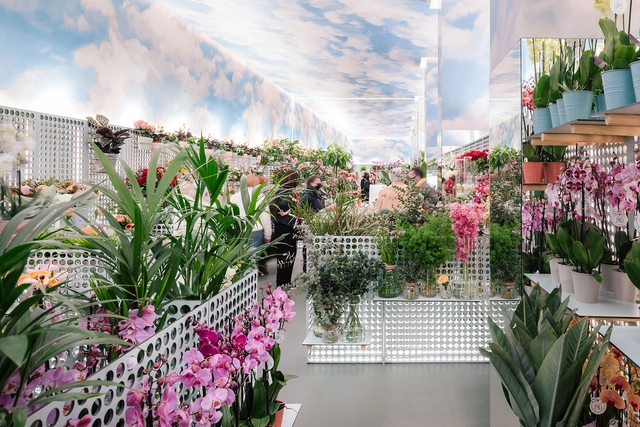
As we become more accustomed to using both models together, it’s clear that physical retail spaces can offer sensorial experiences that the digital simply can not – yet. These four projects buck the online retail trend and encourage consumers – and therefore other retailers, too – to move back into the physical, by turning the act of shopping into an exciting, invigorating, or relaxing luxury pastime, rather than a chore.
When one steps into a Starbucks, they almost instantly know they are in the famed coffeehouse, and not at a McDonald's. Apart from the uniformed staff and a giant sign at the door, there are countless other factors that make a Starbucks look like a Starbucks. Textures, materials, shapes, colors, layouts, furniture, and lighting all contribute to the experience of being in a branded environment. These elements are replicated globally to create an identifiable image. As economic patterns change, brands are looking at extending their identities into spatial experiences in order to better engage with their customers in their daily lives.
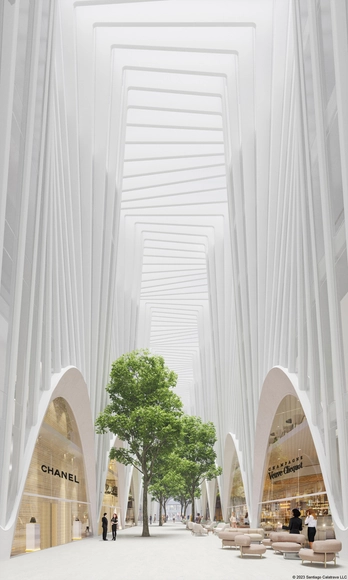
Spanish architect and engineer Santiago Calatrava has unveiled the design of the Calatrava Boulevard, a complex offering upmarket restaurants, retail, and office spaces in Düsseldorf, Germany. Located on a highly visible site between Königsallee boulevard, Königstrasse, and Steinstrasse, the new complex features a curved and vaulted 135-foot-tall roof and a flowing interior street, creating the appearance of a sculptural light-filled canyon. The project, done in collaboration with Uwe Reppegather, Founder and Managing Director of the CENTRUM Group, is set to be completed by 2028.
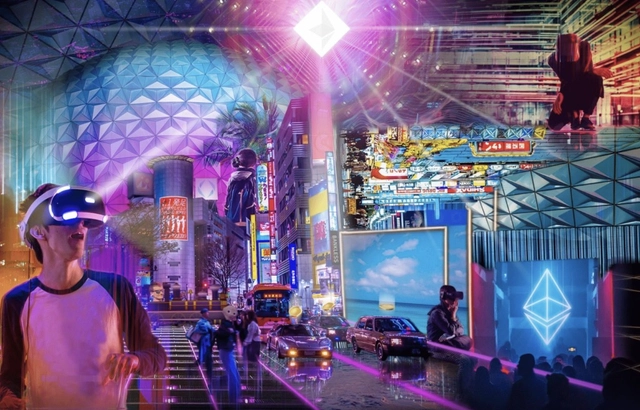
All aspects of society today are becoming increasingly more digital. Our interconnectedness and speed at which we are able to search and transfer information have made us more accustomed to exploring new ways that technology can impact our lives. Over the last few years, the rise of bitcoin, blockchain, and now the metaverse, has caused architects and designers to reconsider the notion of physical and virtual space. But beyond that, there’s an “in-between” of spaces that will be designed to support the technological escapism that the metaverse and web3 offer. While these virtual worlds are on the frontier of the digitization of everything, architects will play a huge part in designing the real-world physical spaces that can support them.
Retail stores are places that need to transport us to another universe. We need to have our senses stimulated and our instincts fired for a truly convincing experience.
Architecture is a fundamental part of this seduction, being able to use artifacts such as colors, materials, lighting and volumes to awaken the most varied feelings in customers. Commercial architecture, in addition to all the technical elements, needs to reach the public from the facade to its interior, always remaining faithful to the brand's concepts and identities. In this article we have selected some examples of commerce facilities that stimulate customers in different ways.
Virgil Abloh, a great American influential figure in the fashion, art, culture, design, and architecture scene, passed away at 41, after a silent battle with cancer. Known for his collaboration with AMO, especially for the Off-White Flagship Store in Miami, a brand he founded back in 2012, the trained architect was the first African-American to become the artistic director of a French luxury brand.
The news was announced on Sunday on Abloh’s official Instagram Account. The Creative Director of Louis Vuitton menswear battled a “rare, aggressive form of cancer, cardiac angiosarcoma […] privately since his diagnosis in 2019”, according to the post.













.jpg?1627408898 "© Anna Positano")