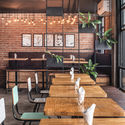
Over the past couple of years, many designers have voiced their commitment to ethical and ecological sourcing, resorting to frugal designs through local materials, traditional techniques, and equitable architecture. Having this approach in mind, many found inspiration in their cultural heritage, reimagining ancient designs in contemporary contexts.
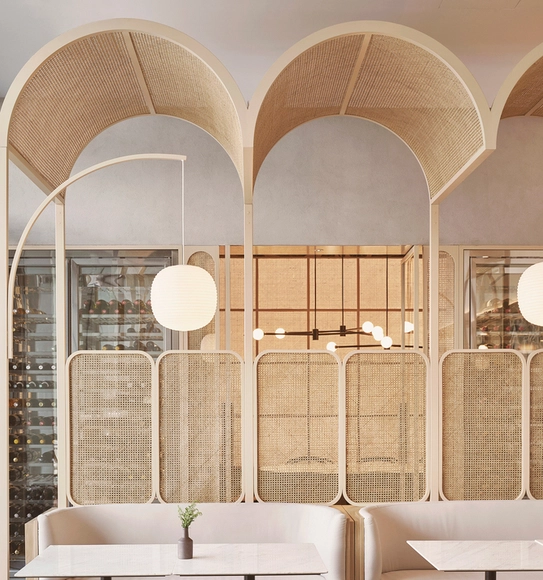
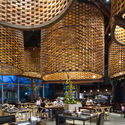
When thinking of recycled design trends, we can't overlook one of the most well-known and popular materials that was shared by nations all around the globe over the span of 100 years; on balconies, outdoor patios, gardens, and indoor living spaces: rattan. It is estimated that almost seven hundred million people worldwide use rattan, with many countries presenting it as an integral part of their cultures. In this article, we look at how architects and designers integrated rattan in their designs and found numerous ways to make the best out of Southeast Asia's popular local material.
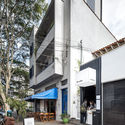
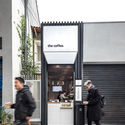
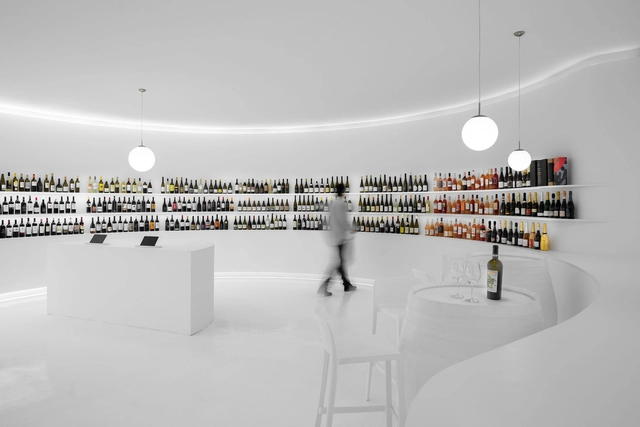
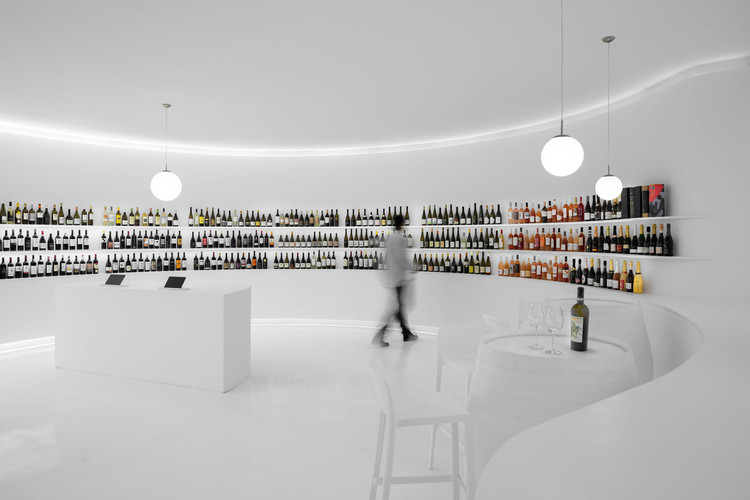
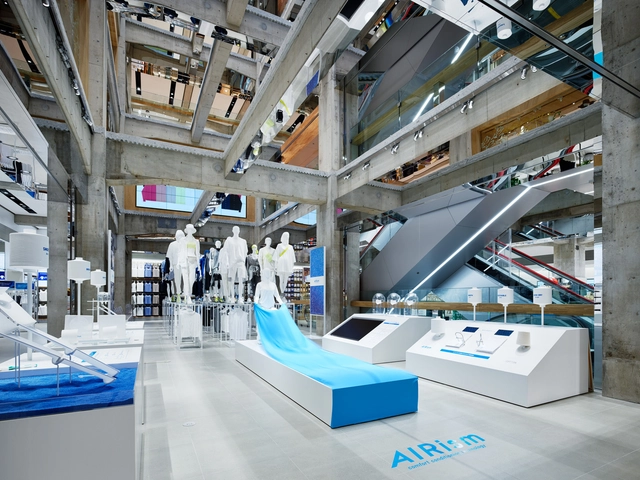
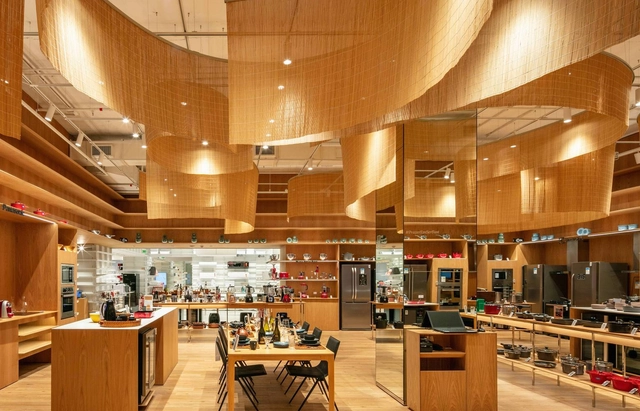
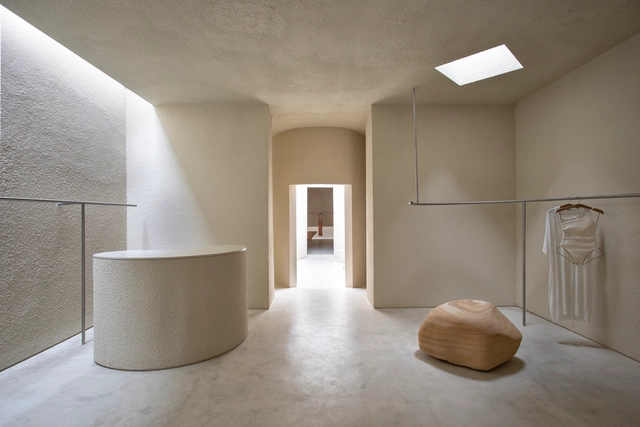
You might be surprised by this, but the days of shopping in stores are long from over-, in fact, they’re experiencing a renaissance, and are creating a whole new type of design and experience to bring consumers back through the doors. The rise of e-commerce and the pause caused by the COVID-19 pandemic have served as a perfect catalyst for creating a whole new type of experience through unique design features, technological advancements, and customization that will revitalize physical stores in the future.
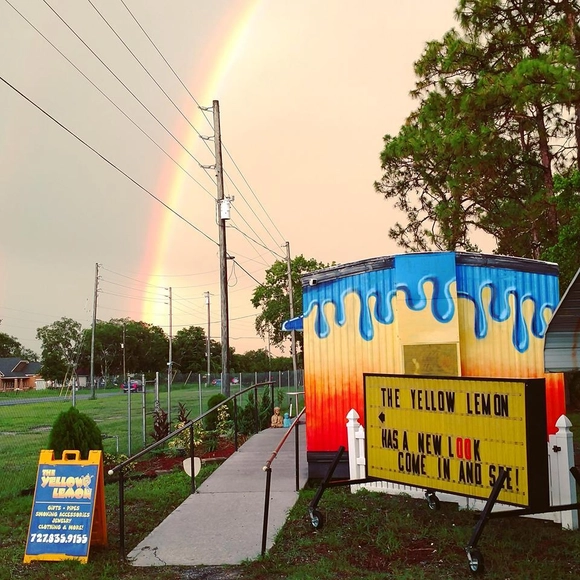
Head shops, born during the counterculture movement of the 1960s, were legally mandated to only sell products for use with legal substances. This influenced a tradition of delightfully surreptitious shop names and bright, far-out signage welcoming potential customers to a safe space, while staying within the law. From the cartoon apple with marijuana leaves as stems gracing the sign at Adam’s Apple in Chicago, to the simple block-lettered neon sign at The Fitter in Boulder, the tradition of odd, cool, freeform, blocky, colorful lettering spelling out fun and hardly clandestine shop names has offered sanctuary for those searching for the sub- and counterculture for half a century.
https://www.archdaily.com/938394/clog-x-cannabis-the-future-of-head-shops-in-the-usMarshall Ford and CLOG
This article was made in partnership with Design Indaba, a website and annual festival that uncovers innovation for good. Click here to learn more about the annual event.
Dong-Ping Wong has created exceptional interior spaces, residential and commercial buildings, and public spaces for some of the biggest names and brands in the world. During his Design Indaba talk, the architect chose to design a city in 15 minutes with the help of fashion designer Virgil Abloh, who was on a live video call with the architect during the presentation.






















.jpg?1586296571 "© Leandro Farchi")
.jpg?1586296281 "© Leandro Farchi")
.jpg?1586296391 "© Leandro Farchi")
.jpg?1586296634 "© Leandro Farchi")