

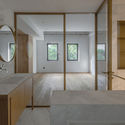
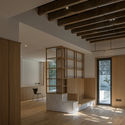
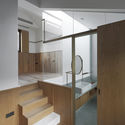

-
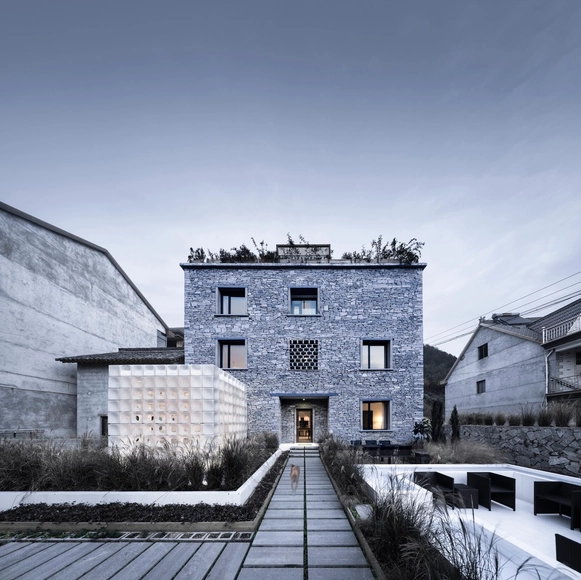
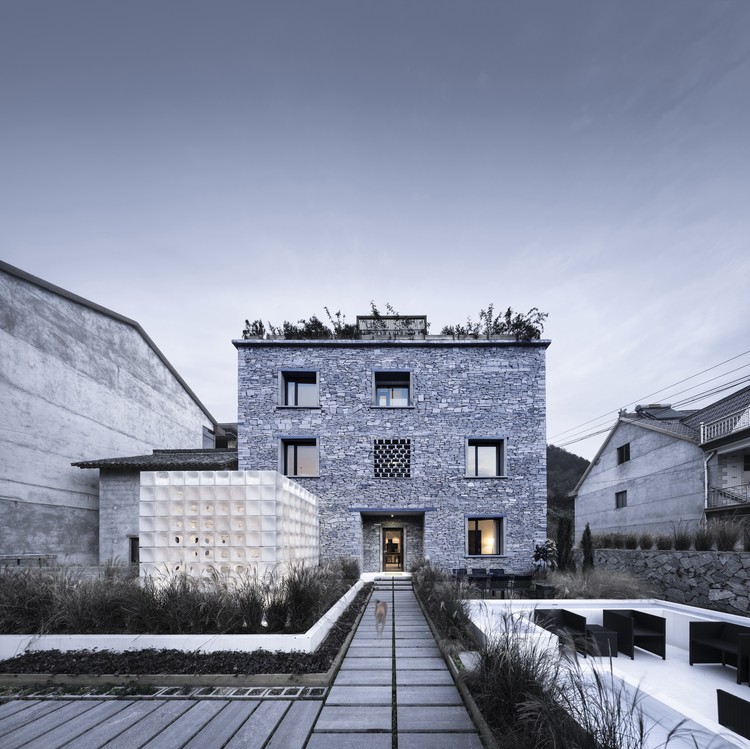
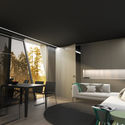
Interior Designers: Atelier TAO+C
- Area: 190 m²
- Year: 2017
-
Manufacturers: Fritz Hansen, Duravit, Cassina, Donbracht, Häcker
-
Professionals: Shanghai Tianci Building Decoration Co.Ltd


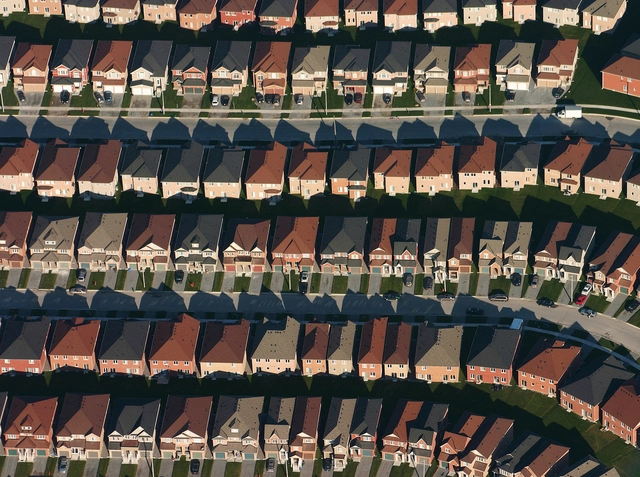
A recent survey done by Chicago-based digital marketing firm Digital Third Coast asked 2,000 current or prospective homeowners for their feedback on their realistic dream house, along with their opinions on homeownership in general. Commissioned by an Illinois fireplace company, Northshore Fireplace, the survey presented respondents with a list of multiple choice questions, as well as open response questions to come up with an in-depth analysis of the 'American Dream Home of 2018.' The survey was done via the Amazon Mechanical Turk platform and included people from all across the country and different age groups. The main qualifying criteria for respondents was that they either owned a home currently or were looking to purchase a new home within the next 5 years.
Findings from the survey include ideal exterior and interior styles, most desired luxury, most popular words used to describe a dream home, average square footage, and much more. Based on the survey data, you can even compare design and finance ideas of GenX and Millenial homeowners to that of the Baby Boomers generation.
Read on for the detailed infographic that displays the resulting criteria for the 'American Dream Home of 2018.'
Why do we remember buildings, locations, and experiences? Even a place visited in our childhood can conjure emotions that make an impact on us through the memories they create. Angela Brooks and Larry Scarpa explain that the work of Brooks + Scarpa Architects aspires to make a lasting impression out of even a brief encounter. “We try to leave something behind,” says Scarpa, “something ingrained in people’s memory that sticks with them.”
.jpg?1528069797&format=webp&width=640&height=580)
As part of our 2018 Venice Architecture Biennale coverage, we present the completed Latvian Pavilion. To read the initial proposal, refer to our previously published post, "Latvian Pavilion at the 2018 Venice Biennale to Highlight Turning Points in 20th Century Apartment Block Design.”
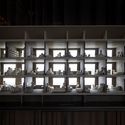
Black walls and an exposed concrete floor create a mysterious and eerie backdrop for Together and Apart: 100 Years of Living—the Latvian Pavilion curated by urbanist Evelīna Ozola, architect Matīss Groskaufmanis, scenographer Anda Skrējānem and director Gundega Laiviņa.
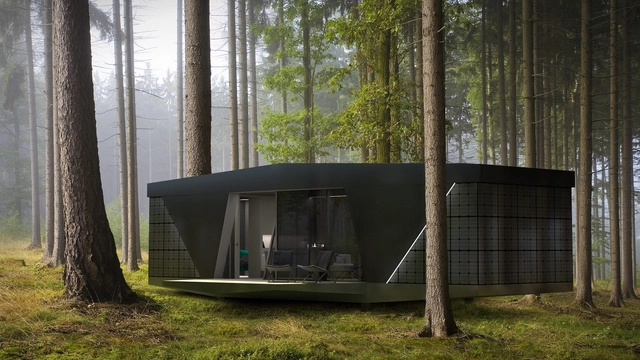
The uncontrollable roar of construction sites, the chaotic city streets, the monotony of spending more than 8 hours a day in a cubicle… All these daily grinds can take a toll on the human body and mind. Retreating into nature sounds liberating, however, our dependence on technology makes living off-the-grid almost impossible. Well, what if you could keep your modern lifestyle and sleep in a house hidden in the forest?
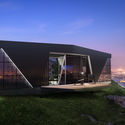
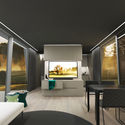
IO Houses created The SPACE, a versatile and innovative housing project for people who love nature and want to preserve it, just as much as they love contemporary, luxurious living.
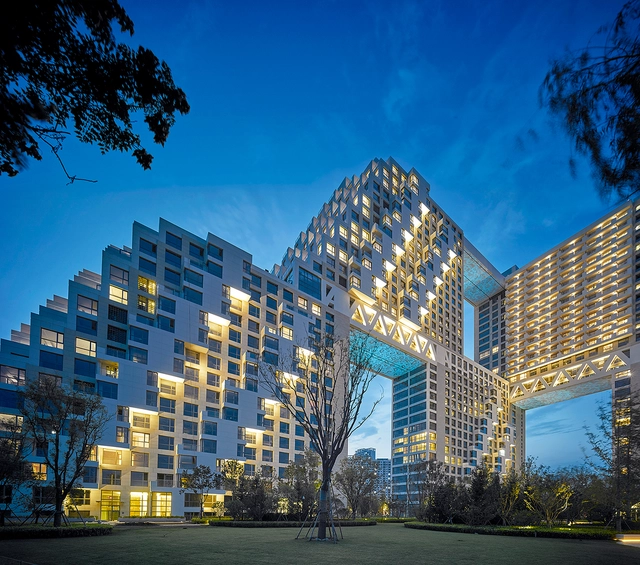

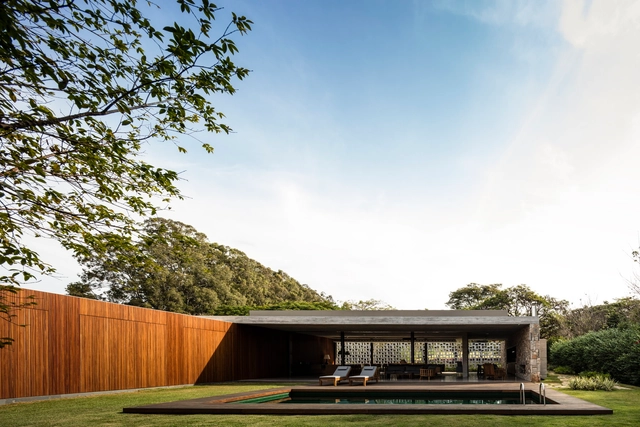
For many, summer brings a sharp increase in time spent outdoors. Whether that be a dip in the pool after a long day at work or a casual stroll to the office, the summer months are best enjoyed outside. Admittedly, there are times when the summer heat can be too intense, and A/C is needed, but why not enjoy the great outdoors while you're at it?
Architecture provides the unique opportunity to meld the comfort of the indoors with the experience of being outdoors. Selected from our project archives, these nine houses offer the perfect combination of indoor/outdoor spaces ripe for summer living.

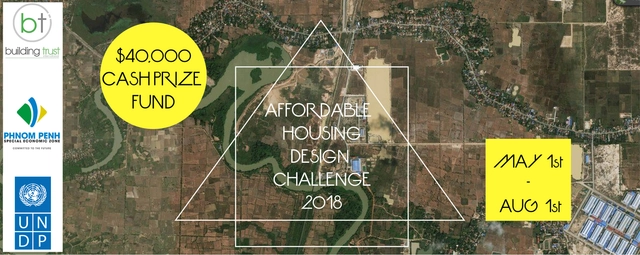
Building Trust International have just announced their 8th design competition which is in association with the United Nations Development Programme and the Phnom Penh Special Economic Zone. The competition entitled 'Affordable Housing Design Challenge' challenges architects, designers and engineers to submit an innovative design proposal for new affordable housing for low income workers in Phnom Penh, Cambodia. These new units should be well-designed, sustainable and most importantly improve the quality of life of the intended residents and the surrounding community. More than just housing, this new project should build a future for workers and their families in Cambodia.

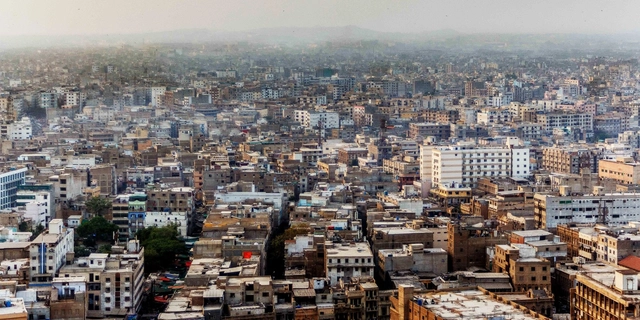
As part of our 2018 Venice Architecture Biennale coverage we present the proposal for the Pakistan Pavilion. Below, the participants describe their contribution in their own words.
Keeping the subject of FREESPACE in perspective, the Pakistan Pavilion takes inspiration from the physical and social dimensions of the sparsely open spaces embedded within the many informal settlements of Karachi, the most populated and fastest growing city of Pakistan.
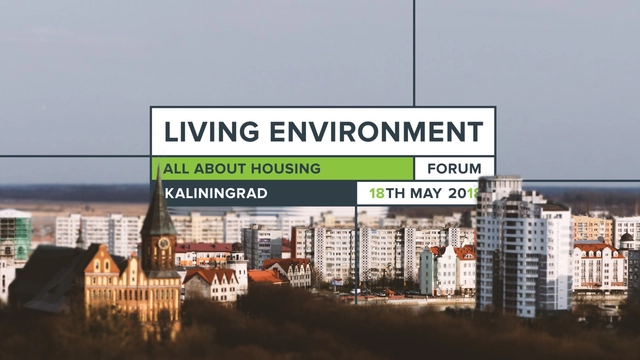
On May 18-19, the city of Kaliningrad, capital of the westernmost part of Russia, will host the Living Environment: All About Housing Forum. The Forum includes a business program and the Urban Weekend outdoor public festival.
Besides sessions and roundtables, the ambitious program of the event includes the shortlist presentation of the projects submitted for the Open International Competition of Architectural Concepts for Standard Housing and Residential Buildings. Architects and bureaus from 39 countries took part in this prestigious competition with their projects of innovative residential housing for future generations of Russians. The competition announces a remarkable prize fund: 20 finalists will receive 1 million roubles (about € 13 300) each, up to five winning projects will be awarded 2 million roubles (about € 26 600) each, and up to five runners-up will receive 1.5 million roubles (about € 19 900) each.

Mercer released their annual list of the Most Livable Cities in the World last month. The list ranks 231 cities based on factors such as crime rates, sanitation, education and health standards, with Vienna at #1 and Baghdad at #231. There’s always some furor over the results, as there ought to be when a city we love does not make the top 20, or when we see a city rank highly but remember that one time we visited and couldn’t wait to leave.
To be clear, Mercer is a global HR consultancy, and their rankings are meant to serve the multinational corporations that are their clients. The list helps with relocation packages and remuneration for their employees. But a company’s first choice on where to send their workers is not always the same place you’d choose to send yourself to.
And these rankings, calculated as they are, also vary depending on who’s calculating. Monocle publishes their own list, as does The Economist, so the editors at ArchDaily decided to throw our hat in as well. Here we discuss what we think makes cities livable, and what we’d hope to see more of in the future.

C.F Møller and MT Højgaard have unveiled their vision of a new Railway Quarter in Aarhus, Denmark, transforming the area into a car-free urban district. Covering 1,180,000 square feet (110,000 square meters) of new construction, the area will predominantly contain residential buildings up to six stories high, as well as retail and recreational areas.
The idea of covering the railway site in Aarhus has existed for decades, with upcoming infrastructural upgrades to the network calling for tracks be lowered further into the ground, creating the opportunity to occupy the existing overhead site currently dividing several areas of Aarhus.




.jpg?1528069731 "© Ansis Starks")
.jpg?1528069782 "© Ansis Starks")

.jpg?1528069797)


.jpg?1528303471)

.jpg?1528303887 "© Fernando Guerra | FG+SG")
.jpg?1528303791 "© Fernando Guerra | FG+SG")
.jpg?1528304319 "© Fernando Guerra | FG+SG")
.jpg?1528304962)





.jpg?1519828313 "© Fernando Guerra | FG+SG")
.jpg?1519827102 "© Fernando Guerra | FG+SG")
.jpg?1519827348 "© Fernando Guerra | FG+SG")
.jpg?1519827569 "© Fernando Guerra | FG+SG")
