A USC Architecture student pins up a project in Watt Hall.
From short supply and high demand to a lack of affordable options, housing in Los Angeles is a complex and prominent issue that deserves the attention of local universities. As the crisis continues to evolve, architecture and architectural education are vital parts of the discussion surrounding housing equity.
https://www.archdaily.com/914765/architecture-students-and-faculty-lead-the-charge-in-equitable-housing-solutionsSponsored Post
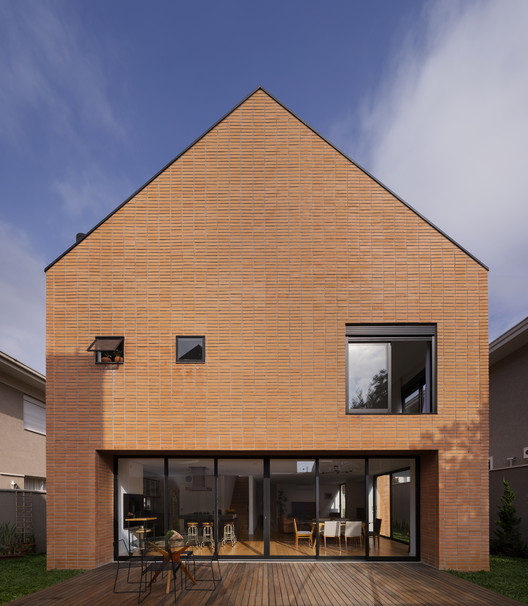
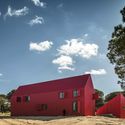
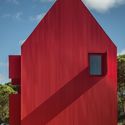
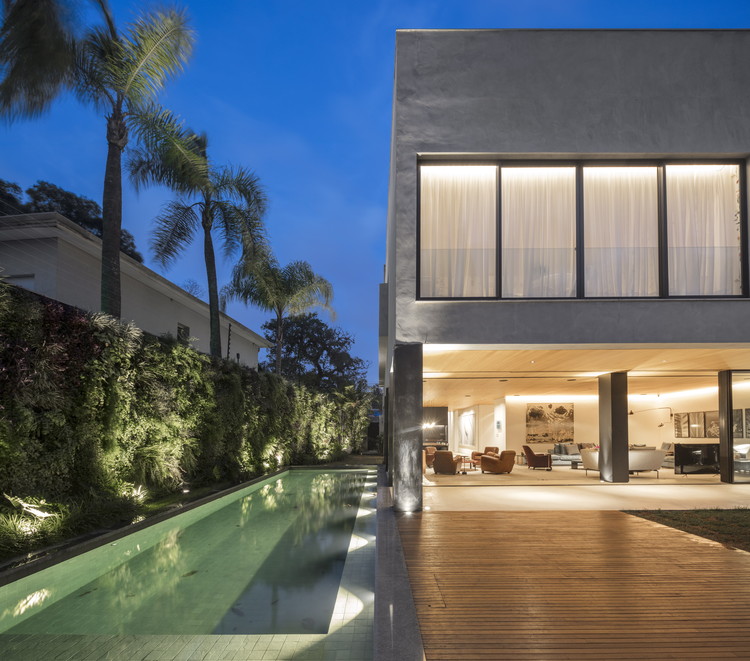
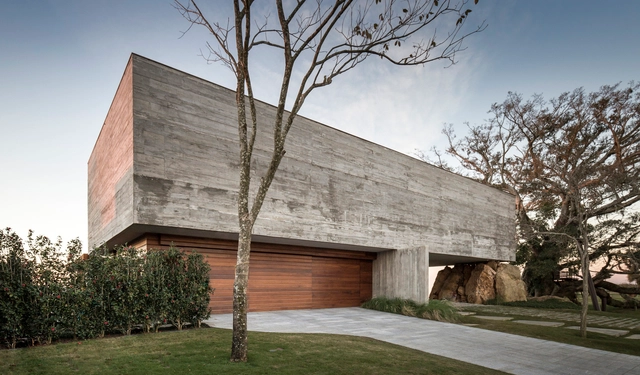
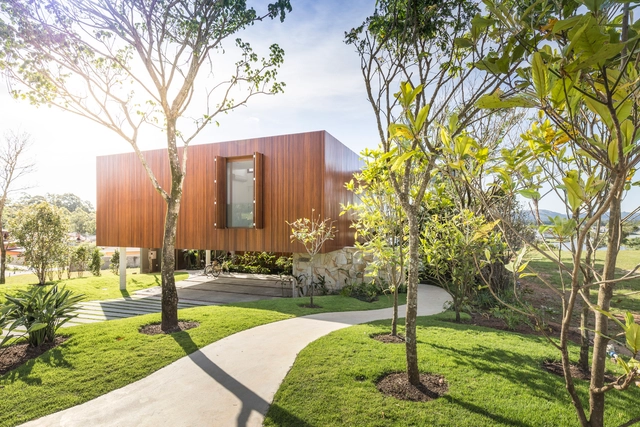
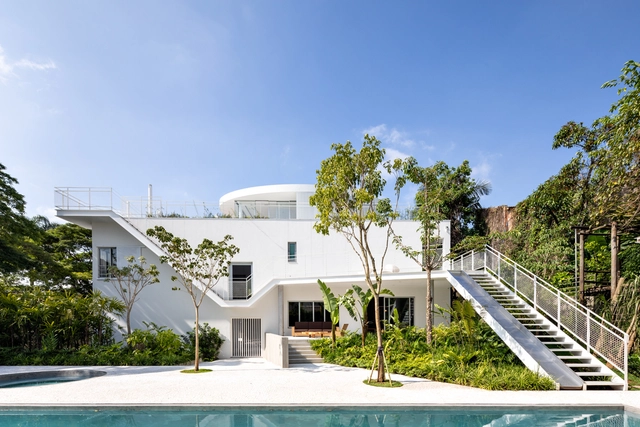
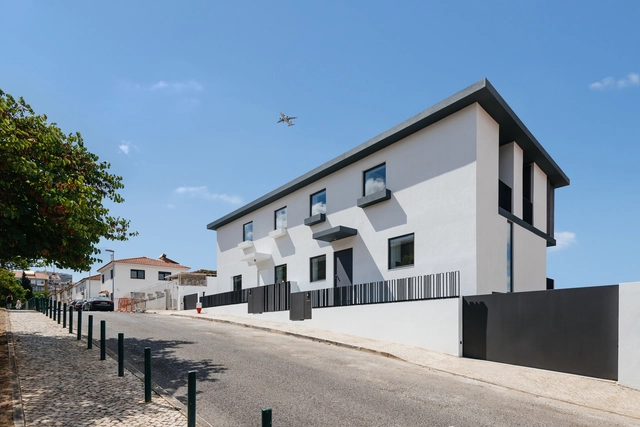
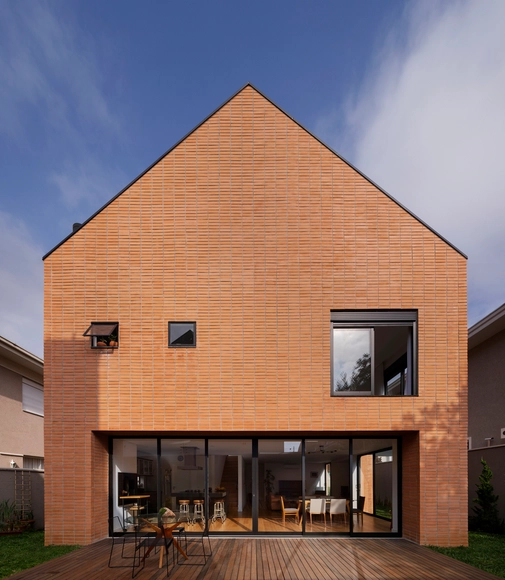
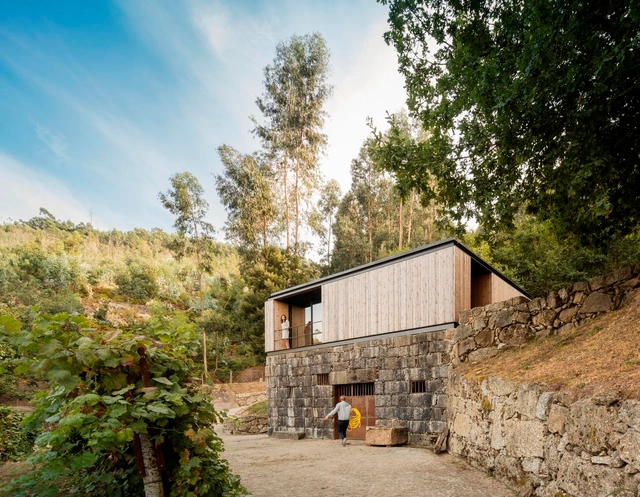
Home. Our shelter. Our private space. In an urbanized world with dense megalopolises like Tokyo, Shanghai, and São Paulo, homes are getting smaller and more expensive than ever. If you are claustrophobic, Marie Kondo is your best ally in the quest to earn some extra space. And even though private backyards have become a luxury for most, our data shows that single-family houses are still the most popular project type on ArchDaily. Why is this? (Especially when it seems incongruous given the reality of today’s crowded cities.) Why do some universities still insist on designing and building houses as academic exercises? Wouldn’t it be more creative—and more useful—to develop architecture in small-scale spaces? Would it be more rewarding to develop solutions on bigger scales?
INTRODUCTION: The social catastrophe of Latin America has its epicenter in the popular settlements. It is in Latin America, the most urbanized and unequal region in the world, where 104 million people live in popular settlements. Here, 1 of every 4 inhabitants of urban areas, lives in a slum, villa, favela or camp, in a situation of poverty. These populations must subsist by their own means, with the constant violation of their rights.
THE NGO: For this competition, Archstorming is working together with the NGO TECHO Mexico. TECHO Mexico builds emergency houses for people from all across the country. TECHO’s current emergency house is
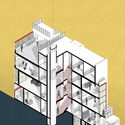
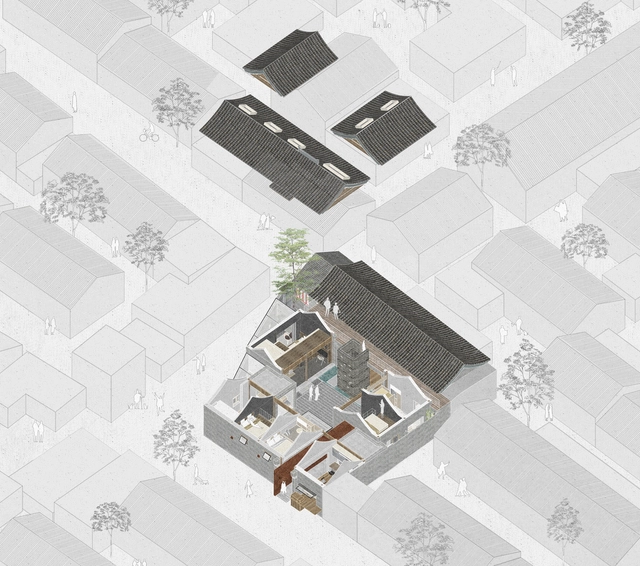
During the professional life of an architect, the task of designing a residence can be a frequent occurrence. As the project develops, representing a vision in a determined space through a set of drawings is certainly one of the primary tasks of the design process. While the architect has a certain level of visual literacy, sometimes the client won't necessarily understand all the drawings. Going beyond the two-dimensionality of the plans, sections and elevations, axonometric perspectives are presented as an efficient instrument in the spatial representation of the project. When adding the notion of third dimension—and even though it’s presented by on a 2D sheet of paper—it gives a better understanding to those unfamiliar with technical drawings.
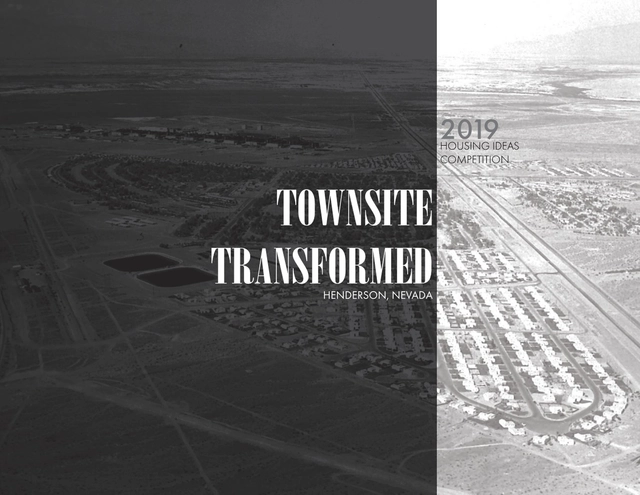
The purpose of this competition is to challenge Architects and Students to design a replacement for the Townsite Homes in Henderson, NV, which have outlived their intended use and have mostly fallen into disrepair, creating neighborhood blight. The project should fully embody the principles of sustainable design and livable communities. It is the responsibility of the entrants to determine the number of new dwellings on the site, or re-purpose the existing home. The only city requirement is to provide a single parking space per dwelling. Please visit the competition website for information on Henderson, the Townsite, and how to enter.





.jpg?1554933485&format=webp&width=640&height=580)
.jpg?1548778211&format=webp&width=640&height=580)
.jpg?1553267060&format=webp&width=640&height=580)









.jpg?1548778022 "© Niel Vosloo")
.jpg?1548778229 "© Niel Vosloo")
.jpg?1548777535 "© Niel Vosloo")
.jpg?1548778264 "© Niel Vosloo")
.jpg?1548778211)